

How Tennis Ball Changes Work Explainer
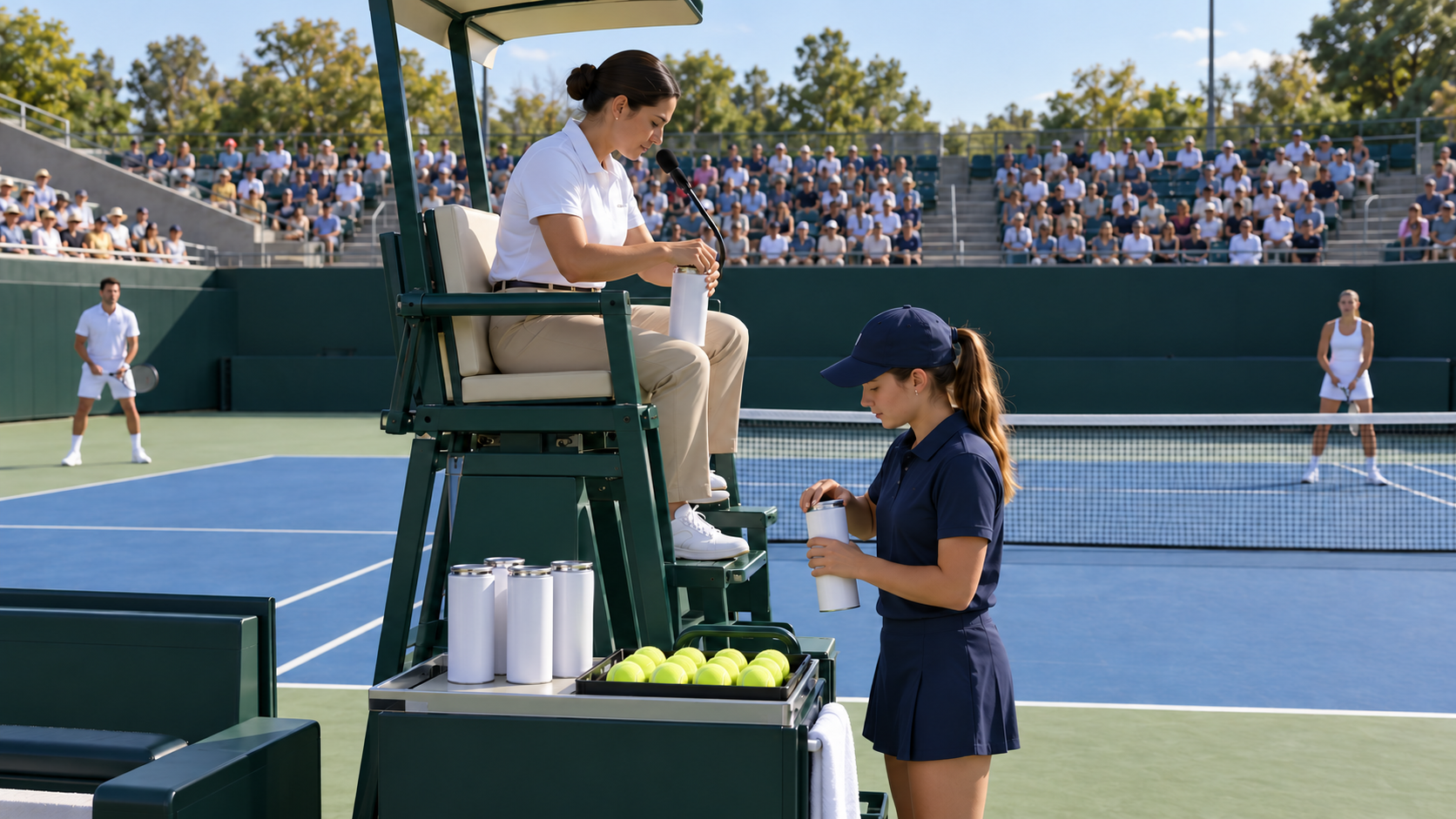
Tennis balls lose pressure, felt, and speed as a match continues, so tournaments replace them on a fixed schedule announced before play. A common pattern is a first change after seven games and later changes every nine games because the opening set of balls was also used during the warm-up.
A tiebreak counts as one game for the change sequence. If a scheduled change is forgotten, officials introduce new balls when the team or player who should have served with them is next due to serve, then continue the original interval rather than starting an entirely new pattern.
When a ball is lost or damaged, the replacement should have comparable wear. Early in a ball cycle, a new ball may be appropriate; later, officials choose a used ball of similar condition. Play does not normally stop simply because a player dislikes a ball’s appearance.
Fresh balls tend to travel faster and fluff up after several rallies, which can influence serving and return tactics. Ball-change timing is administrative but strategic. The chair umpire tracks the sequence and announces new balls so both players begin the game under the same conditions.
The opening balls were used in the warm-up, so tournaments commonly replace them two games earlier than later sets.
Yes. A tiebreak counts as one game for determining the next ball change.
Officials select a ball with similar wear, using a new ball only when that matches the stage of the cycle.
Explore more "Explainers"
Discover additional explainers across politics, science, business, technology, and other fields. Each explainer breaks down a complex idea into clear, everyday language—helping you better understand how major concepts, systems, and debates shape the world around us.