

How NFL Two-Point Conversions Work Explainer
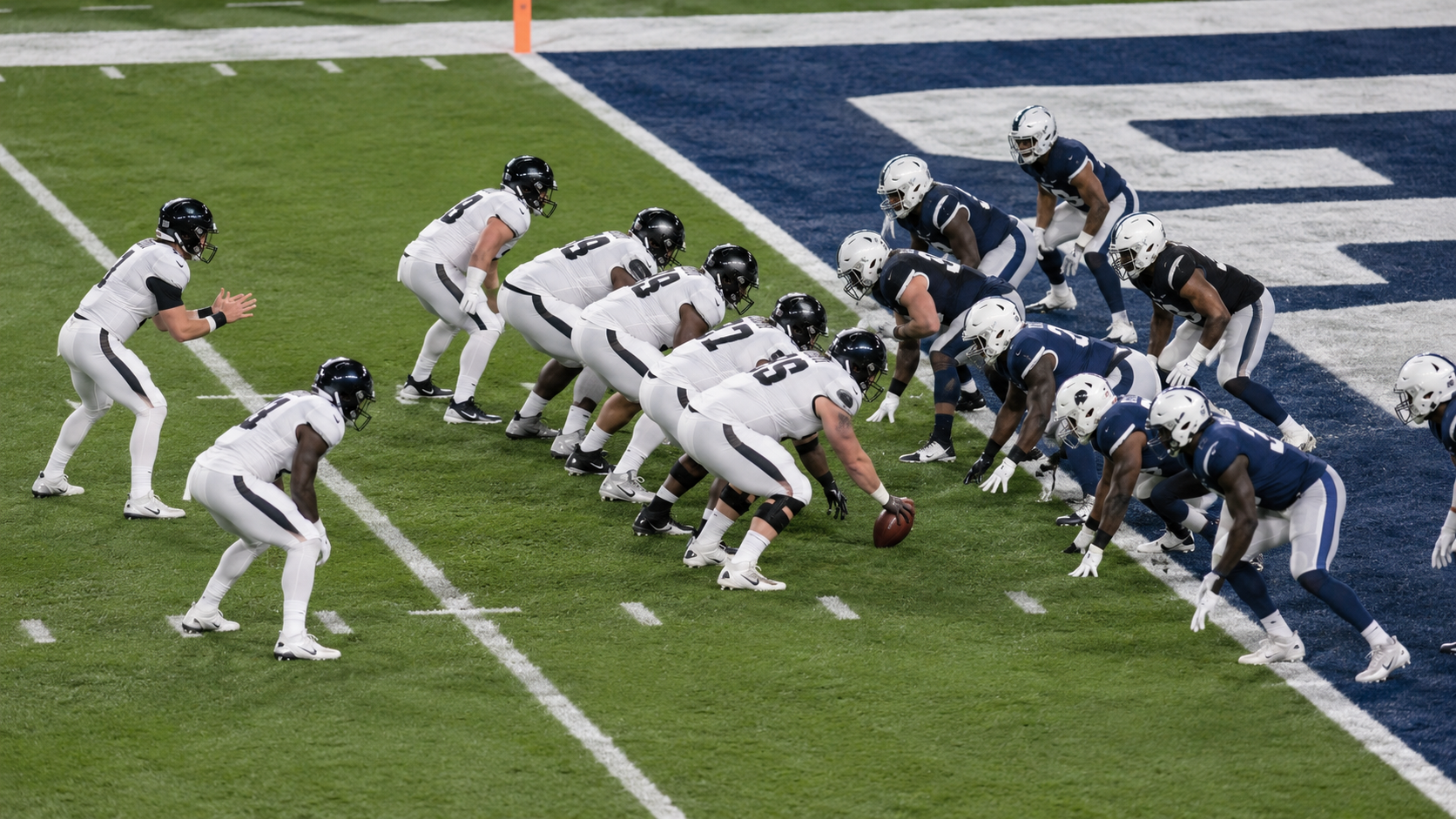
After a touchdown, an NFL team may attempt a two-point conversion instead of kicking for one point. The offense runs one untimed try from the designated two-yard line, and earns two points by scoring a touchdown on that play.
The try follows ordinary rules with special exceptions because it is not a normal down. The offense may run or pass, and penalties can move the snap spot or produce a replay. Coaches often choose two points when game score and remaining possessions make the extra point less useful.
The defense can score two points by gaining possession and returning the ball to the opposite goal line. If the defense gains possession but the play ends without a score, the try is over; the offense does not get the ball back for another attempt.
A one-point safety is also possible under rare try-play circumstances. After the conversion ends, the scoring team normally kicks off. The cleanest way to follow strategy is to compare the score margin with the number of likely possessions left.
An NFL two-point attempt normally begins with a snap from the two-yard line.
Yes. A defensive return to the opposite goal line is worth two points.
No. It is an untimed try that occurs after the touchdown.
Explore more "Explainers"
Discover additional explainers across politics, science, business, technology, and other fields. Each explainer breaks down a complex idea into clear, everyday language—helping you better understand how major concepts, systems, and debates shape the world around us.