

How Basket Interference Differs from Goaltending in the NBA Explainer
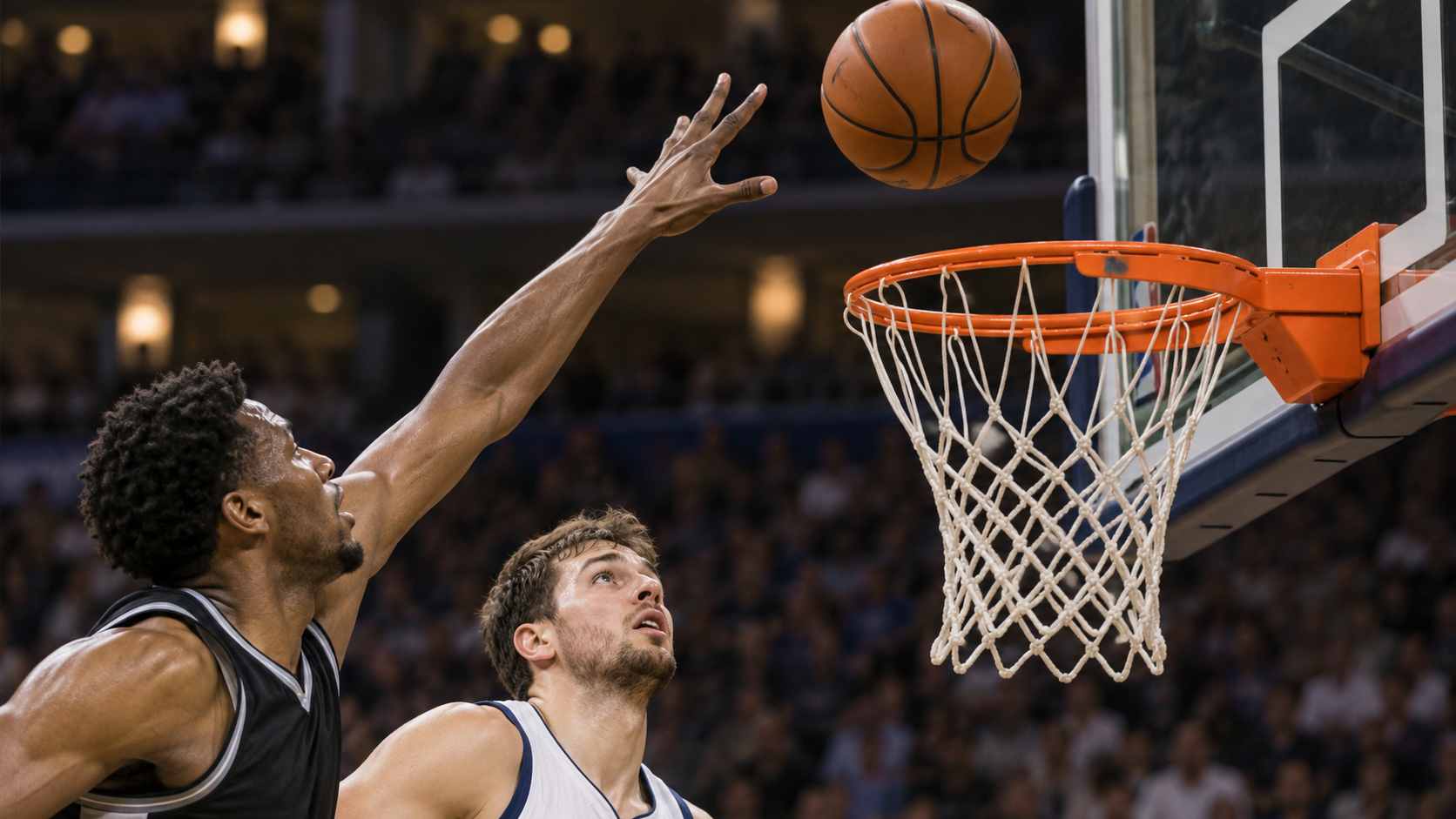
NBA goaltending and basket interference both restrict contact near a shot, but they describe different situations. Defensive goaltending generally involves touching a field-goal attempt on its downward flight above the rim with a chance to score, or touching it after it hits the backboard while still eligible to enter.
Basket interference centers on the basket and the imaginary cylinder extending upward from the rim. A player may not touch the ball while any part is within that cylinder, touch the rim or net in a way that affects the ball, or reach through the basket from below.
Defensive violations ordinarily award the points the shot would have produced. Offensive interference cancels the score and gives the defense the ball. There are detailed exceptions, including legal contact after certain rebounds and special treatment when a ball has no possibility of entering.
Officials judge the ball's flight, height, relationship to the rim and backboard, and whether contact affected its opportunity to score. Replay can examine specified late-game or triggered rulings. The distinction explains why two similar swats near the basket can lead to different labels and remedies.
It is the imaginary vertical space whose lower base is the ring.
The offensive team is normally awarded the value of the affected shot.
Yes. Offensive contact in prohibited cylinder or rim situations cancels the basket.
Explore more "Explainers"
Discover additional explainers across politics, science, business, technology, and other fields. Each explainer breaks down a complex idea into clear, everyday language—helping you better understand how major concepts, systems, and debates shape the world around us.