

“Journalists are the recorders, excavators and defenders of truth.”
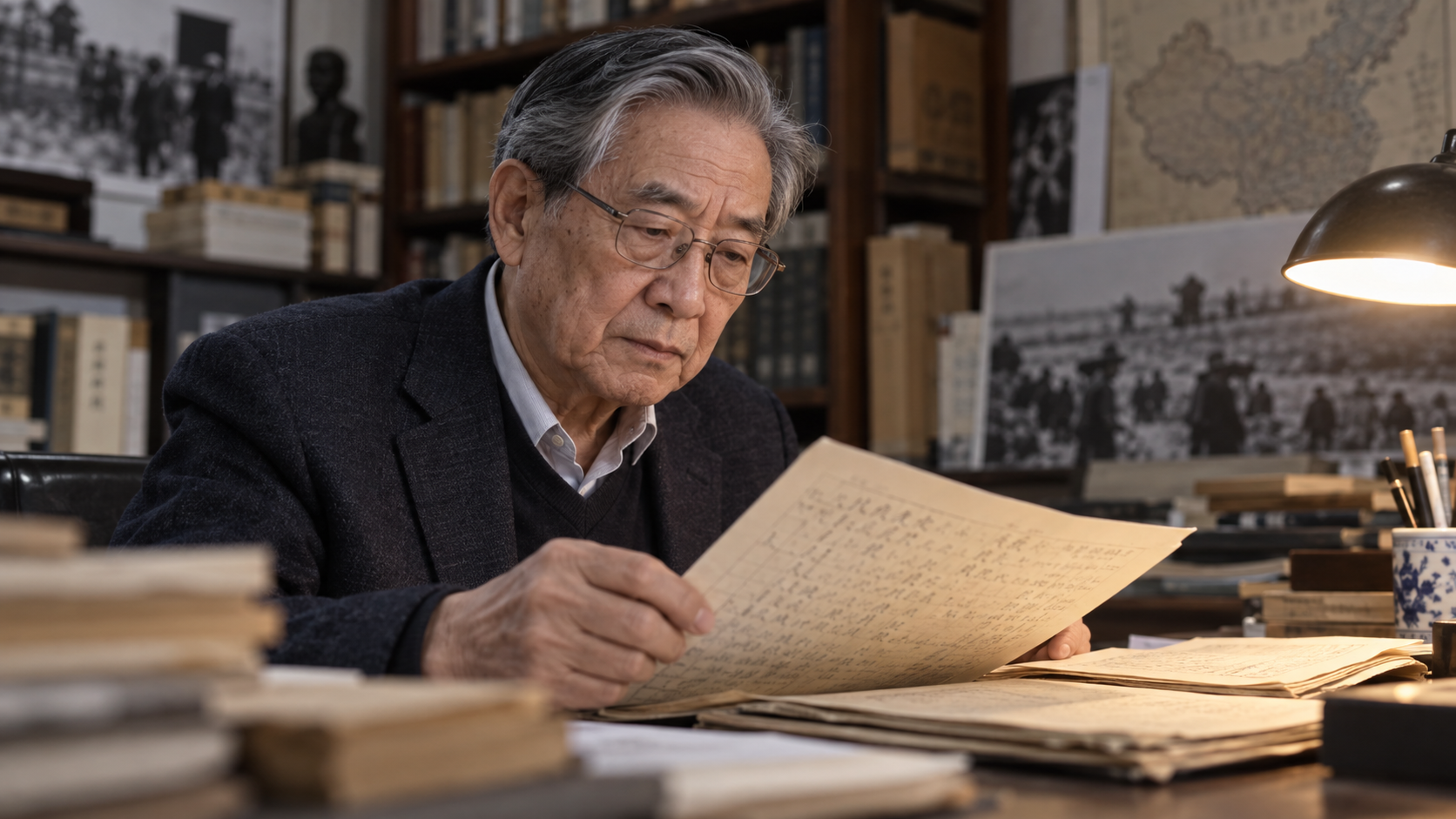
Yang Jisheng concluded his 2016 Louis M. Lyons Award speech with this three-part description of journalism. Chinese authorities had prevented him from traveling to Harvard, so his remarks were read at the ceremony. Yang had spent years documenting the Great Famine in Tombstone, drawing on records, interviews, and his own experience while the book remained banned in mainland China. The sequence of verbs captures distinct responsibilities. Recording preserves events as they occur; excavating recovers evidence that has been buried or neglected; defending protects a truthful account when institutions seek to distort, suppress, or erase it.
Recording begins with precision. Names, dates, decisions, testimony, images, and documents must be collected in forms that can be checked later. Reporters strengthen the record when they retain notes, describe provenance, verify translations, and distinguish firsthand knowledge from retelling. Excavation asks a different set of questions: Which archive was closed? Which community’s memory was omitted? What pattern becomes visible only after comparing many cases? Investigative work often advances not through one spectacular disclosure but through patient reconstruction of fragments that powerful systems never expected to be assembled.
Defense does not mean protecting a story from criticism. A truthful record survives because its evidence can withstand scrutiny and because journalists correct weaknesses openly. Defense may involve source security, legal support, independent archives, collaborative publication, and public explanations of method. It also requires resisting pressure from owners, governments, parties, or audiences that prefer a simpler account. Yang’s formulation puts conscience beside craft: courage matters, but bravery without verification can produce another distortion. The journalist defends truth most effectively by making the evidentiary foundation visible and durable.
The idea has broad relevance as records become both abundant and fragile. Digital files can be copied globally, yet links vanish, platforms remove material, databases change, and synthetic artifacts can contaminate an archive. Newsrooms therefore need preservation plans, authenticated copies, metadata, secure source channels, and partnerships with libraries or other institutions. They should also revisit communities after publication so that a record includes consequences, corrections, and knowledge that emerged later. Yang’s verbs describe journalism across time: witness the present carefully, recover the past honestly, and preserve both against organized forgetting. Translation deserves the same care. When reporting crosses languages, outlets should identify the translator, retain the original wording, and explain meaningful ambiguities. That practice lets future readers evaluate nuance without weakening the accessible account presented now. It also preserves clues that another investigator may later connect productively.
Yang's remarks were read at Harvard on March 10, 2016, after he was barred from traveling to receive the Louis M. Lyons Award for Conscience and Integrity in Journalism.
The three verbs describe different work: recording captures checkable facts, excavation reconstructs hidden or fragmented evidence, and defense keeps the resulting account available for scrutiny.
Vanishing links and synthetic material make archival practice part of reporting. Provenance, authenticated copies, durable metadata, and transparent corrections protect the public record over time.
Explore more "Quotes of The Day"
Discover more notable quotes from influential voices across politics, science, business, technology, sports, and culture. Each quote offers insight into how ideas, beliefs, and decisions shape the world around us.