

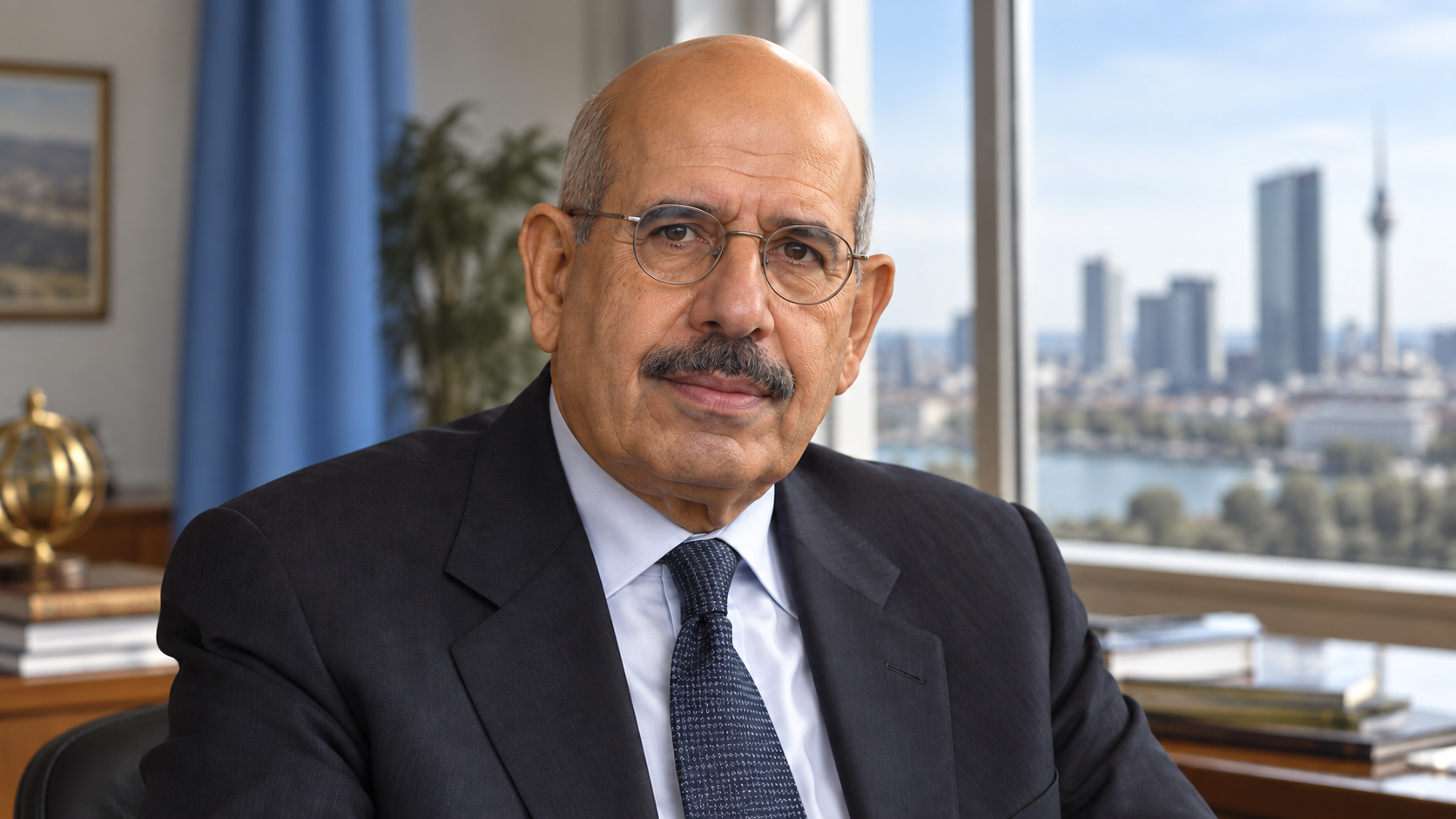
“A durable peace is not a single achievement, but an environment, a process and a commitment.”
Mohamed ElBaradei delivered his 2005 Nobel lecture as director general of the International Atomic Energy Agency, sharing the peace prize with that institution. His speech connected nuclear security with the wider conditions in which people live. Near its conclusion, he described durable peace as something maintained through a political environment and continuing effort. The quotation resists the tendency to treat peace as a trophy won at one decisive moment. An agreement or a successful inspection can matter greatly, but its significance depends on what follows. ElBaradei's formulation links the achievement to the institutions, relationships, and commitments needed to keep its benefits from being lost.
Each of the three terms identifies a different responsibility. An environment includes the incentives and expectations that shape decisions before a crisis. A process provides ways to communicate, investigate, negotiate, and correct problems as they arise. A commitment concerns the willingness to keep participating when the work becomes inconvenient. Taken together, they make peace less dependent on the goodwill of one leader. Political relationships cannot avoid every misunderstanding, but they can be designed to handle uncertainty without immediately treating it as proof of hostile intent. The objective is to build reliable ways of discovering what has happened and deciding what should happen next.
Such a system needs authority as well as aspiration. An institution expected to verify a promise must have enough access and resources to do the work credibly. If it cannot ask difficult questions or report inconvenient findings, its presence may offer reassurance without substance. There is also a danger in treating cooperation as an end that excuses silence about violations. A dependable process needs consequences and routes for remedy. The quotation is therefore not a call to replace every disagreement with pleasant dialogue. It asks that differences be addressed within arrangements capable of producing evidence and maintaining responsibility, even when participants would prefer an easier account.
For readers today, ElBaradei's words suggest judging a peace initiative by the ordinary work around it. Who keeps records, verifies obligations, maintains communication, and deals with a broken promise? What happens when the political figures who signed it leave office? Those questions make durability a matter that can be examined rather than simply admired. The quotation also gives value to work that seldom produces a dramatic photograph: repeated meetings, consistent standards, and candid reporting. Peace can be weakened by neglect even without a single deliberate decision to destroy it. Continuing commitment means giving the less visible machinery of cooperation enough attention to function before the next emergency tests it.
The line comes from ElBaradei's 2005 Nobel lecture, delivered when he and the IAEA shared the peace prize. It connects an institutional mission with a broader view of security.
Peace is described as an ongoing condition to sustain. The statement does not reduce it to a ceremony, a declaration, or one diplomatic success.
Environment, process, and commitment identify incentives, procedures, and continued participation. A durable arrangement needs all three to reinforce each other.
A process is credible only if it can investigate difficulties and report findings honestly. Cooperation should not become a reason to overlook a violation.
The quotation encourages practical questions about verification, resources, and continuity when leaders or circumstances change.
Its enduring lesson is to value maintenance: the daily work of dependable institutions helps protect the achievements that dramatic negotiations make possible.
Explore more "Quotes of The Day"
Discover more notable quotes from influential voices across politics, science, business, technology, sports, and culture. Each quote offers insight into how ideas, beliefs, and decisions shape the world around us.