

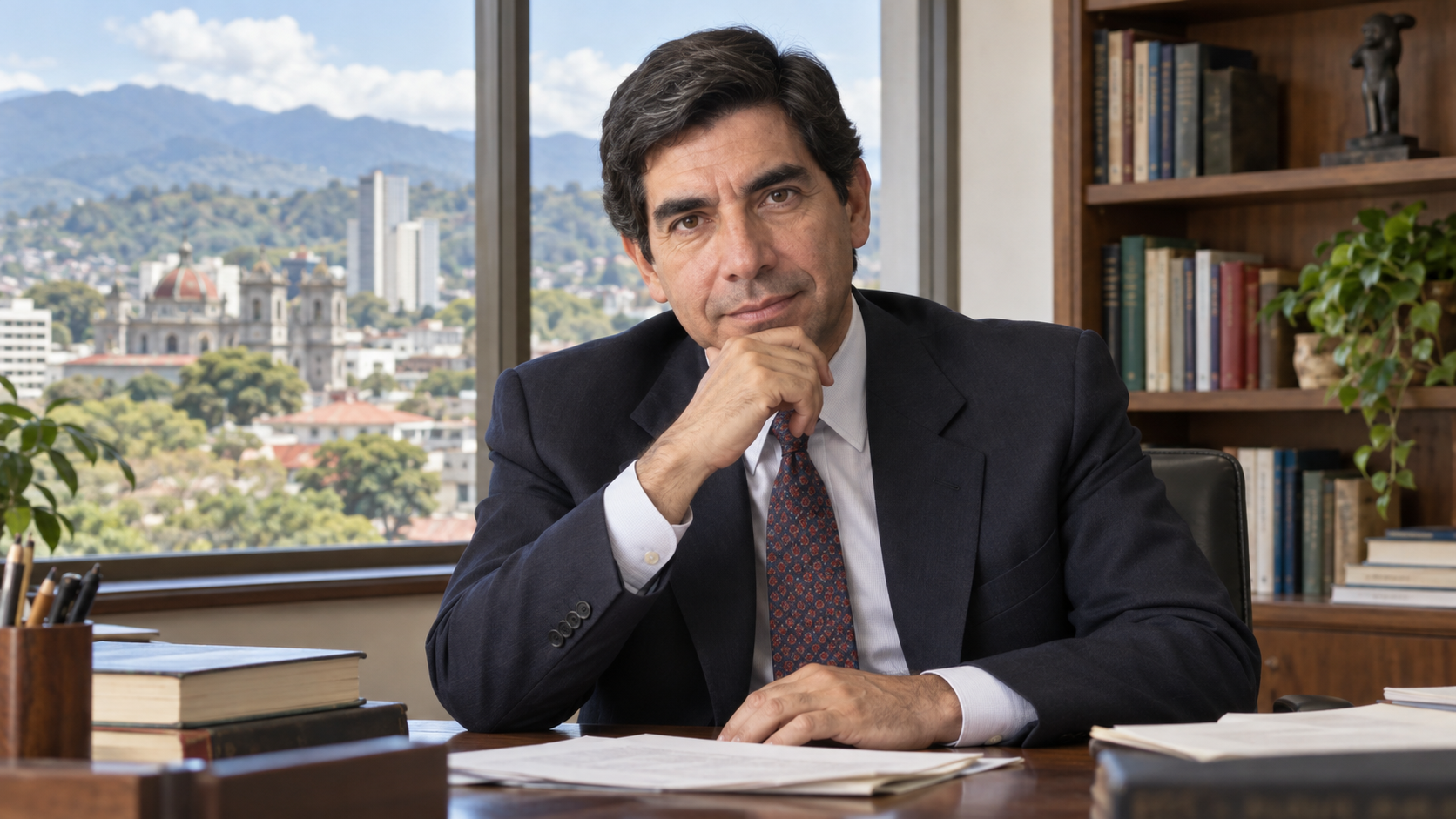
“My country is a country of teachers.”
Oscar Arias Sánchez used this sentence in his Nobel lecture on December 11, 1987. Costa Rica’s president spoke about peace, development, and his country’s public priorities. In the passage surrounding the quotation, he connected education with a culture of dialogue and emphasized Costa Rica’s decision to abolish its army. The line is a description of national identity offered as a political argument. A country of teachers is one that imagines its future through learning and participation, and asks public institutions to make that imagination tangible.
The image of a teacher suggests a particular way of approaching disagreement. Education works best when people are able to ask questions, examine reasons, and revise an understanding. Those habits can also improve democratic politics. An opponent becomes someone whose argument must be answered, and a difficult problem becomes something that can be studied together. The quotation does not imply that education removes every conflict. It points toward a public culture in which persuasion has value and knowledge can be shared. Schools can help develop that culture, but public officials, institutions, and citizens have to sustain it in their own conduct.
There is also a question of resources. A government’s priorities become visible through what it funds, which services it makes accessible, and whose needs it considers urgent. Describing a country through its teachers places education near the center of that judgment. Readers can ask whether classrooms are adequately supported, whether children face barriers to attending, and whether learning opportunities extend beyond people who already have advantages. Such questions make the political claim concrete. They also prevent the quotation from becoming a comforting slogan. An educational identity must be supported by decisions that let people actually experience the opportunities the identity promises.
Arias’s words remain relevant because they invite a discussion about what a society chooses to celebrate and reproduce. Nations often describe themselves through power, wealth, or competition. A description centered on teachers highlights the people who help others develop their capabilities. It also directs attention toward time: education produces benefits through patient work whose results may appear well beyond an electoral term. That makes it a test of political commitment to a shared future. The quotation asks citizens to consider whether the institutions they support make learning, reasoning, and cooperation more available. A society’s public identity becomes persuasive when its everyday choices give people grounds to believe in it. Those choices determine whether the description serves as a real guide to public life.
The quotation comes from Arias’s 1987 Nobel lecture, which linked Costa Rica’s public priorities with peace and development.
The surrounding passage praised education and described the country’s abolition of its army as part of that identity.
A country of teachers suggests a culture that values learning, persuasion, and the development of human capabilities.
The statement should be examined through resources and access, rather than accepted as a guarantee that educational inequalities have disappeared.
School funding, participation, and opportunities to learn give practical meaning to an identity centered on education.
The quotation encourages a longer view of public investment, since the benefits of teaching often extend beyond an election cycle.
Explore more "Quotes of The Day"
Discover more notable quotes from influential voices across politics, science, business, technology, sports, and culture. Each quote offers insight into how ideas, beliefs, and decisions shape the world around us.