

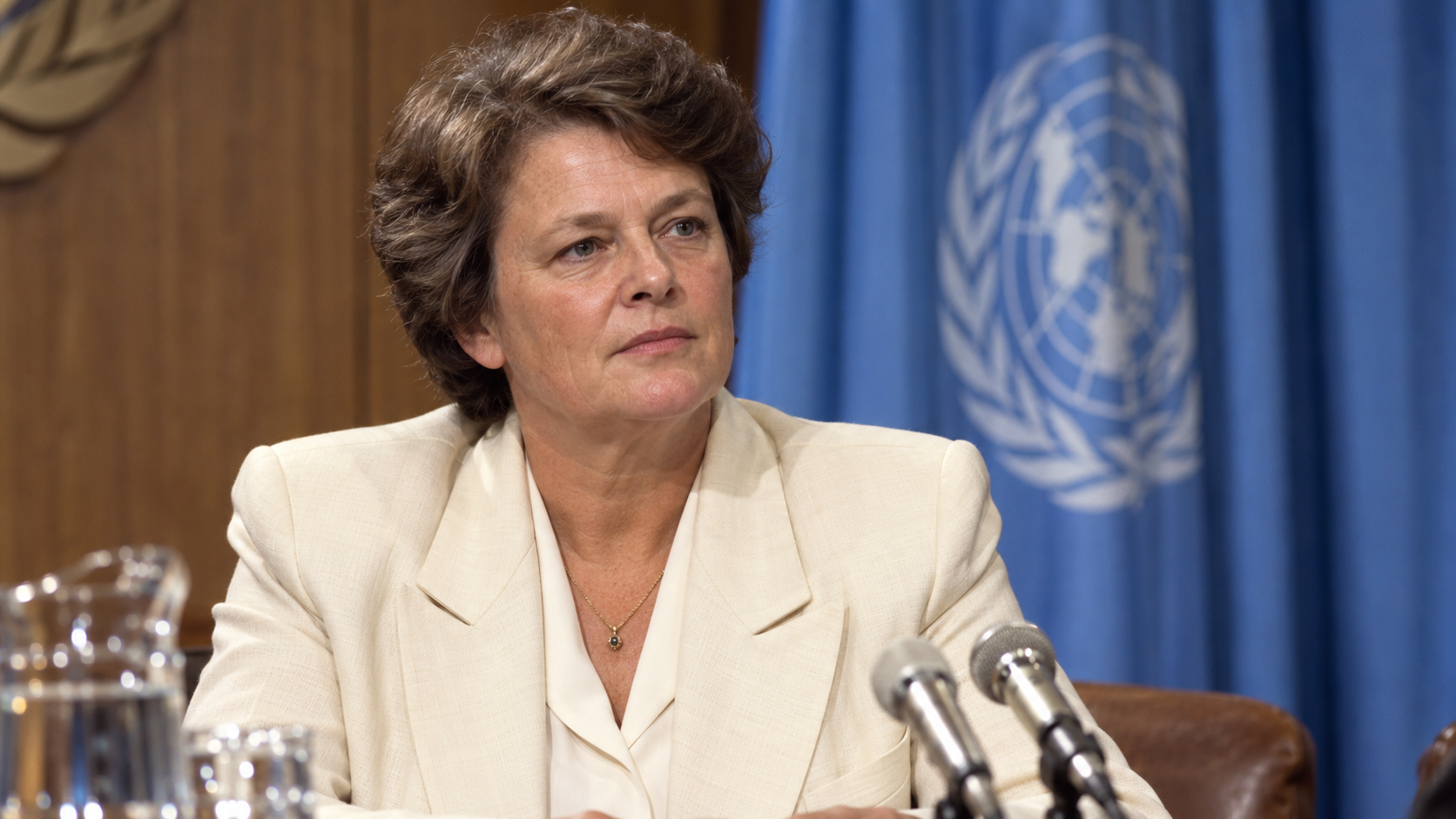
“the “environment” is where we all live”
Gro Harlem Brundtland used the words above in her foreword to Our Common Future, the 1987 report of the World Commission on Environment and Development. The short excerpt comes from a sentence that goes on to connect the environment with the work people undertake to improve their lives. Her point was that these concerns cannot sensibly be separated. Calling the environment the place where everyone lives shifts attention from a specialized policy subject to the conditions of daily existence. Water, land, air, homes, and workplaces belong within the same discussion as opportunity, health, and economic progress.
The report challenged a political division in which environmental questions appeared to concern one set of people while development concerned another. That division can conceal how closely the outcomes interact. A new enterprise may provide employment while also changing the water available to neighboring households. A transport system can expand access to work and influence the air people breathe. Brundtland’s foreword asks readers to see these relationships together. It does not declare that every improvement must stop or that every project deserves approval. It changes the questions used to judge improvement: whose living conditions become better, whose become worse, and whether gains can endure.
This way of thinking has practical consequences for public decisions. If environmental damage is treated as external to development, an apparent success may transfer costs to other communities or later generations. Conversely, a proposal described only as conservation can miss the immediate needs of people seeking secure livelihoods. Bringing the two concerns into one frame encourages decision makers to examine alternatives, listen to affected residents, and explain tradeoffs plainly. For example, the design of housing can be assessed through affordability, access, resource use, and exposure to hazards together. Such an assessment is a contemporary application of the foreword’s idea, not a specific plan written by Brundtland.
The quote remains useful because it makes belonging more concrete. People do not stand outside environmental conditions while debating them; they experience those conditions through ordinary activities and unequal circumstances. A shared home does not mean everyone enjoys the same resources or carries the same burden. Recognizing those differences is part of judging policy honestly. The report’s ambition should therefore be read as a framework for responsibility rather than proof that a particular government or project has fulfilled it. Public progress becomes more credible when its benefits, environmental effects, and lasting consequences are considered within the same account of how people live.
The excerpt appears in Brundtland’s foreword to the World Commission’s 1987 report Our Common Future. It retains the original lowercase wording and quotation marks around environment.
The surrounding sentence joins environmental conditions to people’s efforts to improve their lives; the excerpt should be read within that connection.
Environmental protection and development affect the same households and communities. Treating them as unrelated can hide important costs.
The argument invites a broader measure of progress, including who benefits and whether those benefits can last.
Housing or transport decisions can be examined through livelihoods and environmental effects together. These are current applications of the idea.
Residents facing the consequences should have a meaningful voice when alternatives and burdens are evaluated.
Explore more "Quotes of The Day"
Discover more notable quotes from influential voices across politics, science, business, technology, sports, and culture. Each quote offers insight into how ideas, beliefs, and decisions shape the world around us.