

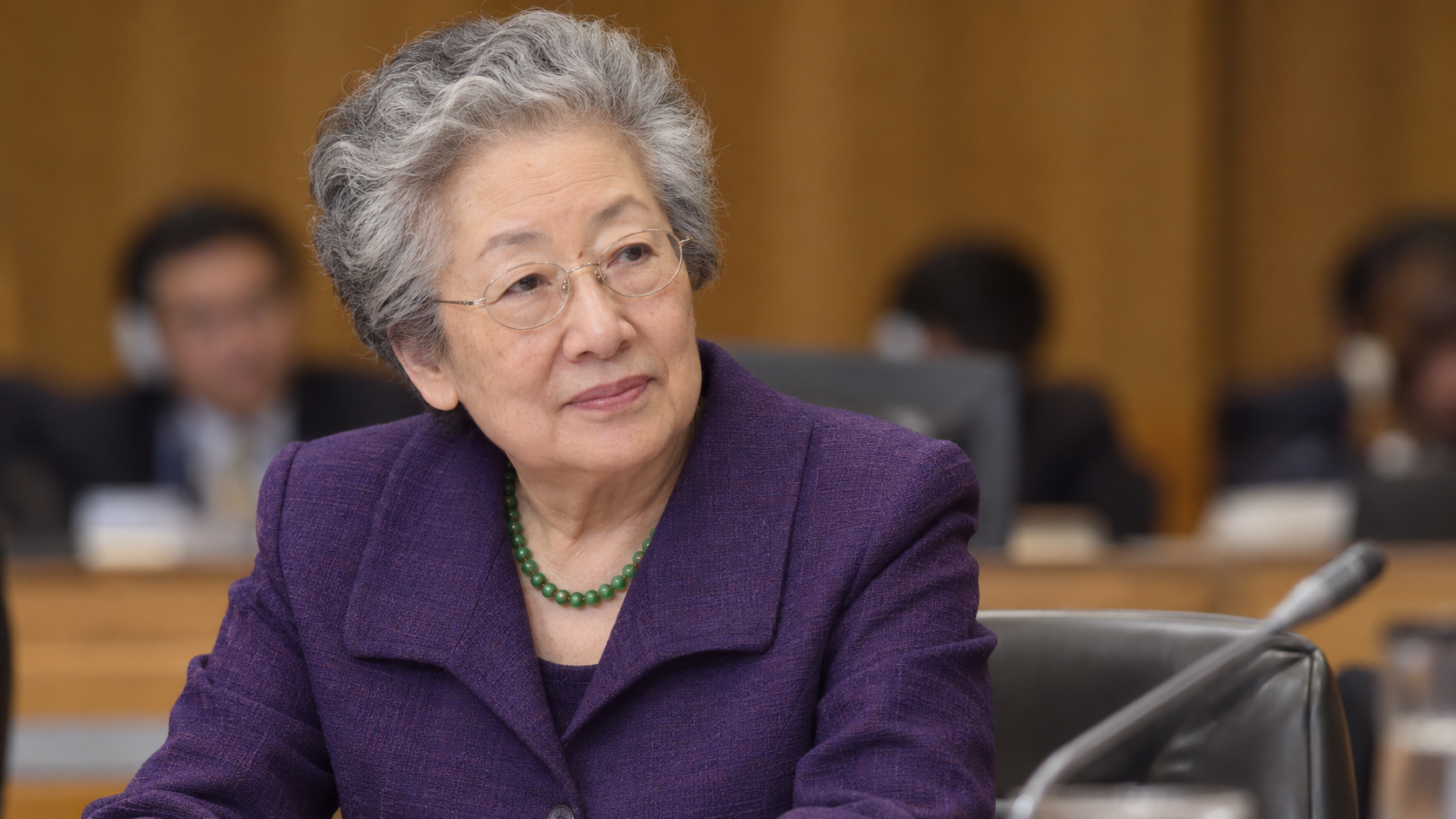
“There are no humanitarian solutions to humanitarian problems.”
Sadako Ogata made the statement above at a Geneva discussion in May 2005, as reported by the United Nations refugee agency. The former High Commissioner for Refugees was discussing the political will required to address refugee crises. Read without context, the wording might sound dismissive of humanitarian work. Her explanation makes the meaning different: relief cannot by itself settle the political conflicts and failures that drive people from their homes. Food, shelter, and protection remain essential. The warning concerns the limits placed on those efforts when the actors capable of changing underlying conditions do not act.
Ogata’s experience drew attention to a gap between responding to immediate suffering and securing a durable future. Humanitarian agencies can help people survive while negotiations fail, violence continues, or displacement becomes prolonged. That work creates room for action, but it cannot automatically create the agreement or security needed for a lasting resolution. In her later writing on human security, Ogata again connected humanitarian problems with their political origins. The 2005 date identifies the documented Geneva remarks used here, rather than asserting that she first formulated the thought that year. Its force comes from distinguishing responsibilities that can overlap without becoming interchangeable.
For public debate, the quote offers a test of whether governments are asking aid to substitute for policy. Announcing support can be valuable, yet leave unanswered what will change the situation producing repeated need. A serious response should explain both how people will be helped now and how political efforts will address the causes of their insecurity. That does not imply a quick settlement is always available or that assistance should wait for one. It asks leaders to acknowledge the separate work involved. Humanitarian professionals should not be blamed for failing to deliver outcomes that depend on decisions made by political authorities.
The statement also cautions against measuring concern only through the visible delivery of supplies. People experiencing displacement need more than temporary survival; they need opportunities to recover agency and make decisions about their lives. Whether a particular solution is workable requires attention to their circumstances and voices. Ogata’s words are not a universal recipe for resolving every conflict. They identify a recurring failure of responsibility: expecting those who relieve suffering to remove its political causes on their own. The constructive reading is therefore twofold. Sustain necessary assistance, and demand a credible account of the political work that can make continual emergency relief less necessary.
UNHCR reported these words during a Geneva panel in May 2005 involving its former High Commissioner, Sadako Ogata. The date refers to those documented remarks.
Her later UN essay also explains the political origins of humanitarian crises and the need to connect relief with broader action.
The quote does not reject humanitarian assistance. It argues that assistance alone cannot resolve causes requiring political decisions.
Emergency support and durable solutions involve related but distinct responsibilities, which should not be confused.
A public response can explain what protects people immediately and what efforts address the conditions that displaced them.
People receiving assistance should be heard as participants with choices, rather than treated only as recipients of emergency supplies.
Explore more "Quotes of The Day"
Discover more notable quotes from influential voices across politics, science, business, technology, sports, and culture. Each quote offers insight into how ideas, beliefs, and decisions shape the world around us.