

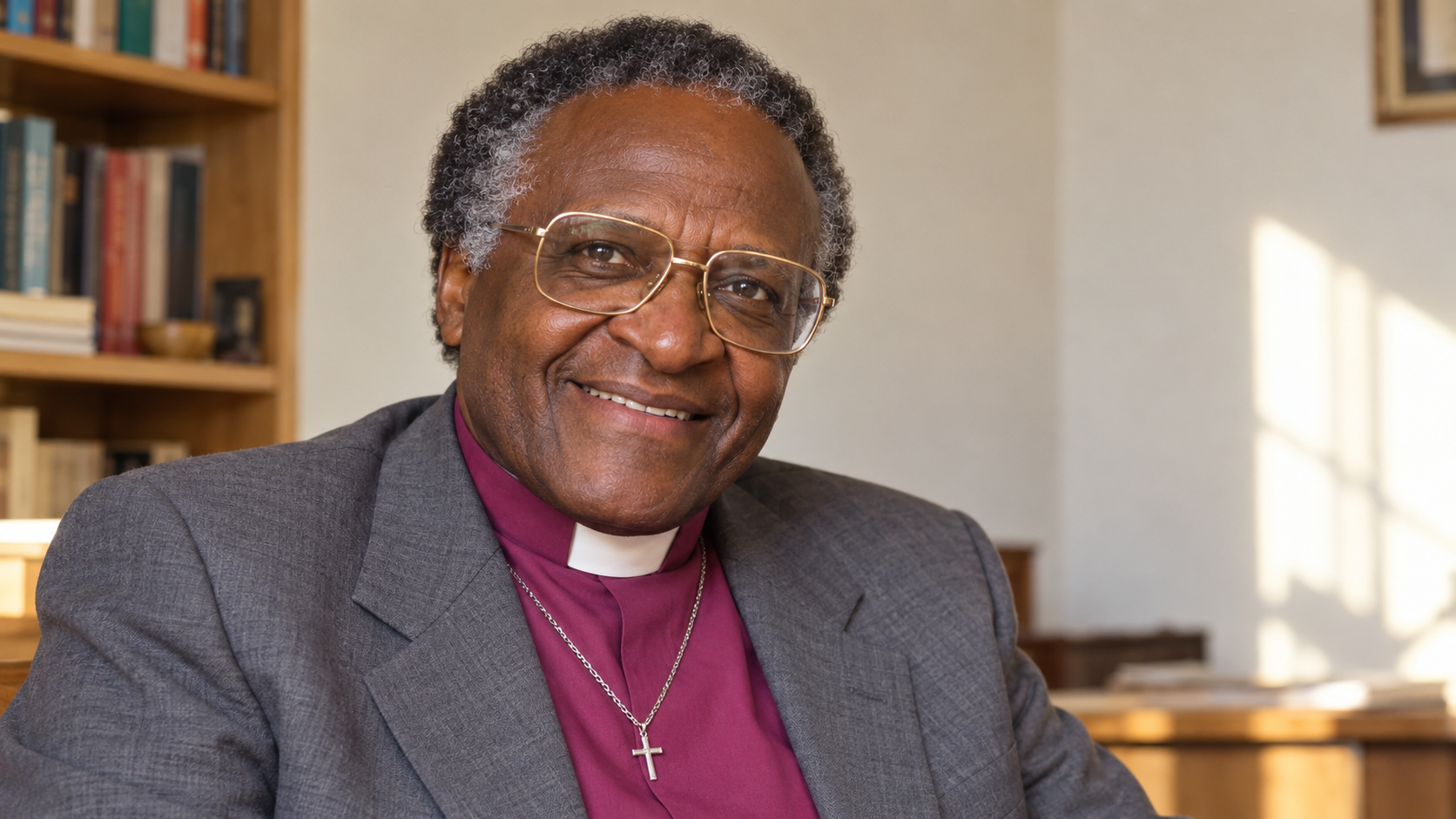
“In dehumanizing others, they are themselves dehumanized.”
Desmond Tutu made this statement in his Nobel lecture on December 11, 1984. It appeared within a Christian argument against apartheid and for the equal worth of human beings. After describing the injuries imposed by that system, he considered what oppression did to those who practiced it. The sentence identifies a moral consequence: treating another person as less than human also diminishes the humanity of the person doing the treating. Tutu was not setting aside the suffering of the oppressed. He was extending his indictment to the relationships and habits that allowed a society to maintain such a system.
Dehumanization can turn an individual into a category to be managed, excluded, or discarded. The person’s needs, judgment, and relationships become easier to ignore. Tutu’s lecture connected that process with concrete restrictions on family life, movement, education, and political participation. Those examples showed that the concern went beyond insulting language. Rules and institutions could deny the significance of people’s lives while presenting the denial as normal administration. The quotation challenges the moral distance that makes such practices possible. It asks what happens to a person’s capacity for recognition and responsibility when another person’s humanity is deliberately pushed out of view.
Tutu’s language also reflected his belief that people are made for fellowship and interdependence. Within that religious framework, humanity is expressed through relationships rather than secured by an isolated claim to superiority. Oppression damages those relationships. That argument should not become an assertion that oppressors and the oppressed bear identical injuries or responsibilities. They occupy profoundly unequal positions within the system he condemned. Nor does recognition of an oppressor’s humanity remove accountability. The passage points toward a different possibility: resisting an unjust arrangement without accepting its premise that some people fall outside the circle of human concern. Responsibility for harm remains part of that concern.
The sentence offers a question for the language and procedures of public life. Does an argument address what someone has done, or does it imply that the person belongs to a lesser kind of being? Do administrative decisions leave room to recognize the people whose lives they shape? These distinctions matter even where disagreement is intense and wrongdoing demands a firm response. Tutu’s formulation makes human dignity a constraint on the exercise of power. The political value of that constraint is not softness toward injustice. It is a refusal to build resistance, judgment, or government on the same denial of humanity that enables injustice in the first place.
The quotation comes from Tutu’s December 11, 1984 Nobel lecture. Its immediate setting is his Christian argument against apartheid and for human worth.
The lecture examined laws and everyday restrictions as well as moral language. Dehumanization was connected with institutions and their treatment of people.
Recognizing humanity does not make injuries or responsibilities equal. The oppressor and the oppressed occupy different positions within an unjust system.
Accountability remains necessary. A judgment about conduct need not rely on a claim that the person judged is less than human.
Public language can be examined for the difference between criticizing an act and denying a person’s humanity. That difference affects how power is justified.
The passage connects dignity with relationships and responsibility. It asks whether institutions recognize the people whose lives their decisions shape.
Explore more "Quotes of The Day"
Discover more notable quotes from influential voices across politics, science, business, technology, sports, and culture. Each quote offers insight into how ideas, beliefs, and decisions shape the world around us.