

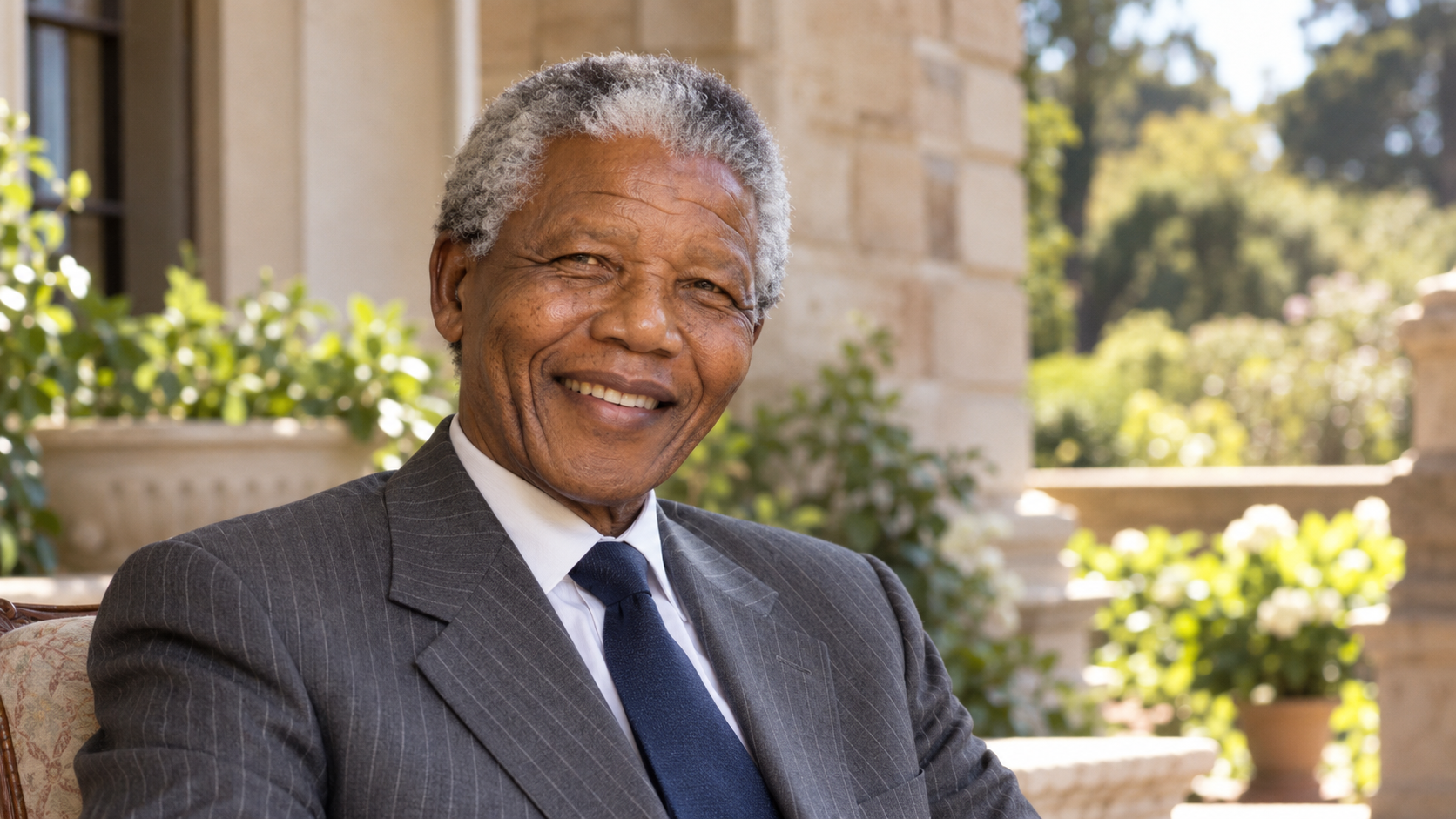
“We do not believe that this Nobel Peace Prize is intended as a commendation for matters that have happened and passed.”
Nelson Mandela spoke these words in his Nobel address on December 10, 1993. He shared the prize with F. W. de Klerk while South Africa was moving toward democratic elections and the end of white minority rule. The transition remained a task to be carried forward. In that setting, the sentence rejected an understanding of the award as a final judgment on completed history. Mandela heard in the recognition an appeal for further work. He connected the honor with the purposes that the struggle against apartheid had sought to establish, rather than treating the ceremony as evidence that those purposes had already been fulfilled.
The distinction between recognition and completion gives the quotation its political importance. An award can acknowledge a contribution, encourage an effort, and draw attention to a cause. It cannot by itself create accountable government or improve the conditions of everyday life. Mandela’s surrounding remarks named democracy, justice, peace, equality, and well-being as matters to demonstrate in practice. Those ambitions required decisions and institutions beyond the ceremonial moment. The statement made the prize a source of obligation. It invited judgment of what would follow, leaving the recipients answerable to the people and principles that had given the honor its significance in the first place.
Earlier in the address, Mandela had emphasized the many people within and beyond South Africa who contributed to the struggle. He also described human welfare as a measure of the reward that change should bring. These themes resist a story in which two celebrated leaders alone complete a nation’s transformation. Recognition can concentrate attention on individuals, while political progress depends on broader participation and sustained work. The quotation brings that tension into view. Its plural voice links an honored moment with a collective responsibility, though it does not erase disagreement about leadership or the difficult choices involved in building a new political order.
The passage remains useful when a government, movement, or institution celebrates a milestone. What purpose did the achievement serve, and what conditions would show that purpose becoming real? Who continues to face exclusion or hardship after the ceremony? How can the next decisions be examined by the people they affect? These questions do not diminish the work already accomplished. They make its meaning more demanding. Mandela’s formulation treats acknowledgment as an invitation to continue, with practical results supplying the measure. Political recognition has greater value when it strengthens commitment to the public good and leaves room for scrutiny of promises that have still to be carried out.
Mandela delivered the address in December 1993, before South Africa’s democratic election of 1994. The award occurred during a transition rather than after every task was complete.
He interpreted the Nobel recognition as an appeal for further work. The surrounding passage names values that must be demonstrated in practice.
Recognition can encourage an effort but cannot perform its obligations. Institutions and everyday conditions remain appropriate measures of political progress.
The address acknowledged a broad struggle involving many people. Concentrated public honors should not obscure that collective contribution.
A milestone can be assessed by asking which promises remain and whose lives still show unmet needs. Those questions connect celebration with accountability.
Continuing scrutiny preserves the purpose of an achievement. The quotation invites further commitment rather than a final claim that history’s work is finished.
Explore more "Quotes of The Day"
Discover more notable quotes from influential voices across politics, science, business, technology, sports, and culture. Each quote offers insight into how ideas, beliefs, and decisions shape the world around us.