

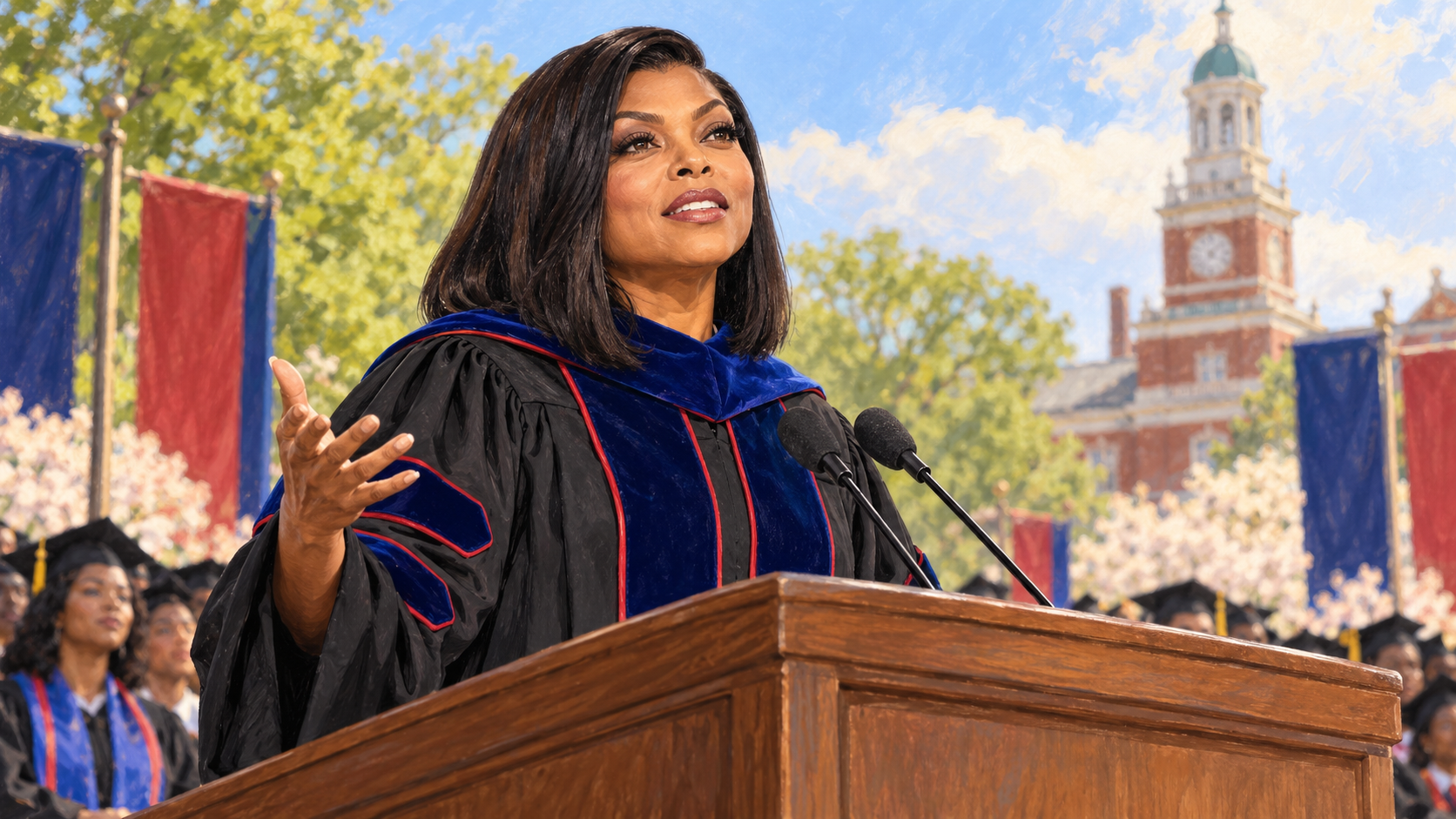
“I decided that I would allow hope, not hurt, shape my work.”
Taraji P. Henson delivered this line at Howard University’s 2022 commencement while recounting the making of The Curious Case of Benjamin Button. She described grieving her father, receiving far less pay than major co-stars, and facing the practical reality that a headline fee would shrink substantially after taxes and professional expenses. Anger and hurt were justified responses. Her decision was not to deny them, but to keep them from determining the depth of Queenie, the character she had been entrusted to portray.
Hope in this sentence is an artistic discipline rather than passive optimism. Henson researched, prepared, and built Queenie as a three-dimensional woman whose love and strength honored ancestors living within the constraints of the Jim Crow South. The performance became both craft and testimony. Popular culture often asks underestimated artists to work inside unequal systems; Henson’s account shows how a performer can insist on the humanity of a role even when the surrounding deal fails to recognize the performer’s full value.
Choosing hope must not become an excuse for underpayment or a demand that workers transform exploitation into inspirational content. Hurt contains evidence about a system, and anger can motivate negotiation, organizing, and reform. Henson has continued to speak publicly about pay inequity, demonstrating that emotional resilience and structural criticism can coexist. The useful distinction is between refusing to let injury diminish the work and pretending the injury did not occur. Hope should preserve agency, not protect institutions from accountability.
When disappointment enters a project, divide the response into two tracks. First, document the material problem—pay, credit, access, treatment—and pursue the remedy with evidence and allies. Second, decide which values will remain visible in the work despite that conflict. Henson’s story does not ask anyone to be grateful for inequity. It shows a creator protecting the meaning of her performance while naming the conditions around it. Hope shapes the work most honestly when it strengthens the person seeking change rather than making unfairness easier for others to ignore. Mentorship can help keep those tracks from collapsing into each other. A trusted colleague may preserve perspective, confirm that the concern is real, and help plan a response that protects both craft and livelihood. Hope becomes collective when people refuse to let one worker carry the entire cost of speaking. The completed performance can then hold two truths at once: pride in what was made and a clear record of what must be different next time.
Henson spoke at Howard University’s 2022 commencement. She recalled grieving her father and being paid far less than major co-stars while preparing to play Queenie in The Curious Case of Benjamin Button.
The statement followed her account of anger at the final compensation she received. She chose to invest in the character’s full humanity rather than allowing the unequal deal to narrow her performance.
The line remains relevant to creative resilience and pay equity. Hope should not be used to excuse exploitation; it can sustain excellent work while hurt is documented and structural remedies are pursued.
Explore more "Quotes of The Day"
Discover more notable quotes from influential voices across politics, science, business, technology, sports, and culture. Each quote offers insight into how ideas, beliefs, and decisions shape the world around us.