Conspiracy Theories
Conspiracy theories can spread quickly and shape public views, especially during crises. Understanding how they emerge and why people believe them helps journalists respond responsibly and maintain trust.

Don't Just Read it – Explore It
Conspiracy theories can spread quickly and shape public views, especially during crises. Understanding how they emerge and why people believe them helps journalists respond responsibly and maintain trust.
Conflicts of interest can shape news coverage in subtle ways. Understanding them helps audiences judge credibility and hold journalism to high standards.
Community reporting puts local people at the center of news gathering and storytelling. It focuses on everyday issues, neighborhood voices, and shared problem-solving rather than just official agendas.
In journalism, communication is more than delivering facts — it’s ensuring audiences clearly understand what’s happening and why it matters.
Comment policies shape how people talk online. They define what’s allowed, how moderation works, and what happens when users cross the line—helping communities stay open, civil, and safe.
Climate coverage is how news outlets explain the causes, impacts, and solutions to global warming. Done well, it connects data to daily life; done poorly, it confuses audiences or fuels denial.
Clickbait promises shocking, emotional or exclusive content to push you to click. This explainer breaks down how these headlines work, why publishers rely on them, and how you can tell the difference between engaging framing and outright manipulation.
Citizen journalism gives the public a direct role in documenting and sharing news. Smartphones, social platforms, and livestreams let ordinary people bring new voices and perspectives to coverage—especially during breaking events and crises—while raising important questions about accuracy and accountability.
Censorship shapes what audiences see, hear, and read. From state bans to platform takedowns and quiet editorial cuts, we explore how limiting information affects journalism, public debate, and democratic society.
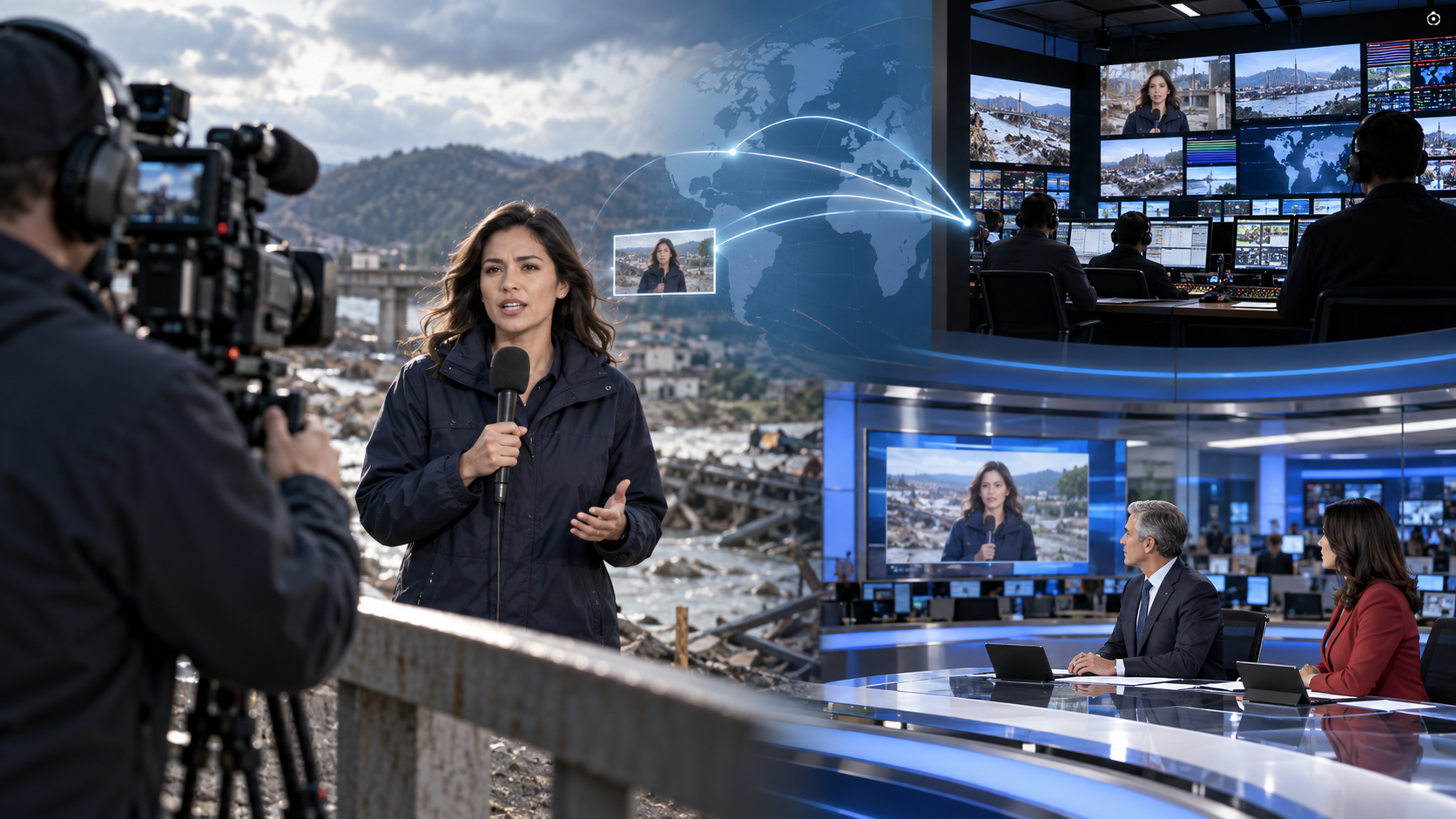
Broadcast journalism uses sound, images, and live reporting to deliver news on TV, radio, and streaming platforms. This explainer looks at how it works, its strengths, and its challenges.
Breaking news is the industry’s fastest, most high-stakes format, blending rapid reporting and incomplete information as journalists race to confirm facts while audiences watch events unfold in real time.
Bias in news isn’t only about loud opinions. It can hide in word choice, story selection, images, and sources. Understanding how bias works helps audiences read more critically.