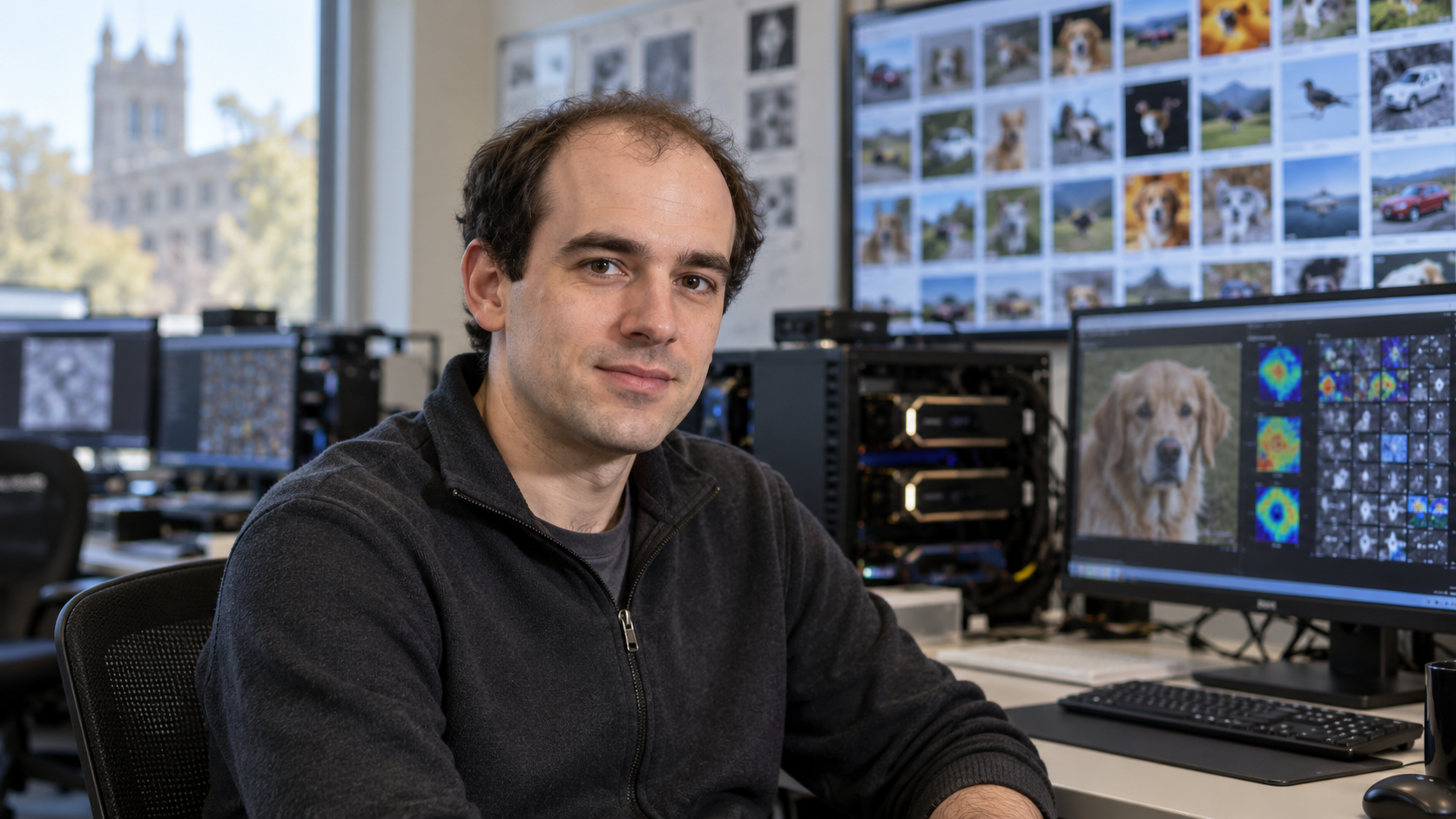
Alex Krizhevsky and colleagues, 2012
Alex Krizhevsky’s ImageNet breakthrough showed how deep convolutional networks, large datasets, and GPUs could transform visual recognition. for today’s AI systems.

Don't Just Read it – Explore It
Alex Krizhevsky’s ImageNet breakthrough showed how deep convolutional networks, large datasets, and GPUs could transform visual recognition. for today’s AI systems.
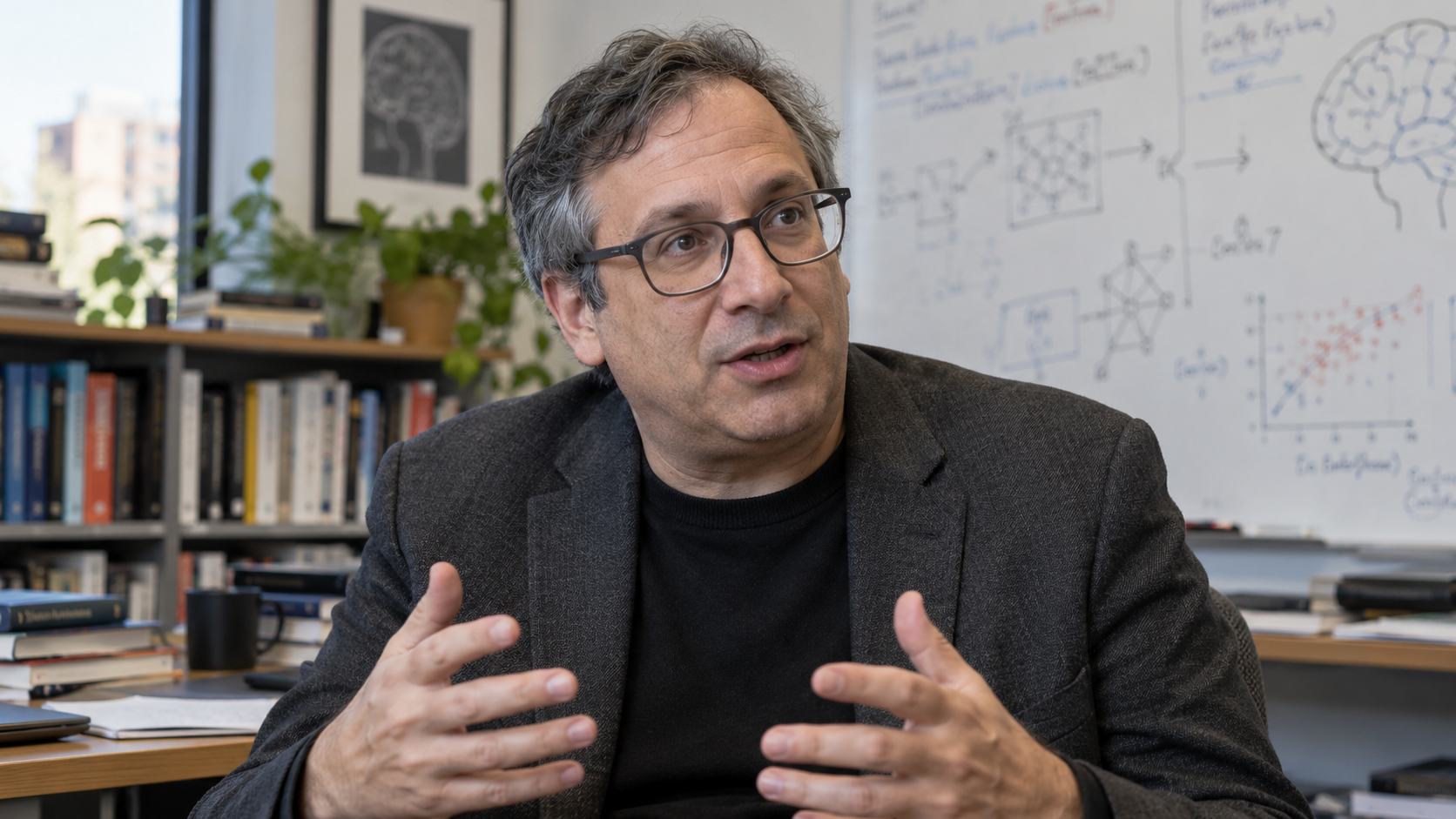
Gary Marcus argues that deep learning’s achievements do not remove the need for reasoning, abstraction, and additional methods.
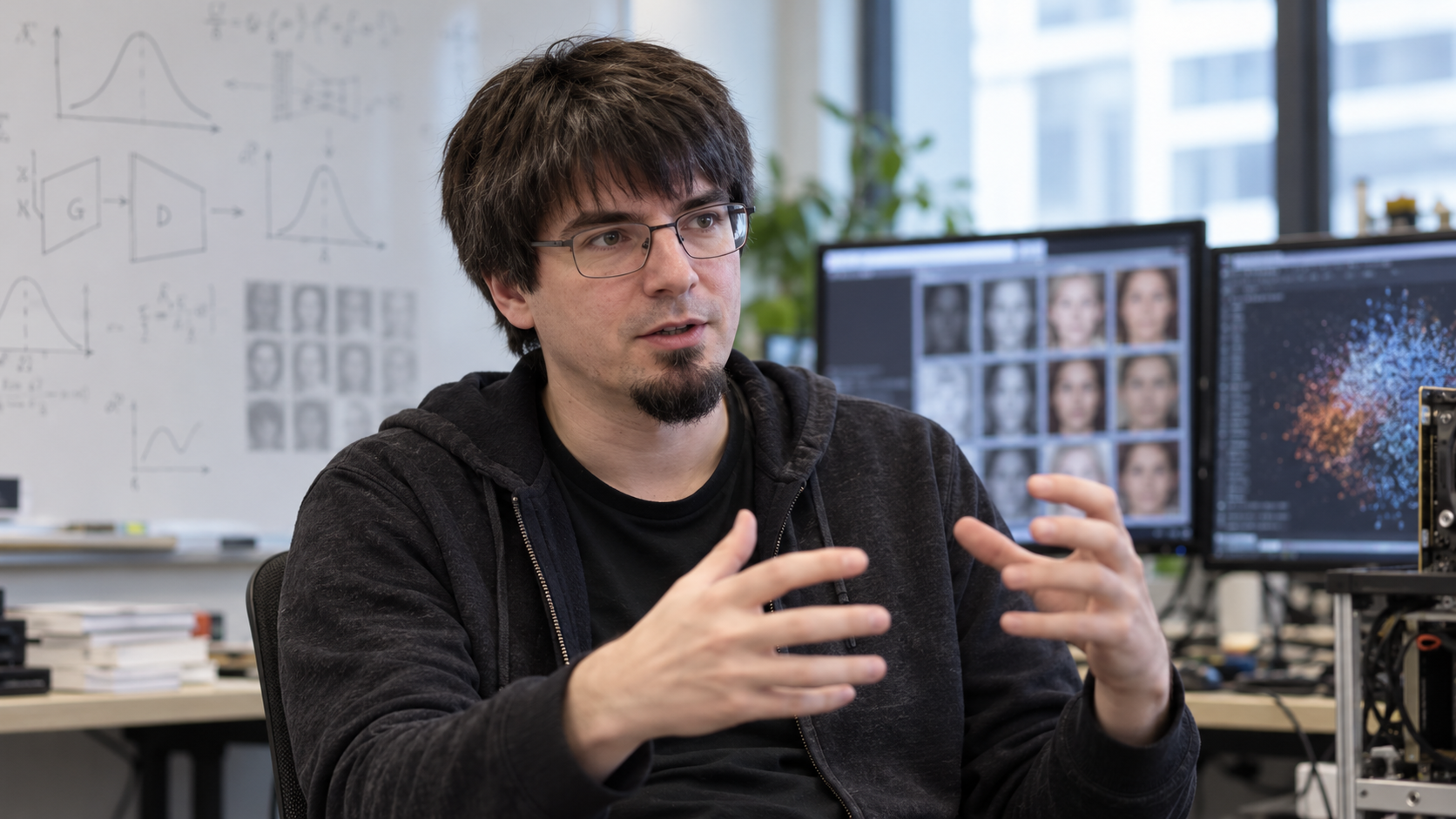
Ian Goodfellow’s 2014 paper introduced generative adversarial networks, turning competition between two models into a powerful way to learn. for today’s AI systems.
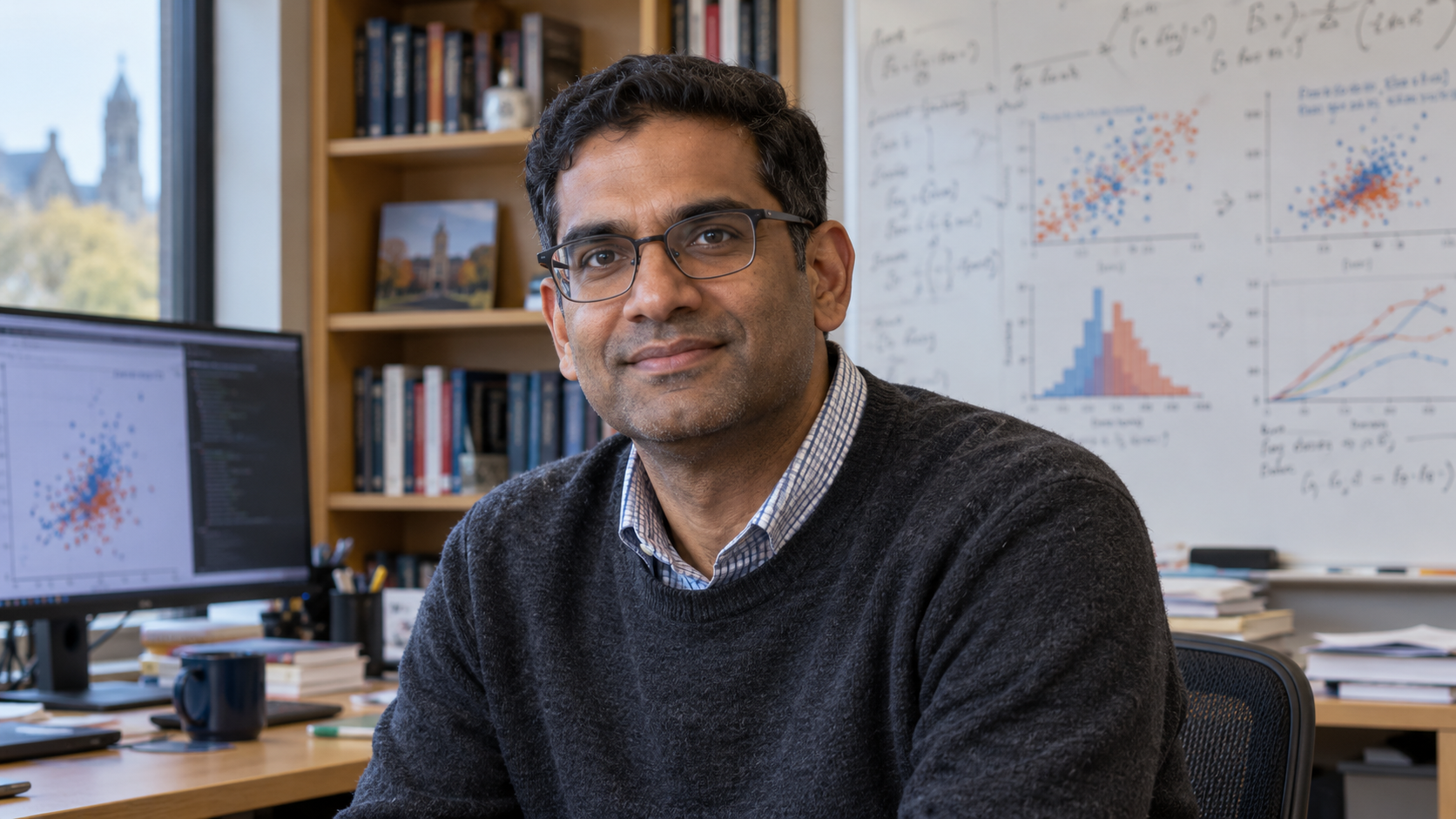
Arvind Narayanan distinguishes useful pattern recognition from unreliable claims that AI can foresee complex human outcomes.
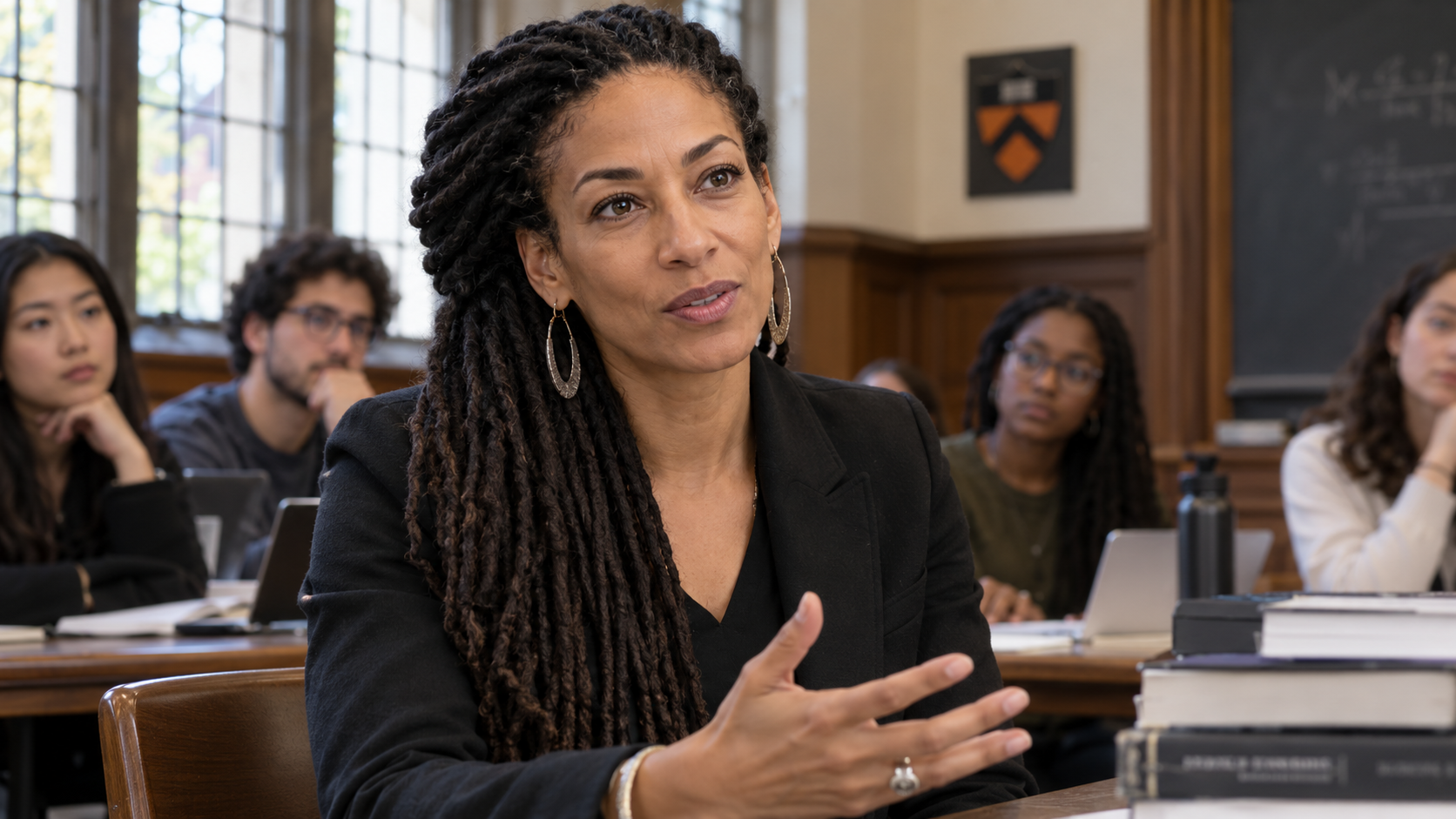
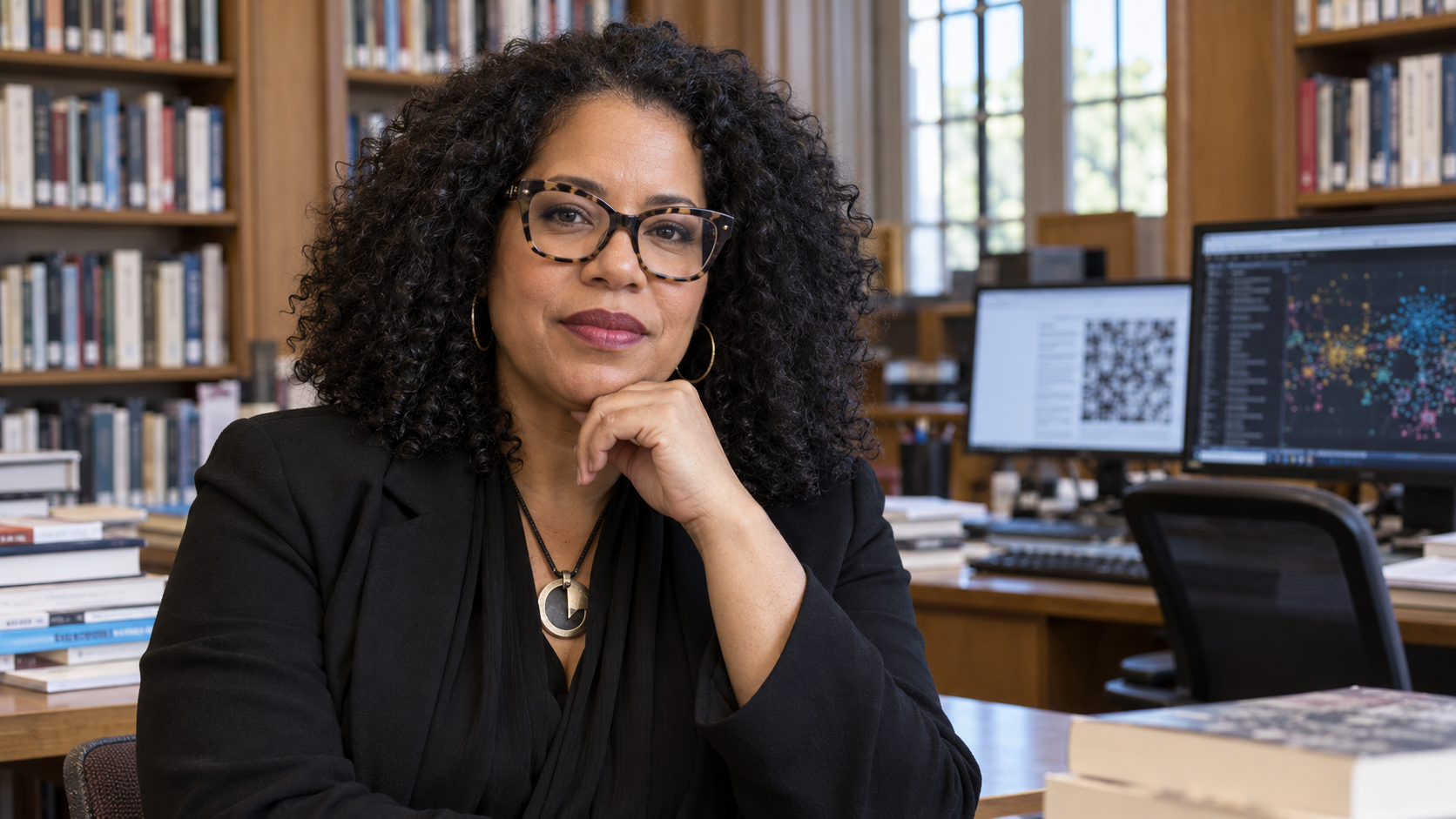
Ruha Benjamin warns that technological harm often grows from neglecting social reality, even without openly hostile intentions.
Virginia Eubanks warns that automation can intensify inequality when it is installed inside already unequal institutions.
Safiya Umoja Noble warns that digital inclusion is incomplete when automated systems can govern people without accountability or meaningful choice.
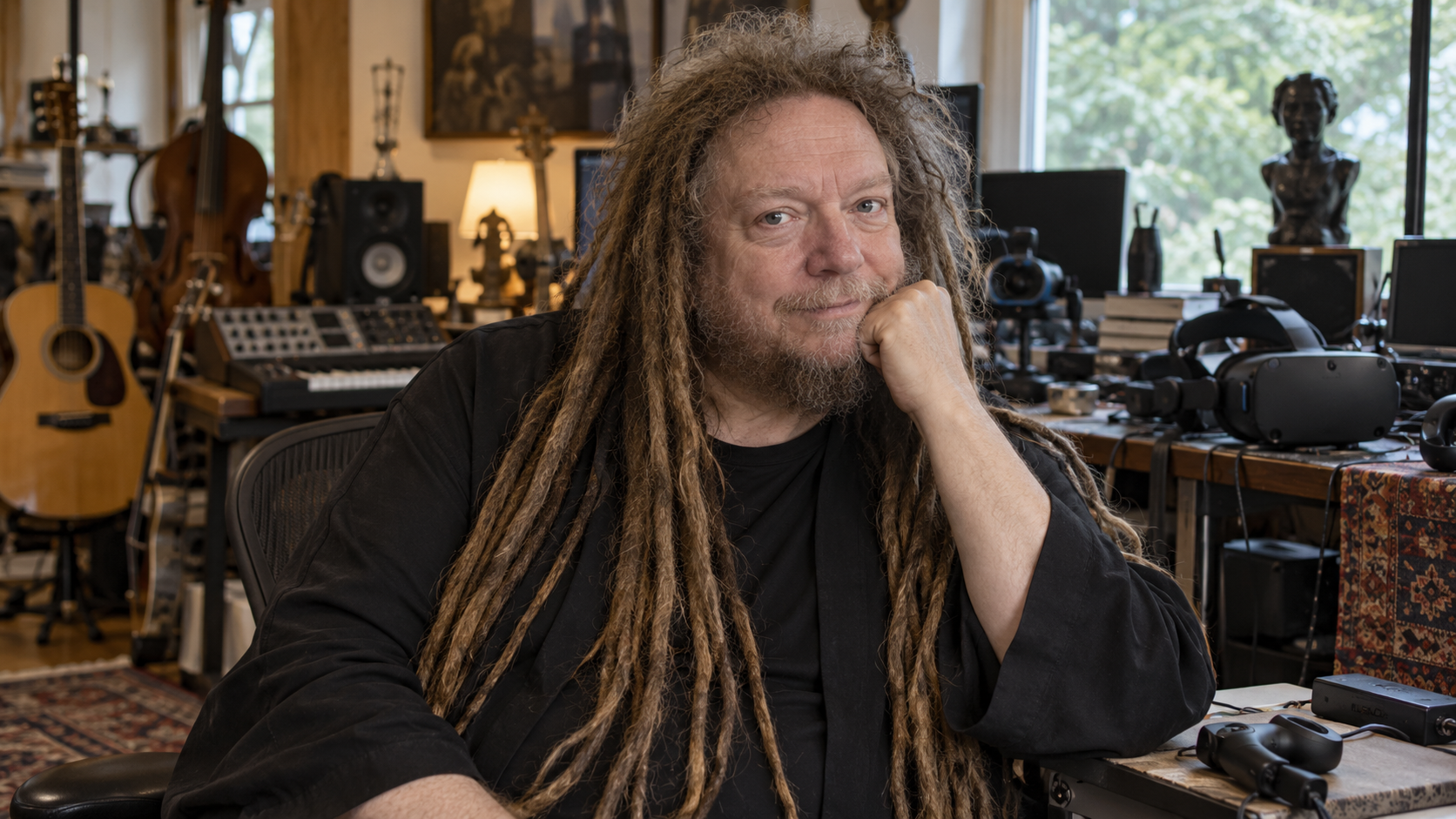
Jaron Lanier challenges the language of AI because it can conceal the human work, choices, and responsibility behind software.
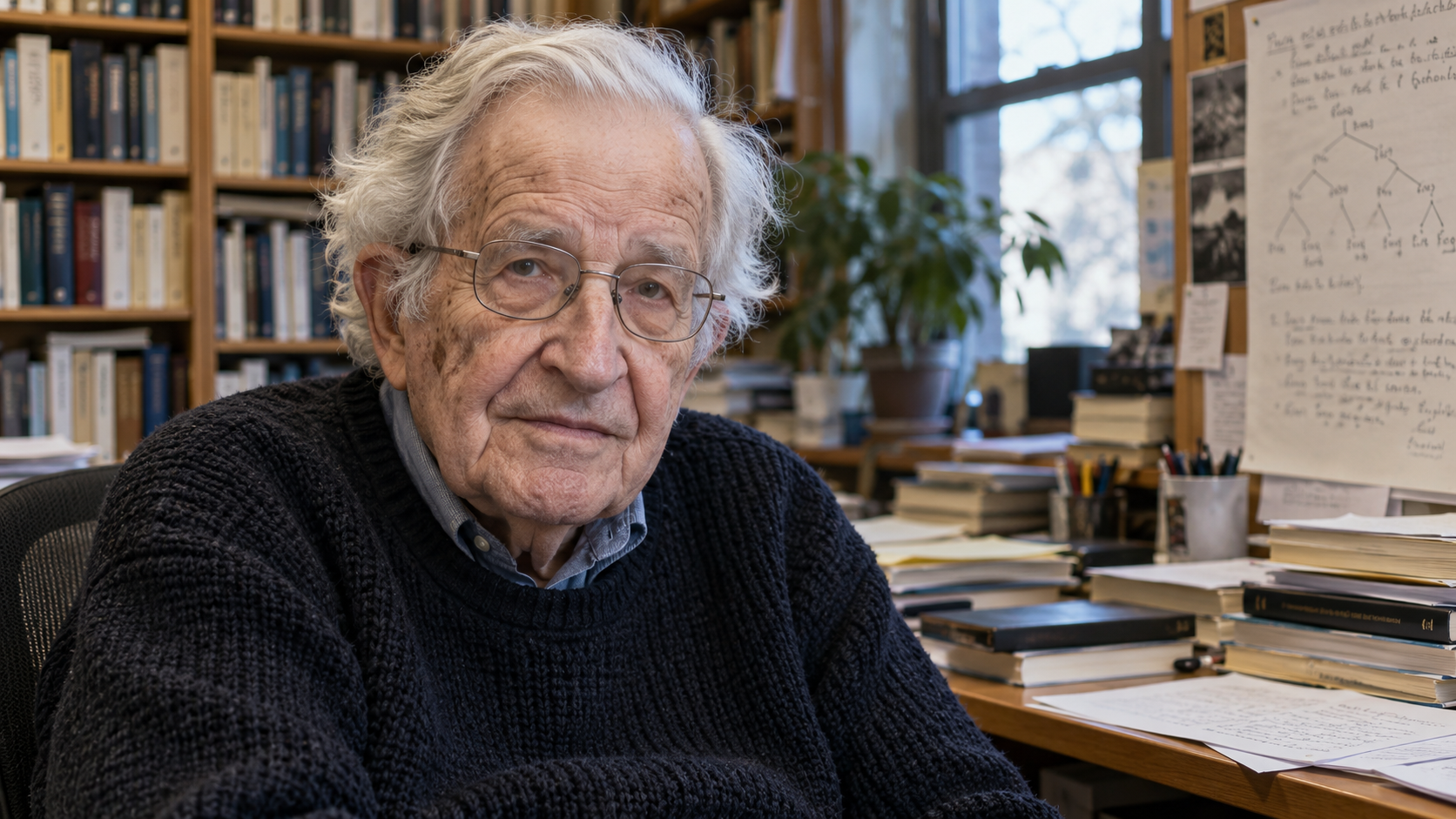
Chomsky, Roberts, and Watumull contrast statistical language generation with their account of human reasoning and explanation.
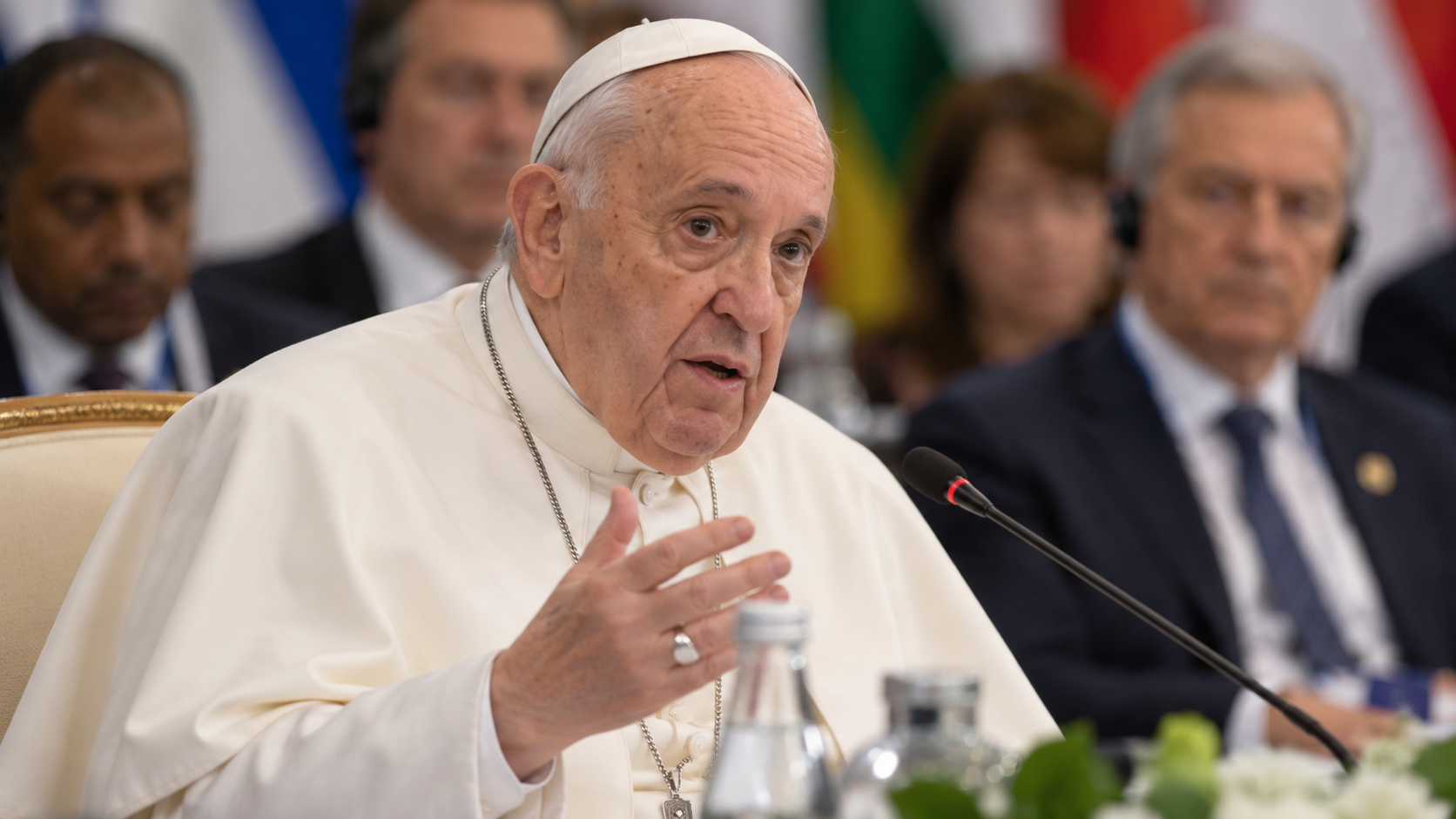
Pope Francis drew a firm moral boundary around autonomous weapons and the decision to use lethal force.
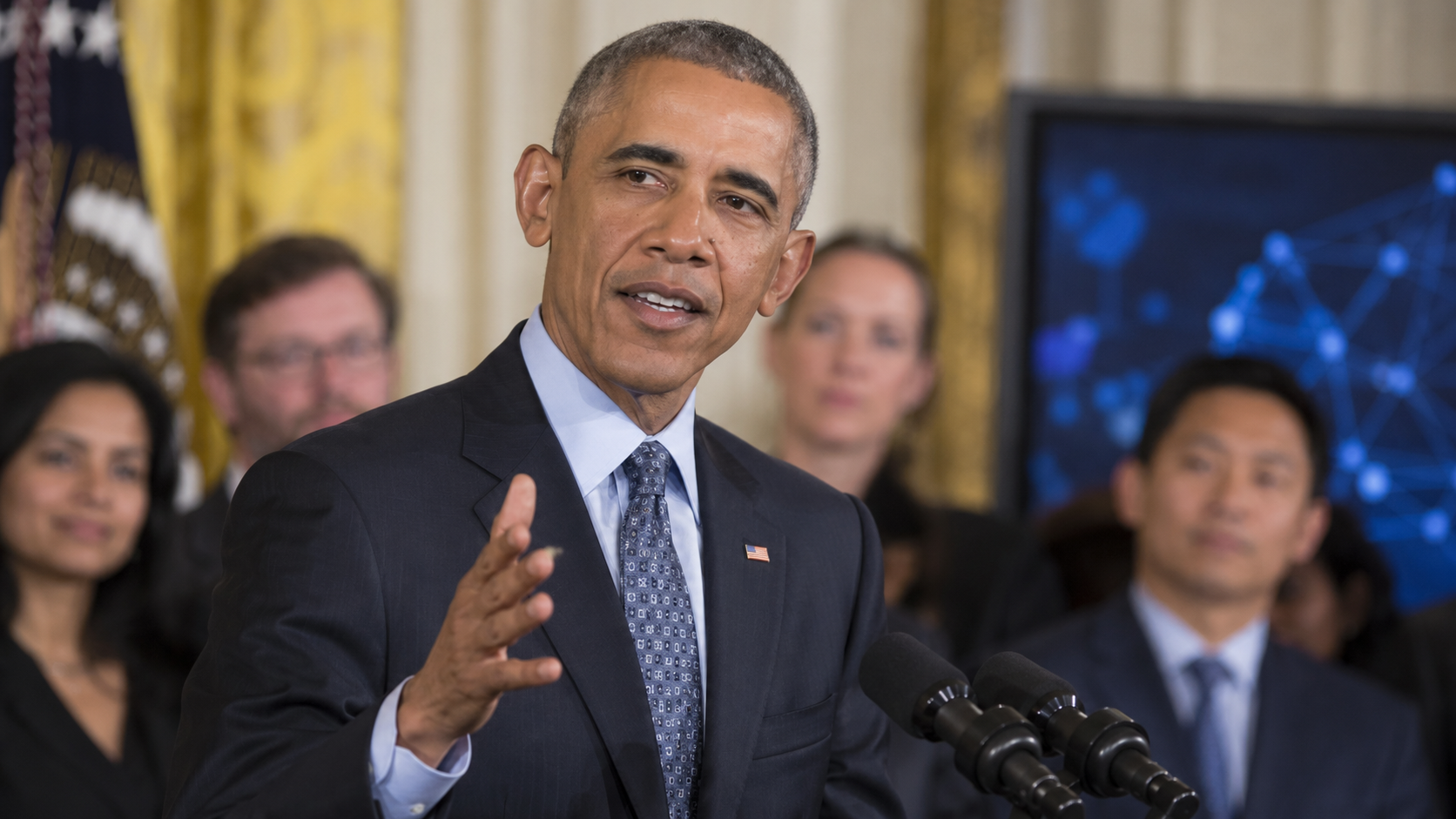
Barack Obama framed AI, robotics, and automation as public instruments whose value should be measured by broadly shared benefit.
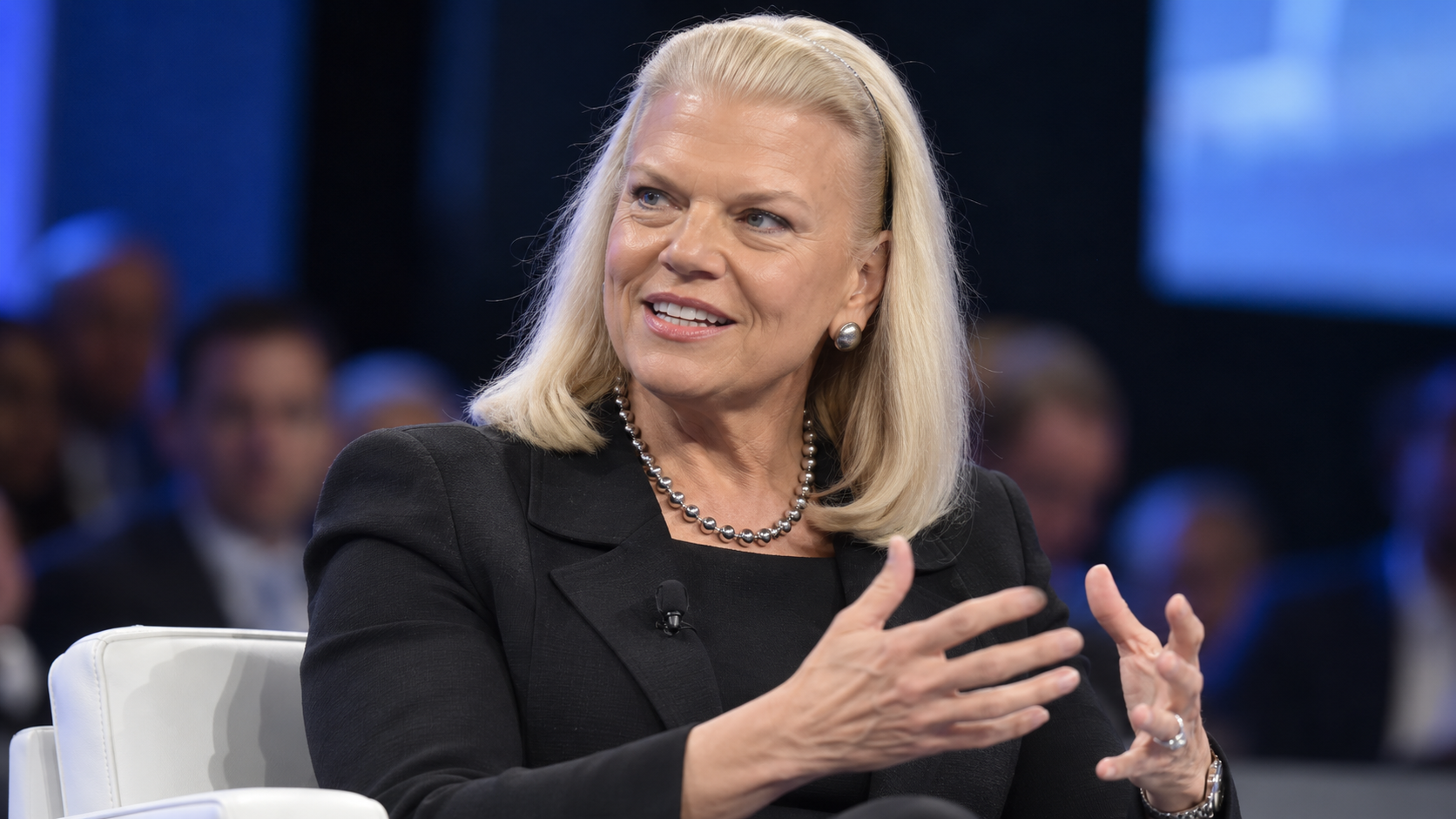
Ginni Rometty’s formulation makes augmentation—not imitation or replacement—the central purpose of artificial intelligence.