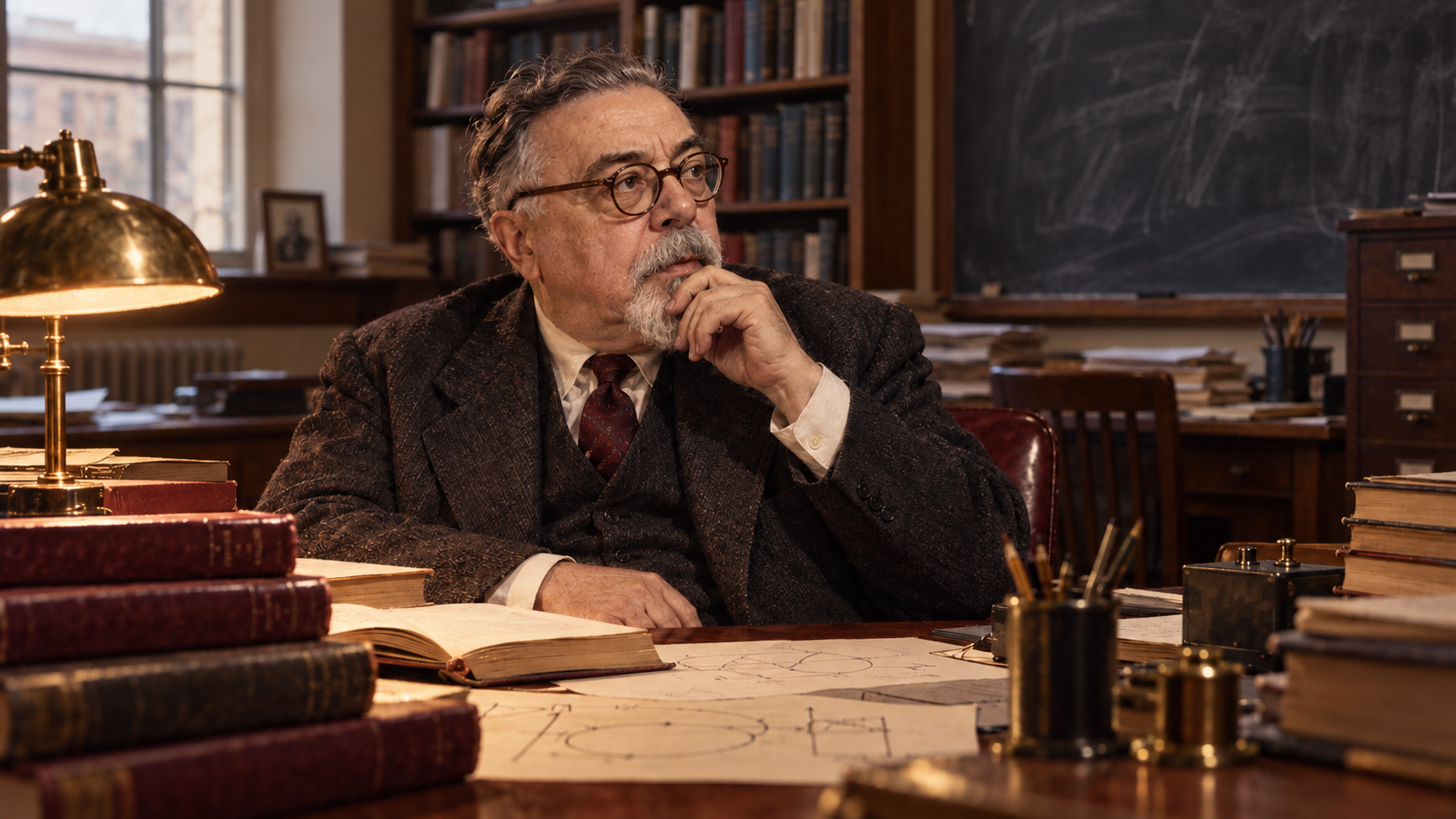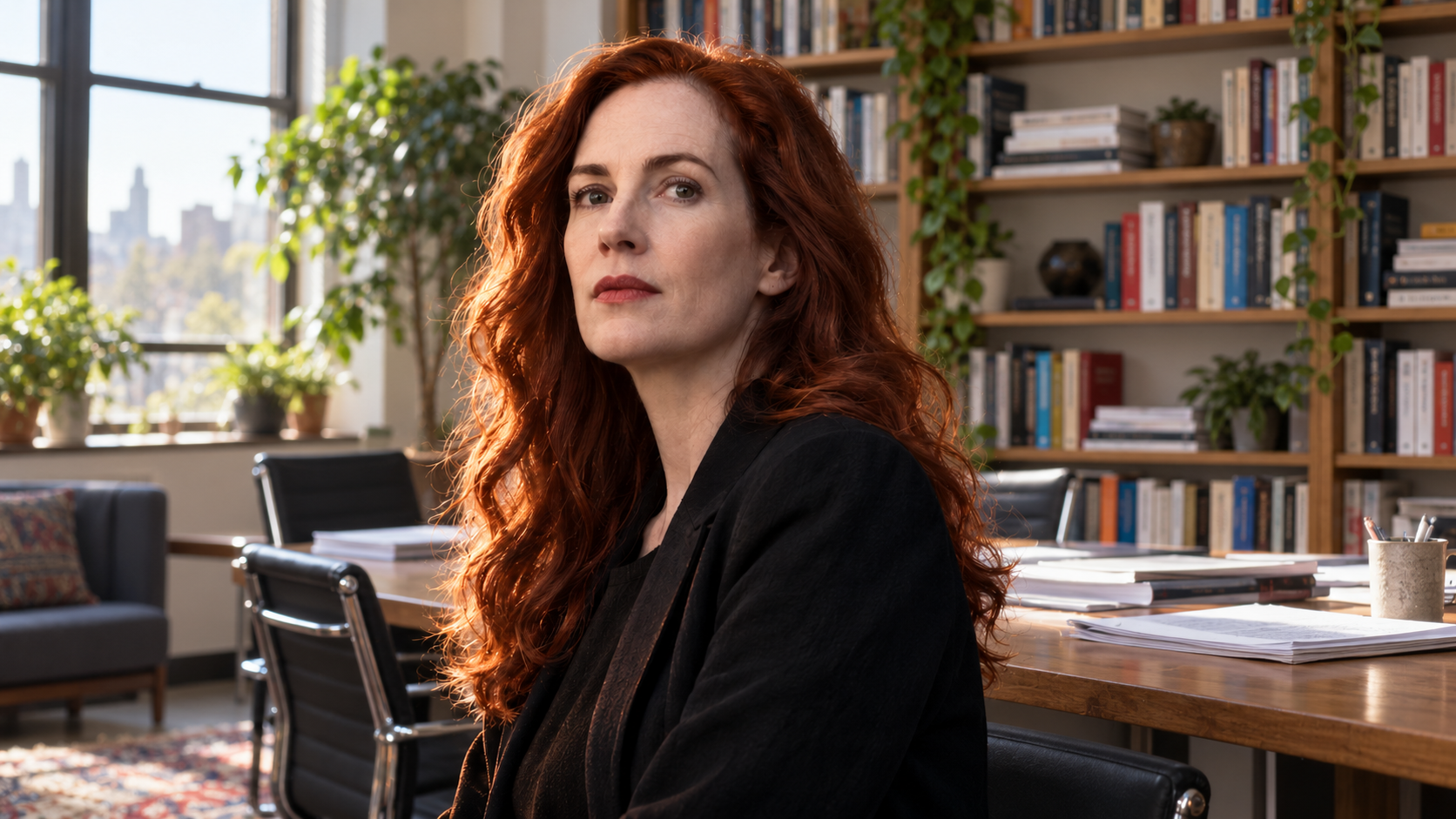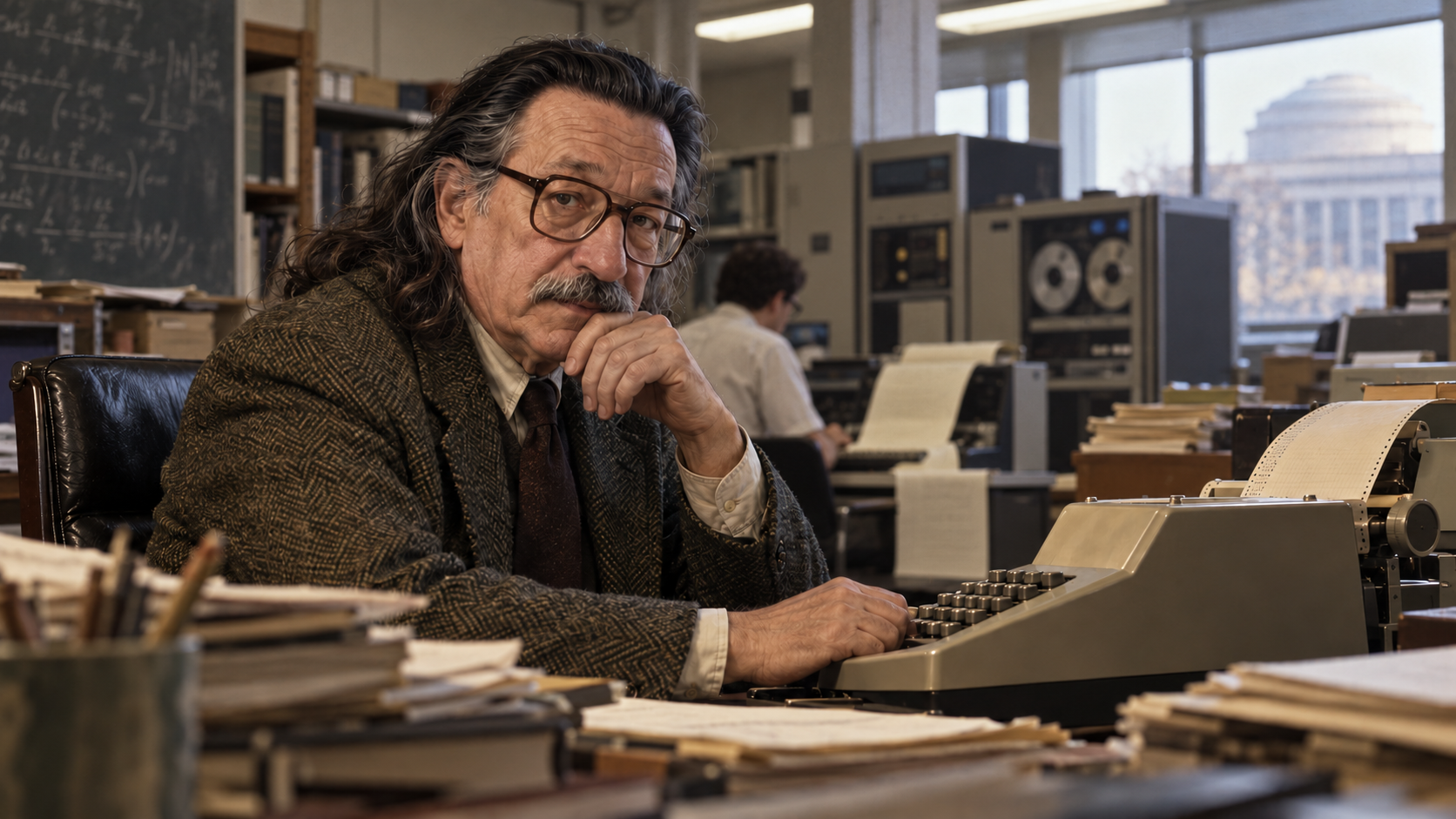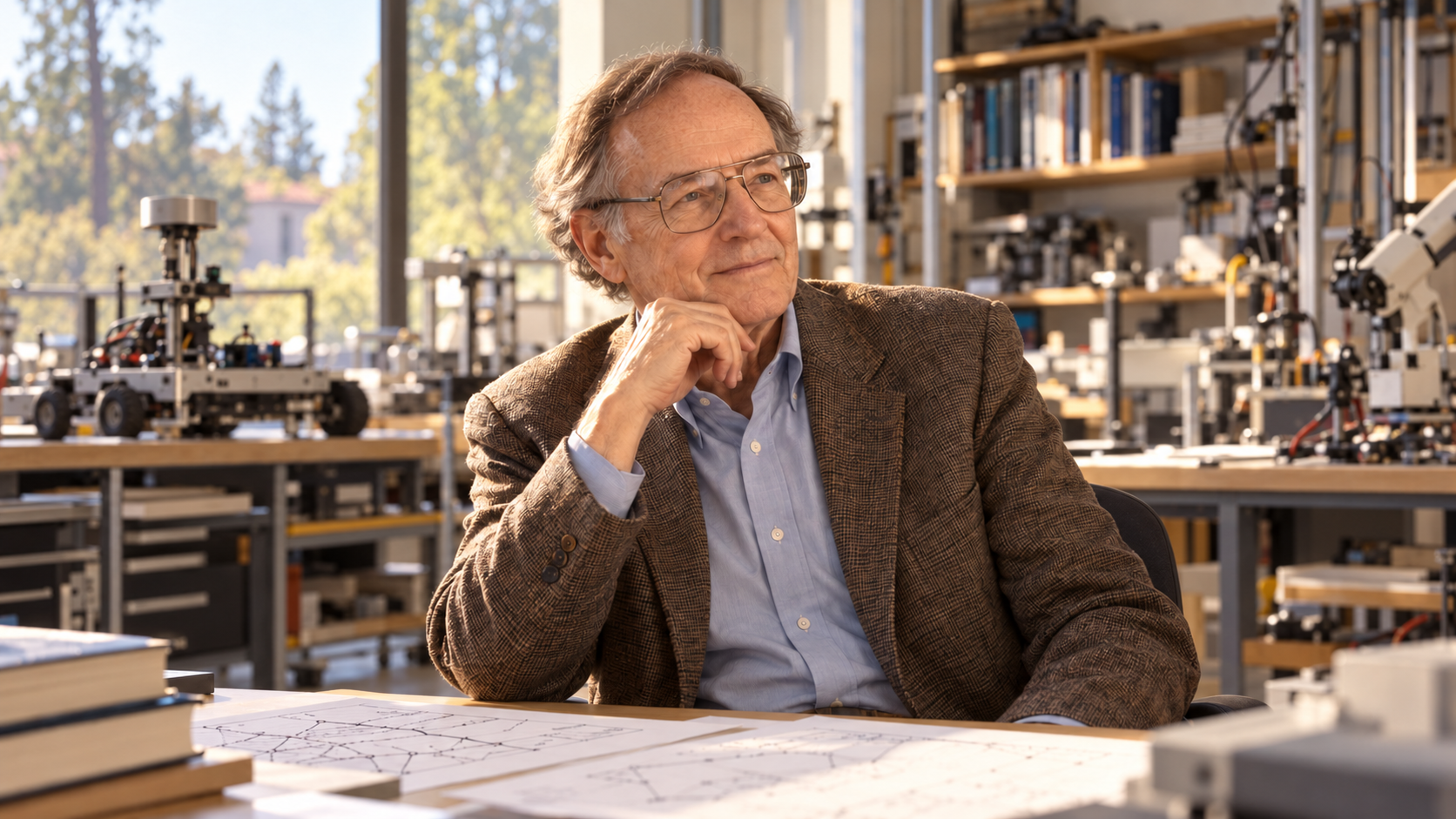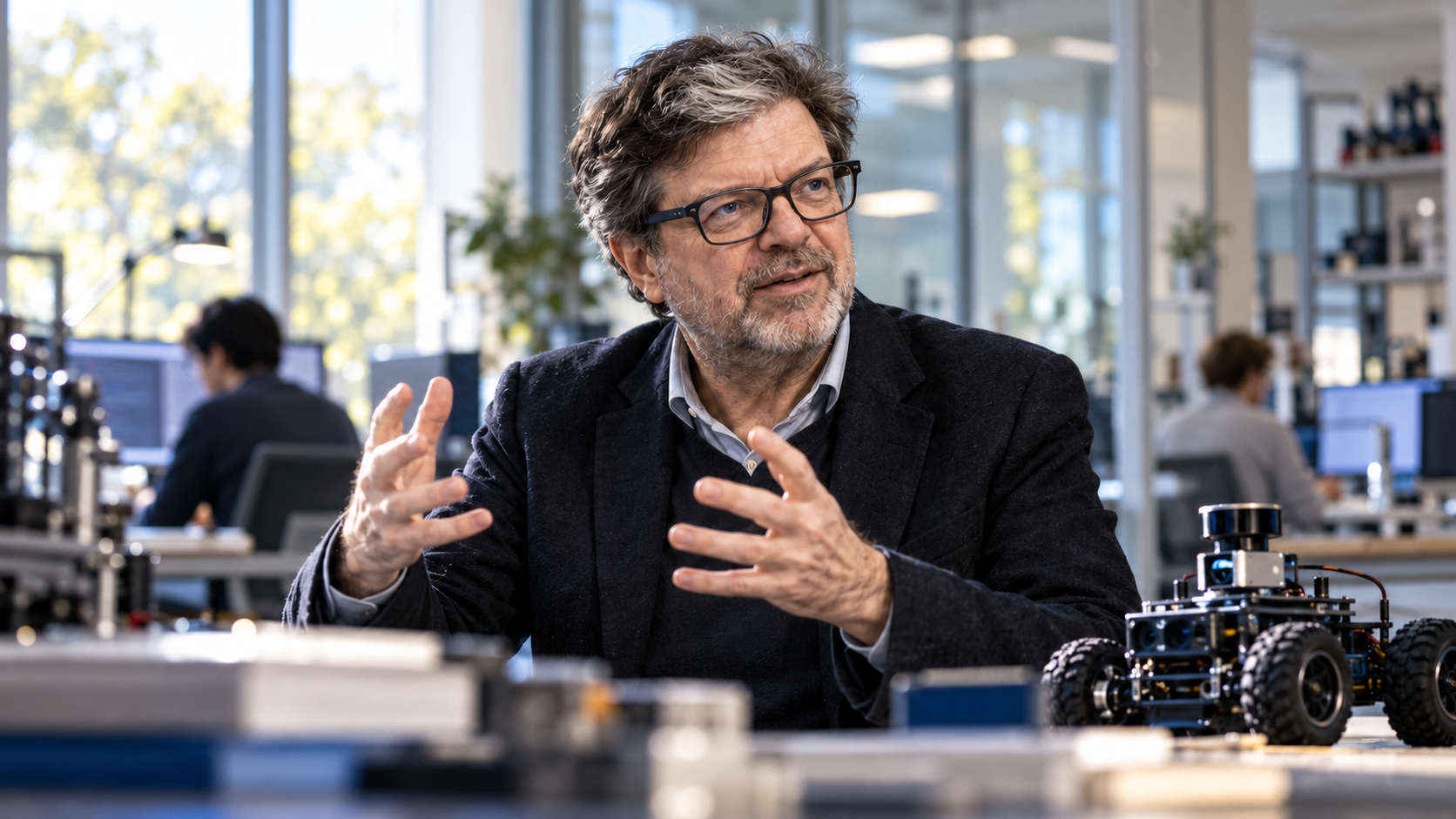
Yann LeCun, 2017
Yann LeCun’s line frames artificial intelligence as an extension of human capacity rather than an alien force.

Don't Just Read it – Explore It
Yann LeCun’s line frames artificial intelligence as an extension of human capacity rather than an alien force.
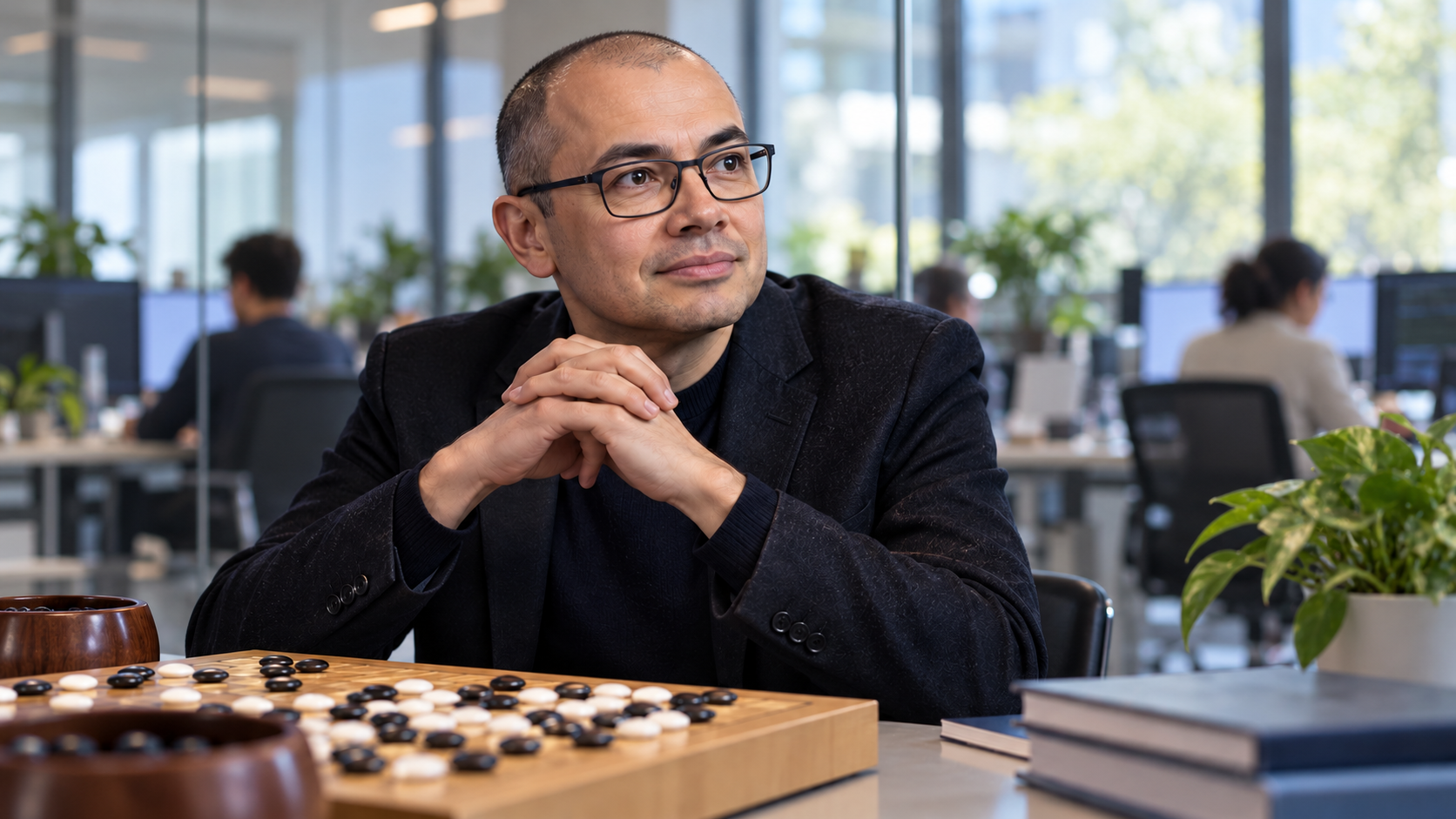
Demis Hassabis’s two-step mission links advances in artificial intelligence to breakthroughs across science and society.
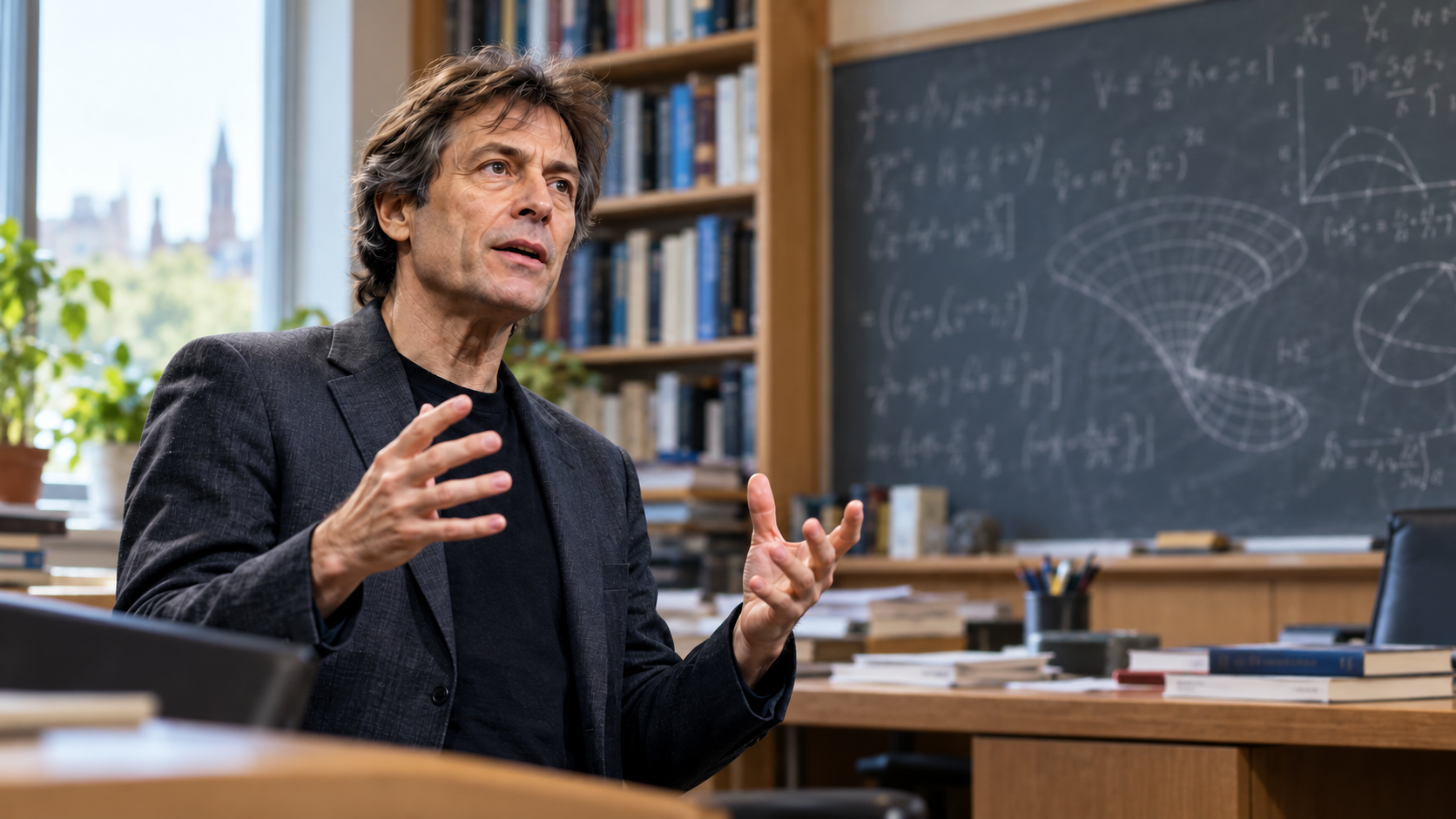
Max Tegmark’s warning argues that rapid capability gains need an equally credible plan for keeping advanced AI under human control.
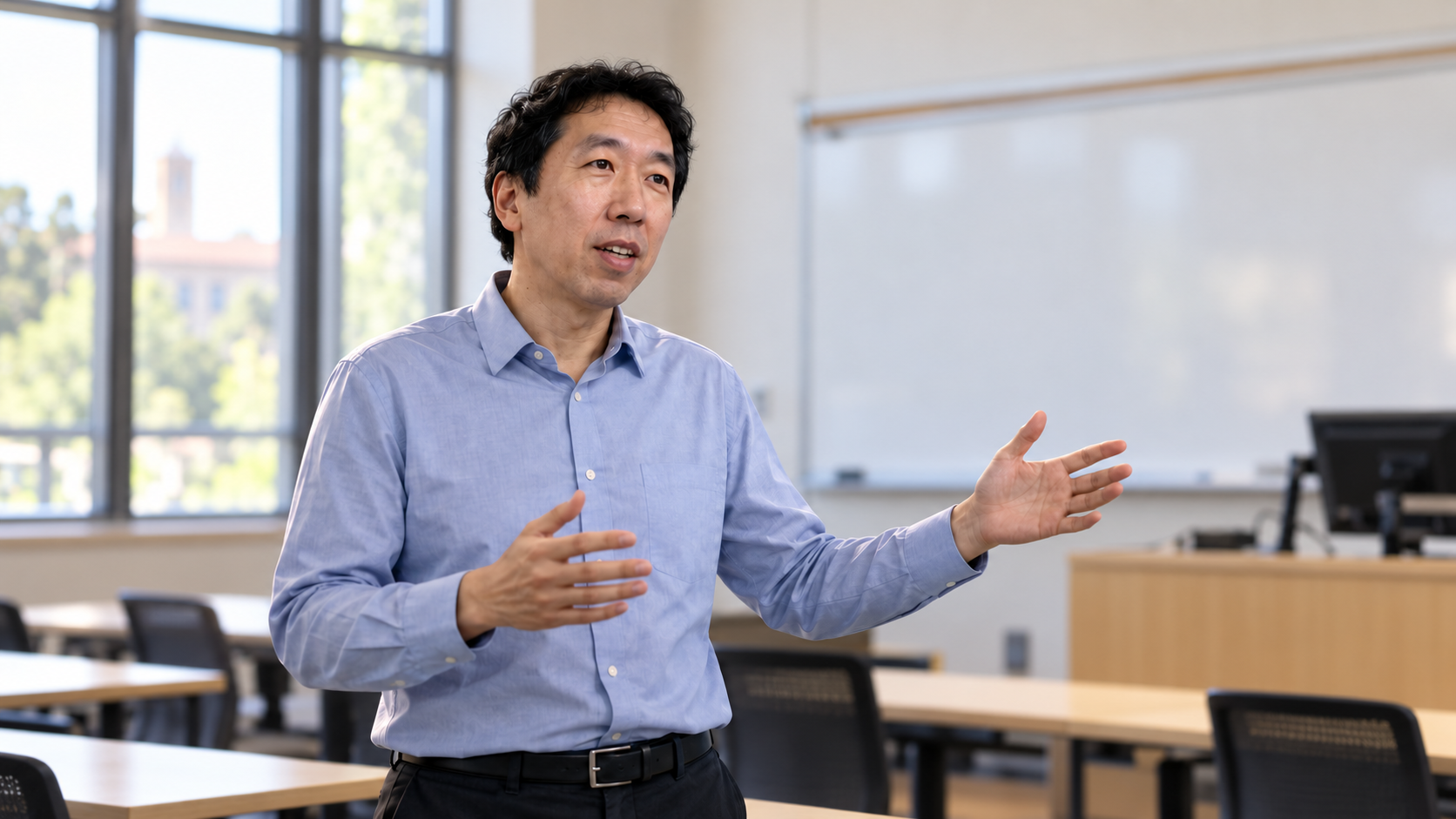
Andrew Ng’s comparison presents artificial intelligence as a general-purpose technology capable of reshaping many industries.
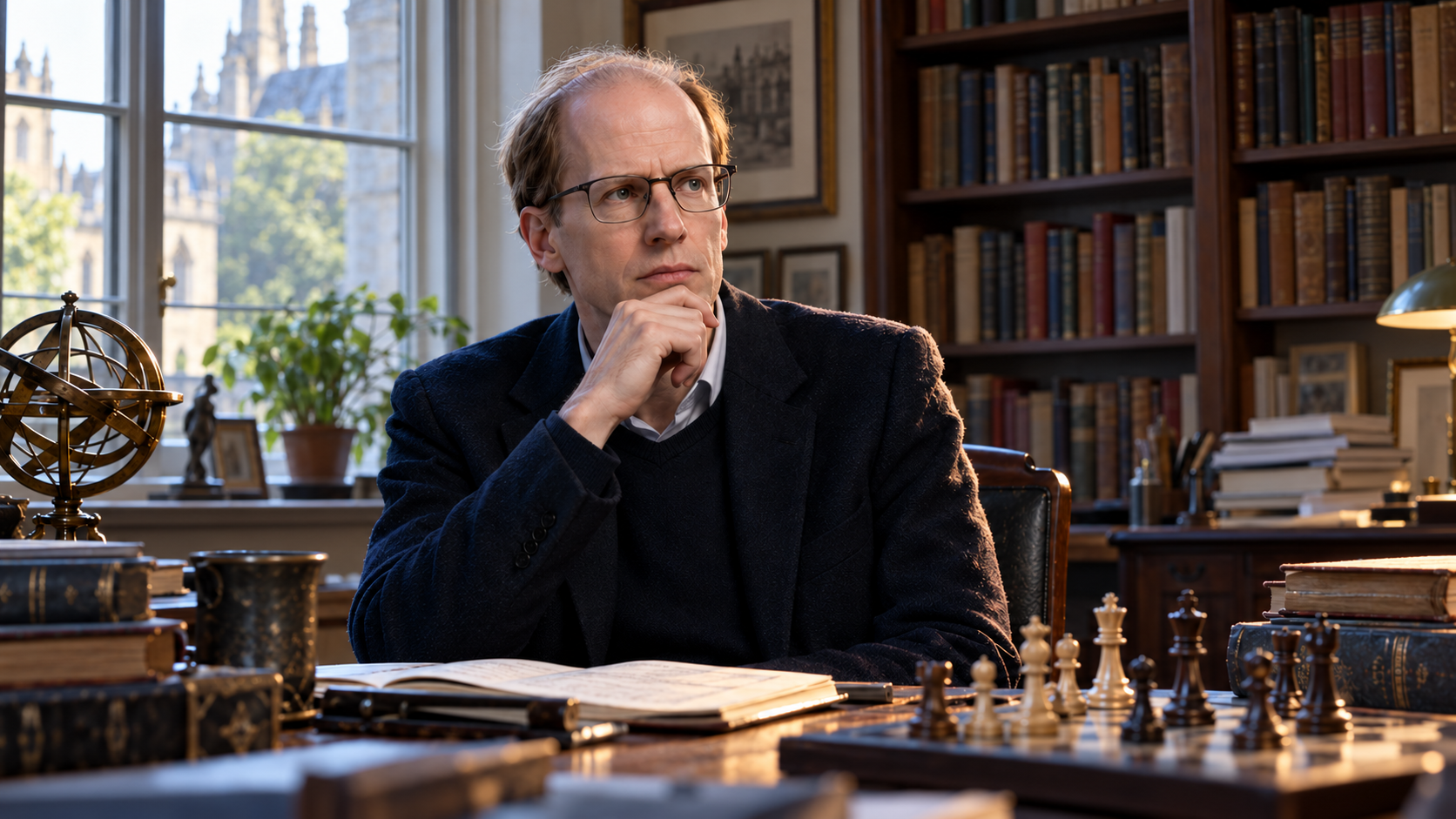
Nick Bostrom’s forecast captures the possibility that advanced AI could accelerate invention itself—and the stakes of controlling it.
Norbert Wiener’s cybernetic insight connects effective action to reliable information, feedback, and the ability to correct course.
Cathy O’Neil’s memorable line exposes the judgments hidden inside seemingly neutral mathematical systems.
Kate Crawford’s challenge shifts attention from AI’s marketing label to the resources, labor, and institutions that make it work.
Joseph Weizenbaum’s warning distinguishes computational problem solving from the lived meaning of human choices.
Nils J. Nilsson’s definition makes intelligence a matter of appropriate action, anticipation, and environmental context.
John McCarthy’s compact definition treats artificial intelligence as both a scientific inquiry and an engineering practice.
J.C.R. Licklider’s vision of human-computer symbiosis gives people responsibility for goals, standards, and judgment.