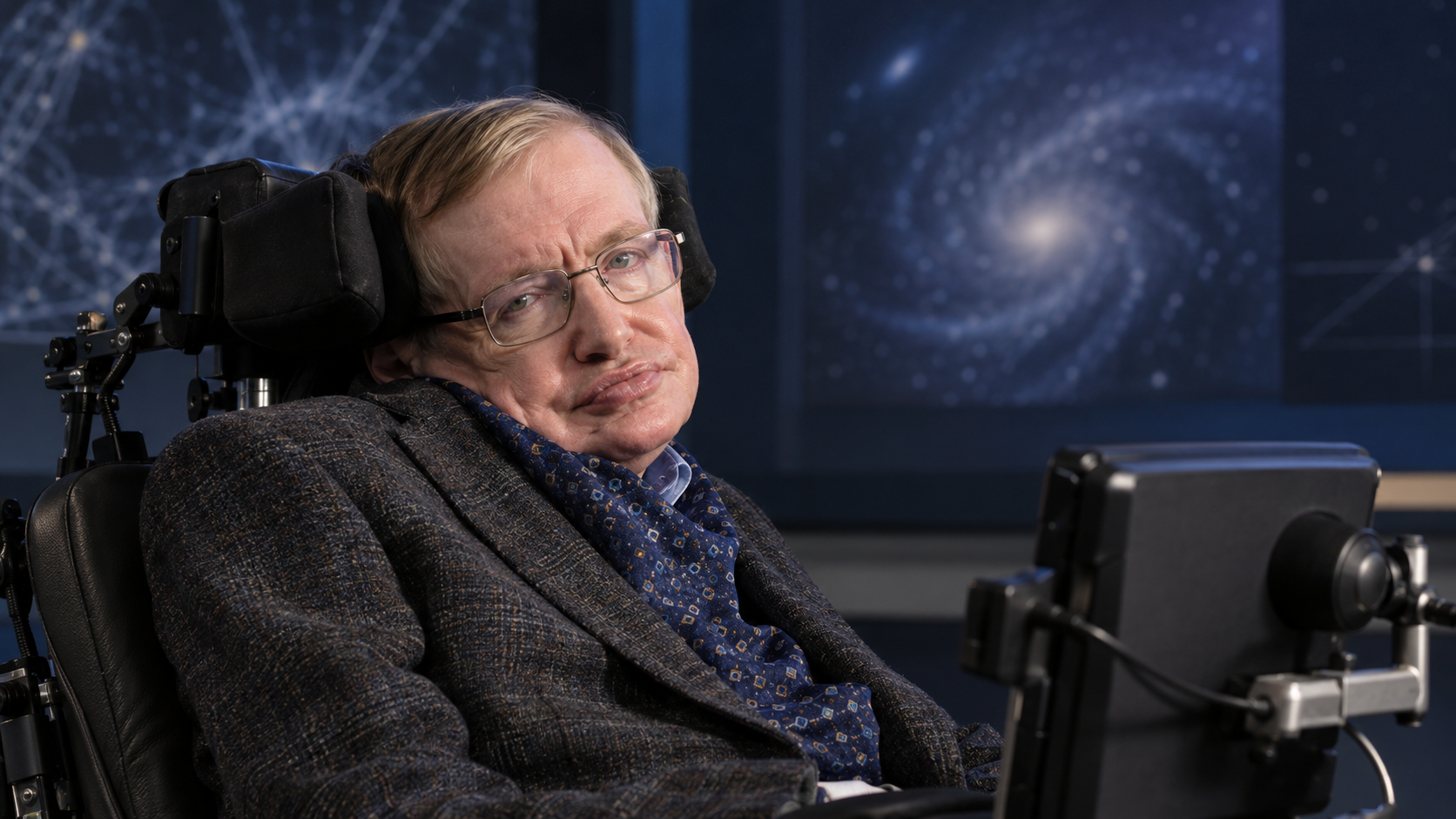
Stephen Hawking, 2016
Stephen Hawking’s 2016 warning captures both the extraordinary promise of artificial intelligence and the need to manage its risks.

Don't Just Read it – Explore It
Stephen Hawking’s 2016 warning captures both the extraordinary promise of artificial intelligence and the need to manage its risks.
Alan Turing’s closing line from his 1950 paper turns uncertainty about machine intelligence into a practical research agenda.
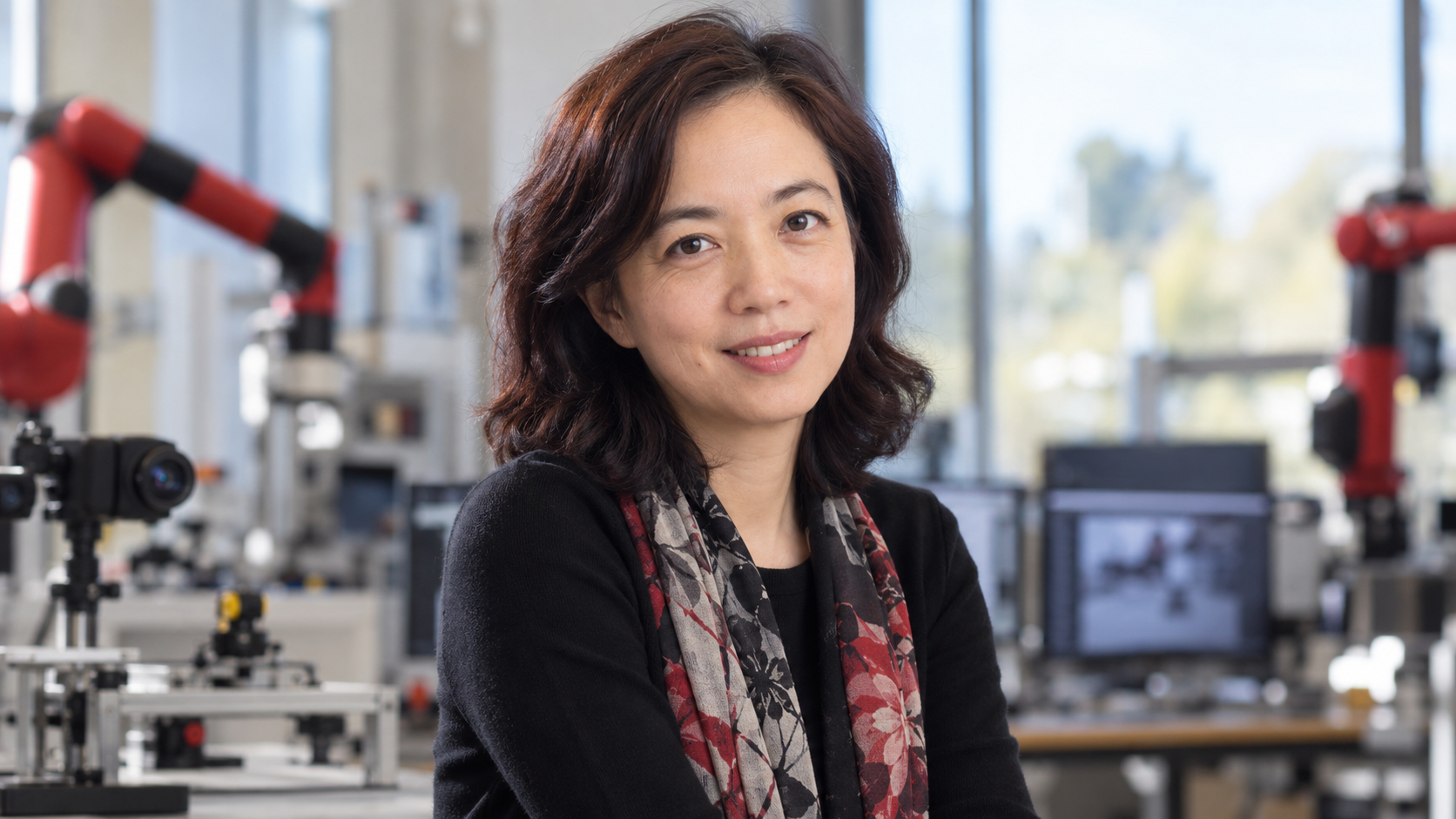
Fei-Fei Li’s human-centered warning places people, choices, and consequences at the center of artificial intelligence.
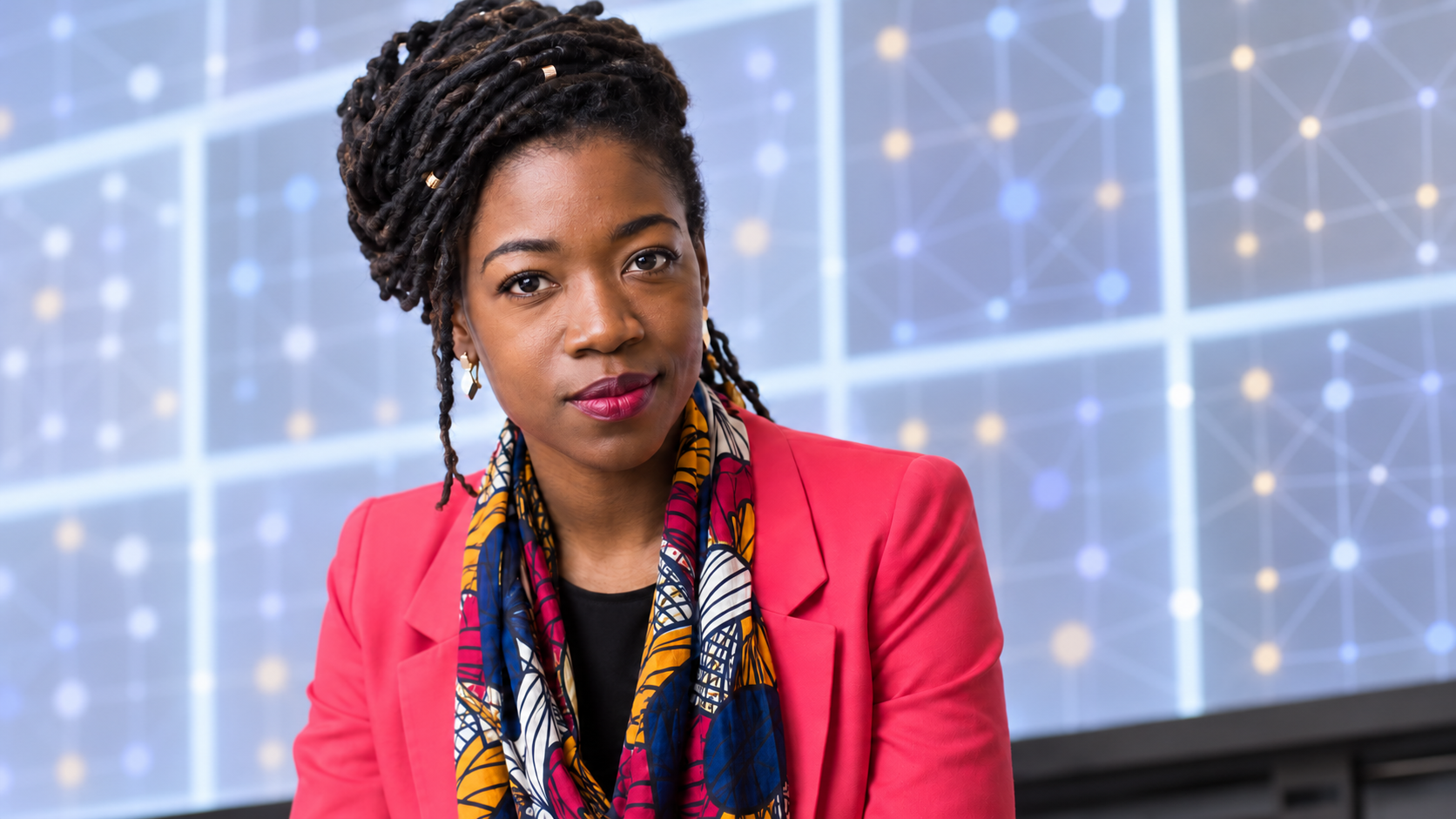
Joy Buolamwini’s warning explains how human assumptions can become encoded in automated systems and reproduce unfair outcomes at scale.
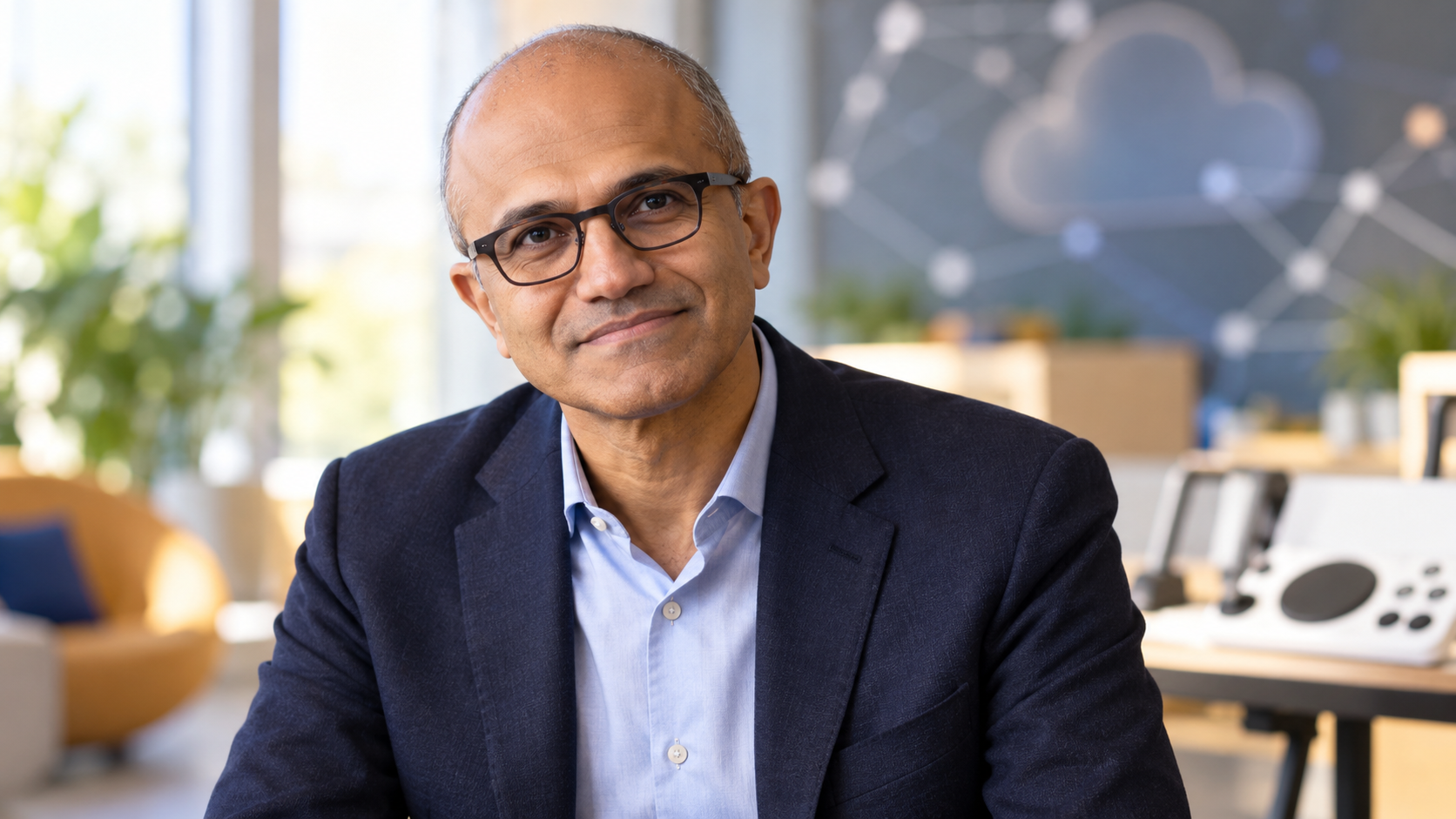
Satya Nadella’s design principle argues that artificial intelligence should amplify human capability while preserving dignity and control.
Ada Lovelace’s 1843 observation frames a lasting debate about whether machines originate ideas or extend human intention.
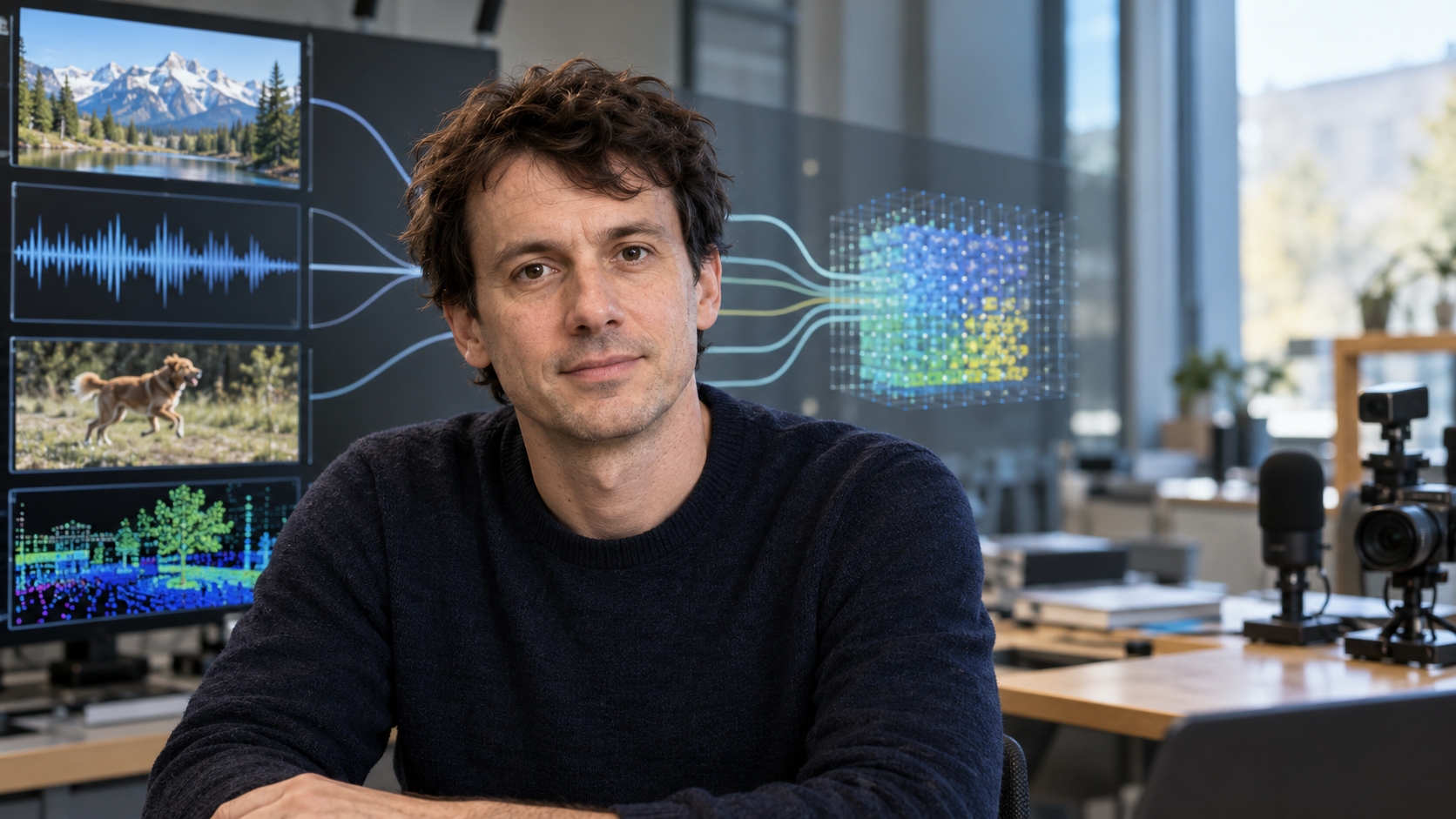
Andrew Jaegle and colleagues’s words on the Perceiver architecture explain a pivotal AI idea and why its evidence, limits, and responsible use still matter today.
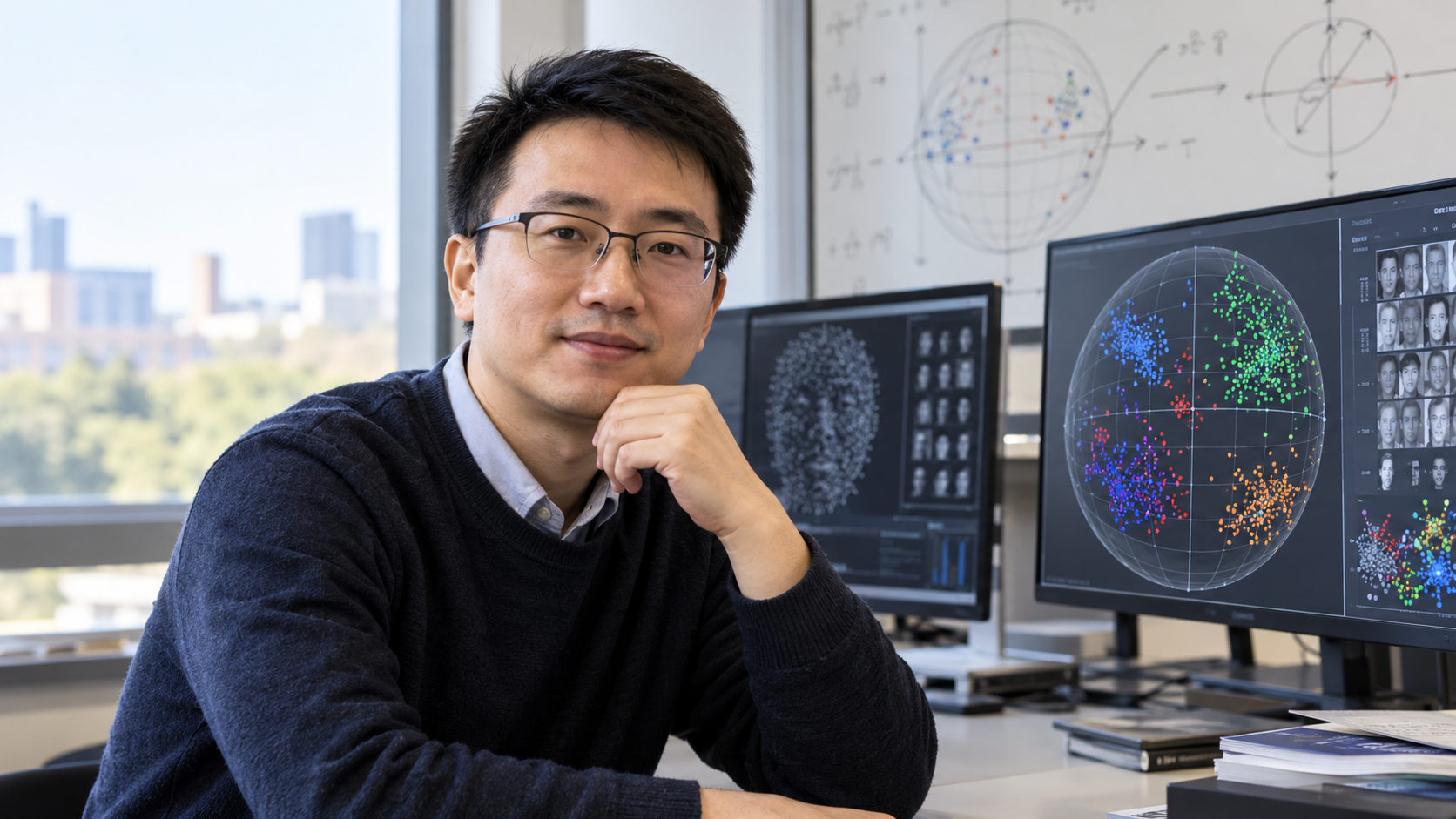
Jiankang Deng and colleagues’s words on ArcFace explain a pivotal AI idea and why its evidence, limits, and responsible use still matter today.
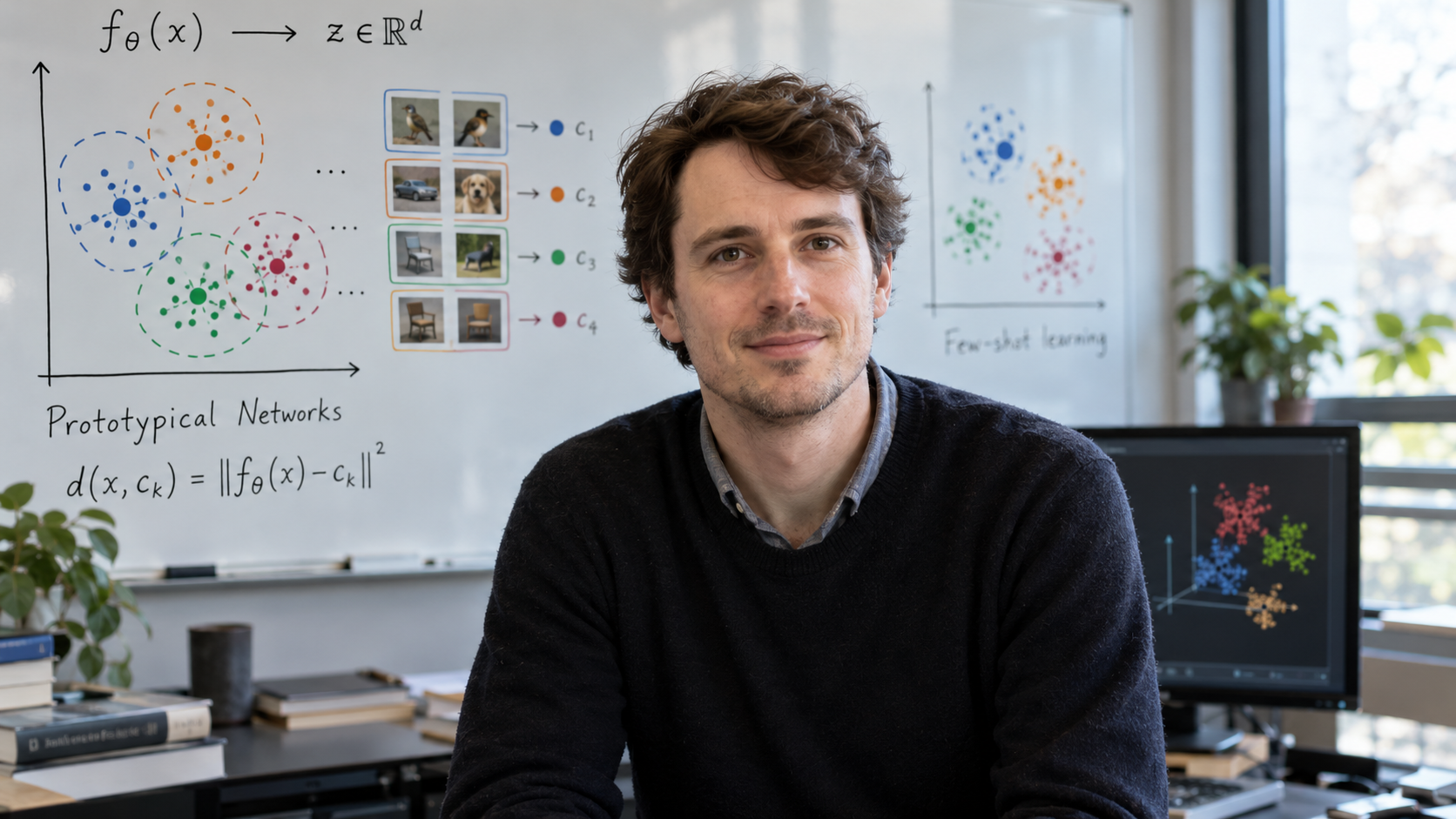
Jake Snell and colleagues’s words on prototypical networks explain a pivotal AI idea and why its evidence, limits, and responsible use still matter today.
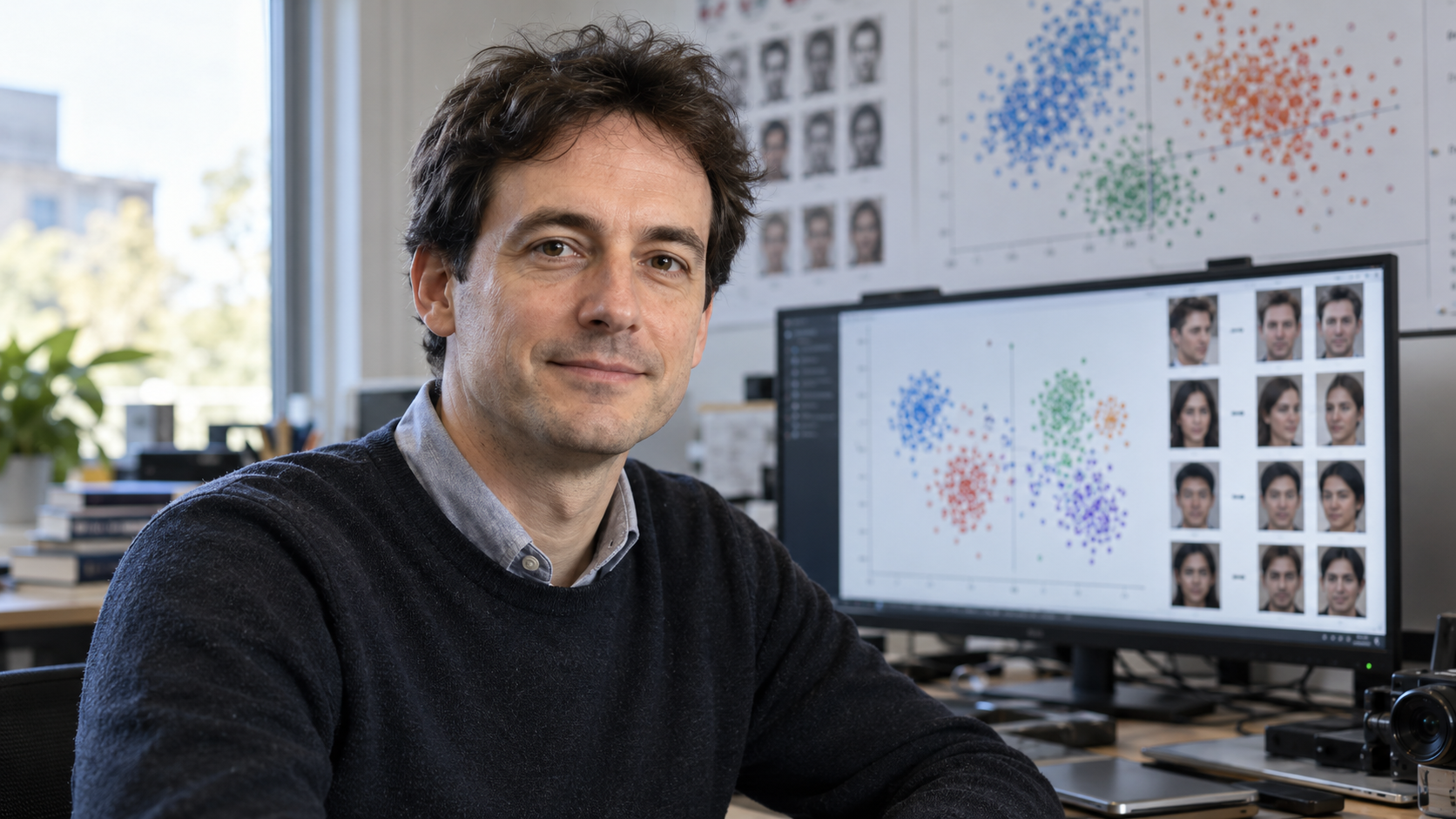
Florian Schroff and colleagues’s words on FaceNet embeddings explain a pivotal AI idea and why its evidence, limits, and responsible use still matter today.
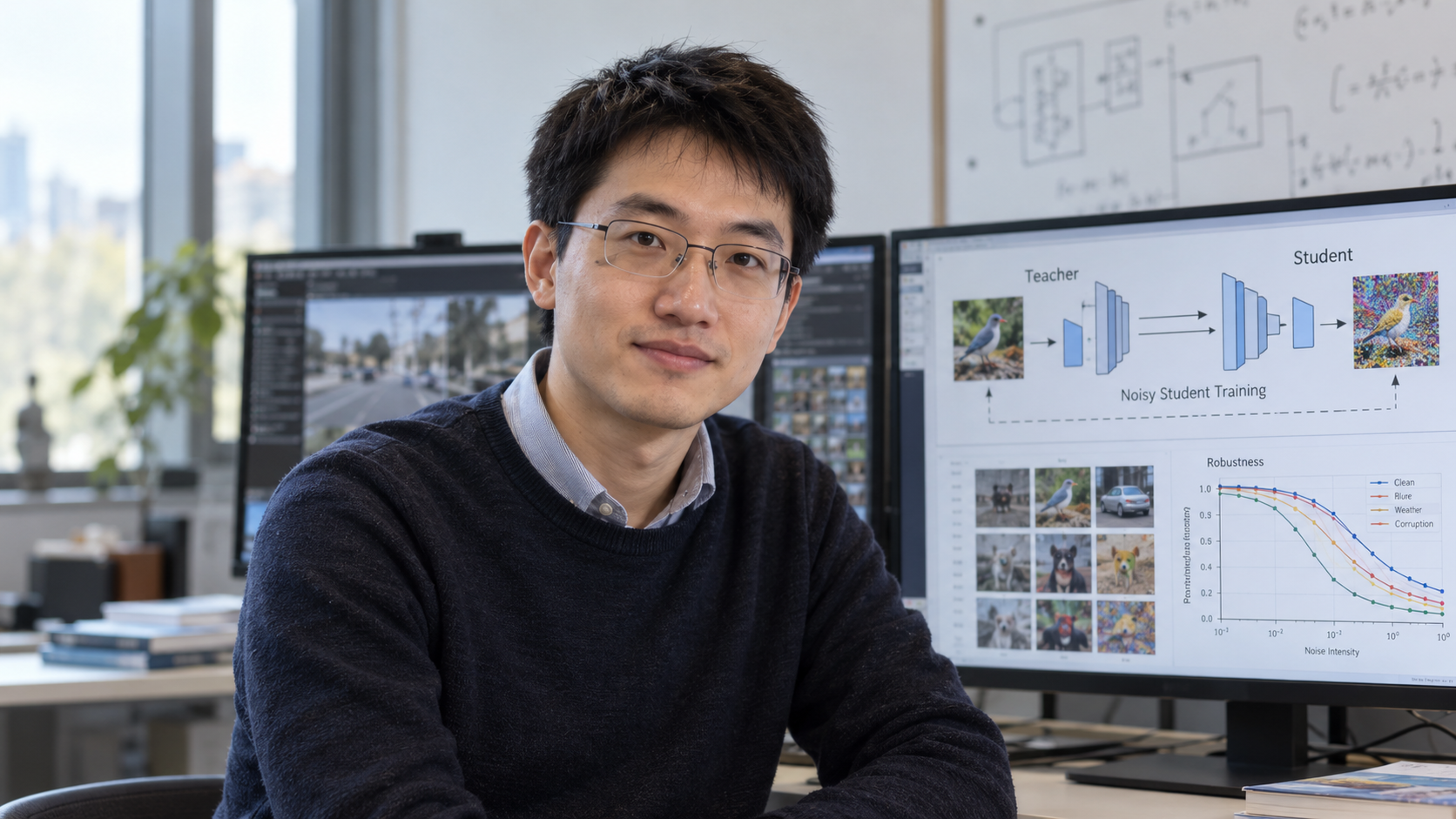
Qizhe Xie and colleagues’s words on Noisy Student training explain a pivotal AI idea and why its evidence, limits, and responsible use still matter today.
David Berthelot and colleagues’s words on MixMatch explain a pivotal AI idea and why its evidence, limits, and responsible use still matter today.