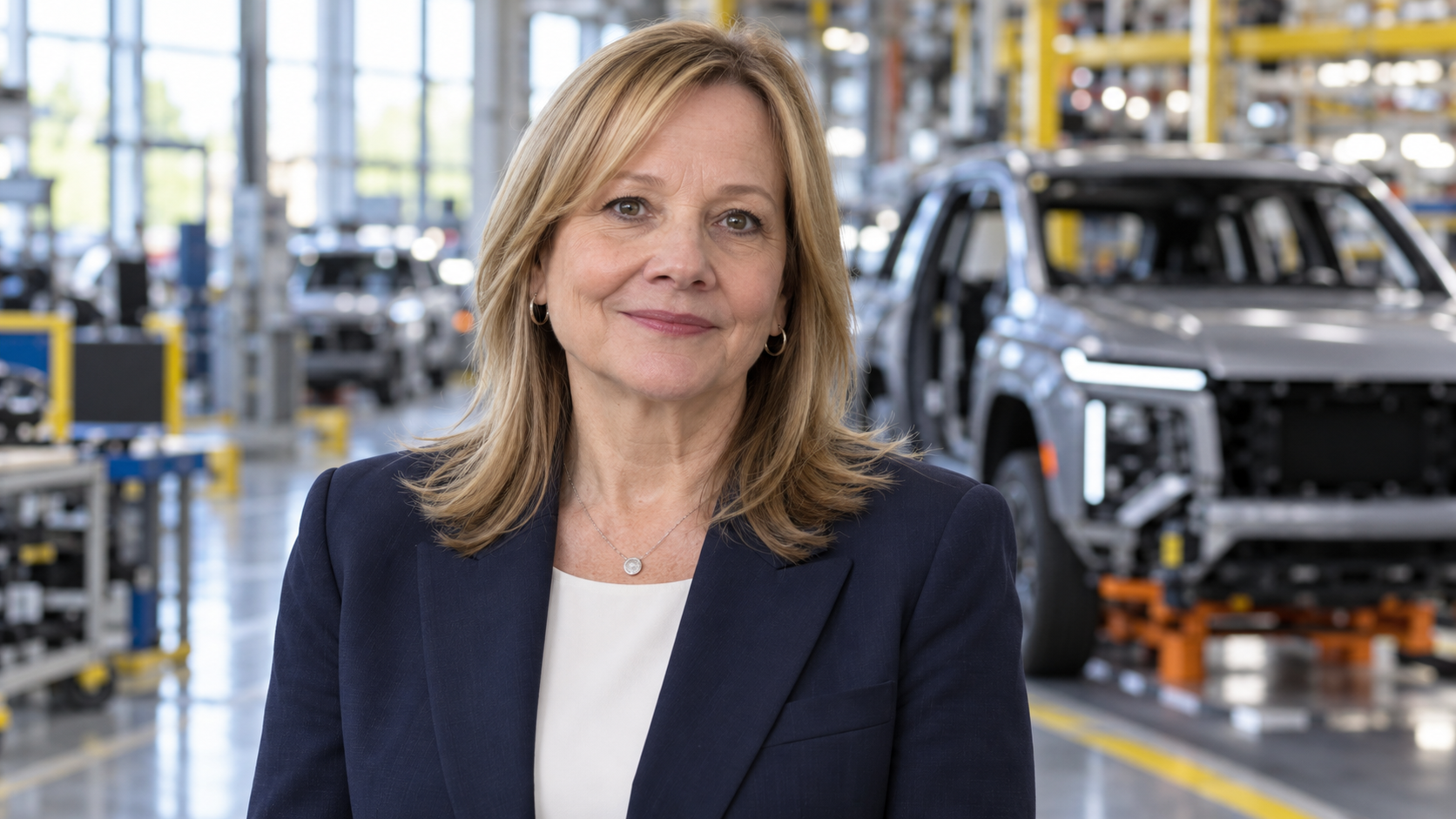
Mary T. Barra, 2026
Mary Barra centered GM’s identity on people as the automaker navigated technological change, competition, and Detroit’s future.

Don't Just Read it – Explore It
Mary Barra centered GM’s identity on people as the automaker navigated technological change, competition, and Detroit’s future.
Rosabeth Moss Kanter identified courage and risk as unavoidable parts of innovation—and showed how leaders can make them intelligent.
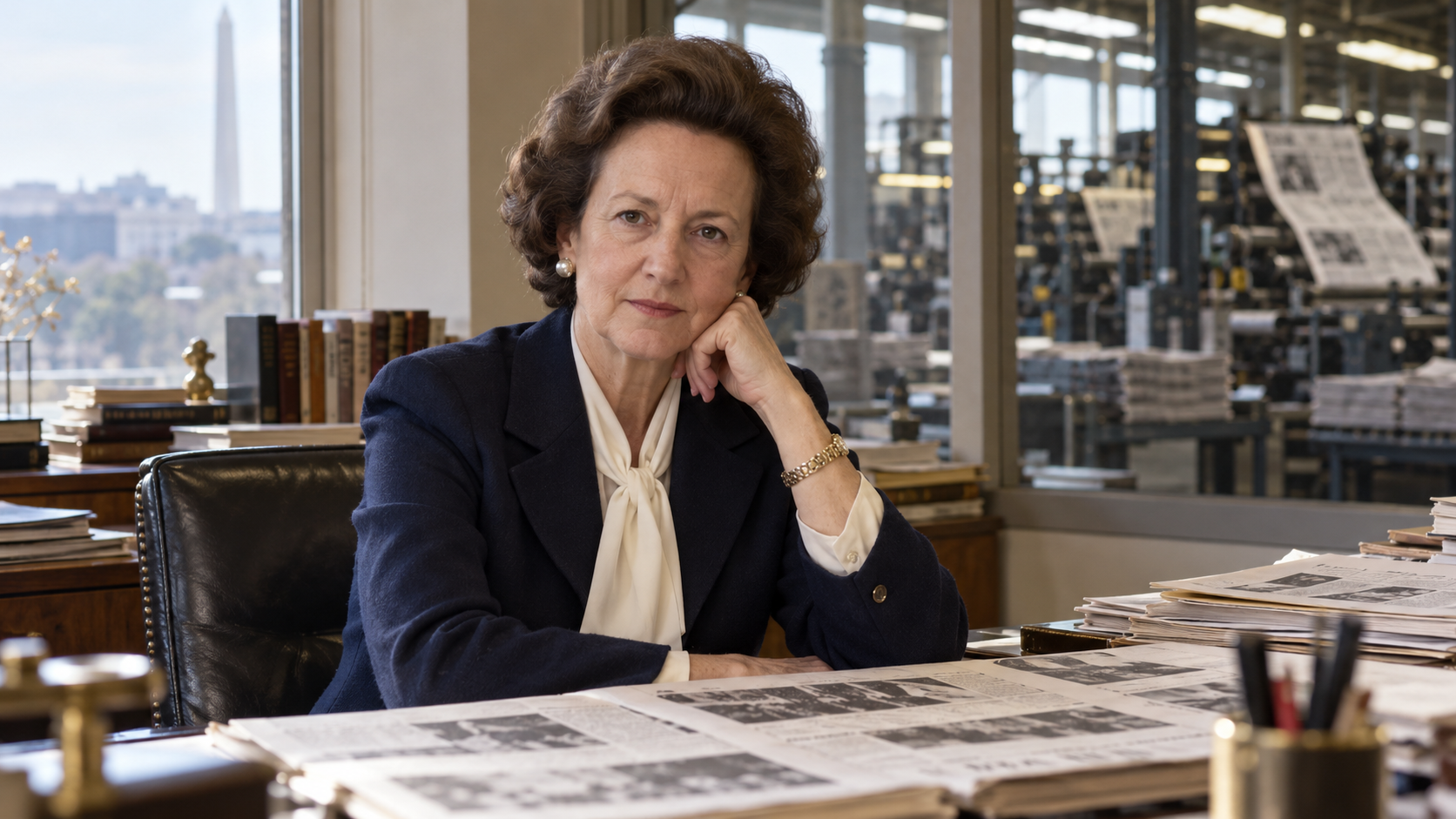
Katharine Graham connected the pleasure of work with a sense of consequence, a perspective shaped by leading The Washington Post.
Yvon Chouinard used an ownership transfer at Patagonia to make environmental purpose durable beyond the intentions of its founder.
Marc Benioff’s stakeholder claim expands the purpose of business while raising demanding questions about evidence, tradeoffs, and accountability.
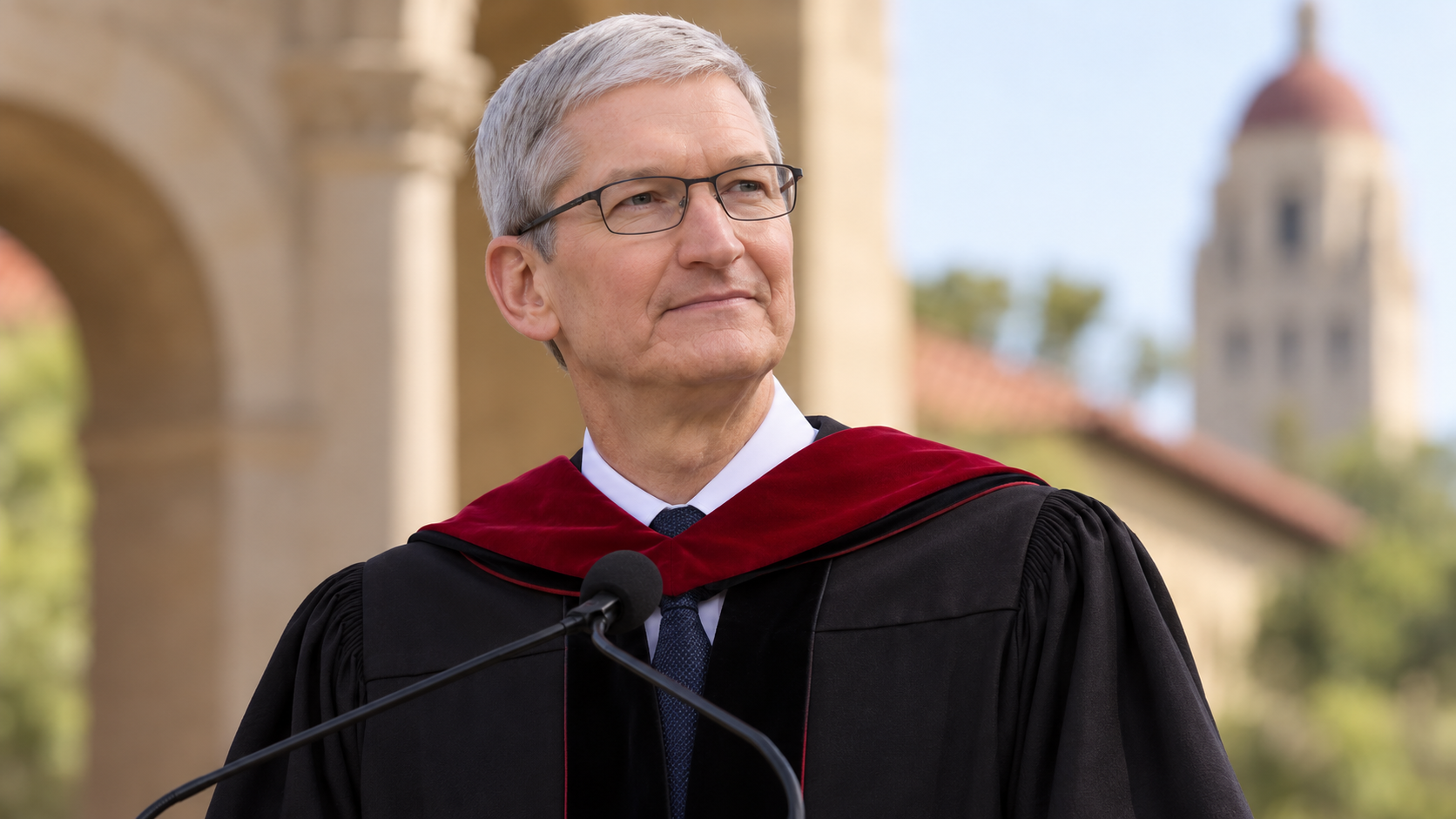
Tim Cook argued that technology builders remain responsible for the social consequences produced by the systems and incentives they create.
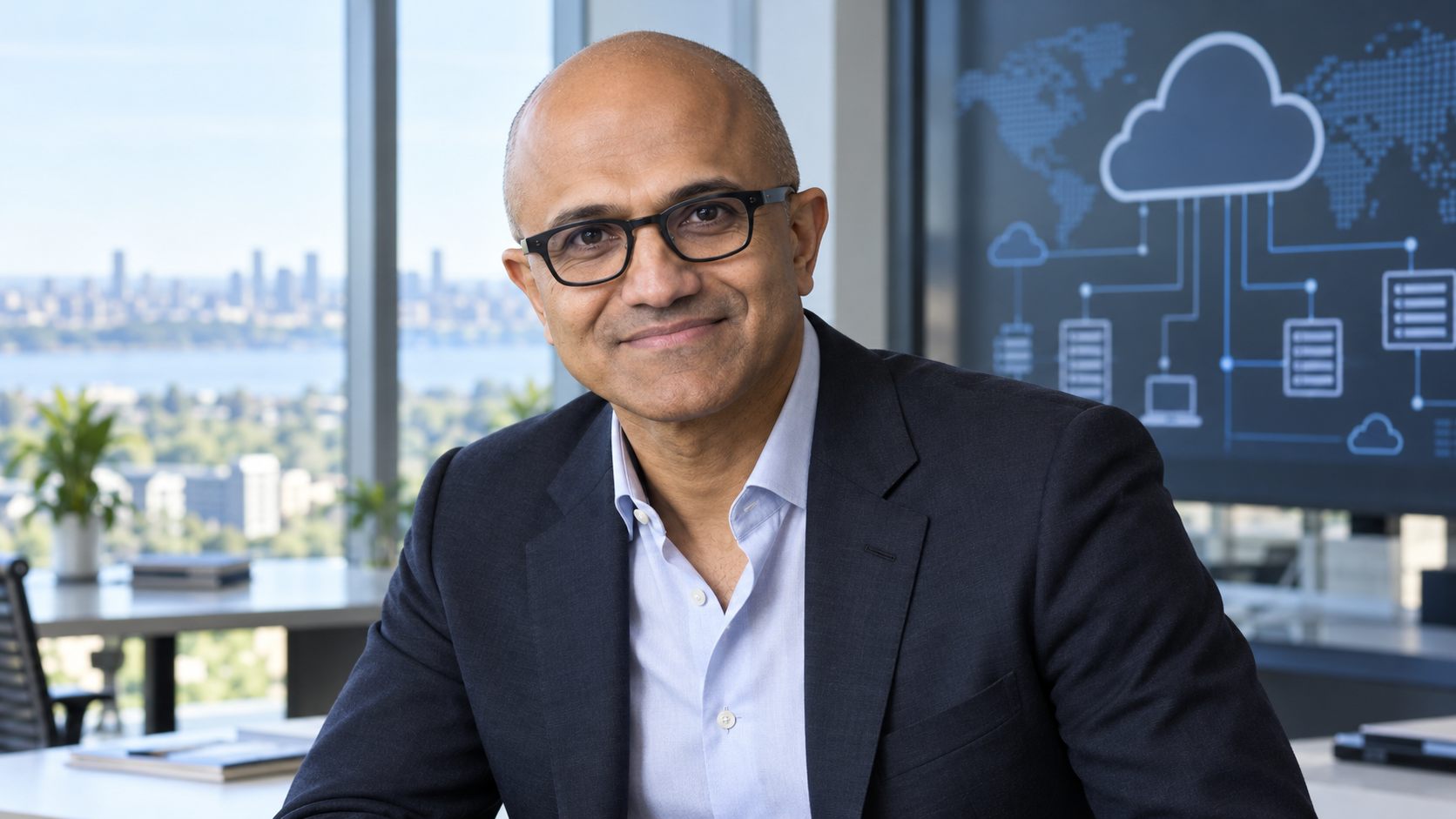
Satya Nadella’s first-day message as Microsoft CEO used innovation as a test of relevance in an industry that continually resets advantage.
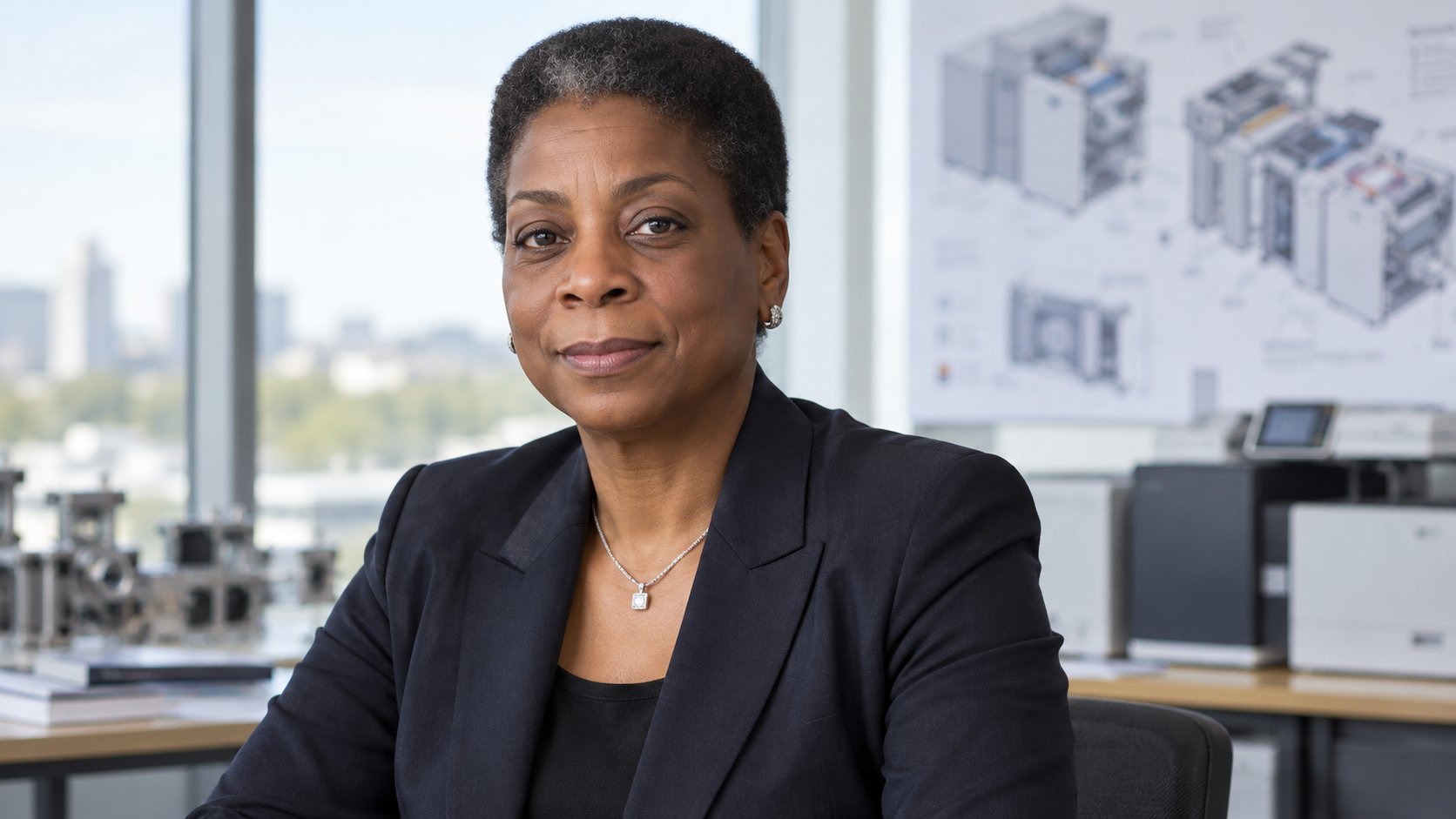
Ursula Burns urged graduates to work with change instead of waiting for stability, a lesson shaped by her path from engineer to Xerox CEO.
Muhammad Yunus challenged business and economic models that treat people in poverty as passive, incapable, or too risky to serve.
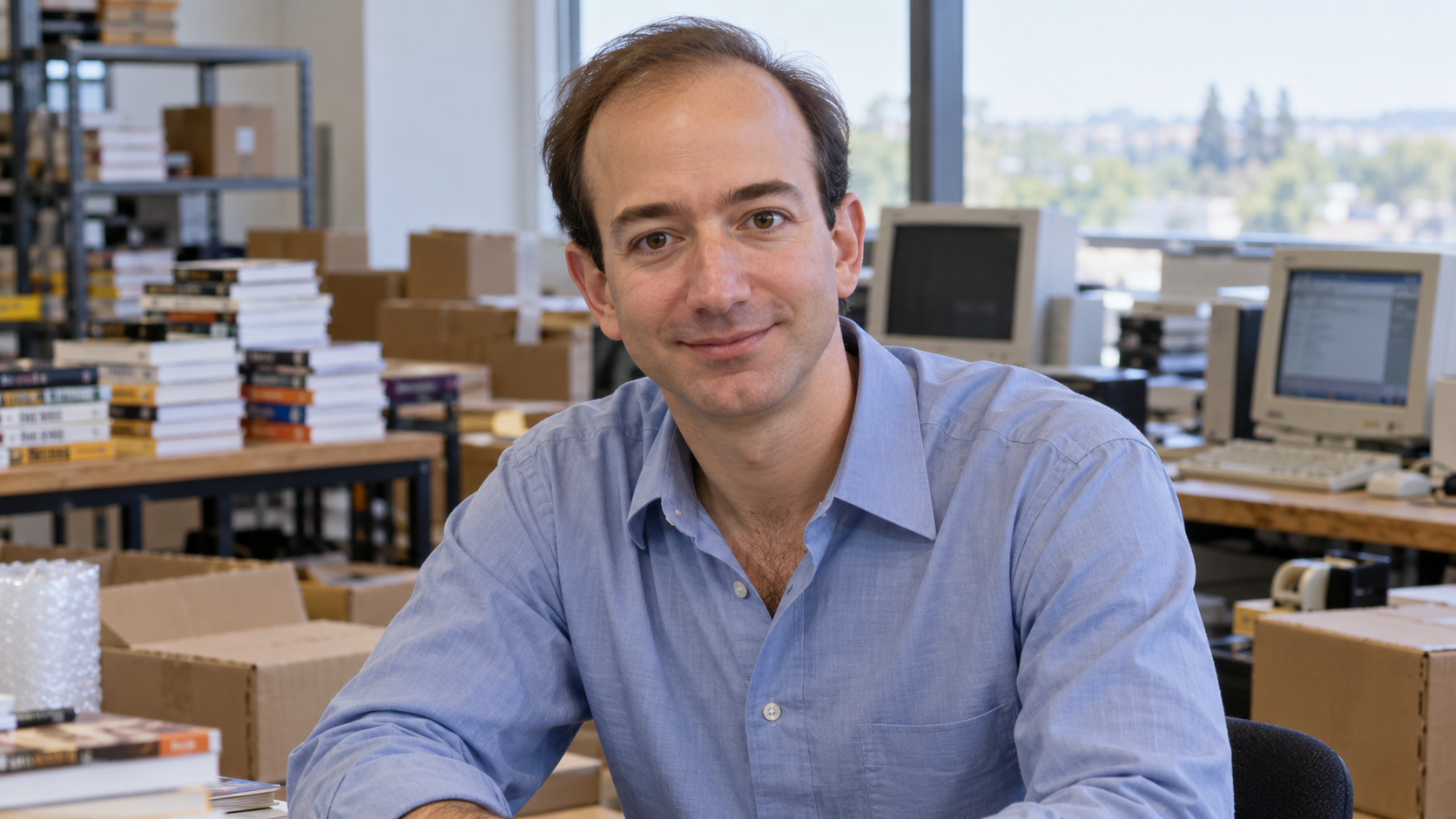
Jeff Bezos set out a long-term test for Amazon that connected shareholder value to market leadership, customer loyalty, and disciplined investment.
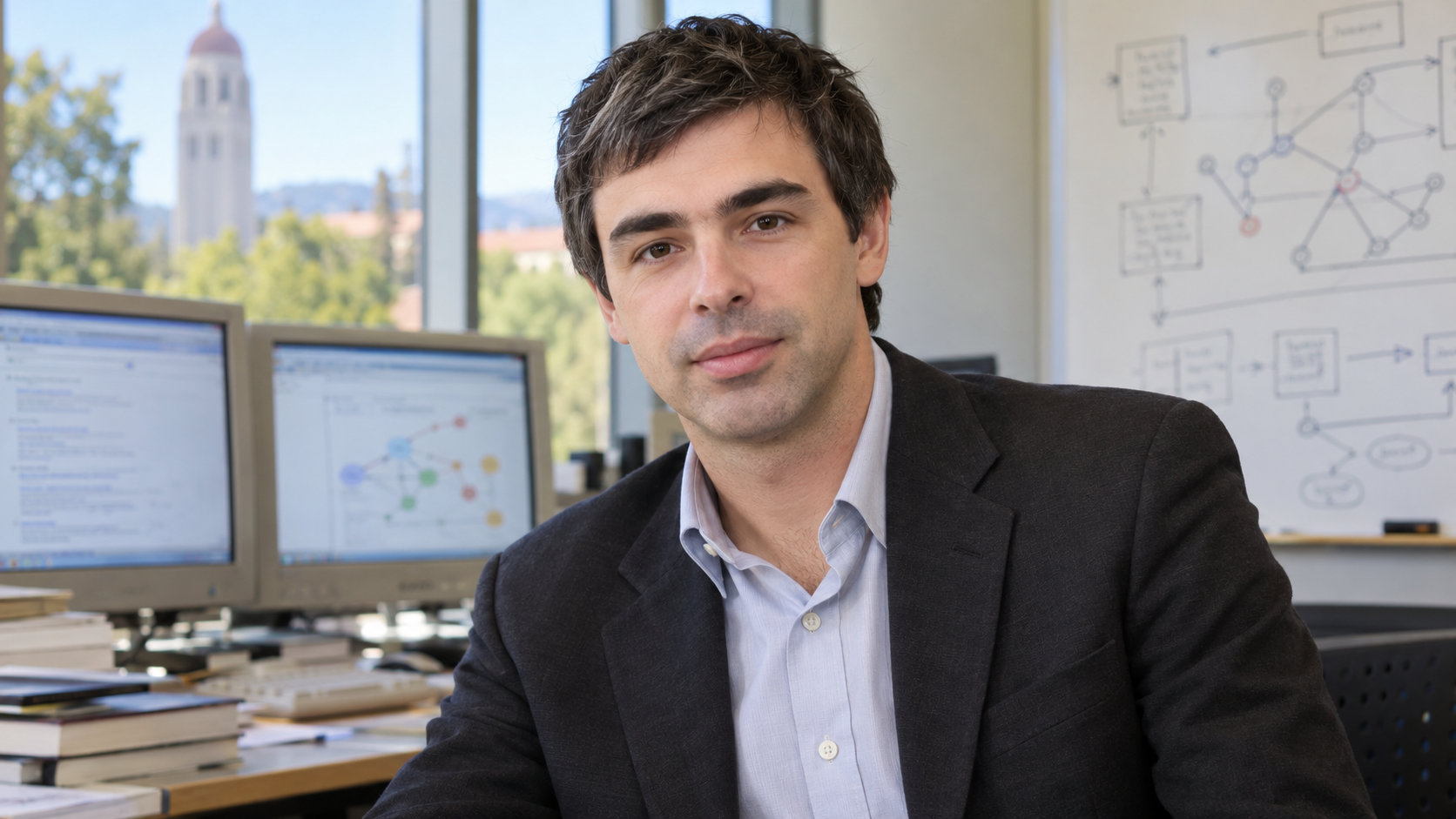
Larry Page used Google’s unconventional identity to set expectations for long-term bets, concentrated expertise, and accountable experimentation.
Jim Collins used a sharp paradox to explain why acceptable performance can weaken the urgency and discipline needed for exceptional results.