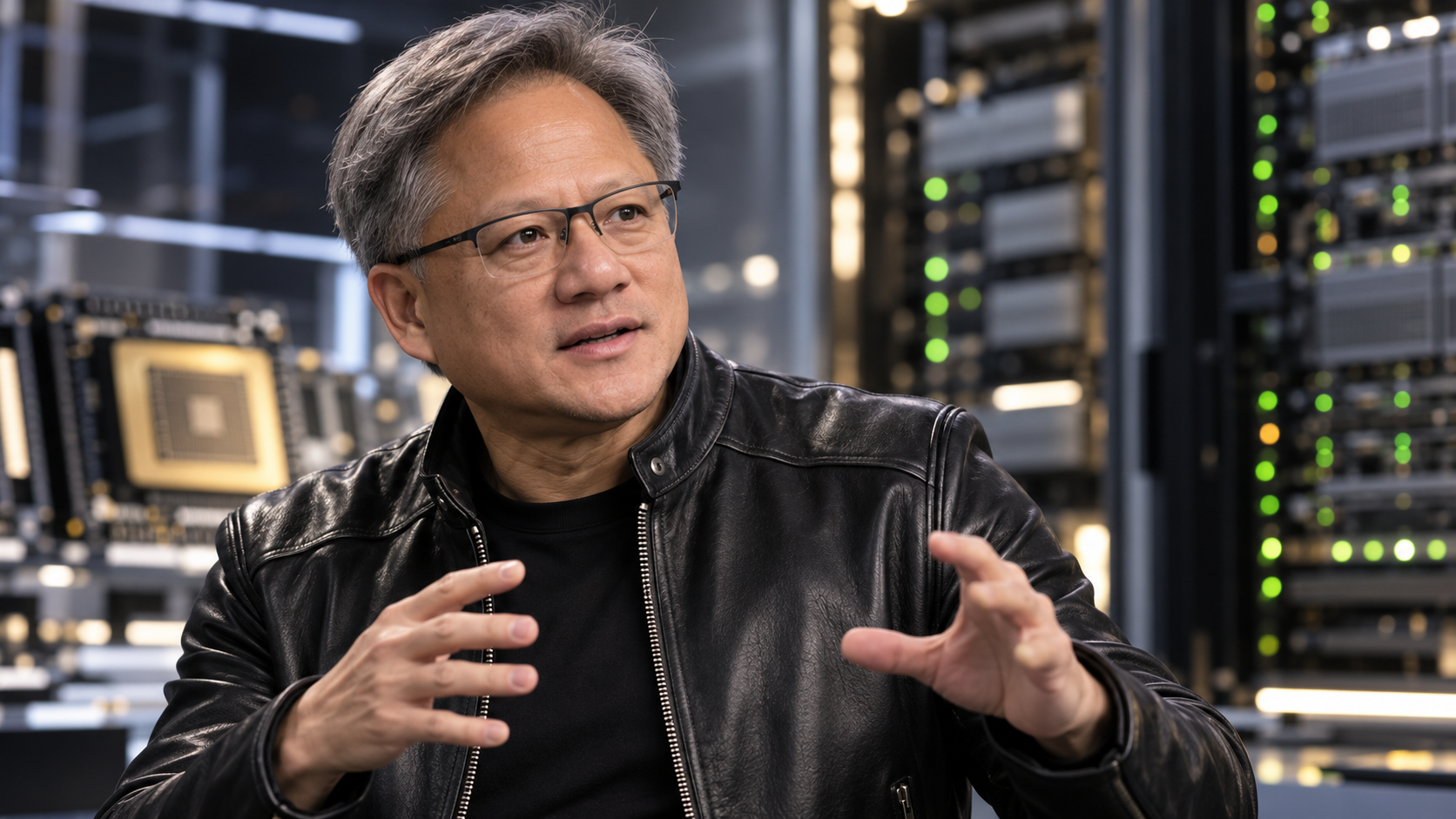
Jensen Huang, 2024
Jensen Huang’s backward-reasoning method connects ambitious outcomes with first-principles analysis, milestones, and adaptable execution.

Don't Just Read it – Explore It
Jensen Huang’s backward-reasoning method connects ambitious outcomes with first-principles analysis, milestones, and adaptable execution.
Rosalind Brewer’s whole-self leadership insight connects authenticity with better information, inclusion, and responsible workplace boundaries.
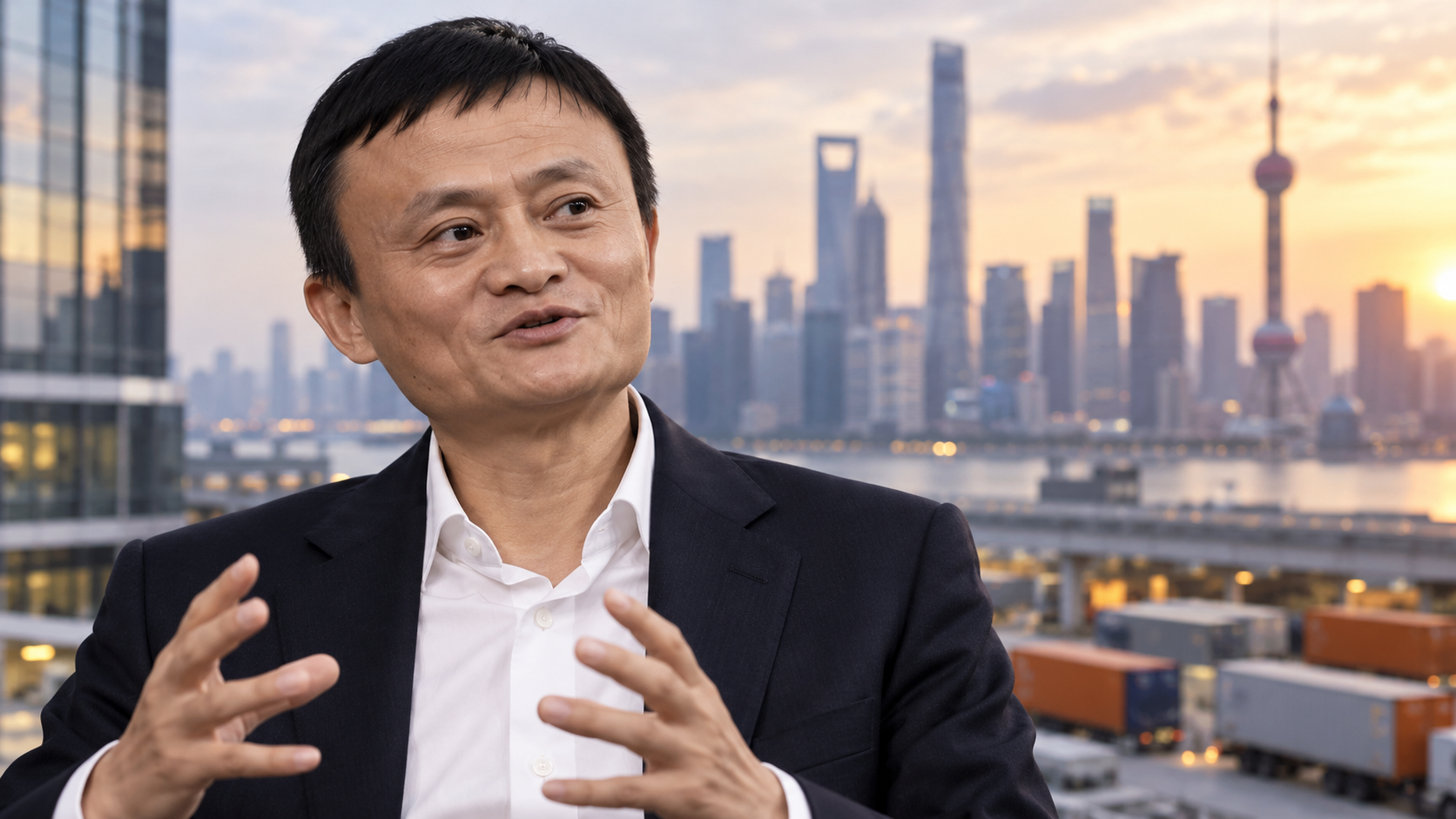
Jack Ma’s 2014 stakeholder hierarchy presents shareholder return as the result of customer value and employee capability.
Netflix’s team-not-family principle clarifies performance expectations while raising hard questions about trust, development, and fair treatment.
Melanie Perkins’s goal-driven culture principle shows how an ambitious shared vision can guide concrete choices as a company scales.
Arianna Huffington’s 2013 address argues that durable performance depends on caring for human capability as seriously as financial capital.
Oprah Winfrey’s 2013 failure quote reframes a setback as information while preserving accountability for costs and consequences.
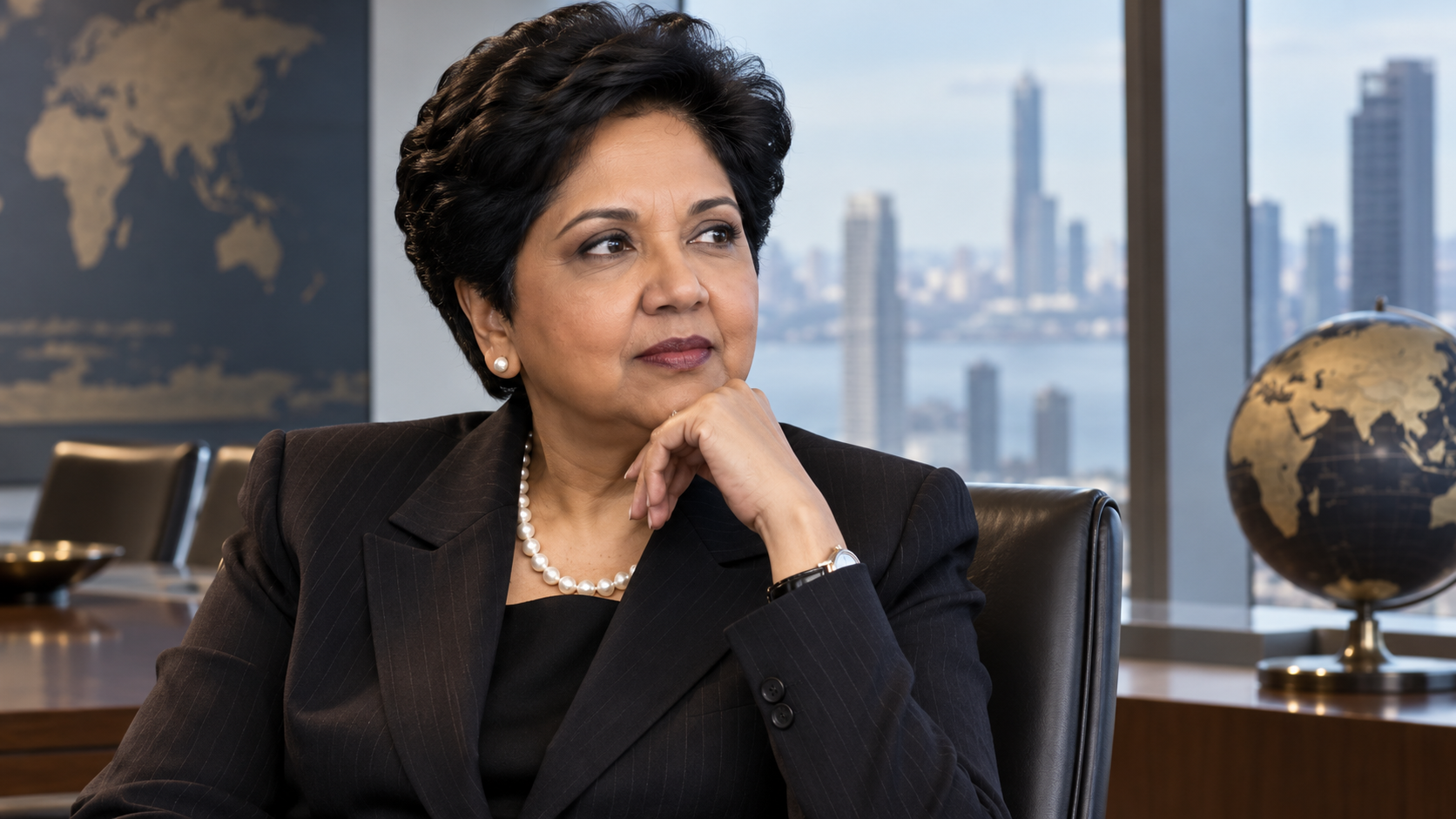
Indra Nooyi’s 2007 business philosophy argues that commercial performance and social value must be designed to reinforce each other.
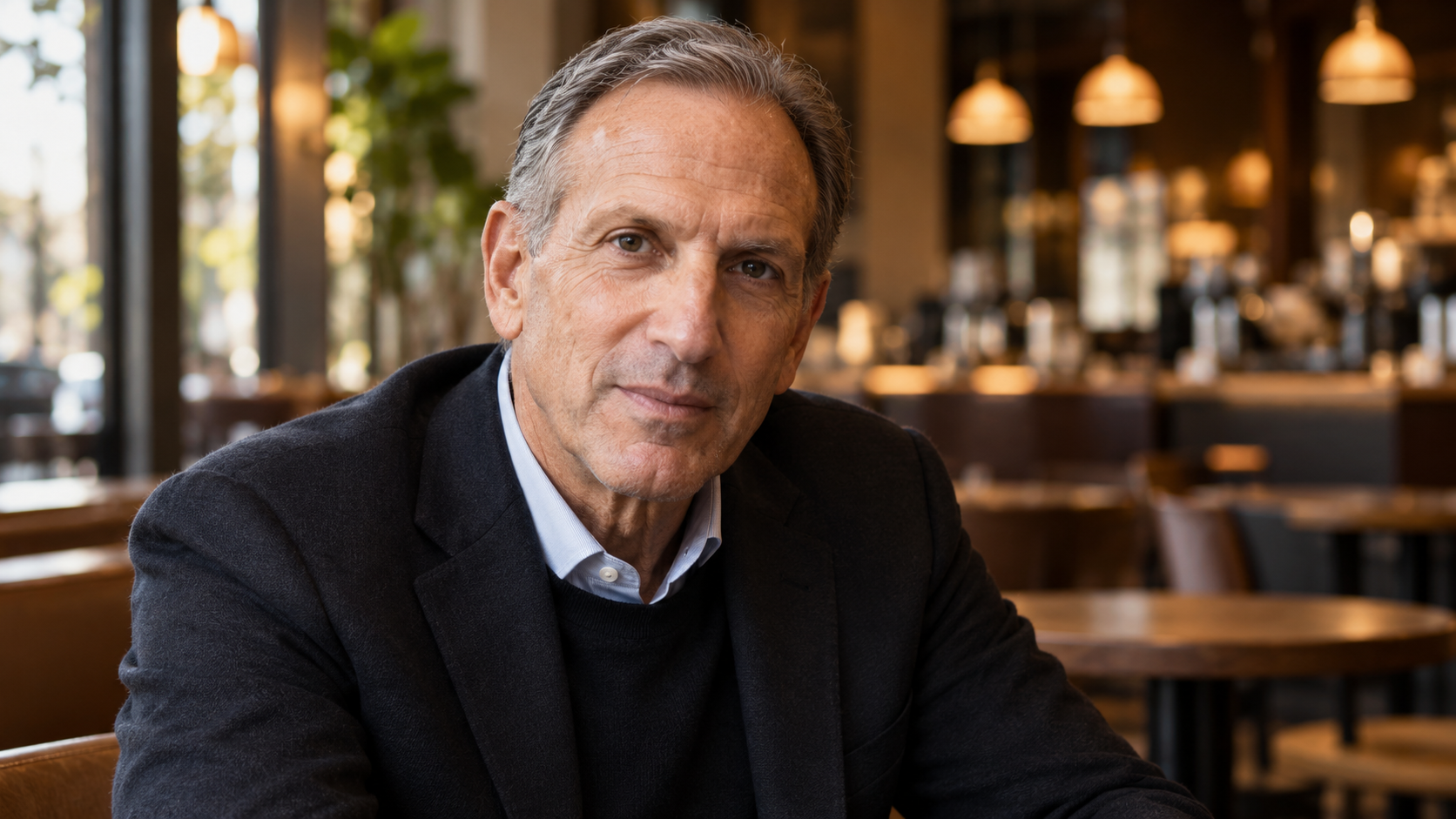
Howard Schultz’s 2016 statement turns shared success from a slogan into a test of how business gains reach employees and communities.
Mary Kay Ash’s leadership standard distinguishes earned, confident commitment from compliance produced by title or control.
Honda’s 1953 quality philosophy explains why an acceptable defect rate can still be total failure for the customer who receives it.
Matsushita’s 1932 “tap water philosophy” tied manufacturing scale to affordability, access, and a public mission beyond output alone.