Television Format Licensing
Television format licensing lets producers recreate a program’s repeatable structure while adapting execution to a local market.

Don't Just Read it – Explore It
Television format licensing lets producers recreate a program’s repeatable structure while adapting execution to a local market.
Closed captions turn dialogue and important audio information into timed text that viewers can switch on when needed.
Broadcast standards and practices applies rules and editorial judgment to what airs, when it airs, and how sensitive material is presented.
Soap operas build open-ended serial worlds in which relationships, secrets, and consequences can unfold across many years.
Game shows use transparent rules and controlled uncertainty to produce repeatable competition, suspense, and play-along appeal.
Music supervision combines creative selection with rights, budgeting, coordination, and delivery for every musical element on screen.
A&R connects artists and songs with a label’s resources, guiding creative development while balancing audience and business realities.
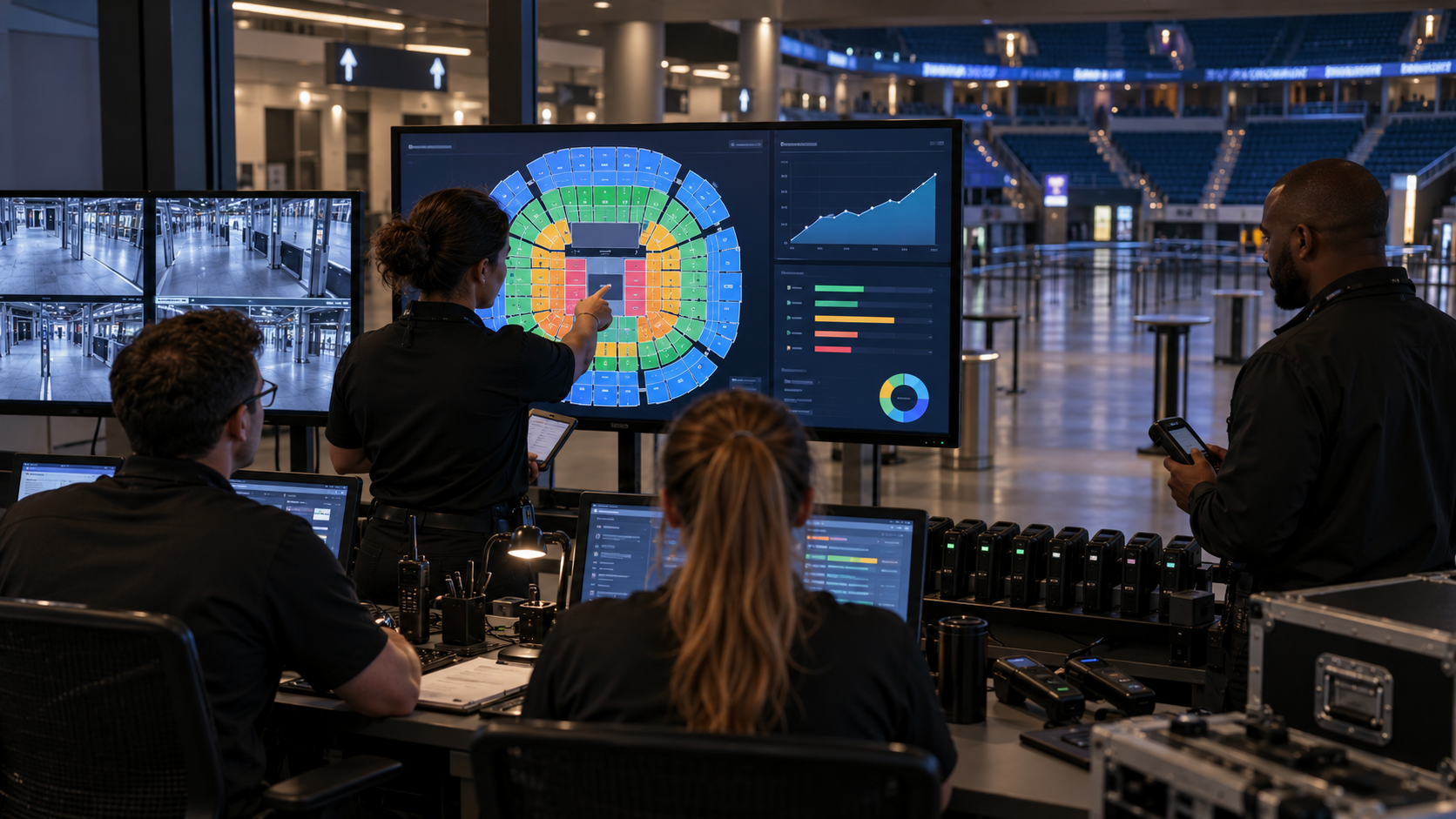
Concert ticketing coordinates limited seats, prices, access rules, identity, transfer, resale, fees, and entry for a live event.
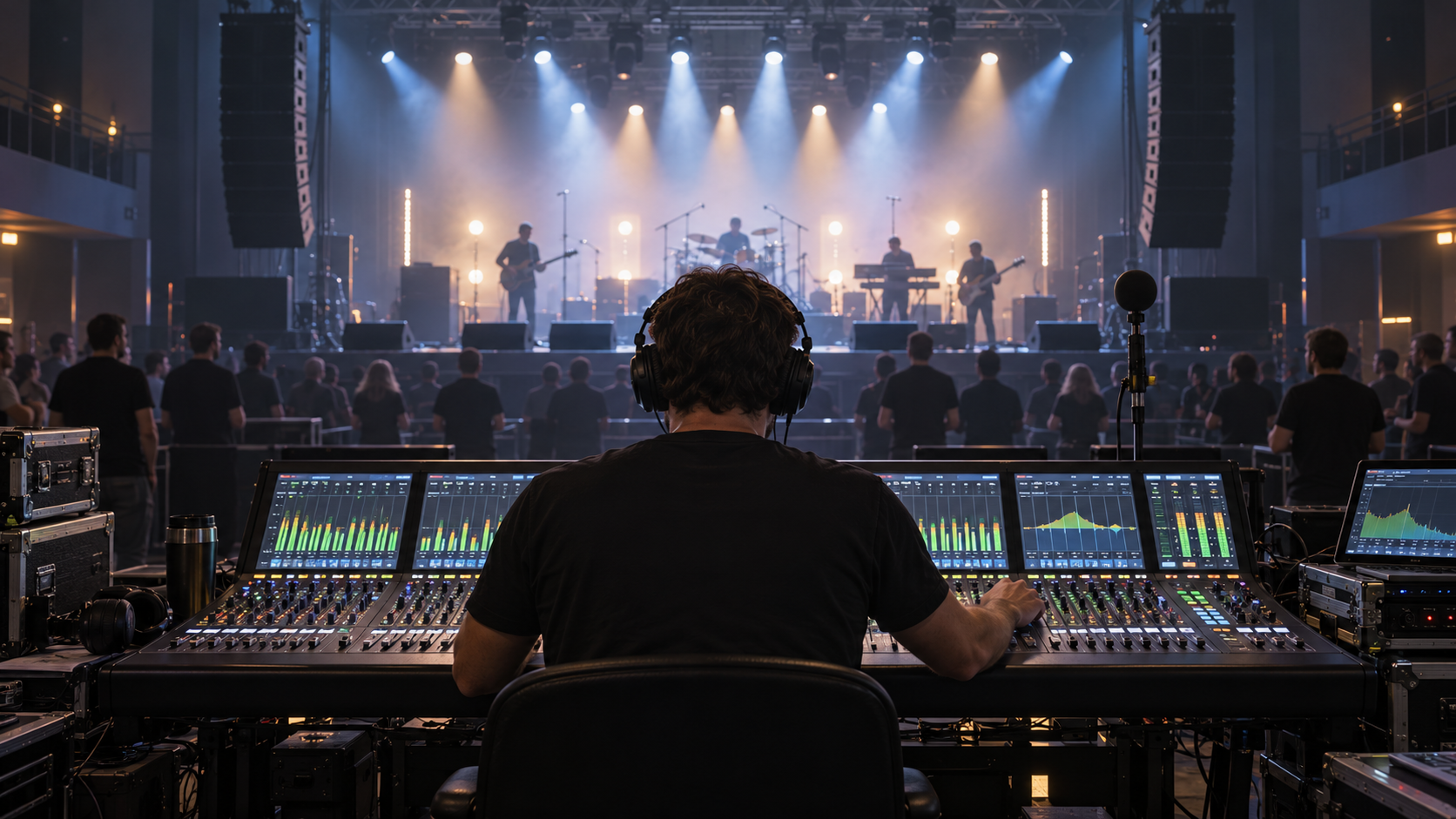
Live sound engineering turns stage sources into a balanced audience experience while controlling feedback, coverage, timing, and level.
Music awards voting separates entry, eligibility, category placement, peer ballots, tabulation, and public ceremony into controlled stages.
Self-publishing gives an author publishing control while transferring every editorial, production, distribution, and marketing decision to the project.
An ISBN is a product identifier for a particular book edition and format, helping publishers, retailers, libraries, and distributors match records.