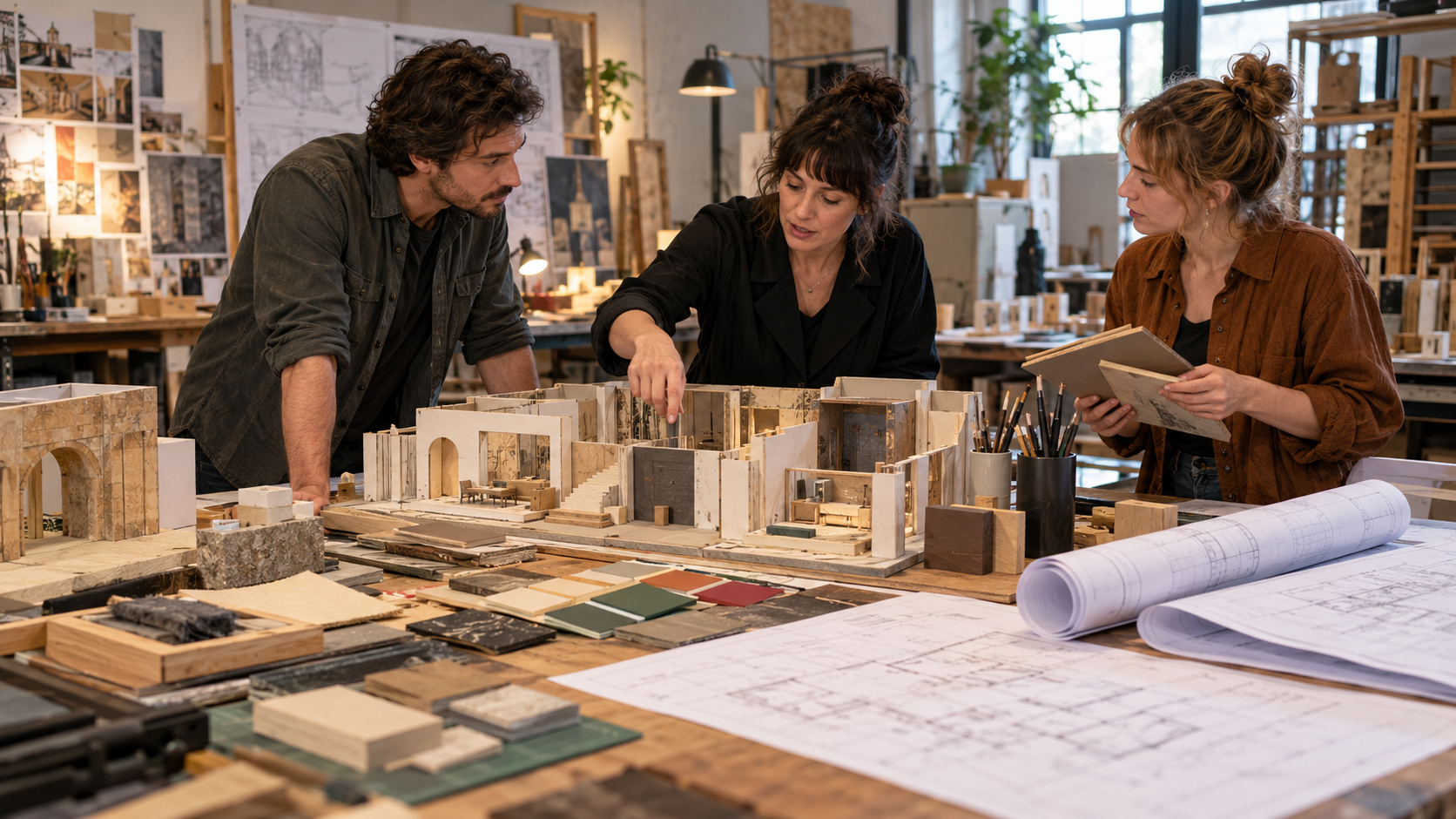
Production Design
Production design creates the physical visual world in which a screen story takes place.

Don't Just Read it – Explore It
Production design creates the physical visual world in which a screen story takes place.
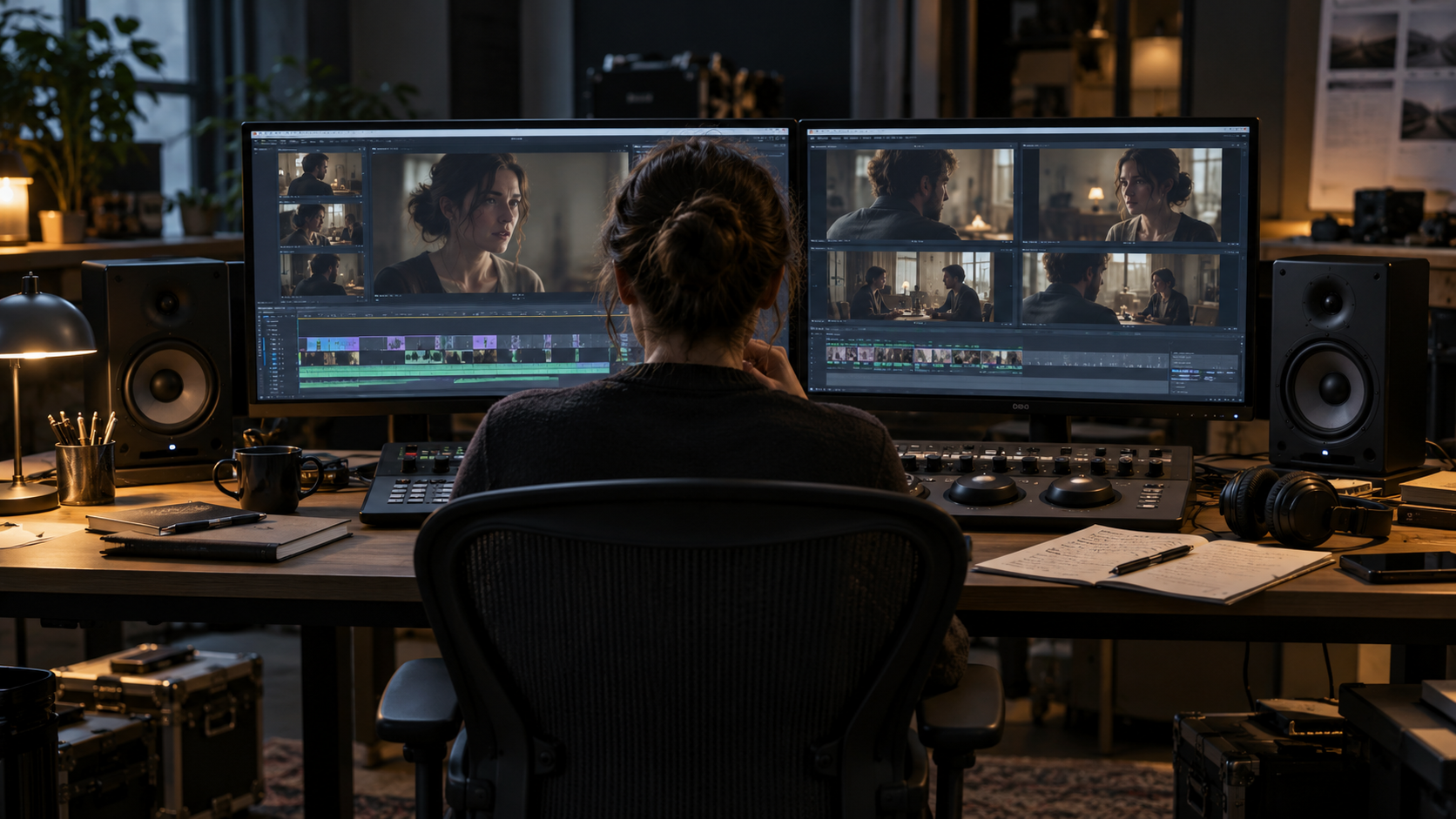
Film editing shapes recorded shots into a coherent story with deliberate rhythm and point of view.
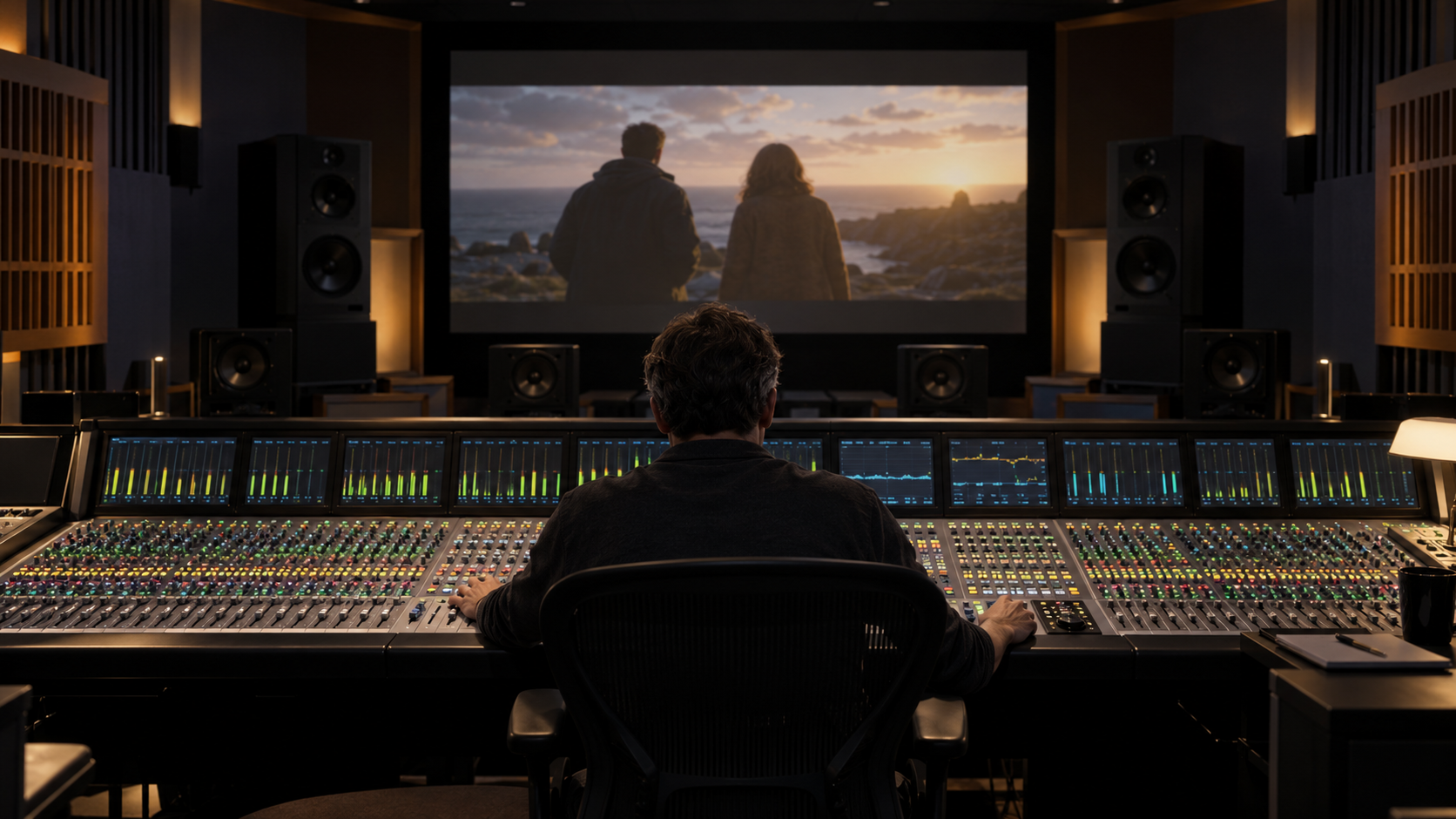
Sound mixing organizes many recorded and created elements into the soundtrack an audience finally hears.
Casting directors connect a production’s character needs with performers who can realize them on screen.
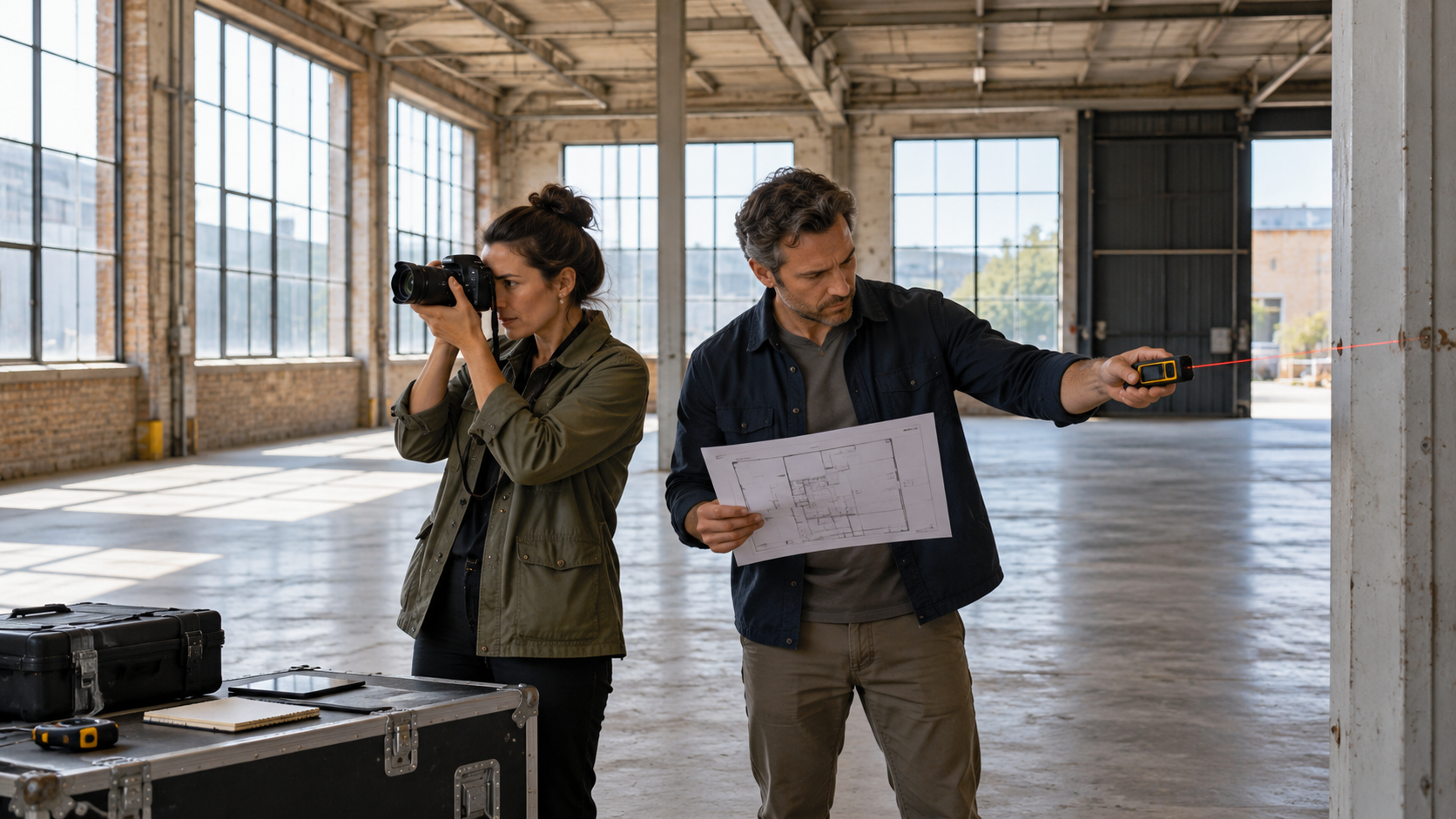
Location scouting tests whether a real place can serve both the story and the practical demands of filming.
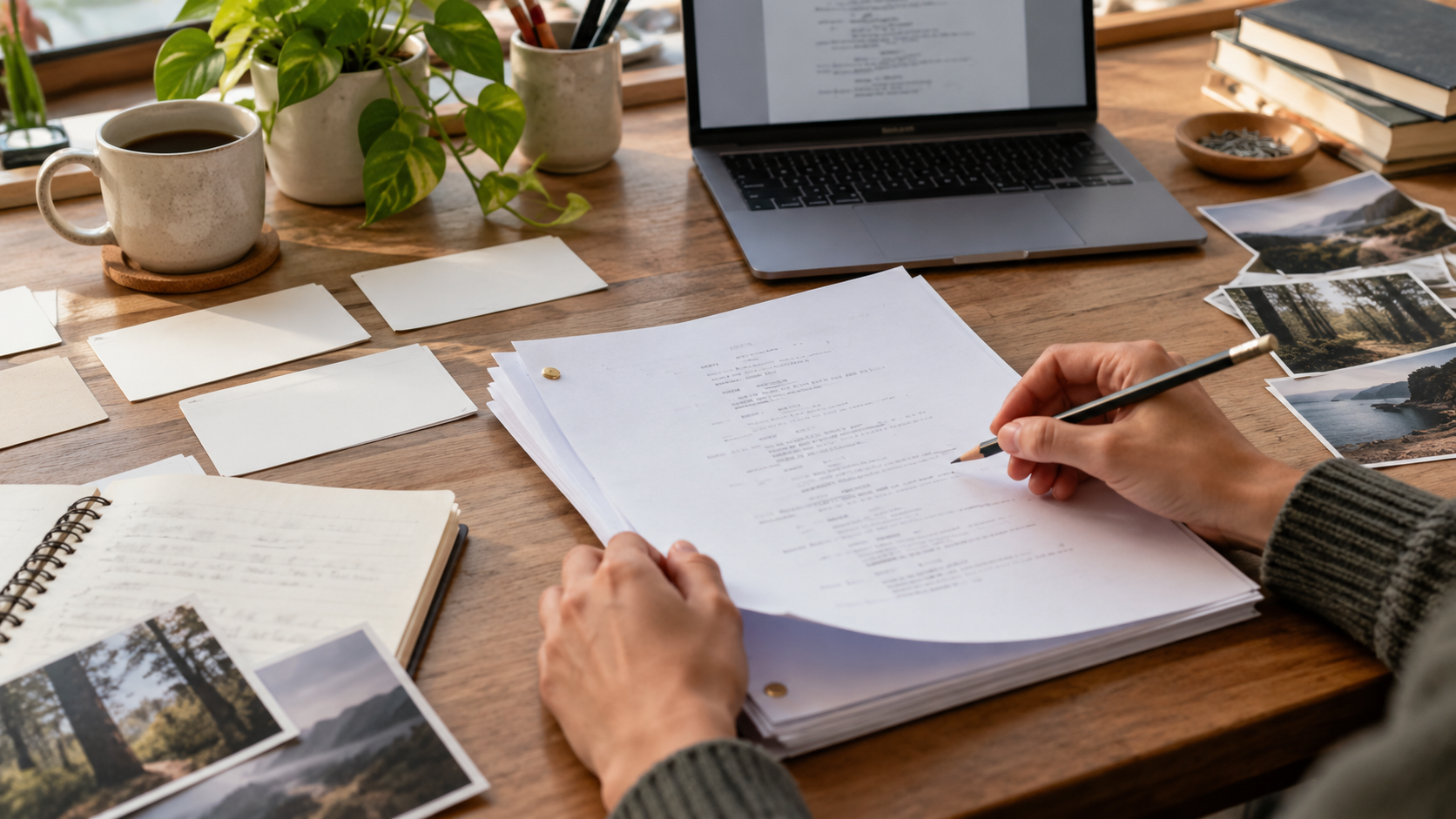
Screenwriting expresses story in scenes that can be performed, photographed, recorded, and edited.
Film distribution connects a completed movie with the companies, venues, platforms, and audiences that can show it.
Release windows organize when and where audiences can watch a movie after its cinema debut.
A cold open starts an episode before its opening titles and gives viewers an immediate reason to keep watching.
A writers’ room turns a series concept into coordinated episodes through collective story work and individual drafts.
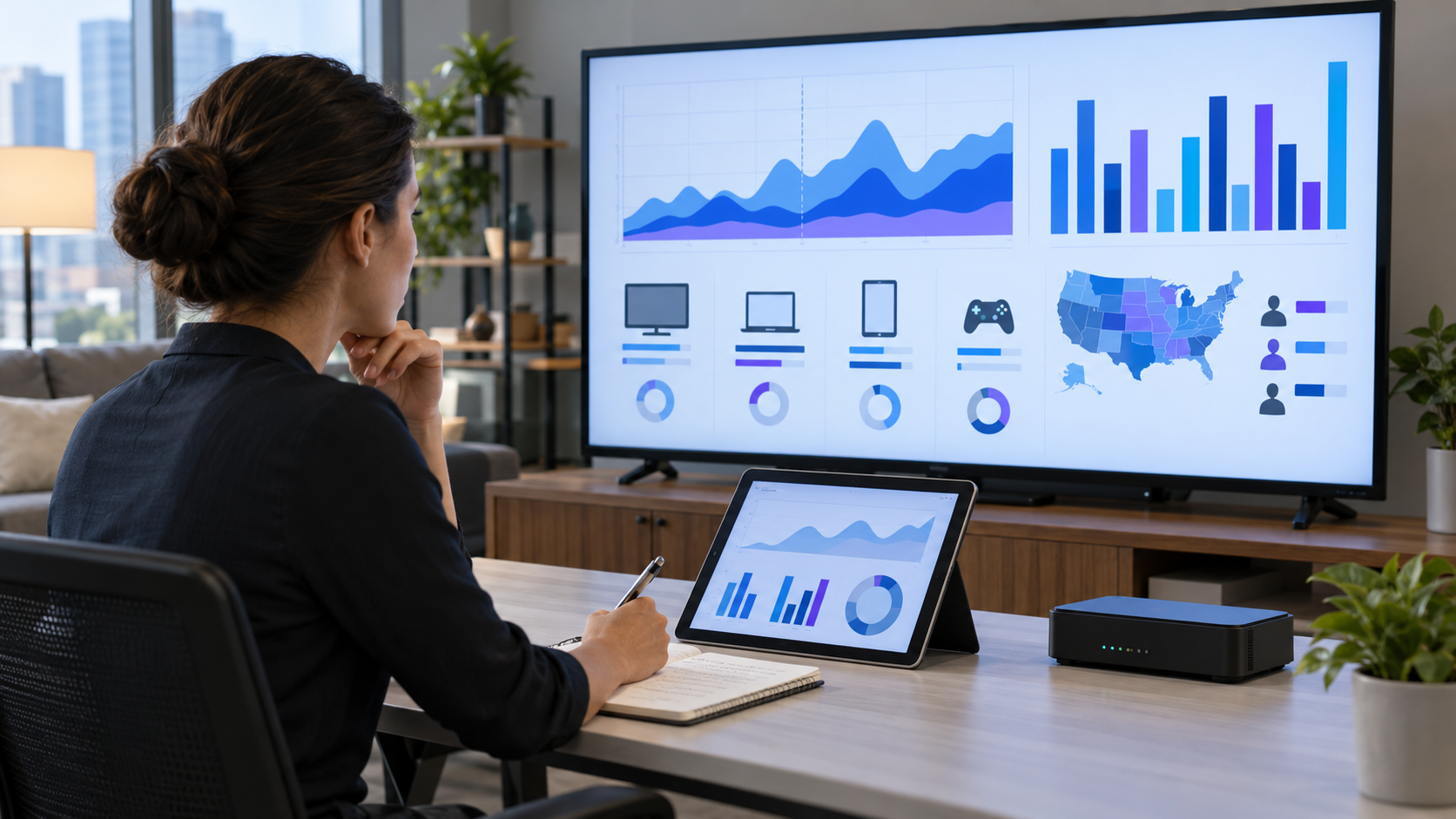
Television ratings are estimates built from measured samples, devices, and carefully defined viewing rules.
A season order is a business commitment for a defined batch of episodes, not a guarantee of unlimited production.