Tech - This Explainer

How Does HDMI Carry Digital Video and Audio?

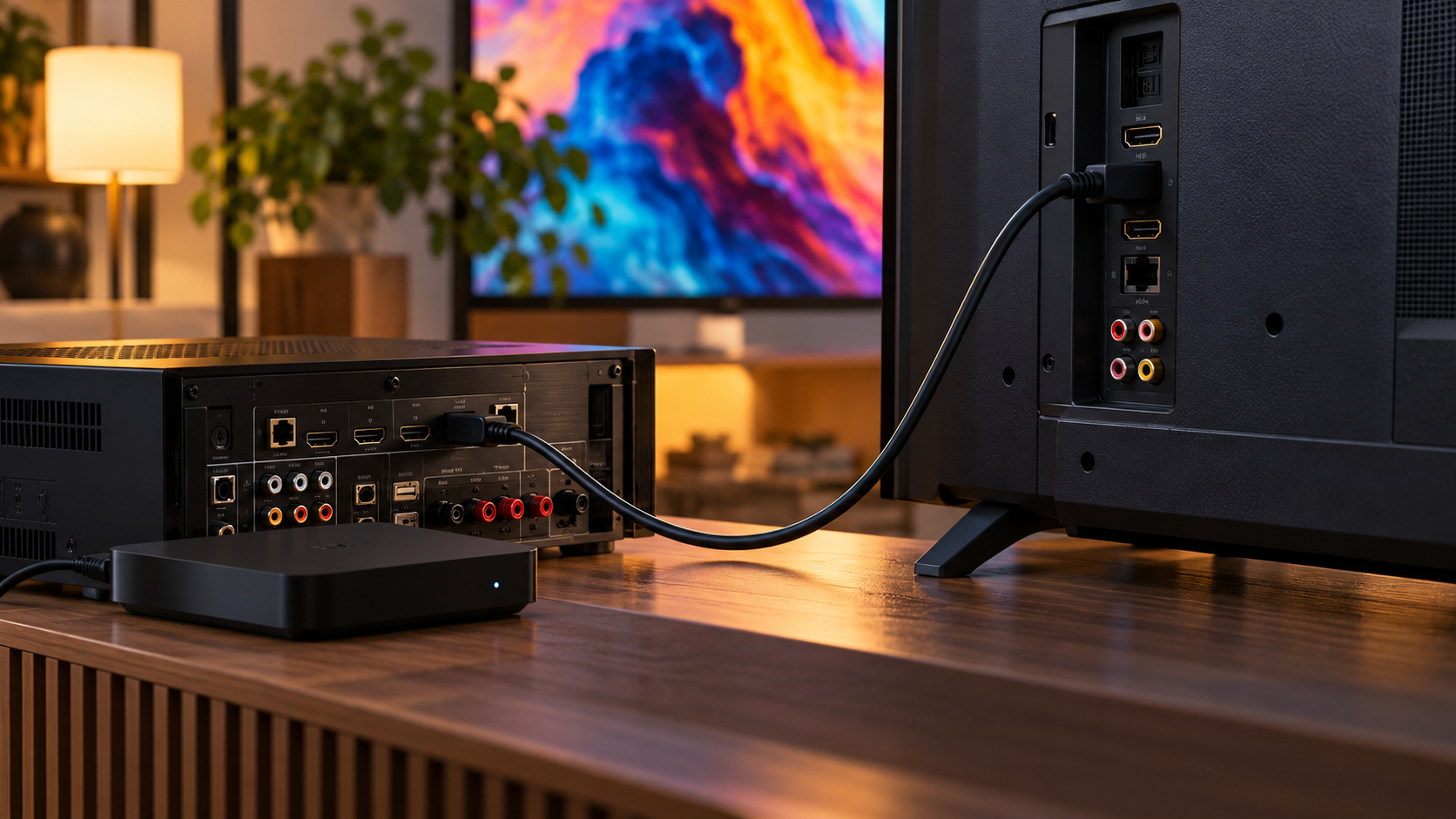
HDMI Video and Audio Explainer High-Definition Multimedia Interface, or HDMI, carries uncompressed digital video, digital audio, and control information between a source and a display or receiver. A player or computer turns each video frame into a timed stream of pixel values and adds audio samples and auxiliary data. Physical transmitters convert those bits into high-speed differential electrical signals that travel along matched wire pairs. The receiving device recovers the…
Tech - This Explainer

What Is DisplayPort Link Training?

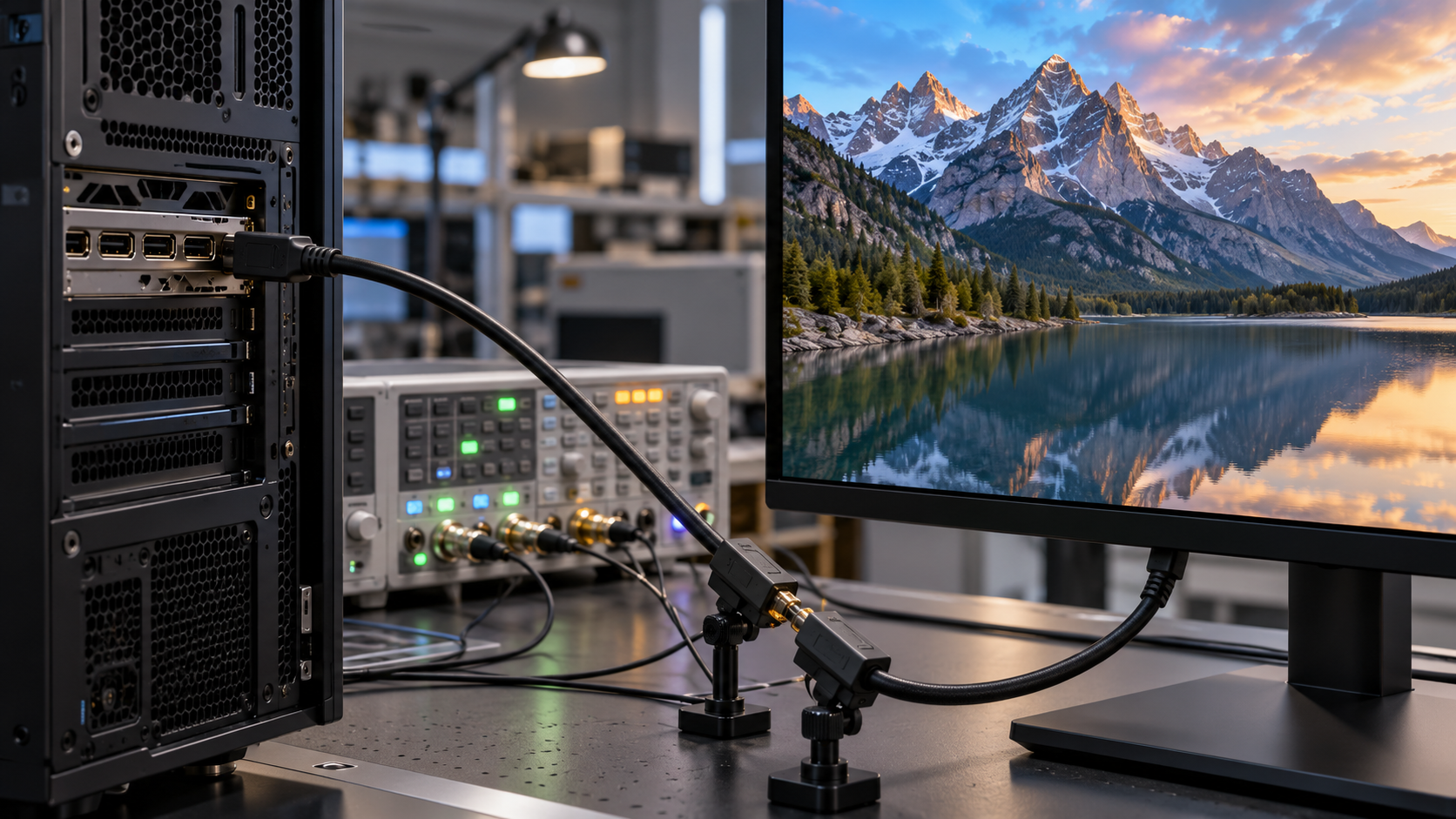
DisplayPort Link Training Explainer DisplayPort link training is the startup procedure that prepares a digital display connection before normal video travels across it. A computer, called the source, and a monitor, called the sink, are connected by one to four high-speed lanes plus an auxiliary channel. The cable and connectors introduce loss that varies with length, construction, adapters, and link rate. Instead of assuming one electrical setting will work everywhere,…

Tech - This Explainer

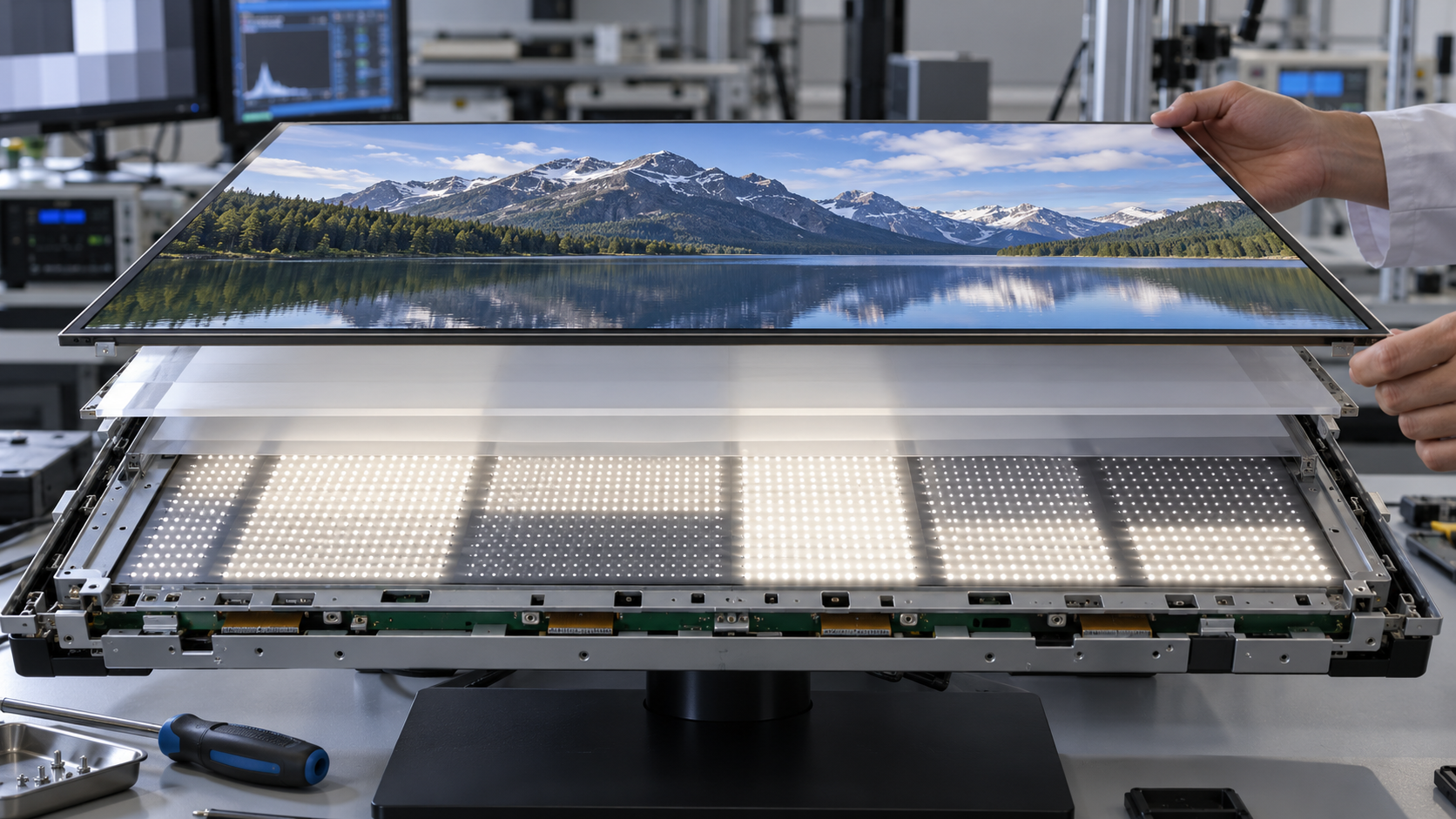
How Does Mini-LED Backlighting Improve LCDs?

Mini-LED Backlighting Explainer A Mini-LED display is still a liquid-crystal display. Its pixels do not emit light on their own; they control how much light from a rear illumination system passes through color filters. The difference is the backlight. Instead of a small number of larger edge or direct-lit LEDs, a Mini-LED panel uses hundreds or thousands of much smaller light sources spread behind the screen. Those LEDs are grouped…

Tech - This Explainer

What Is HDR Tone Mapping?

HDR Tone Mapping Explainer High-dynamic-range content can describe a wider span from dark shadows to intense highlights than many displays can reproduce. HDR tone mapping is the process that fits those values into the actual brightness and color capability of a screen. It is not a simple multiplication of every pixel. If all values were reduced equally, midtones could become dull; if highlights were simply clipped, clouds, reflections, and lamps…

Tech - This Explainer

How Does Spatial Audio Create Direction?

Spatial Audio Direction Explainer Spatial audio creates the impression that sound comes from particular directions, distances, or heights rather than from a flat left-right line. The system works by recreating cues that human hearing already interprets. A sound arriving from the right reaches the right ear slightly earlier and often louder than the left. The head and outer ears also filter frequencies according to angle. Reflections provide information about room…

Tech - This Explainer

How Does Active Noise Cancellation Work?

Active Noise Cancellation Explainer Active noise cancellation reduces unwanted sound by adding another sound that produces lower pressure at the listener’s ear. Microphones measure noise around or inside a headphone cup, and a digital controller estimates what that noise will become at the eardrum. The headphone driver then plays a counter-signal with the needed amplitude and phase. When the unwanted and controlled waves combine, their pressure variations partly cancel. The…

Tech - This Explainer

How Does Flash Memory Store Data?

Flash Memory Data Storage Explainer Flash memory stores information by changing the electrical state of microscopic transistors and retaining that state when power is removed. In a floating-gate or charge-trap cell, electrons are placed behind an insulating barrier. The trapped charge changes the voltage required to make the cell conduct. During a read, circuits apply controlled voltages and sense whether current flows. That threshold corresponds to a stored value. No…

Tech - This Explainer

What Is Error-Correcting Code Memory?

Error-Correcting Code Memory Explainer Error-correcting code memory, commonly called ECC memory, protects stored data with additional check bits. When a processor writes a data word, the memory controller calculates a code from the data and stores the resulting redundancy alongside it. On a read, the controller calculates the code again and compares it with the stored check bits. The pattern of disagreement, called a syndrome, can identify certain error locations.…

Tech - This Explainer

What Is Branch Prediction?

Branch Prediction Explainer Branch prediction lets a processor continue preparing work before it knows which instruction a conditional decision will choose. Deep pipelines fetch, decode, rename, and schedule instructions in stages. If every branch forced those stages to wait until a comparison finished, much of the processor would sit idle. A predictor guesses whether the branch will be taken and, when needed, where it will go. The front end fetches…

Tech - This Explainer

What Is Direct Memory Access?

Direct Memory Access Explainer Direct memory access, or DMA, lets hardware move data between a device and main memory without making the CPU copy every byte with load and store instructions. The processor and operating system still control the operation. A driver allocates or identifies a buffer, gives the device or DMA engine the necessary address and length, and starts the transfer. The controller then reads or writes memory through…

Tech - This Explainer

How Does Ethernet Autonegotiation Work?

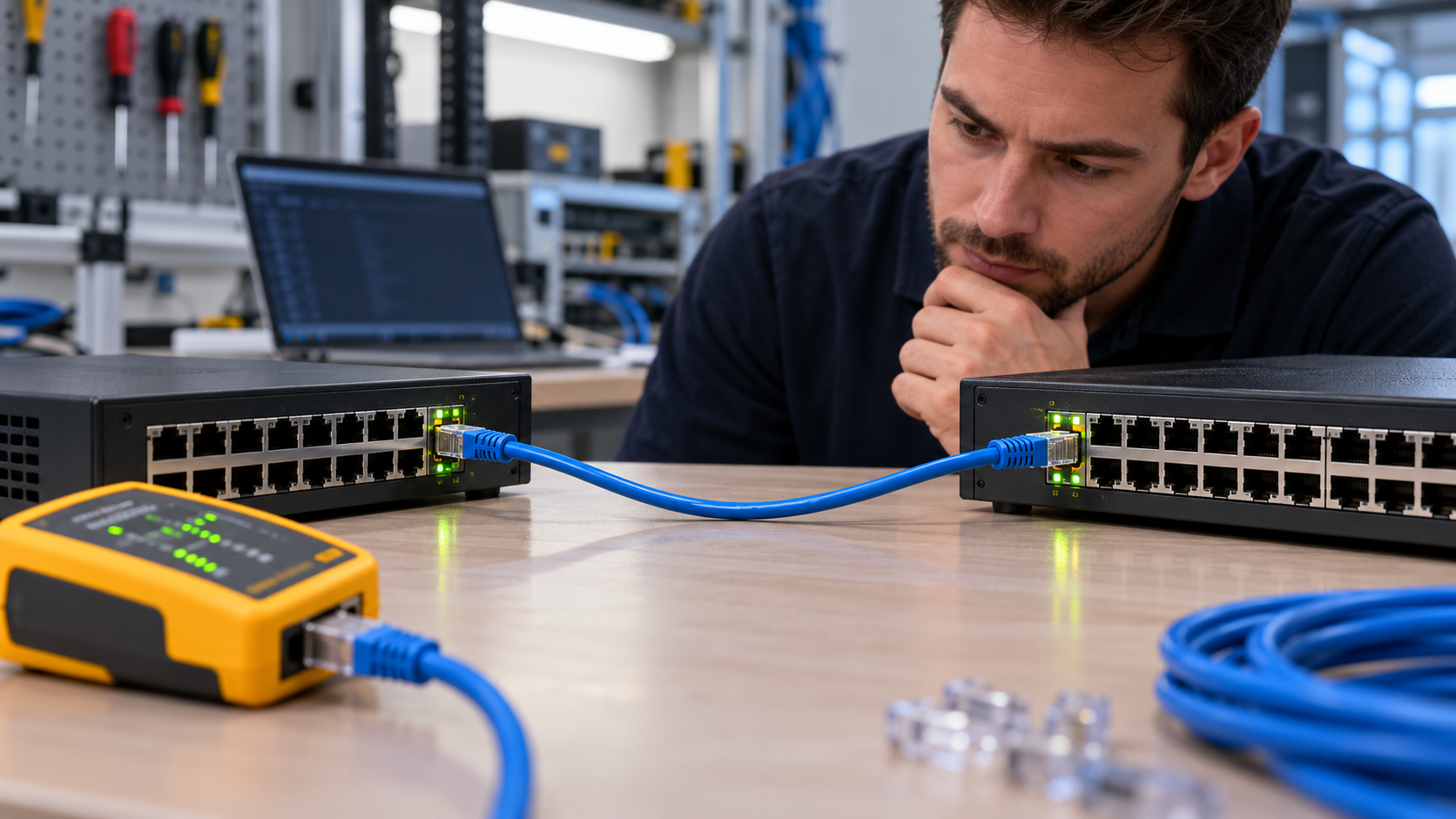
Ethernet Autonegotiation Explainer Ethernet autonegotiation is the startup conversation that lets two connected ports choose compatible link settings. Each side advertises capabilities such as supported speeds and duplex modes. Both ports apply the same priority rules to the two advertisements and select the best common result. This avoids requiring an administrator to configure every cable end manually and helps new equipment interoperate with older standards. On familiar twisted-pair links, the…

Tech - This Explainer

How Does Network Time Protocol Synchronize Clocks?

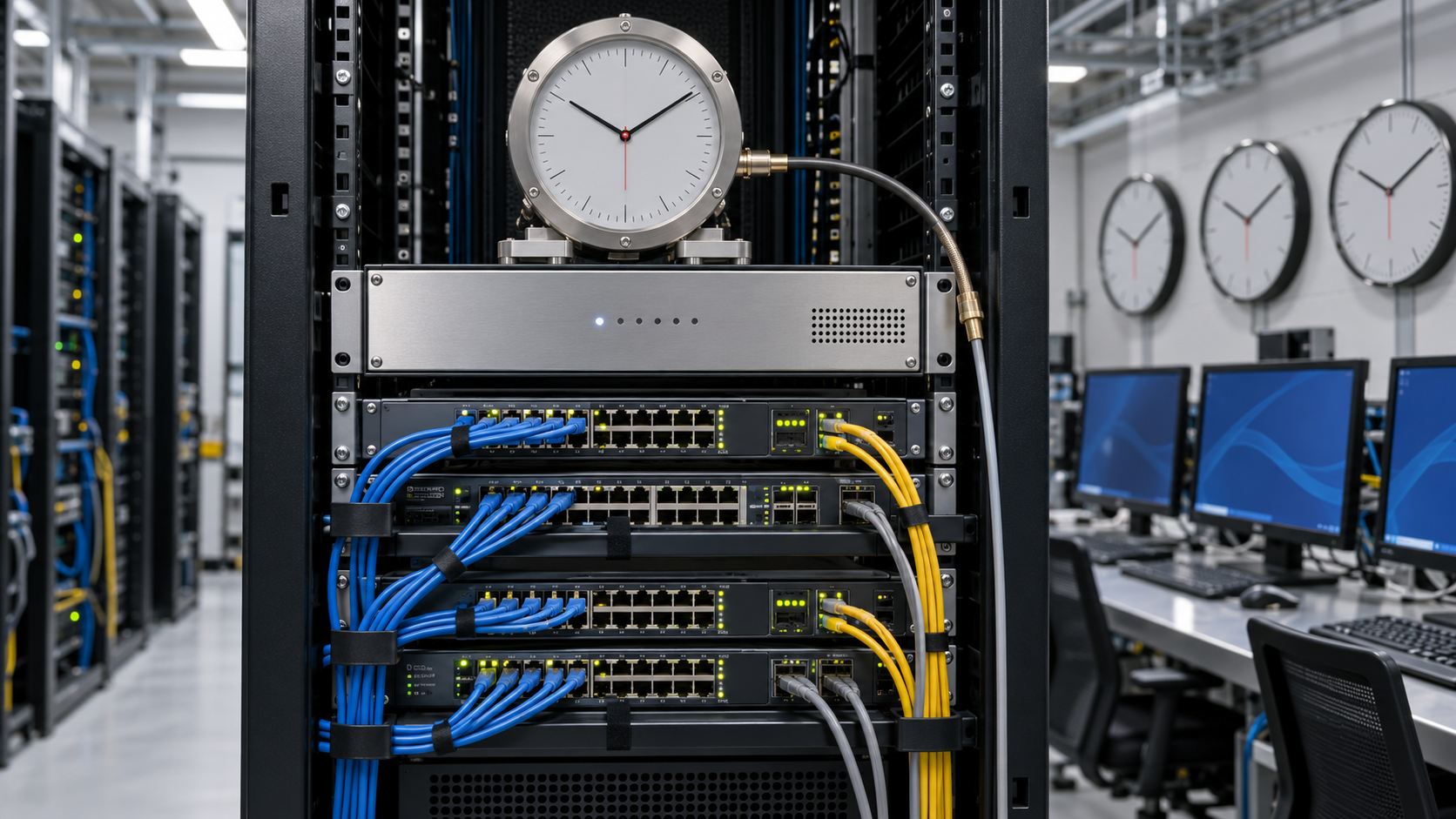
Network Time Protocol Explainer Network Time Protocol, or NTP, keeps computers close to a common time despite imperfect local oscillators and variable network delay. A client exchanges timestamped messages with one or more servers. From four key times—when the request left, when it arrived, when the response left, and when it returned—the client estimates its clock offset and the round-trip delay. It cannot know the exact one-way delay without additional…