How Coronal Mass Ejections Launch Into Space
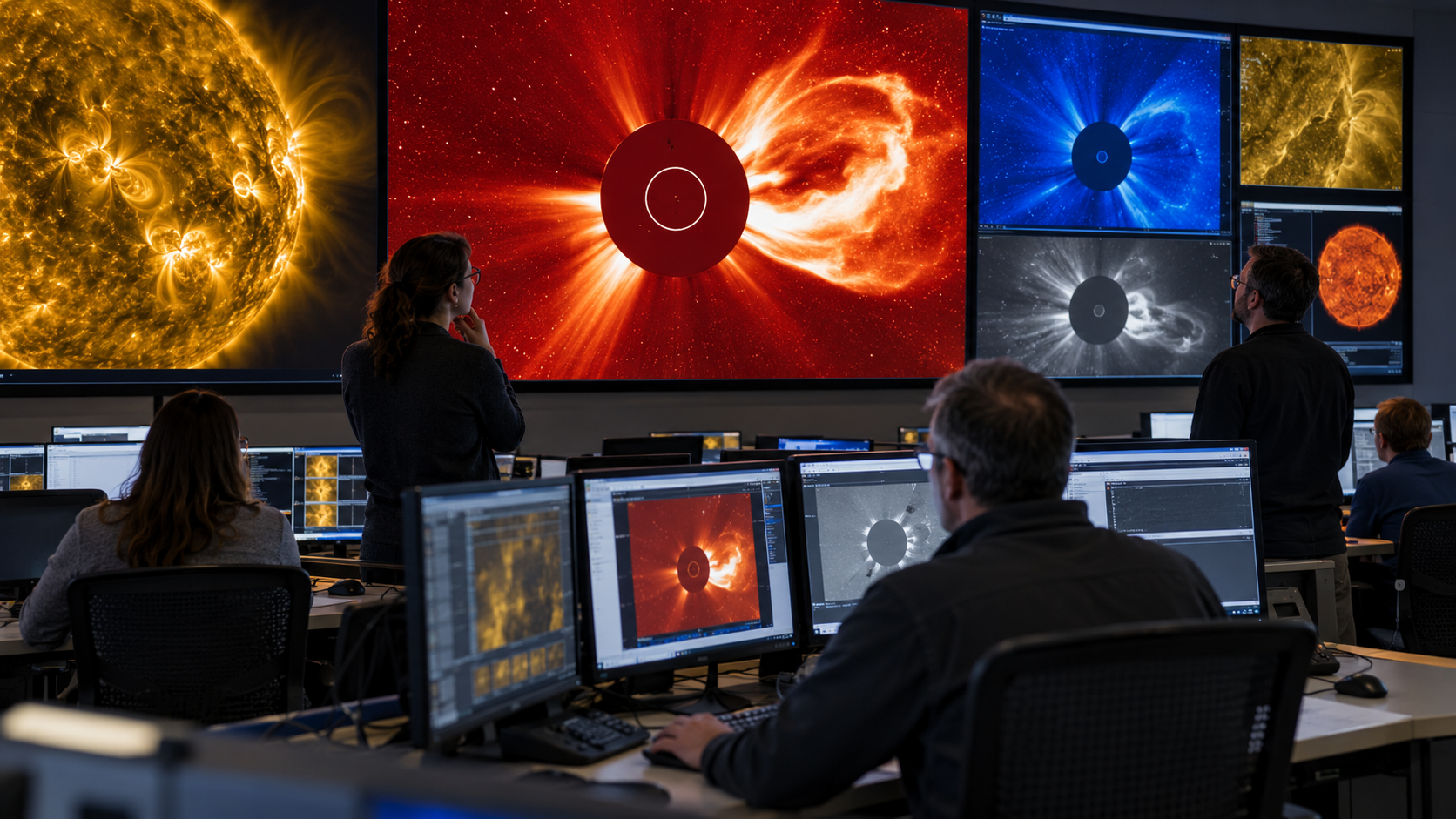
Stressed solar magnetic fields can erupt and expel vast clouds of magnetized plasma from the corona into interplanetary space.

Don't Just Read it – Explore It

Ice-T says his reduced screen time on this season of “Law & Order: SVU” comes down to budgeting and cast…

Breaking Rust is a computer-generated country artist whose song “Walk My Walk” just hit No. 1 on Billboard’s Country Digital…

Loading… Key Takeaways The Top 10 cutest cat breeds blend striking physical features with warm, affectionate personalities that appeal to…

Elon Musk says artificial intelligence and advanced robotics could make traditional work optional within the next 10–20 years. Speaking at…

The founder of Yara AI, a mental-health chatbot, has shut the app down after concluding it posed unacceptable risks to…

Black Friday isn’t the blockbuster shopping event it once was. Retailers have stretched deals across weeks, foot traffic is flat,…

Mick Jagger, now 82, continues to perform with remarkable stamina thanks to a highly disciplined lifestyle centered on daily movement,…
Stressed solar magnetic fields can erupt and expel vast clouds of magnetized plasma from the corona into interplanetary space.
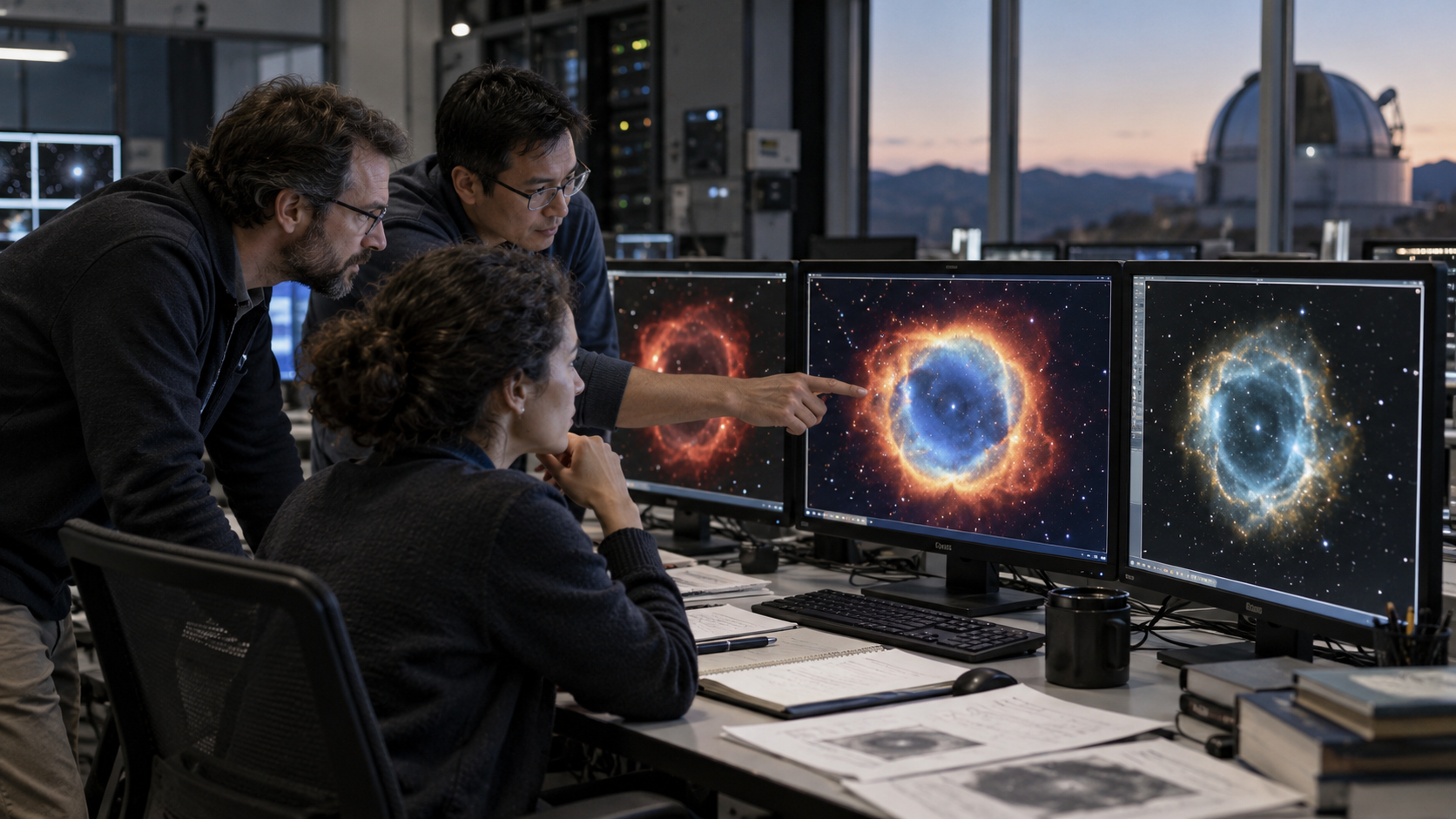
Aging low- and intermediate-mass stars expel outer layers that glow when ultraviolet light from the exposed hot core ionizes the gas.
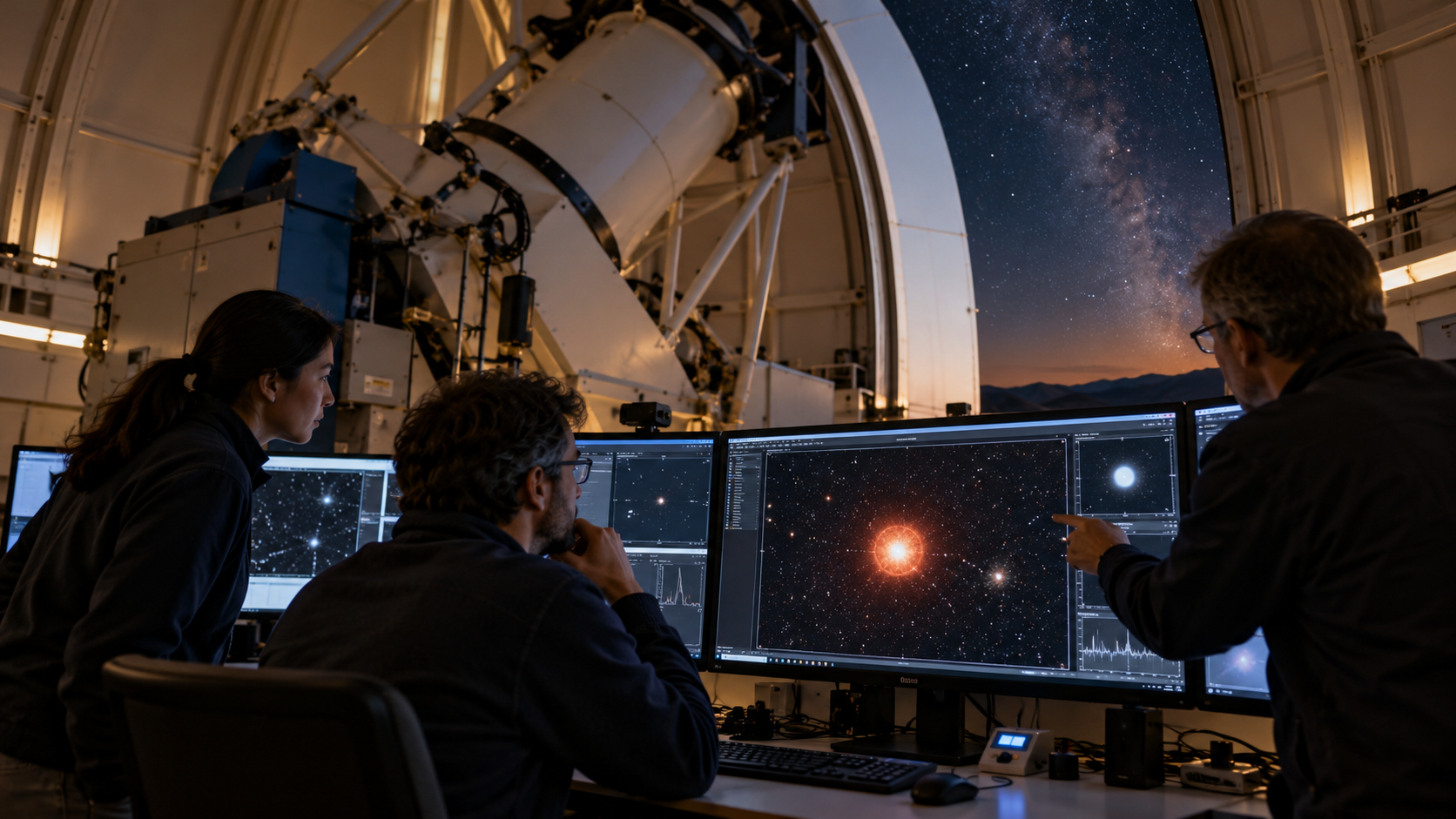
When core hydrogen is depleted, contraction heats the interior and shell fusion drives a star’s outer envelope to expand and cool.
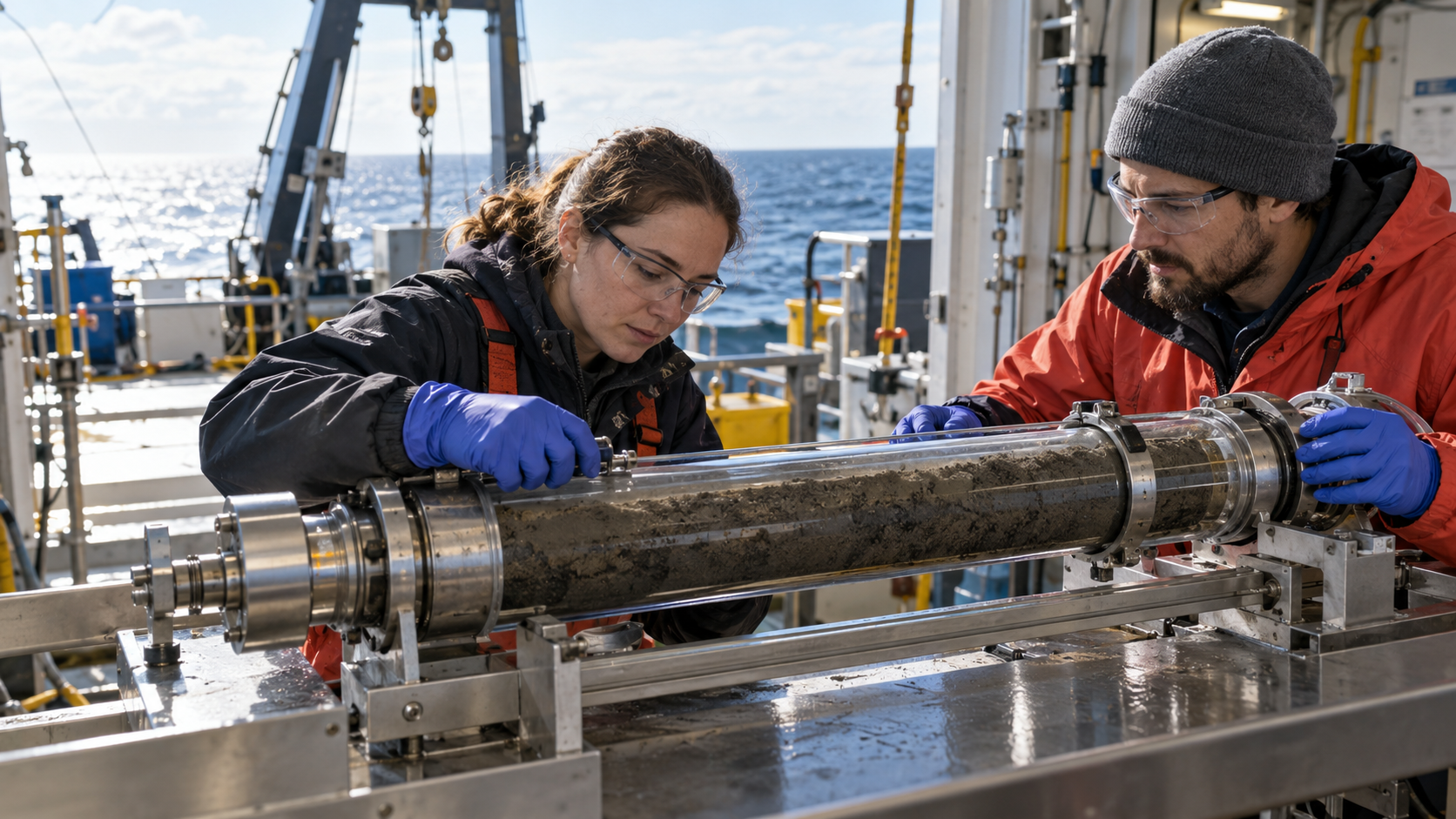
At high pressure and low temperature, water molecules form crystalline cages that trap methane within marine sediments.
A layer of warmer air above cooler surface air suppresses vertical mixing, allowing emitted pollutants to accumulate near the ground.
Curved flow erodes outer banks and deposits sediment on inner banks, causing river bends to migrate and sometimes cut off.
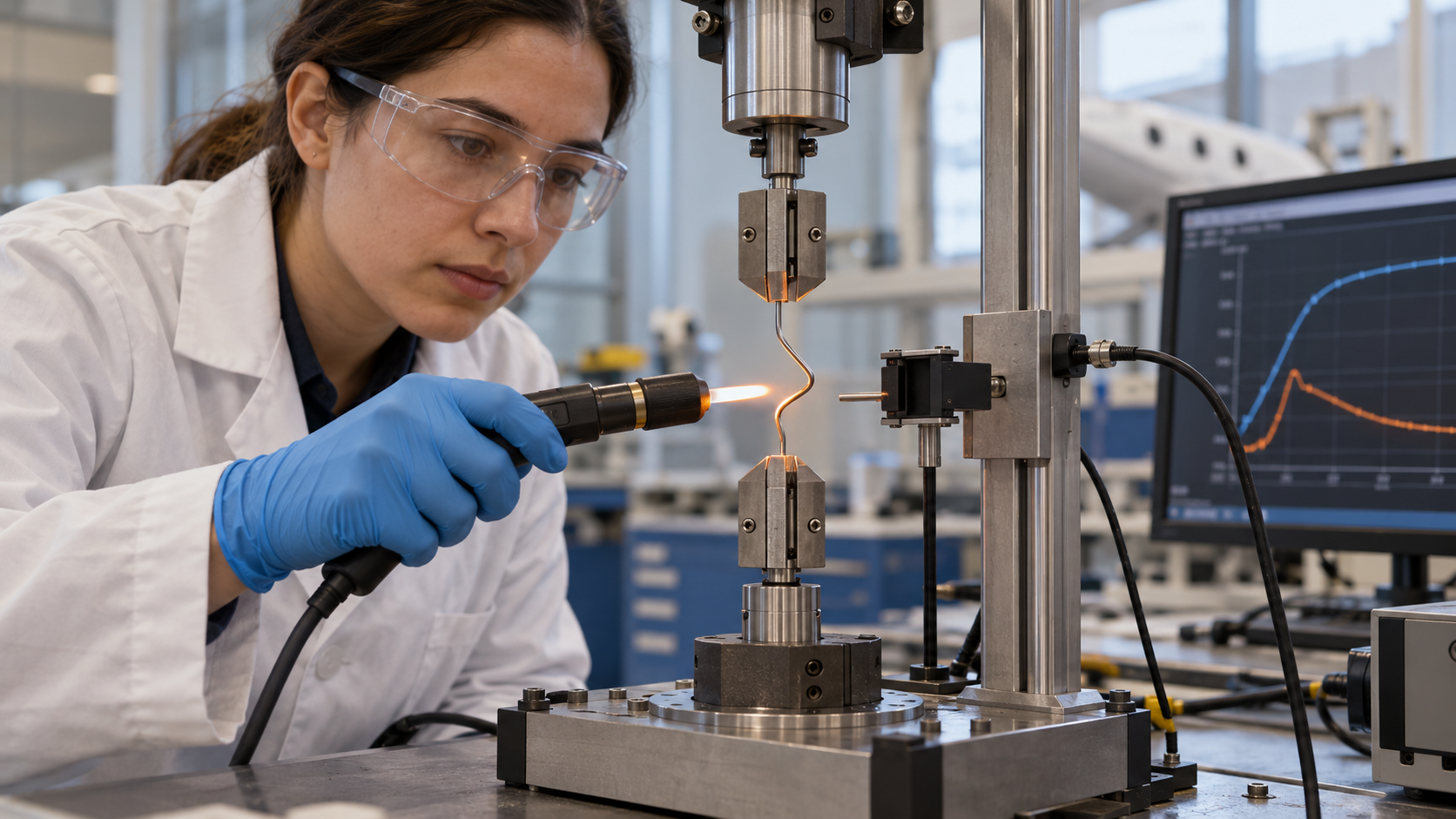
Shape-memory alloys recover trained shapes through reversible solid-state transformations between differently arranged crystal phases.
Metal-organic frameworks use tunable crystalline pores and chemical binding sites to adsorb and separate selected gas molecules.
Chiral molecules can exist as non-superimposable mirror images that interact differently with other chiral molecules, enzymes, and receptors.
Oxidation removes electrons from one species while reduction adds them to another, coupling donors and acceptors in the same reaction.
Higher temperature usually increases reaction rates by raising collision frequency and the fraction of molecules able to cross an activation barrier.
At chemical equilibrium, forward and reverse reaction rates match; changes in conditions shift the composition toward a new equilibrium.