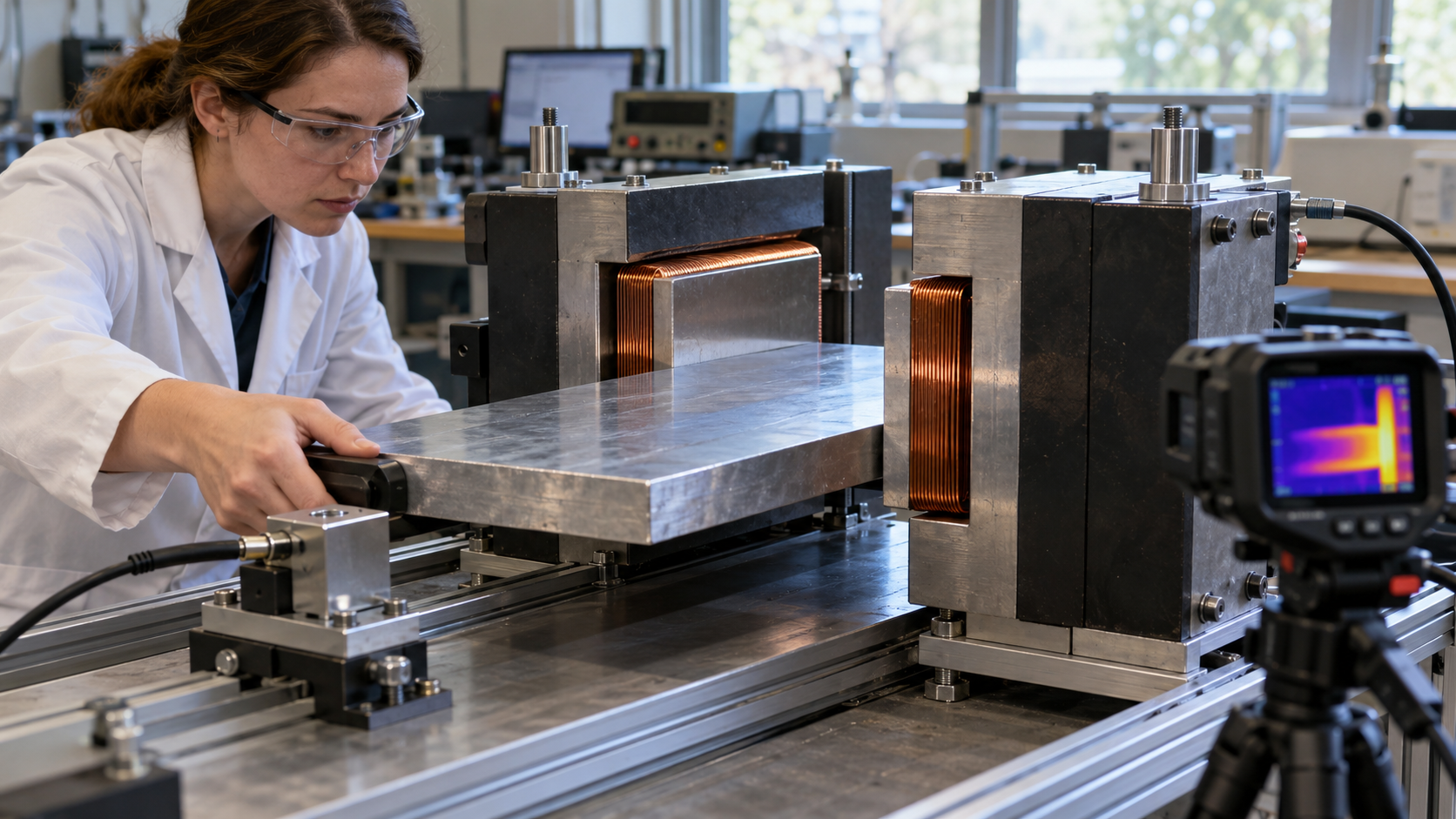
How Eddy Currents Resist Motion
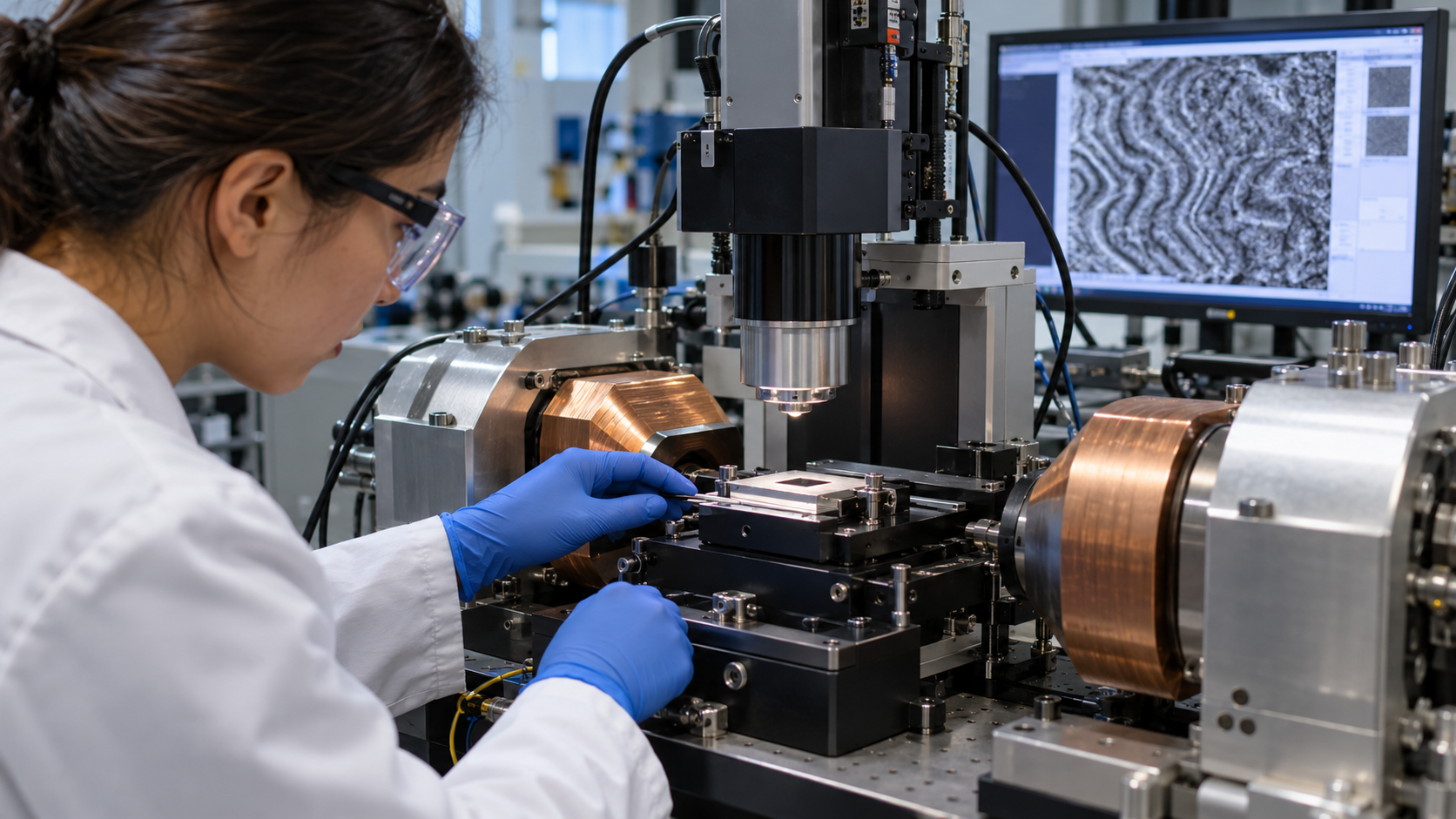
Changing magnetic flux induces circulating currents in conductors, whose magnetic fields oppose the change that created them.

Don't Just Read it – Explore It

Ice-T says his reduced screen time on this season of “Law & Order: SVU” comes down to budgeting and cast…

Breaking Rust is a computer-generated country artist whose song “Walk My Walk” just hit No. 1 on Billboard’s Country Digital…

Loading… Key Takeaways The Top 10 cutest cat breeds blend striking physical features with warm, affectionate personalities that appeal to…

Elon Musk says artificial intelligence and advanced robotics could make traditional work optional within the next 10–20 years. Speaking at…

The founder of Yara AI, a mental-health chatbot, has shut the app down after concluding it posed unacceptable risks to…

Black Friday isn’t the blockbuster shopping event it once was. Retailers have stretched deals across weeks, foot traffic is flat,…

Mick Jagger, now 82, continues to perform with remarkable stamina thanks to a highly disciplined lifestyle centered on daily movement,…
Changing magnetic flux induces circulating currents in conductors, whose magnetic fields oppose the change that created them.
Permanent magnets retain net magnetization when many atomic moments remain aligned in domains that resist reversal after an external field is removed.
Finite apertures spread light into diffraction patterns, causing nearby image points to overlap and limiting conventional optical resolution.
Interferometers split coherent light into paths and convert tiny path-length changes into measurable shifts in brightness or phase.
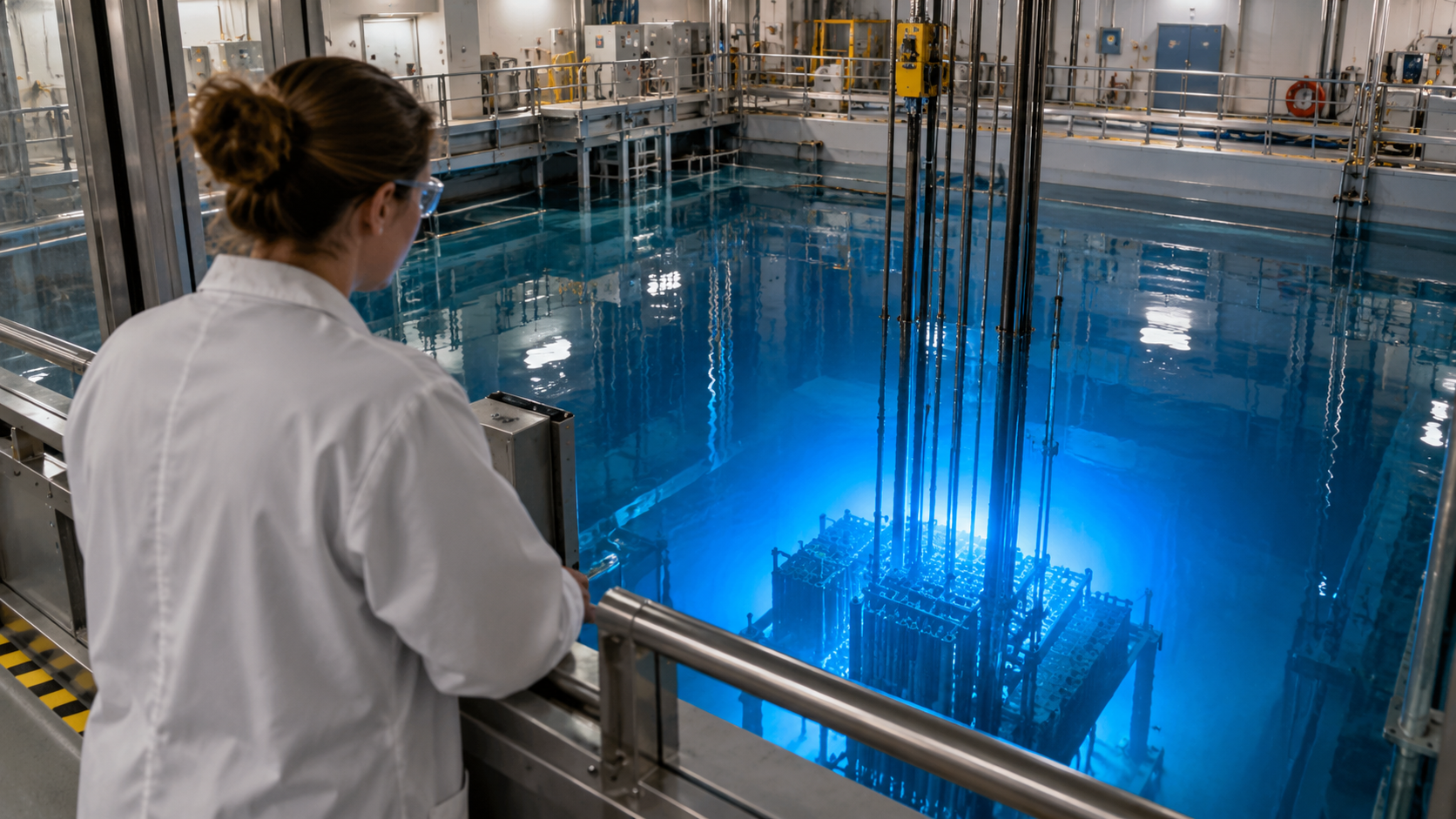
Cherenkov light appears when a charged particle moves through a transparent medium faster than light propagates in that medium.
An ideal blackbody emits a continuous spectrum determined only by temperature, linking brightness and peak wavelength to thermal state.
Convection combines heat exchange at a surface with the bulk motion and mixing of a liquid or gas.
Thermal conduction transfers energy through microscopic interactions inside matter, producing heat flow from hotter regions toward cooler ones.
Random thermal motion creates a net particle flux from high concentration toward low concentration until distributions become more even.
Brownian motion is the irregular movement of small suspended particles caused by countless uneven collisions with molecules in the surrounding fluid.
Molecular chaperones shield exposed hydrophobic regions, use ATP-driven binding cycles, and give proteins additional chances to fold correctly.
Allosteric molecules bind away from an enzyme’s active site and shift its conformational balance, changing catalytic activity.