How Cells Communicate Through Receptors
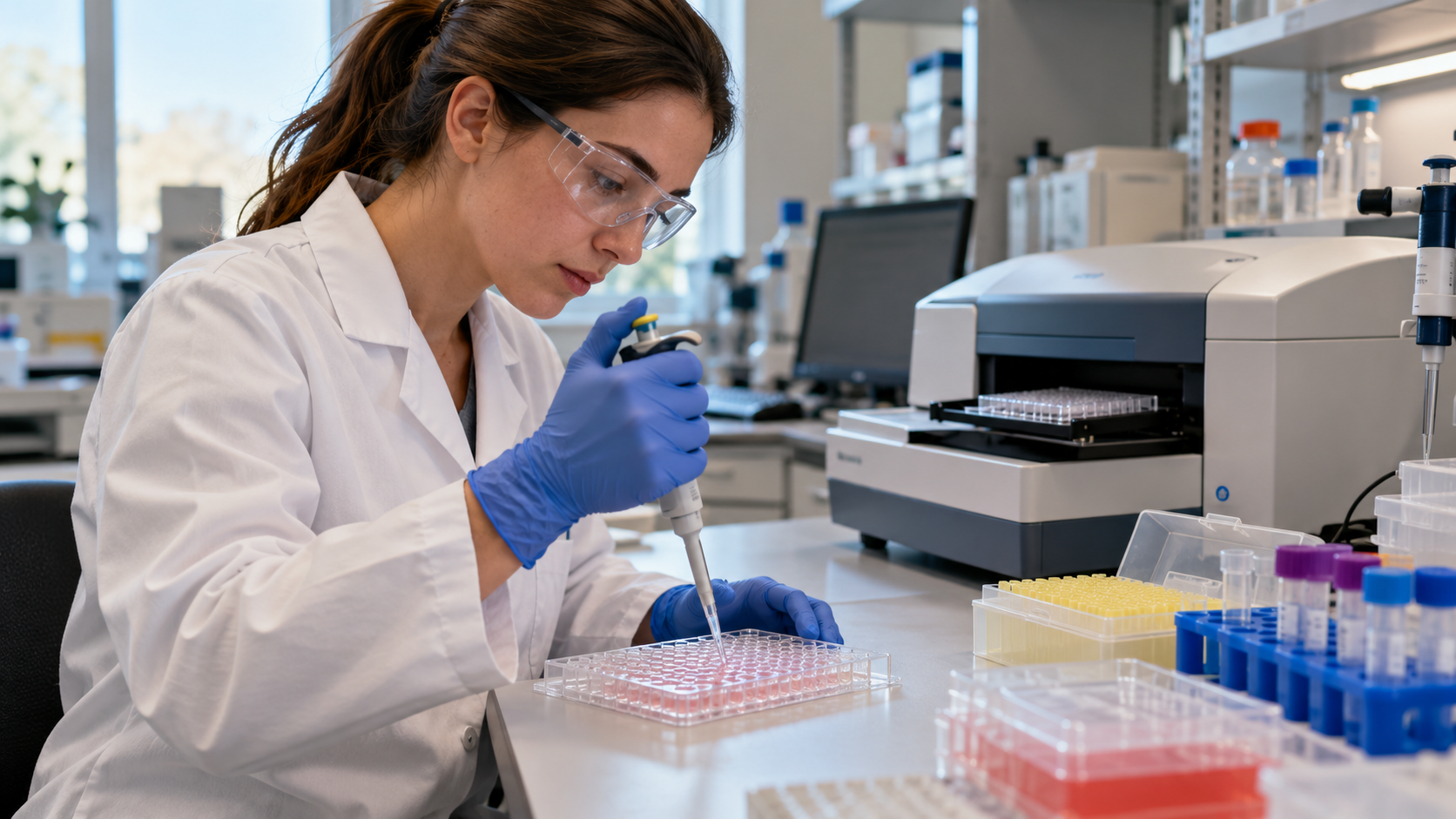
Receptors recognize extracellular signals and translate binding into intracellular changes through ion flow, enzymes, second messengers, scaffolds, and gene regulation.

Don't Just Read it – Explore It

Ice-T says his reduced screen time on this season of “Law & Order: SVU” comes down to budgeting and cast…

Breaking Rust is a computer-generated country artist whose song “Walk My Walk” just hit No. 1 on Billboard’s Country Digital…

Loading… Key Takeaways The Top 10 cutest cat breeds blend striking physical features with warm, affectionate personalities that appeal to…

Elon Musk says artificial intelligence and advanced robotics could make traditional work optional within the next 10–20 years. Speaking at…

The founder of Yara AI, a mental-health chatbot, has shut the app down after concluding it posed unacceptable risks to…

Black Friday isn’t the blockbuster shopping event it once was. Retailers have stretched deals across weeks, foot traffic is flat,…

Mick Jagger, now 82, continues to perform with remarkable stamina thanks to a highly disciplined lifestyle centered on daily movement,…
Receptors recognize extracellular signals and translate binding into intracellular changes through ion flow, enzymes, second messengers, scaffolds, and gene regulation.
Motile cilia beat in coordinated waves, using microtubule motors and flexible linkages to move mucus, reproductive fluids, or embryonic fluid along tissue surfaces.
Specialized brain-vessel cells seal many gaps, restrict vesicle traffic, and use selective transporters to control which molecules move between blood and neural tissue.
Insulin signals after a meal to move glucose into responsive cells, store fuel, and restrain liver glucose output while counterregulatory hormones protect against lows.
Hemoglobin inside flexible red blood cells binds oxygen in the lungs, releases it in tissues, and also helps transport carbon dioxide and buffer acidity.
Complement is a blood-protein cascade that labels microbial surfaces, recruits inflammation, and can assemble membrane pores while host regulators limit collateral damage.
B cells assemble diverse receptors, recognize matching antigens, receive activation signals, and become plasma cells that release large amounts of refined antibody.
CRISPR systems use a programmable guide RNA and a DNA-cutting protein to find a sequence, alter it, and rely on cellular repair to finish the edit.
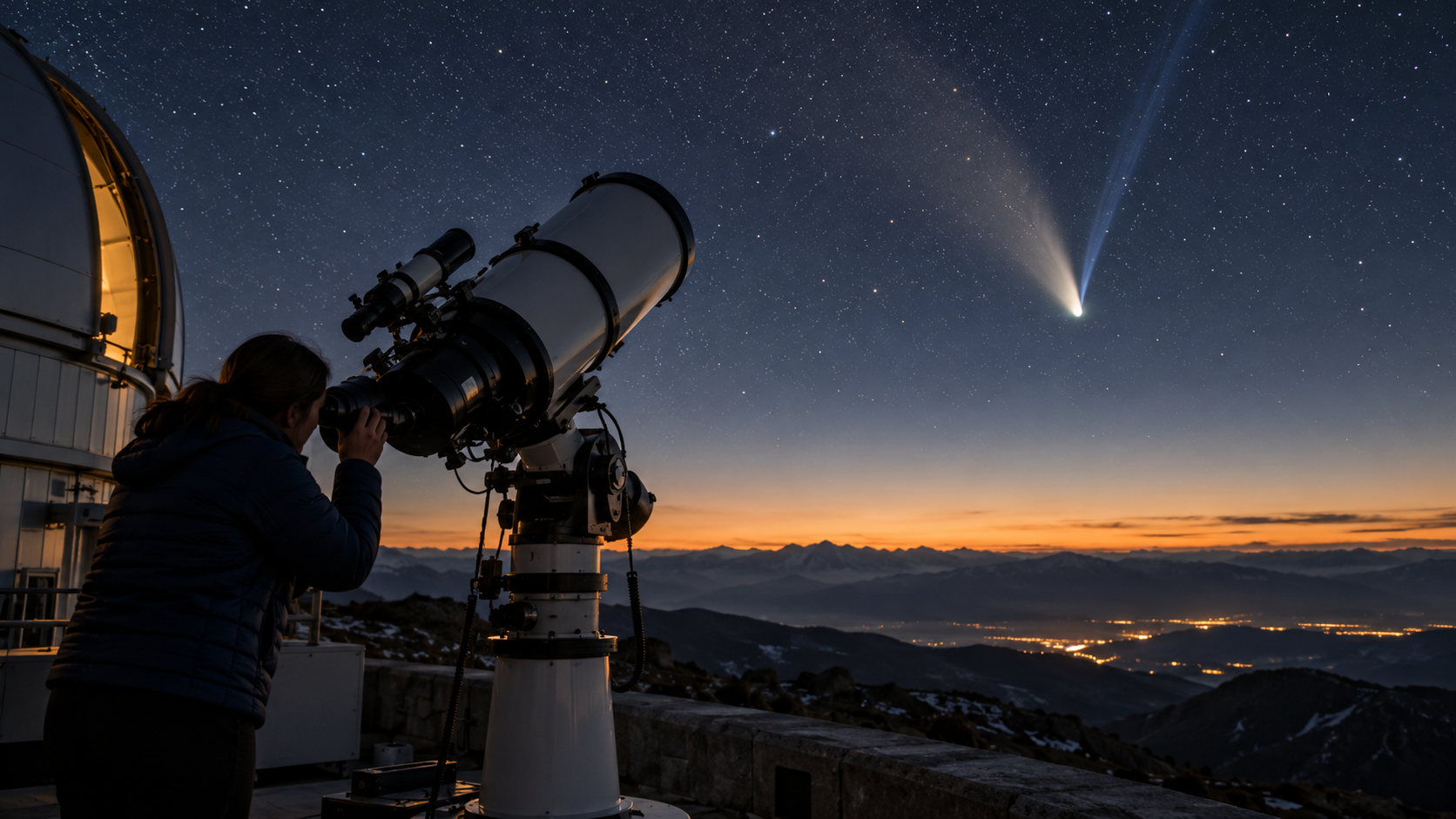
As a comet nears the Sun, warming releases gas and dust that sunlight and the solar wind sort into distinct tails pointing generally away from the Sun.
Stratospheric ozone absorbs damaging ultraviolet photons through a continuing cycle of molecular breakup and re-formation that converts radiation into heat.
Tides arise mainly from differences in the Moon’s gravity across Earth, modified by the Sun, ocean-basin geometry, rotation, depth, and coastlines.
Wind moves grains up a dune’s gentle side and deposits them near the crest, where avalanches down the lee slope shift the dune forward.