How Hailstones Grow in Storms
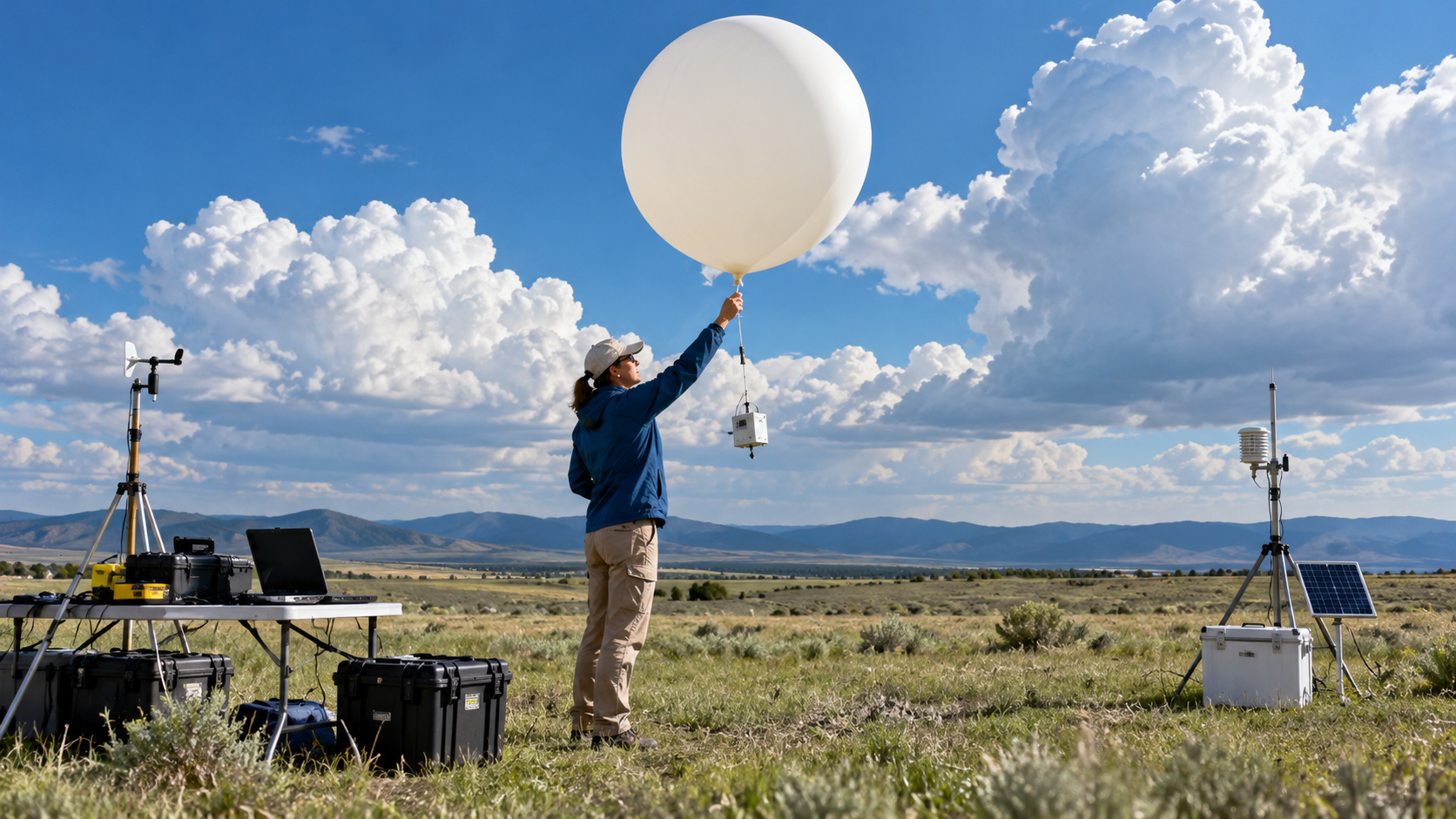
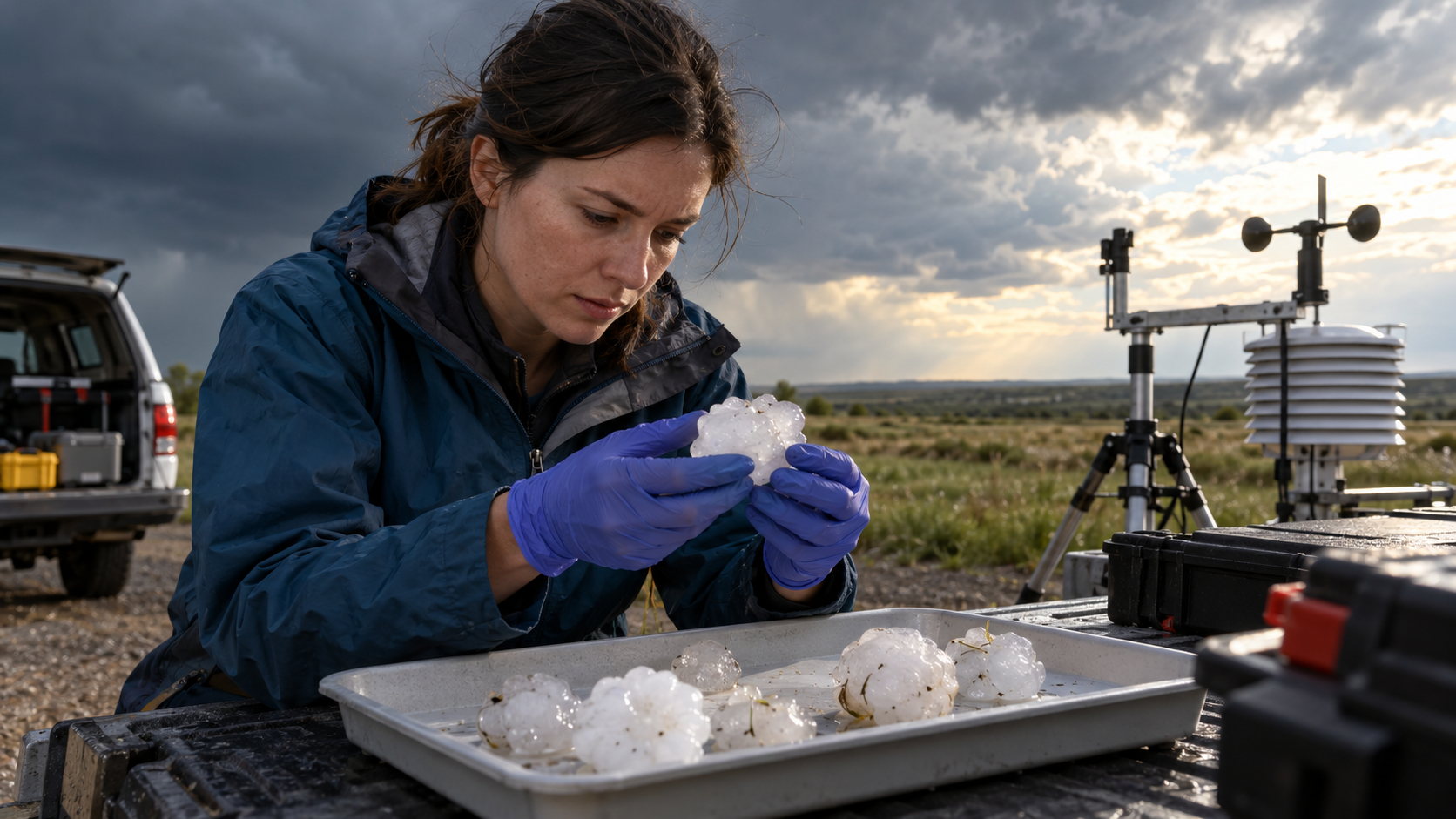
Hailstones grow inside strong thunderstorms when embryos repeatedly collide with supercooled liquid drops that freeze onto their surfaces.

Don't Just Read it – Explore It

Ice-T says his reduced screen time on this season of “Law & Order: SVU” comes down to budgeting and cast…

Breaking Rust is a computer-generated country artist whose song “Walk My Walk” just hit No. 1 on Billboard’s Country Digital…

Loading… Key Takeaways The Top 10 cutest cat breeds blend striking physical features with warm, affectionate personalities that appeal to…

Elon Musk says artificial intelligence and advanced robotics could make traditional work optional within the next 10–20 years. Speaking at…

The founder of Yara AI, a mental-health chatbot, has shut the app down after concluding it posed unacceptable risks to…

Black Friday isn’t the blockbuster shopping event it once was. Retailers have stretched deals across weeks, foot traffic is flat,…

Mick Jagger, now 82, continues to perform with remarkable stamina thanks to a highly disciplined lifestyle centered on daily movement,…
Hailstones grow inside strong thunderstorms when embryos repeatedly collide with supercooled liquid drops that freeze onto their surfaces.
Clouds form when moist air cools to saturation and water condenses on tiny particles; precipitation develops when droplets or ice grow large enough to fall.
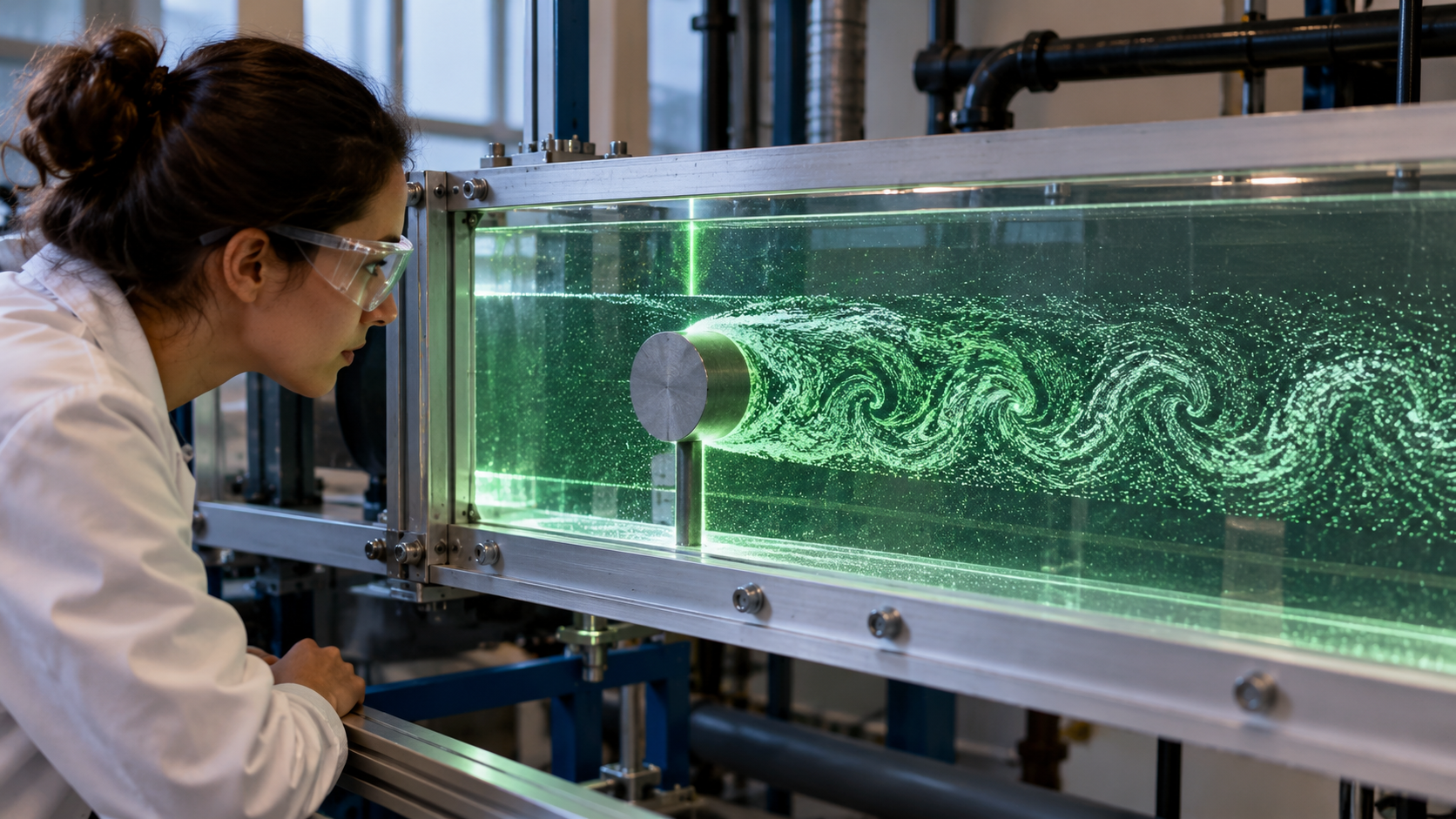
Fluid flow becomes turbulent when disturbances grow into interacting eddies because inertial motion overwhelms the smoothing influence of viscosity.
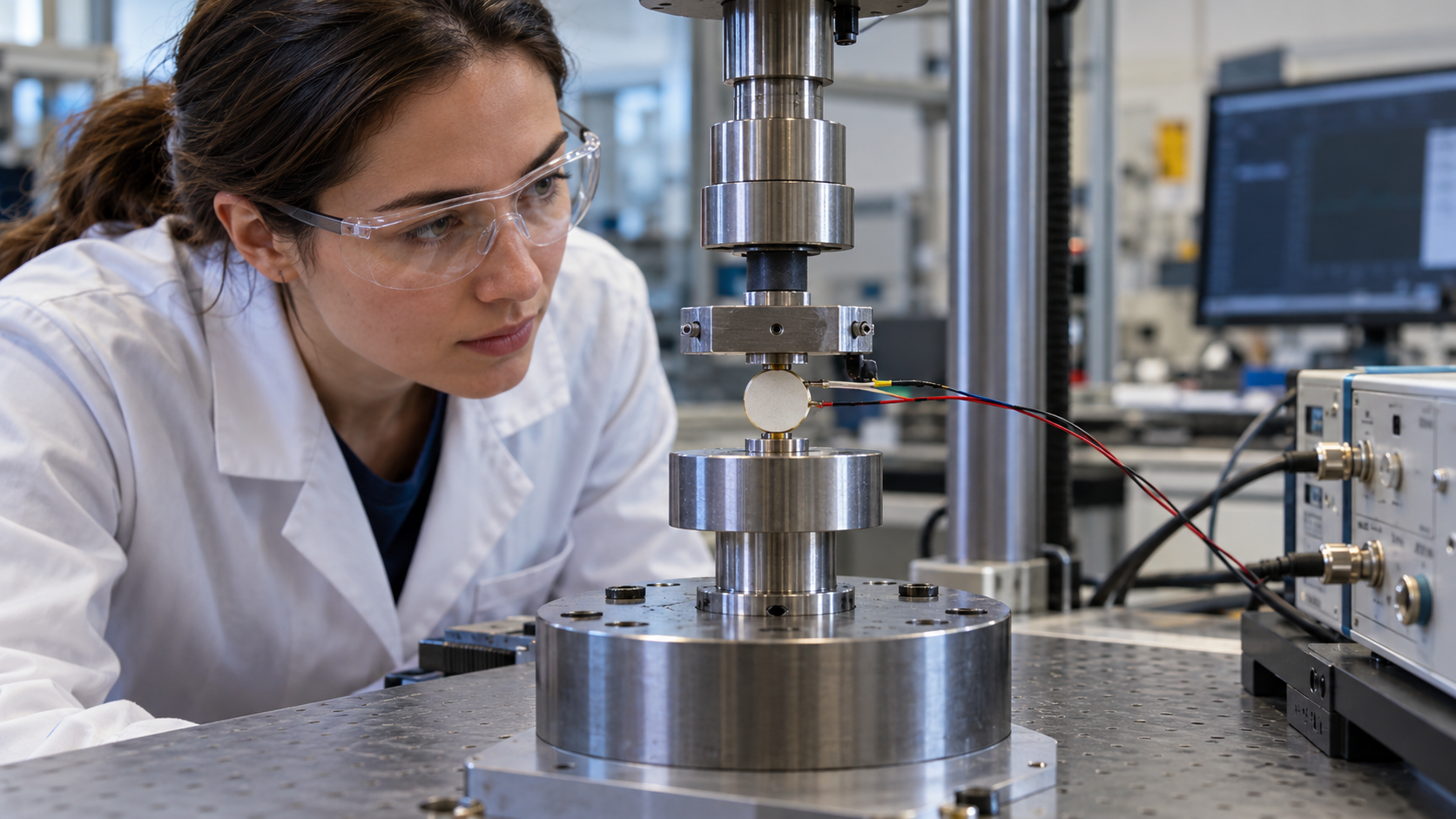
Piezoelectric materials generate surface charge when mechanical stress shifts internal electric polarization, and they deform when voltage is applied.
A polarizing filter transmits one electric-field orientation more strongly than others, reducing horizontally polarized light reflected from many surfaces.
Active noise-canceling headphones measure surrounding sound and drive speakers with a controlled signal that reduces unwanted pressure at the ear.
Sound waves interfere when pressure variations overlap, adding at each place and moment to reinforce, reduce, or reshape the resulting sound.
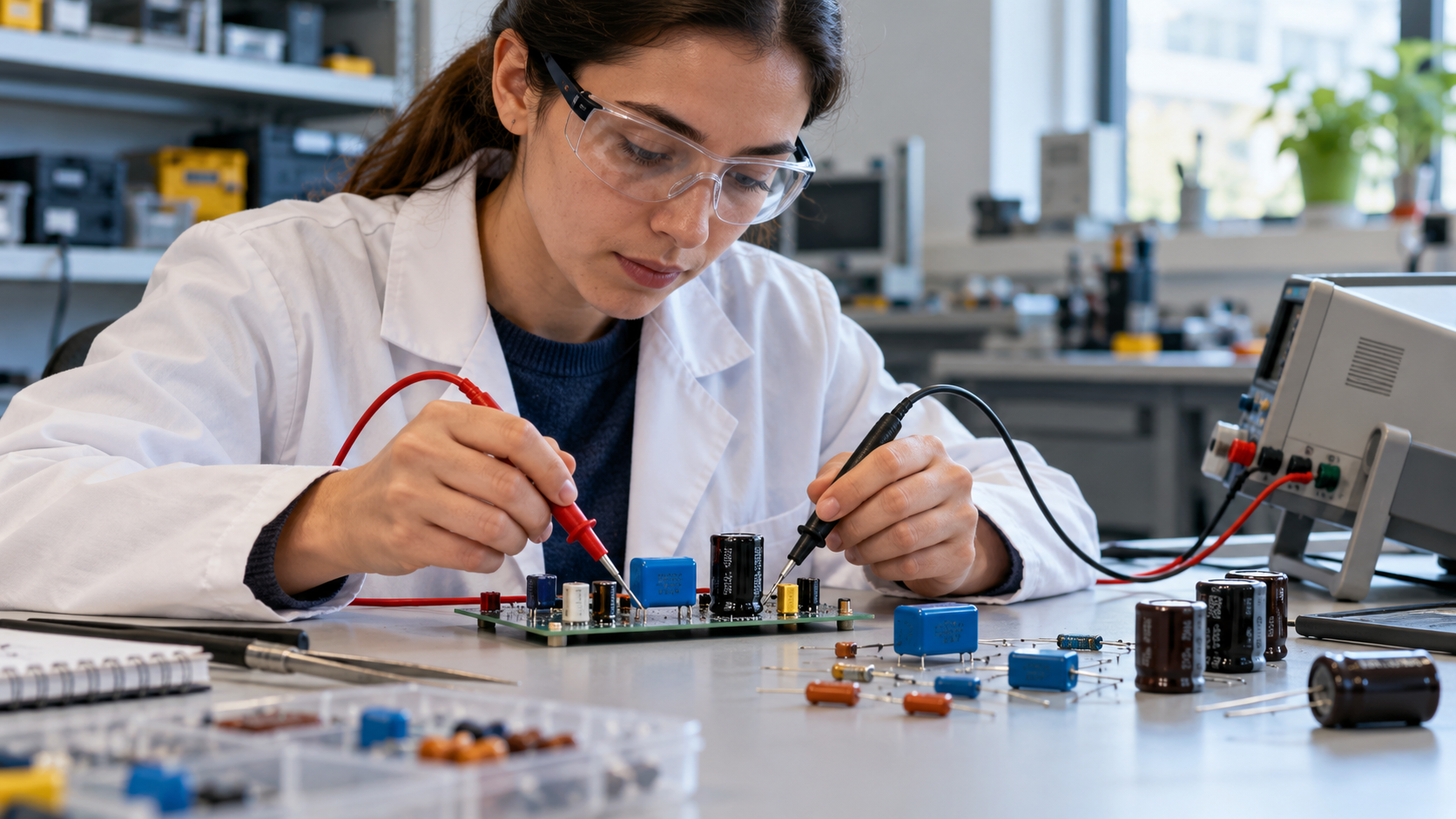
A capacitor stores separated electric charge and energy in the electric field between conductors divided by an insulating material.
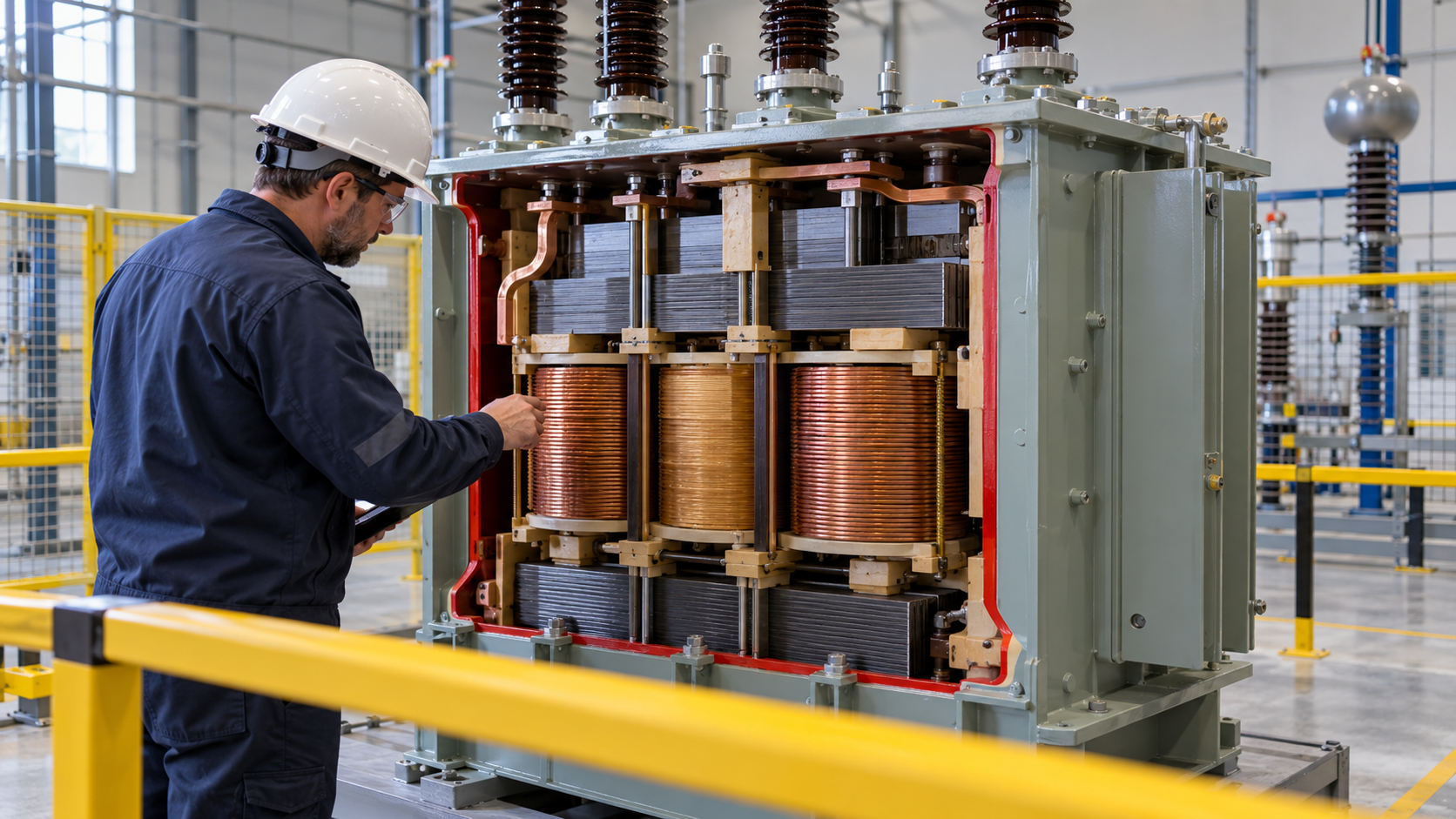
Transformers use changing magnetic flux to transfer alternating-current energy between windings, setting voltage mainly by their turns ratio.
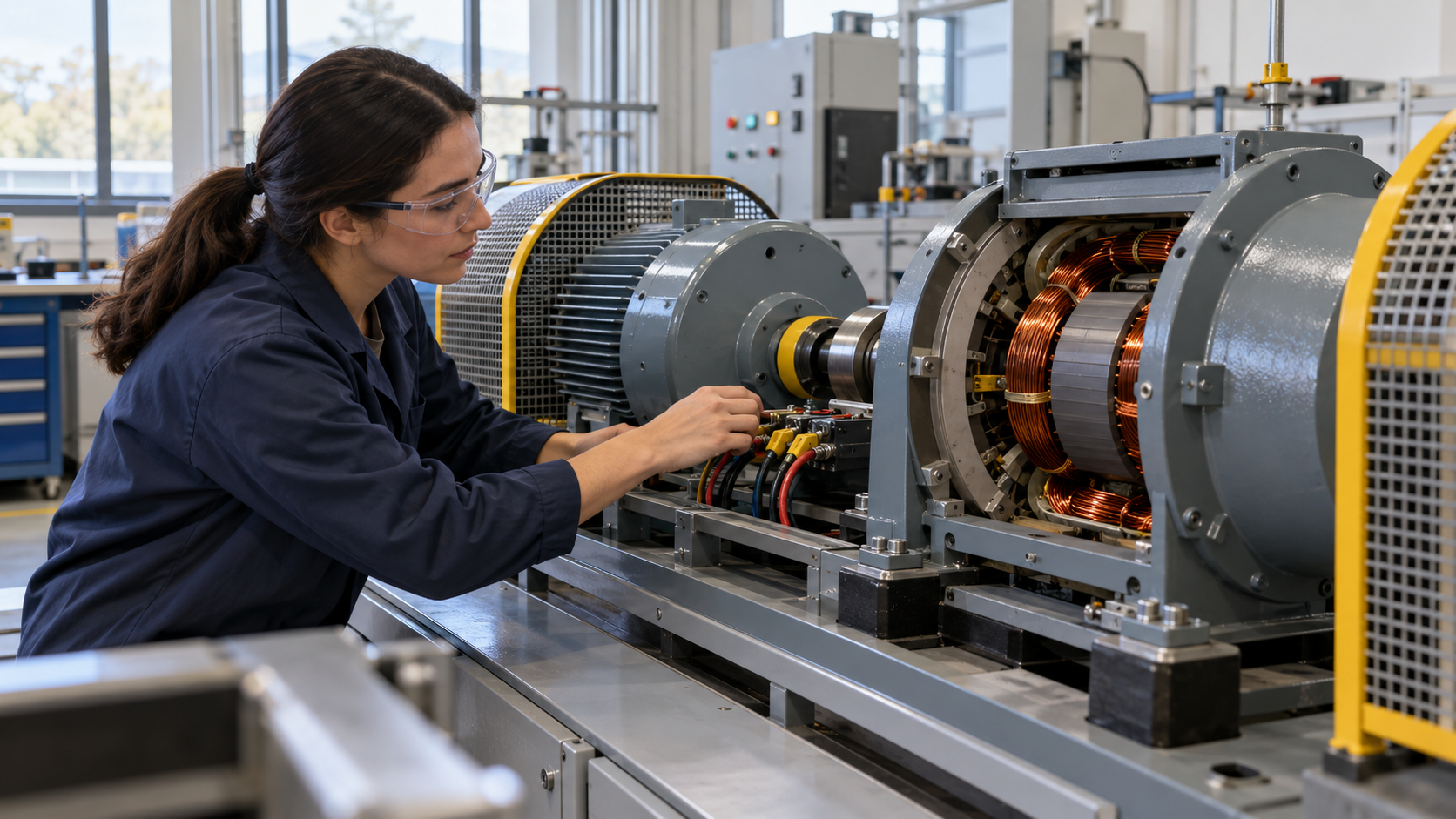
Generators convert mechanical work into electrical energy by changing magnetic flux through conductors and inducing an electromotive force.
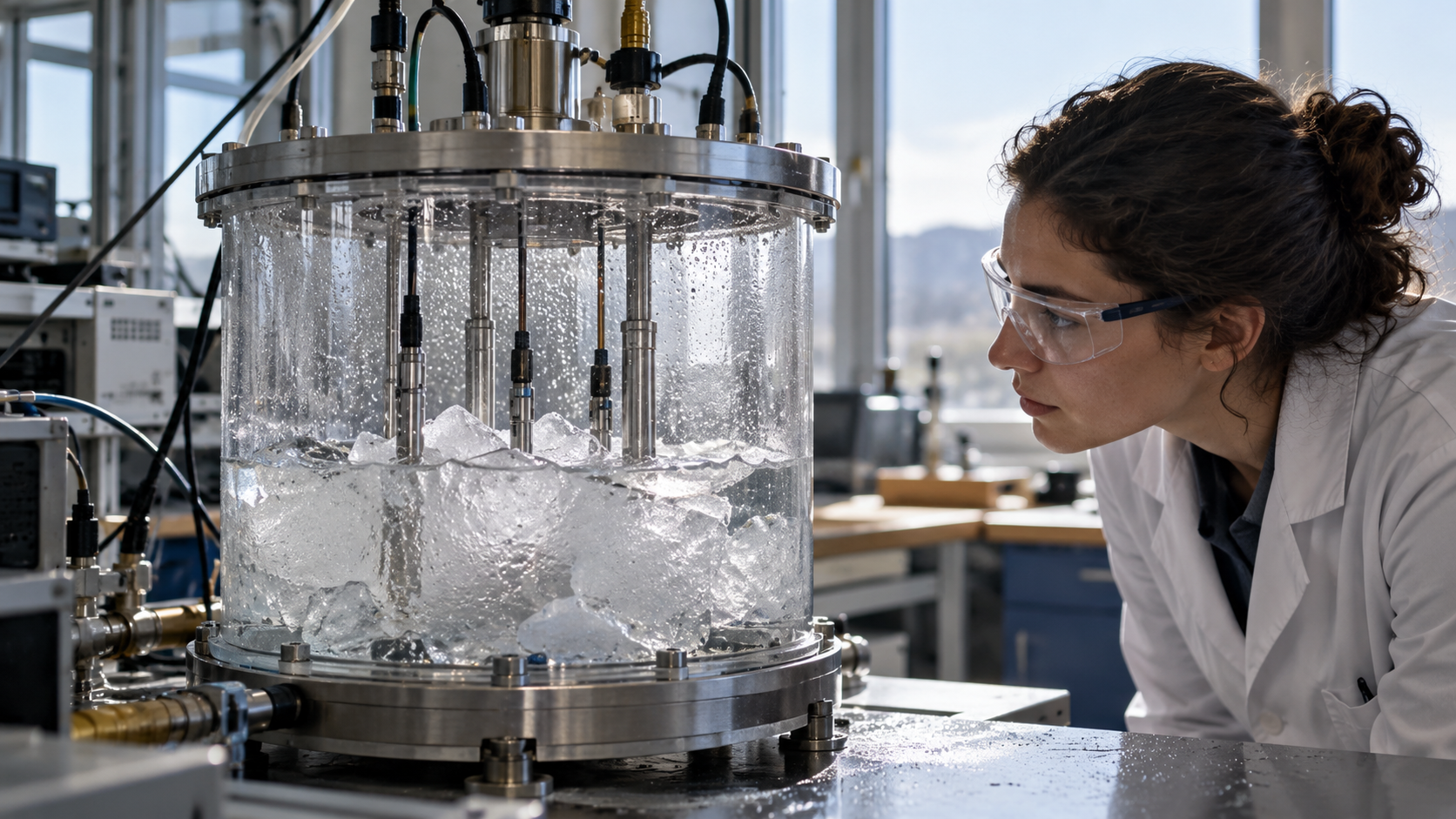
During melting, boiling, freezing, or condensation, energy changes molecular organization and bonding while temperature can remain nearly constant.
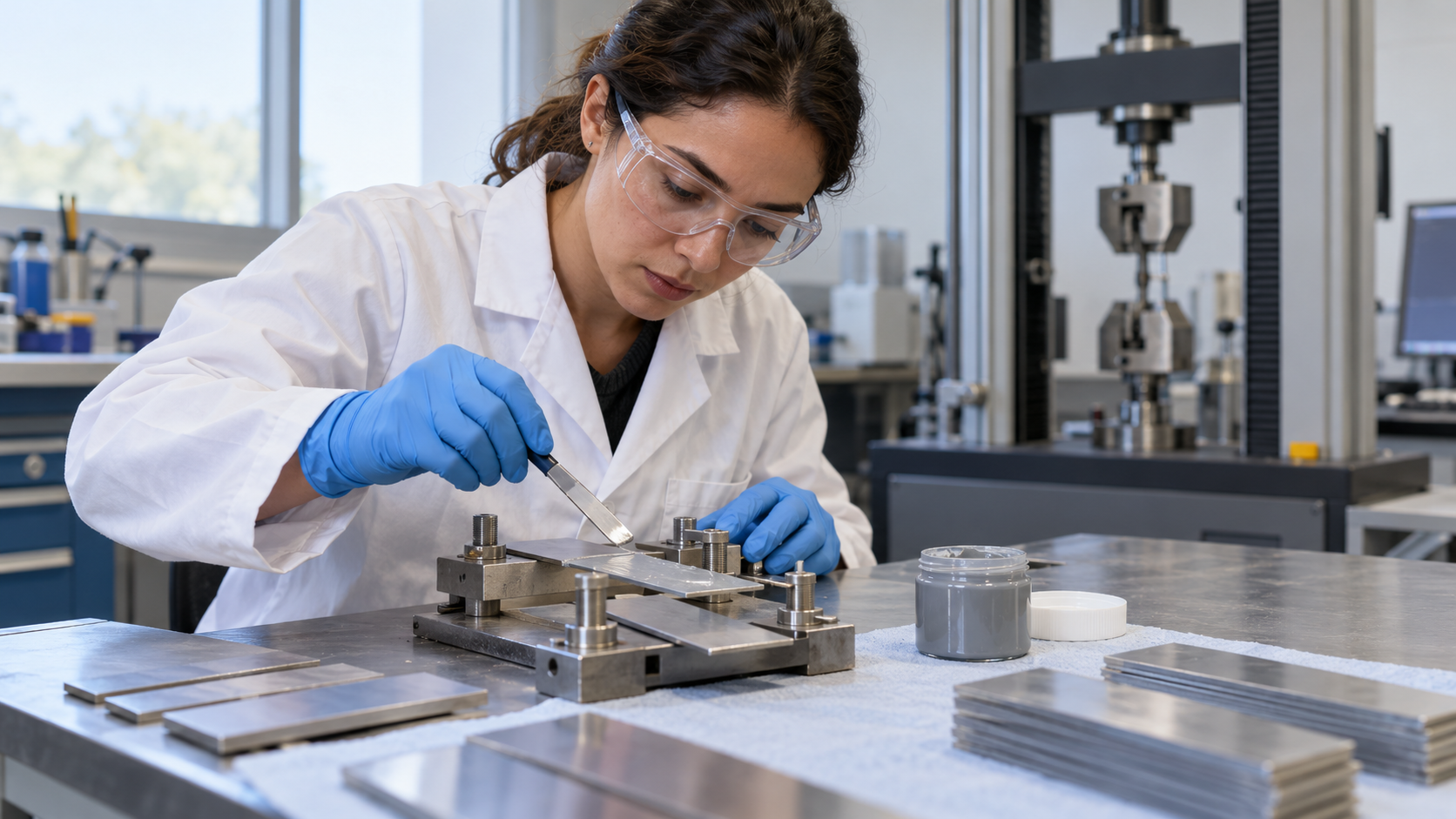
Adhesives bond when they wet and contact surfaces, form intermolecular or chemical interactions, harden into a load-bearing layer, and resist crack growth.