What Is Cloud Computing?
This explainer shows how cloud computing pools infrastructure for on-demand access and how SaaS, PaaS, and IaaS divide responsibility.

Don't Just Read it – Explore It

Ice-T says his reduced screen time on this season of “Law & Order: SVU” comes down to budgeting and cast…

Breaking Rust is a computer-generated country artist whose song “Walk My Walk” just hit No. 1 on Billboard’s Country Digital…

Loading… Key Takeaways The Top 10 cutest cat breeds blend striking physical features with warm, affectionate personalities that appeal to…

Elon Musk says artificial intelligence and advanced robotics could make traditional work optional within the next 10–20 years. Speaking at…

The founder of Yara AI, a mental-health chatbot, has shut the app down after concluding it posed unacceptable risks to…

Black Friday isn’t the blockbuster shopping event it once was. Retailers have stretched deals across weeks, foot traffic is flat,…

Mick Jagger, now 82, continues to perform with remarkable stamina thanks to a highly disciplined lifestyle centered on daily movement,…
This explainer shows how cloud computing pools infrastructure for on-demand access and how SaaS, PaaS, and IaaS divide responsibility.
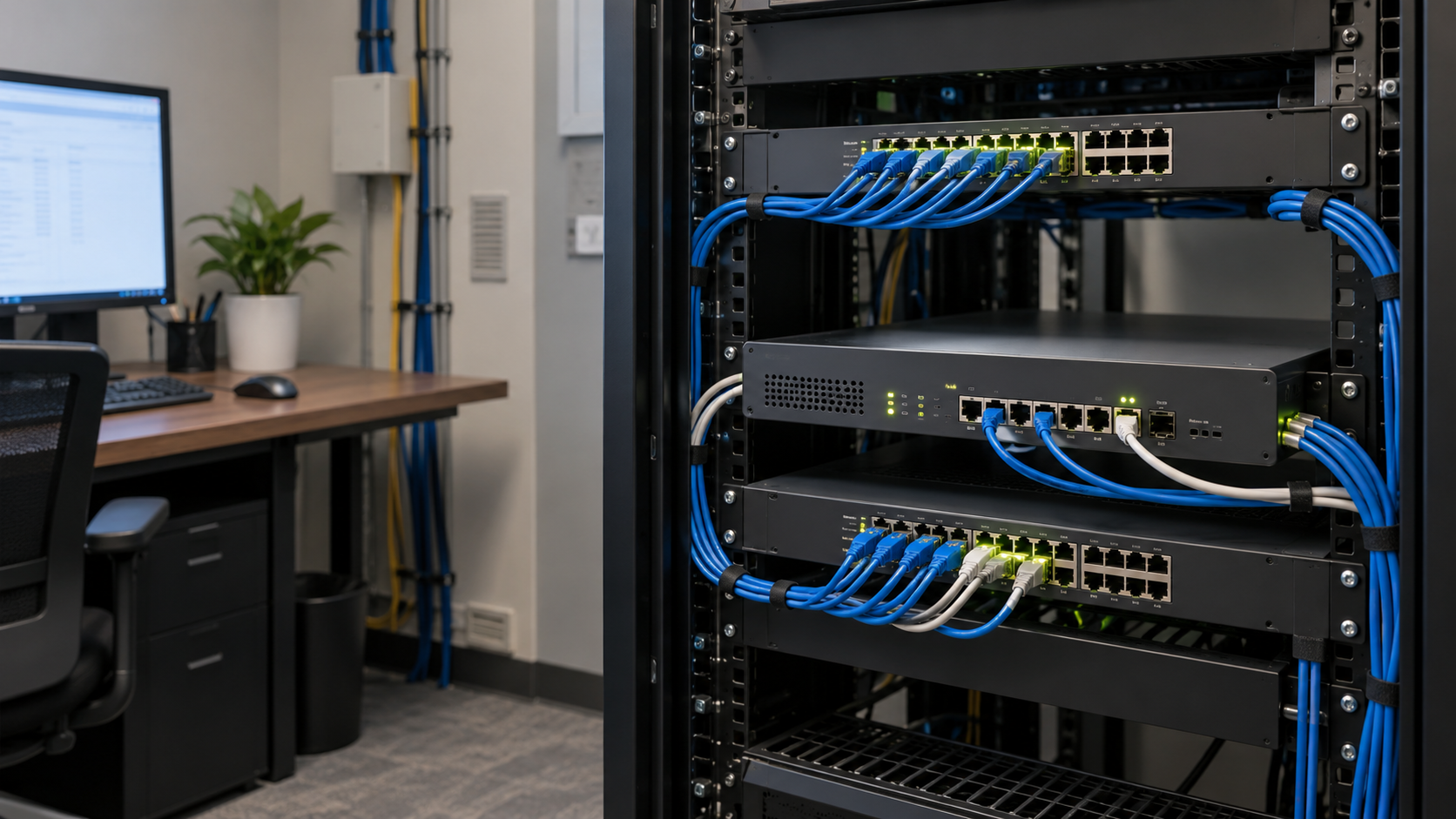
This explainer shows how network firewalls enforce traffic rules, track connections, segment systems, and support—but do not replace—other defenses.
This explainer shows how digital certificates connect public keys to identities and how browsers validate trust, names, dates, and signatures.
This explainer shows what zero-day vulnerabilities are, how they become exploits, and how defenders reduce exposure before patches arrive.
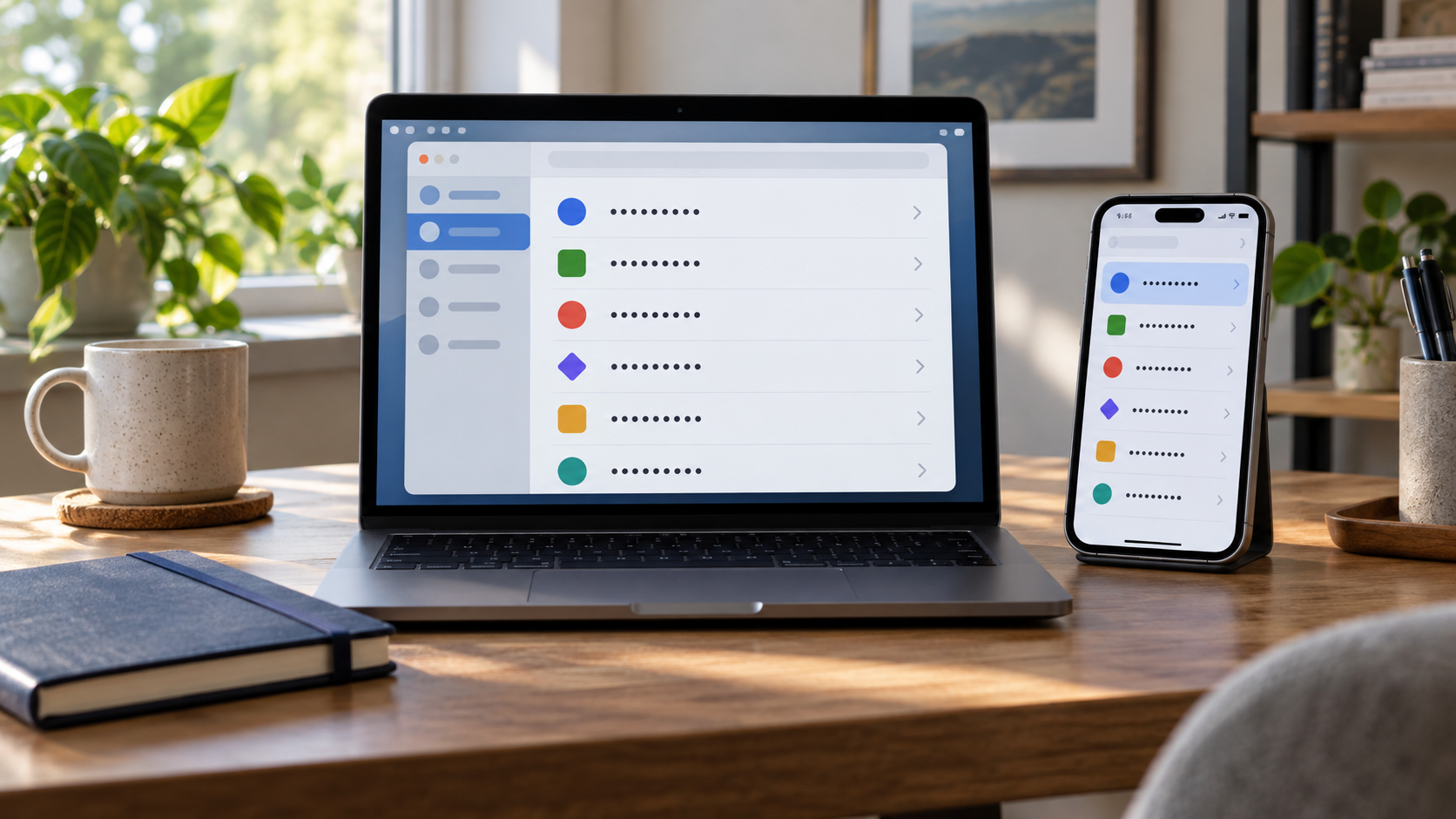
This explainer shows how password managers create and protect unique credentials, synchronize vaults, and reduce password reuse.
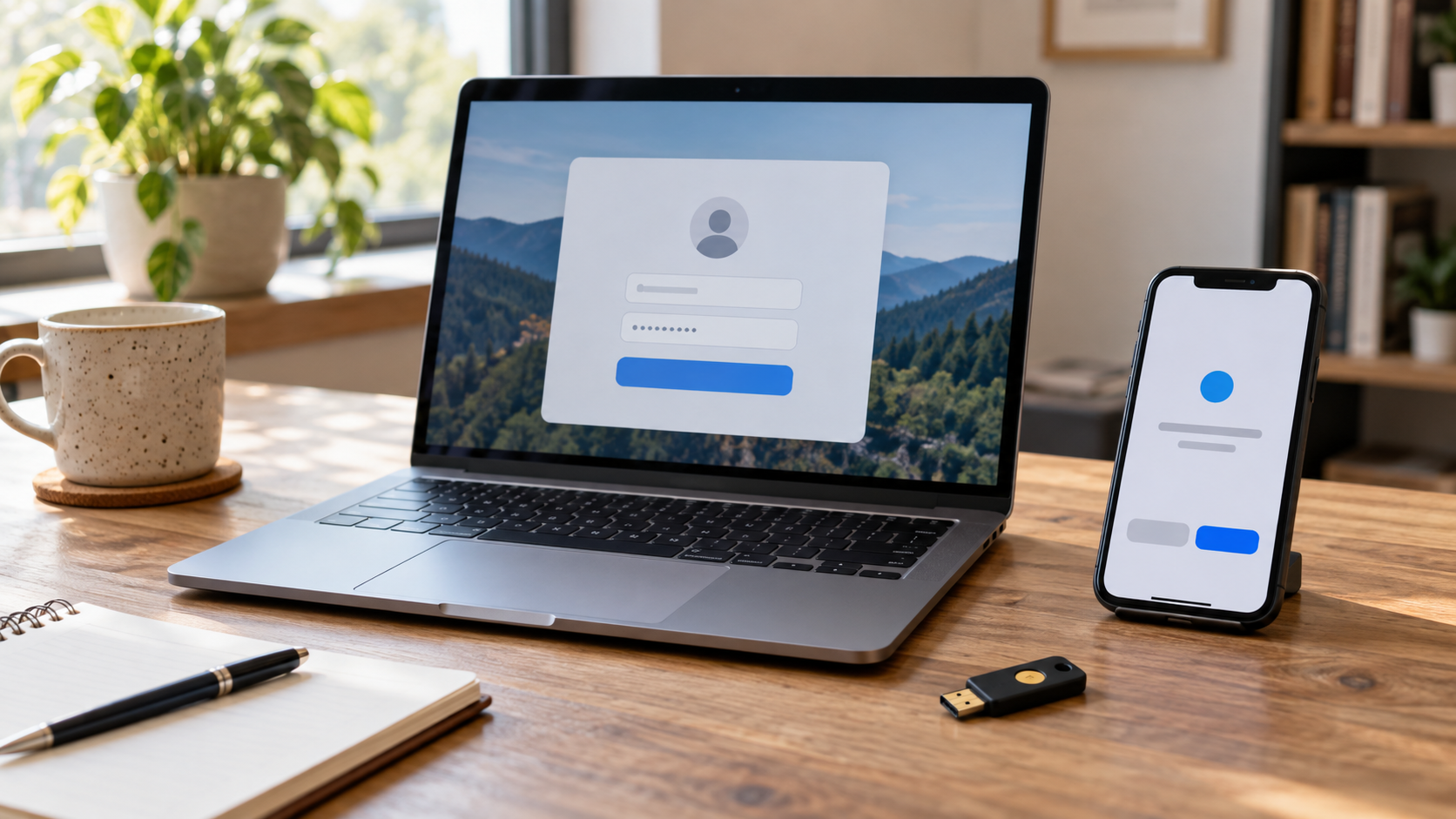
This explainer shows how two-factor authentication combines different identity proofs and why some second factors resist attacks better than others.
This explainer shows how public and private keys support encryption, digital signatures, and secure communication between strangers.
This explainer shows how a virtual private network creates a protected connection, what it can hide, and where its privacy limits remain.
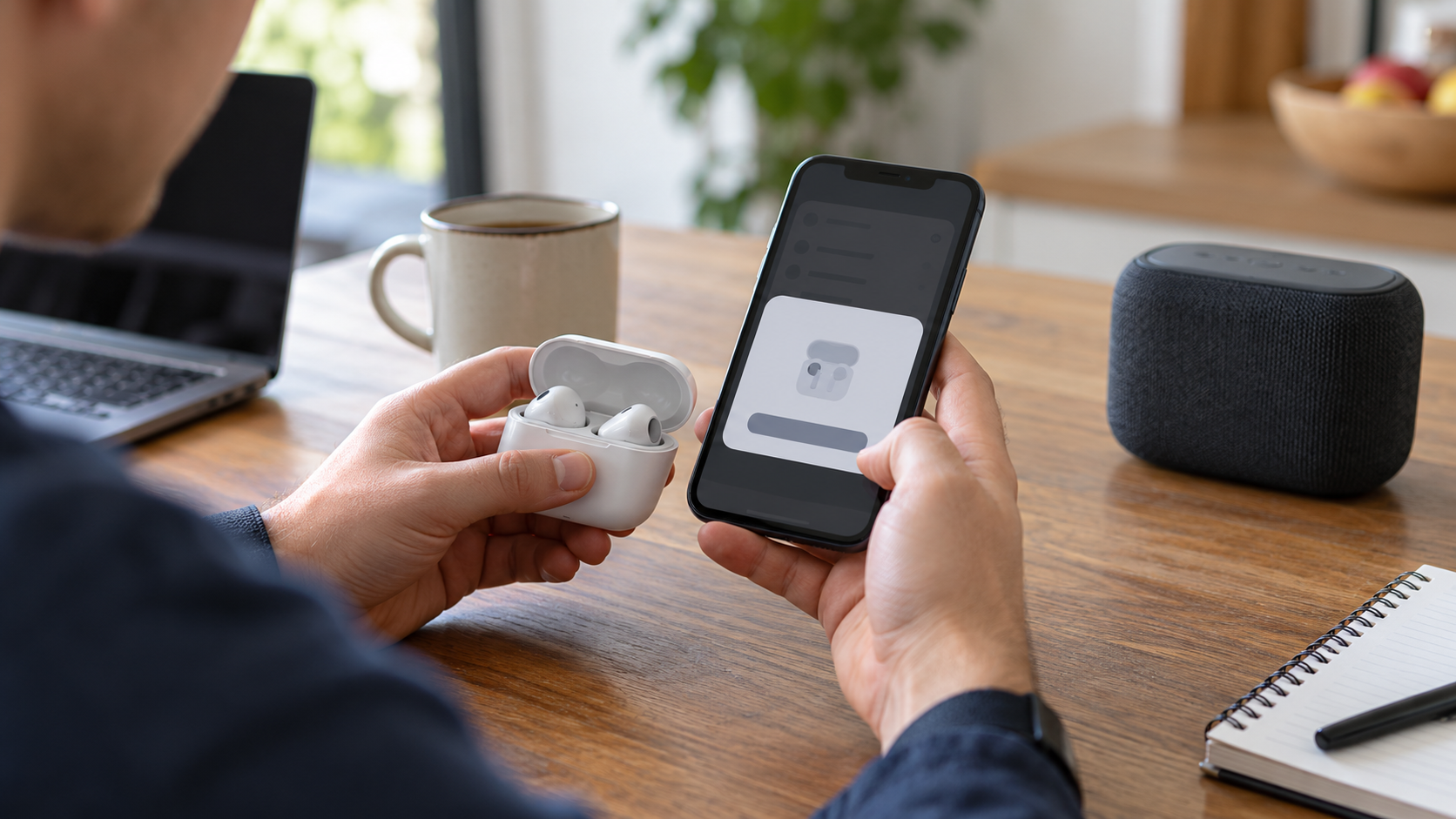
This explainer shows how Bluetooth devices discover each other, verify capabilities, create keys, and reconnect securely after pairing.
This explainer shows how USB Power Delivery negotiates voltage and current, why cable capability matters, and how power can flow both ways.
This explainer shows how end-to-end encryption protects content between devices, how keys work, and which metadata can remain visible.
This explainer shows how content delivery networks cache files near users, reduce delay, and help websites handle traffic and outages.