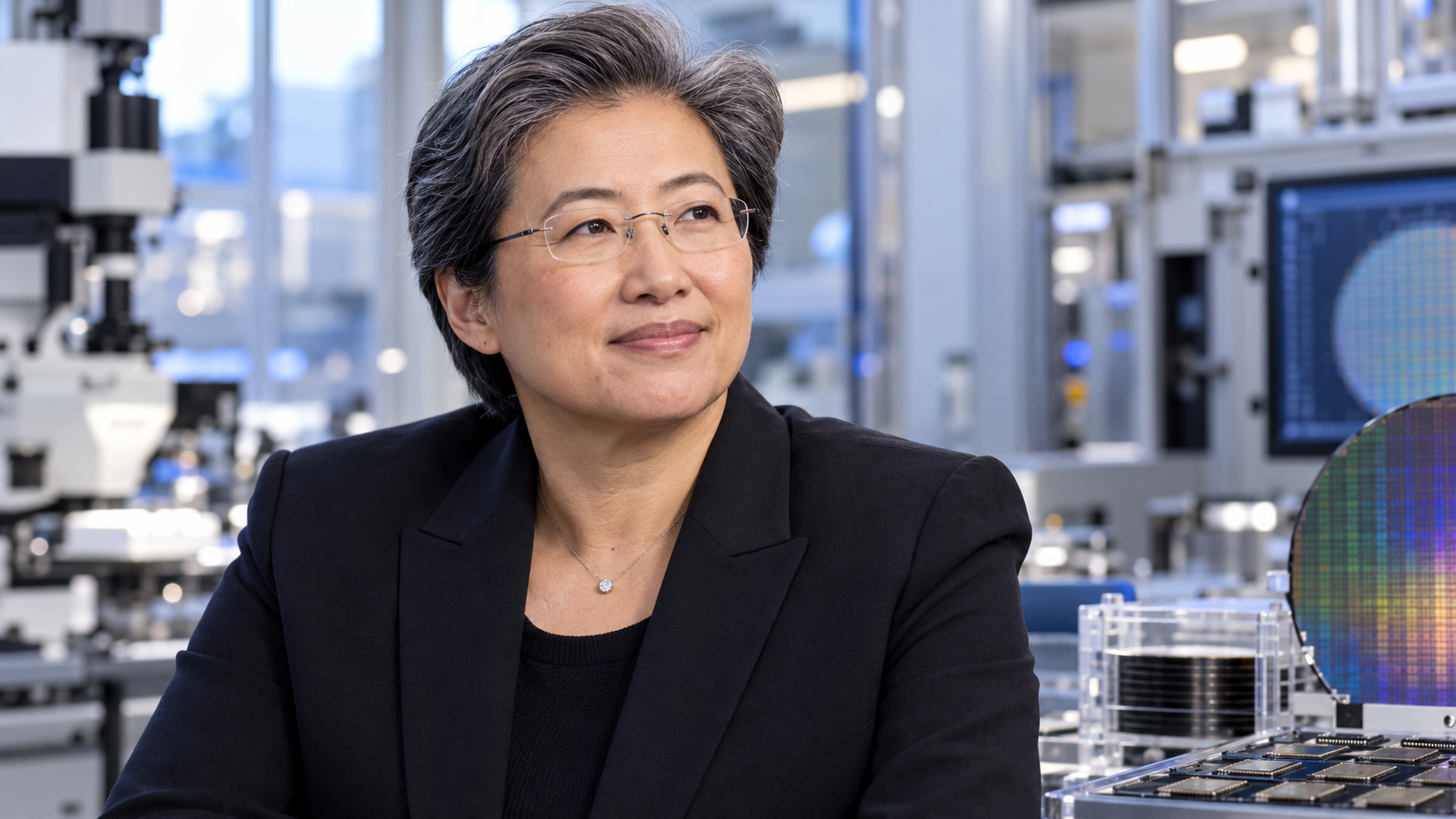
Lisa Su, 2026
Technology itself does not decide what the future looks like. People do.

Don't Just Read it – Explore It

Ice-T says his reduced screen time on this season of “Law & Order: SVU” comes down to budgeting and cast…

Breaking Rust is a computer-generated country artist whose song “Walk My Walk” just hit No. 1 on Billboard’s Country Digital…

Loading… Key Takeaways The Top 10 cutest cat breeds blend striking physical features with warm, affectionate personalities that appeal to…

Elon Musk says artificial intelligence and advanced robotics could make traditional work optional within the next 10–20 years. Speaking at…

The founder of Yara AI, a mental-health chatbot, has shut the app down after concluding it posed unacceptable risks to…

Black Friday isn’t the blockbuster shopping event it once was. Retailers have stretched deals across weeks, foot traffic is flat,…

Mick Jagger, now 82, continues to perform with remarkable stamina thanks to a highly disciplined lifestyle centered on daily movement,…
Technology itself does not decide what the future looks like. People do.
This explainer shows how newsrooms handle source ground rules in journalism through verification, responsible sourcing, careful language, transparency, and continuing updates.
You have to design with data, but you have to follow your gut.
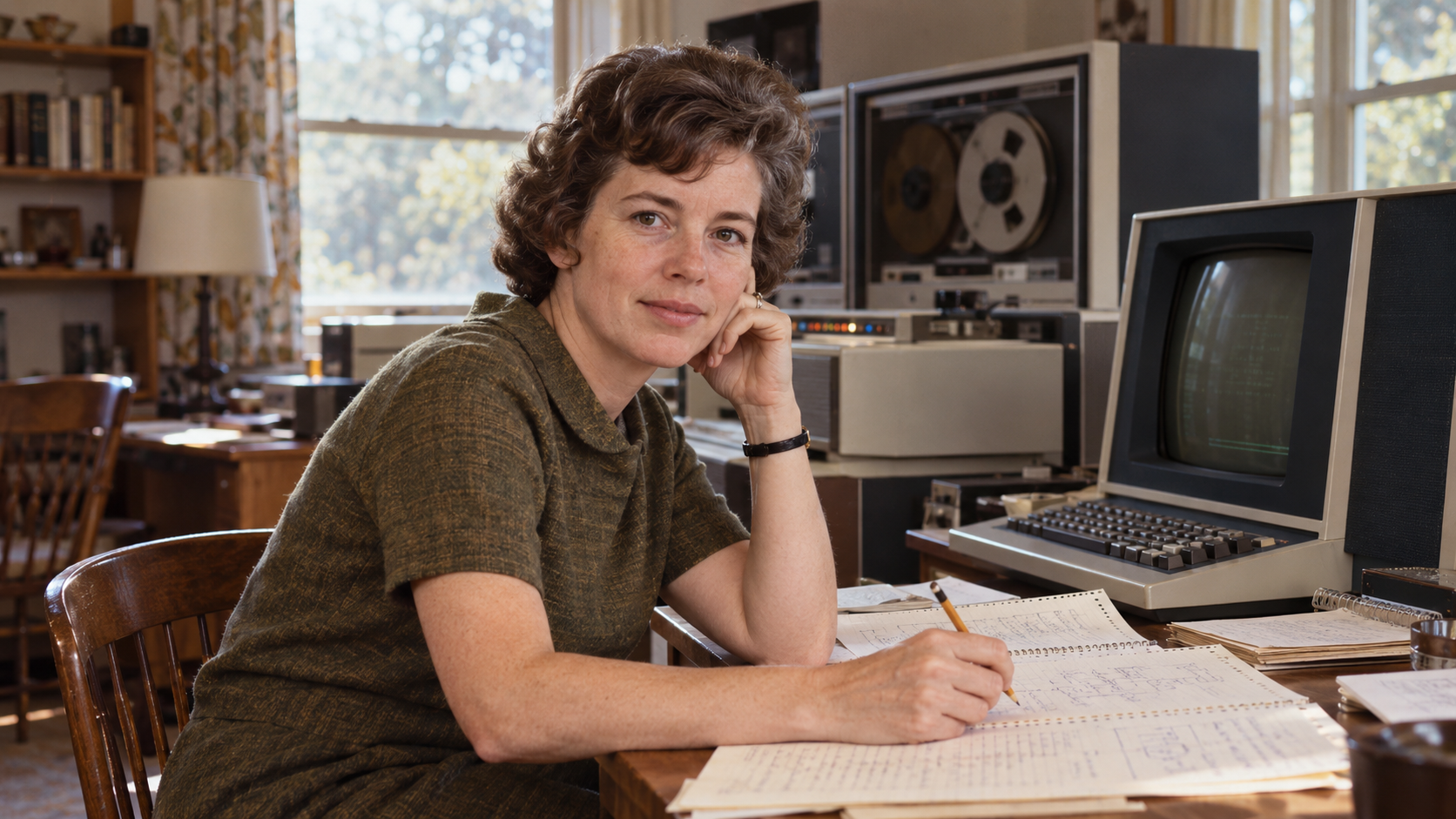
You wanted to minimize how much the user had to know about what was behind the façade of the computer.
This explainer shows how newsrooms handle protecting confidential sources through verification, responsible sourcing, careful language, transparency, and continuing updates.
Reporting a missing-person case requires verification, careful privacy decisions, useful public information, and continuing updates that do not turn uncertainty into speculation.
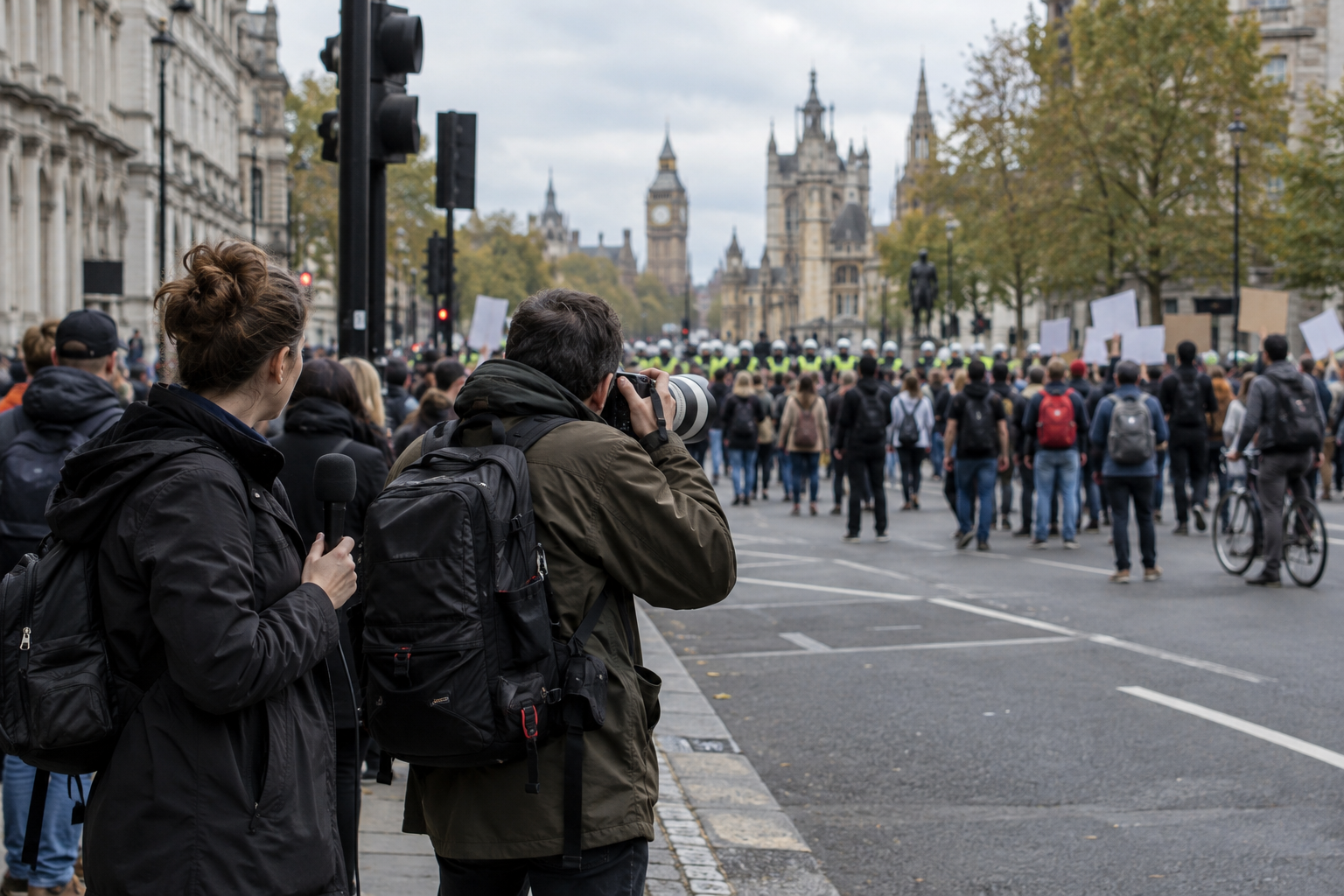
Coverage of civil unrest requires precise descriptions, field safety, verified evidence, legal context, and attention to both public action and official response.
Data-breach reporting verifies what systems and information were affected, who faces risk, and which claims remain uncertain during an investigation.
A source audit examines whose voices and expertise appear in coverage so a newsroom can identify repeated dependence and missing perspectives.
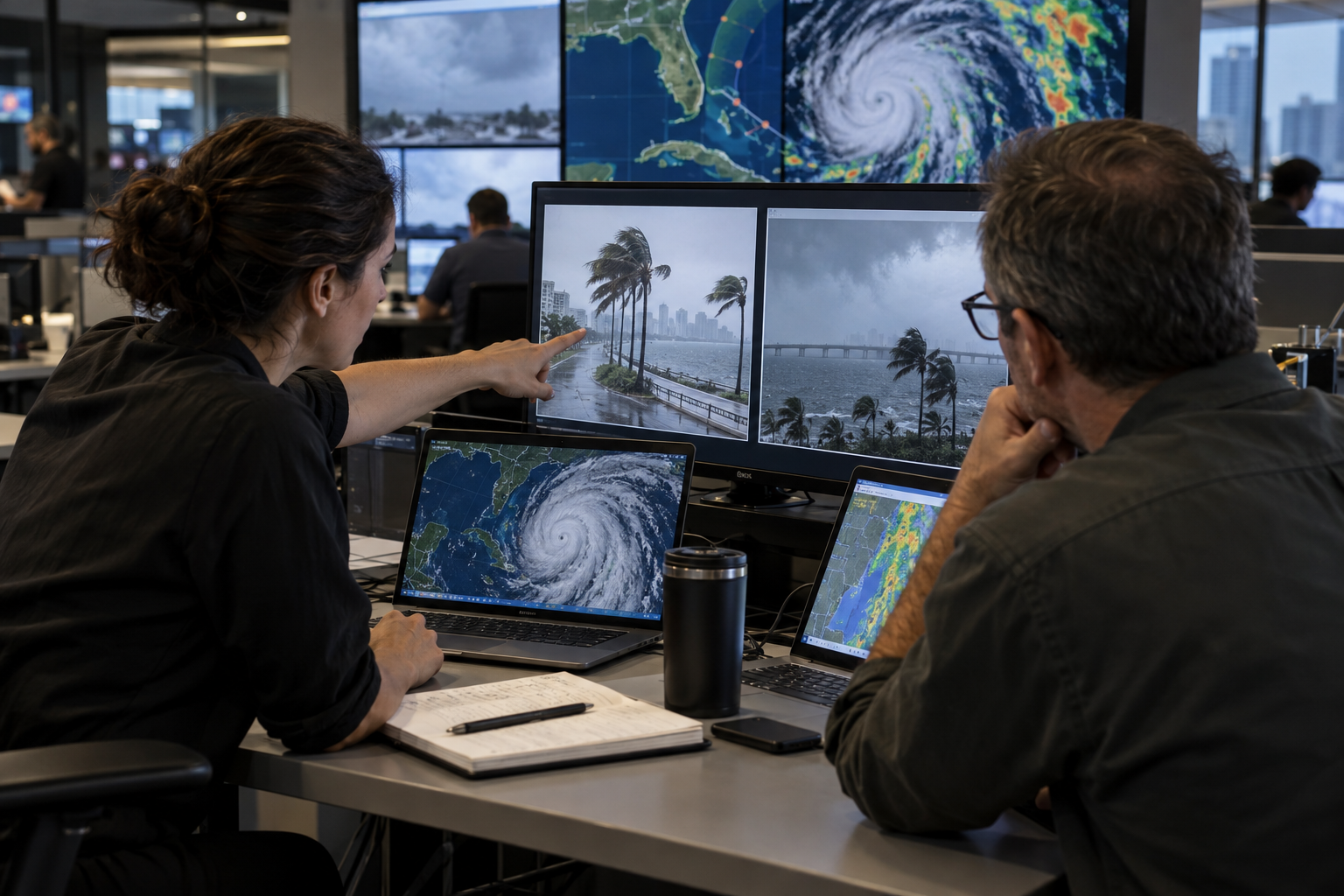
Disaster-image verification confirms where and when material was recorded and whether it truly shows the event described online.
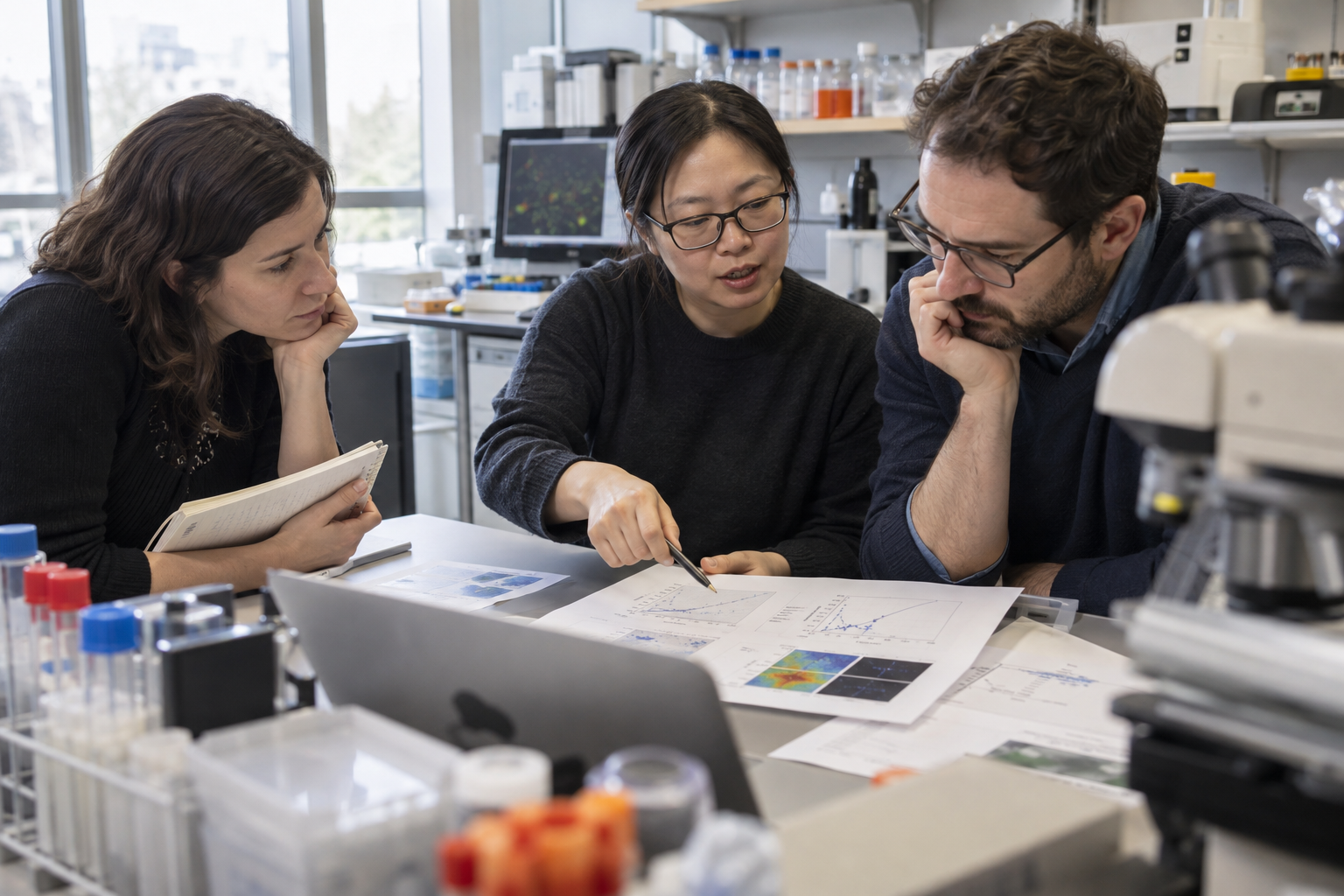
Preliminary research can be newsworthy, but journalists must explain its design, uncertainty, review status, and limits before describing what it means.
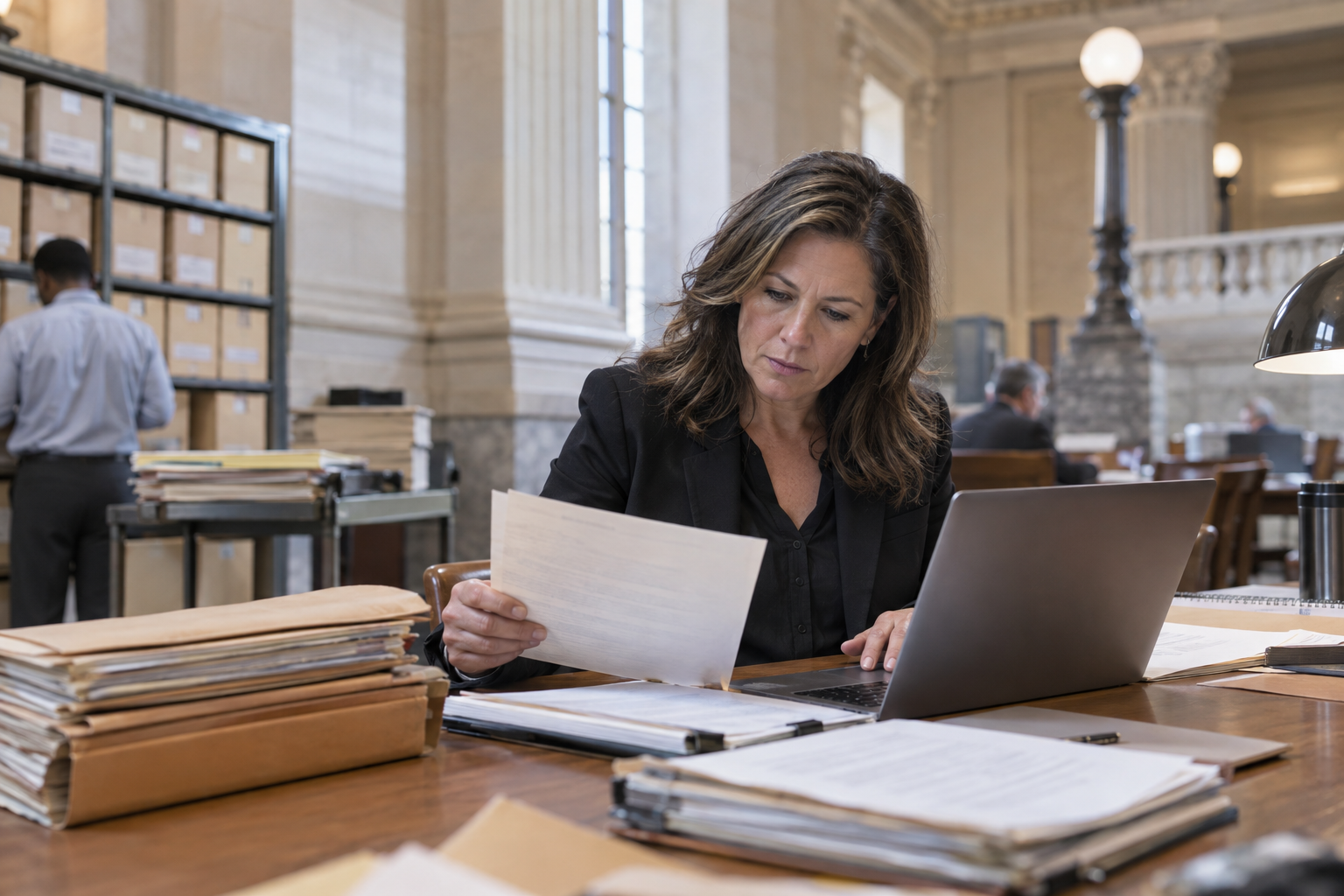
Court records help journalists document allegations, evidence, rulings, and case history, but every filing must be identified and explained in context.