

On This Day in Politics: October 1, 1960
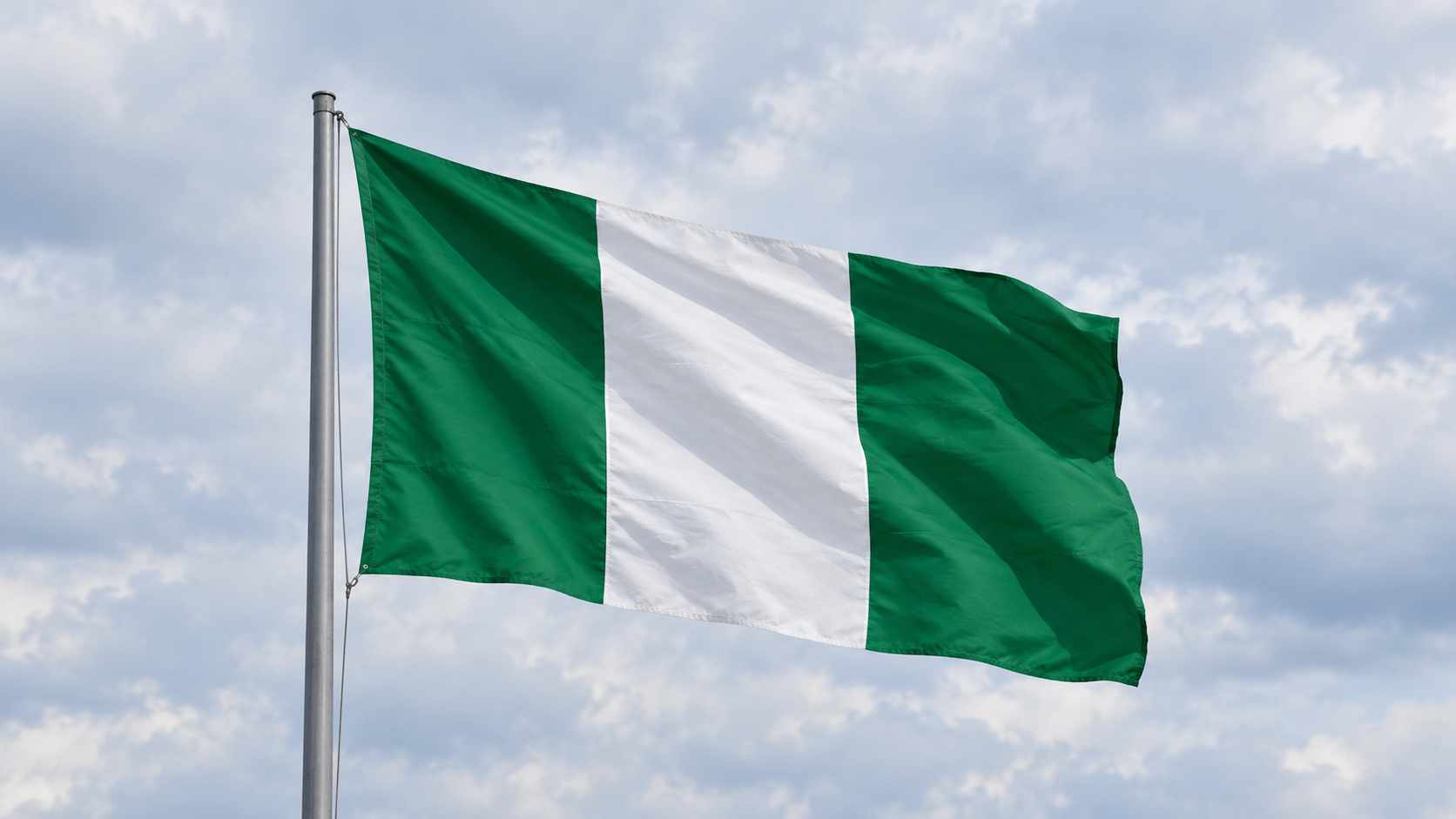
On October 1, 1960, Nigeria became independent from Britain, with Prime Minister Abubakar Tafawa Balewa leading its federal government in Lagos. The transfer ended British colonial rule and placed the country's international affairs under a sovereign Nigerian government. Celebrations included the raising of the green, white and green national flag. Independence did not, however, create a republic that morning. Nigeria initially remained a constitutional monarchy within the Commonwealth, with the British monarch as head of state and a parliamentary government responsible for running the country. Distinguishing those arrangements helps explain why independence in 1960 and the establishment of a republic in 1963 are separate milestones.
The country entering independence brought together communities with different languages, political traditions and regional interests. British administration had joined northern and southern territories in 1914, but a common colonial government had not erased their differences. Constitutional development before independence produced a federation with Northern, Western and Eastern regions, each possessing substantial authority. Balewa governed through a parliamentary coalition rather than a presidency with an independently elected national mandate. Federalism offered a way to share political space, while also making relations between the regions and the central government a continuing source of negotiation. The new state therefore inherited institutions built during colonial rule alongside the demand that Nigerians should control their own political future.
Sovereignty had immediate practical consequences beyond the ceremonies. Nigeria could establish diplomatic relations in its own name, represent its interests abroad and conduct the work of government without remaining a British colony. The United States recognized Nigerian independence on October 1 and established diplomatic relations that day. Nigeria opened an embassy in Washington, while the American diplomatic mission in Lagos became an embassy. These exchanges made the transition visible in the everyday machinery of international politics. At home, the task was broader than replacing officials or symbols: national leaders had to make a federal parliamentary system function across a large and diverse country, balancing shared institutions with the powers and expectations of the regions.
The independence settlement was a beginning rather than a guarantee of political stability. Nigeria became a republic three years later, replacing the monarch with a Nigerian president while remaining in the Commonwealth. Subsequent political crises, military intervention and civil war exposed deep weaknesses in the country's early constitutional order. Those later events should not be read backward as inevitable outcomes of the October 1960 transfer. They do show why formal independence and effective, accountable government are different achievements. October 1 remains the anniversary of the decisive change in sovereignty: Nigerians assumed responsibility for a state whose unity, representation and development would have to be negotiated by successive generations.
The independence constitution preserved a parliamentary system. The prime minister led the government; independence did not introduce today's presidential arrangements.
The original federation comprised three major regions. Their powers made cooperation between regional leaders and the federal government central to national politics.
Recognition and embassy exchanges translated independence into direct relations with other states. American recognition and diplomatic relations both date to October 1, 1960.
A national flag could announce a change in sovereignty, but it could not settle arguments about representation, regional authority or public resources.
Nigeria's 1963 transition to a republic changed the head of state. It followed independence and should not be confused with the end of colonial rule.
The annual independence commemoration provides a starting point for assessing the distance between self-government's constitutional promise and the later experience of governing.
Explore more of "On This Day ..."
Discover more events from the same date across news, politics, technology, sports, and other fields. Each link highlights significant moments that shaped history on different fronts.