

On This Day in Pop: January 7, 1955
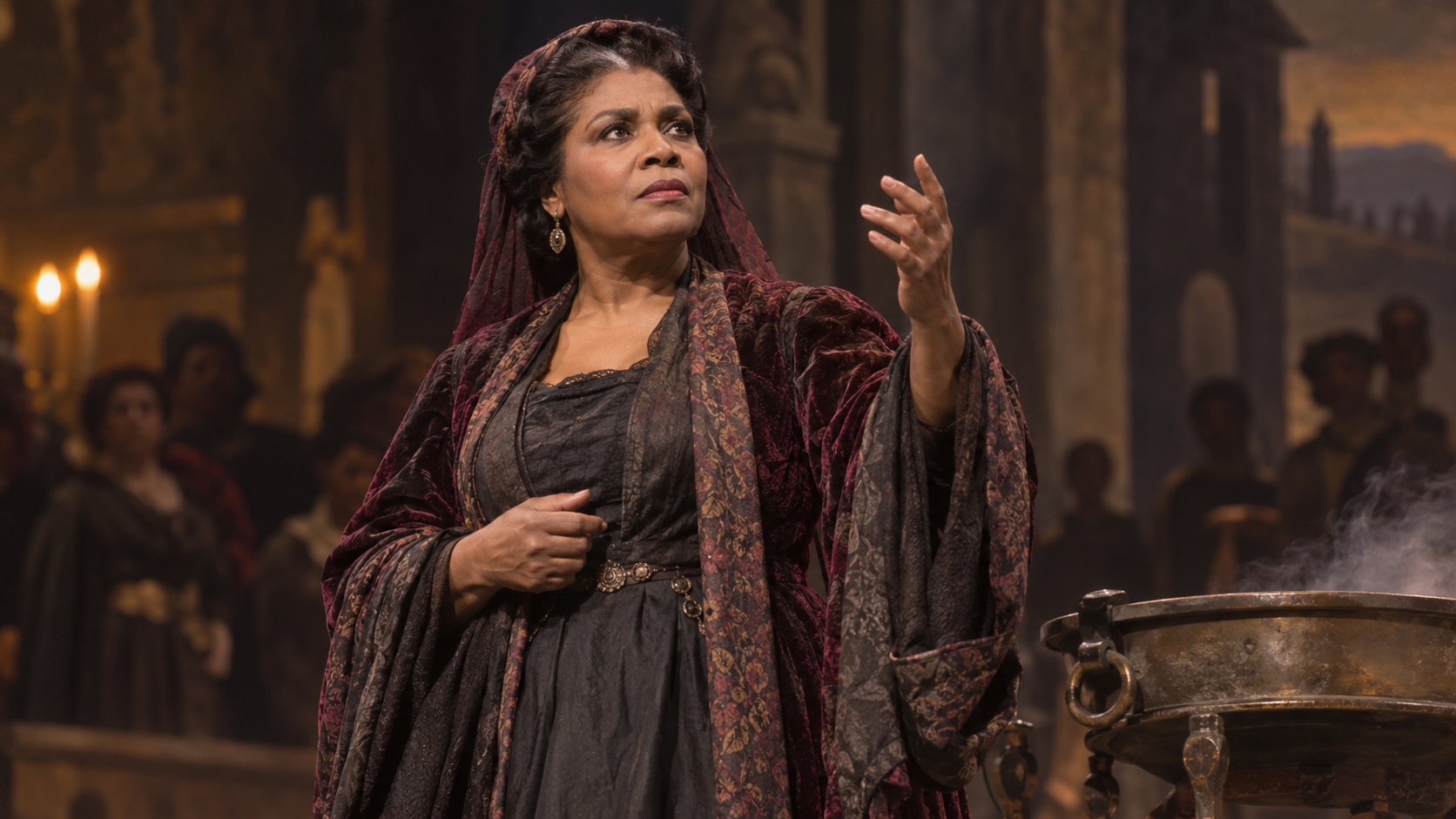
On January 7, 1955, Marian Anderson walked onto the stage of New York’s Metropolitan Opera as Ulrica in Giuseppe Verdi’s Un ballo in maschera. The celebrated contralto became the first African American soloist to perform a role with the company, appearing in a cast that included Zinka Milanov, Richard Tucker, Leonard Warren, and Roberta Peters under conductor Dimitri Mitropoulos. Anderson was 57 and already internationally renowned, yet the debut marked a barrier that the Met had preserved long after Black singers had proved themselves in concert halls and opera houses elsewhere.
Anderson’s career had exposed that contradiction for decades. She had toured Europe to major acclaim and appeared with leading orchestras, but racial discrimination repeatedly limited opportunities in the United States. In 1939, after the Daughters of the American Revolution denied her the use of Constitution Hall, she sang an open-air concert at the Lincoln Memorial before a vast integrated audience. That performance became a landmark in American civil-rights history. Still, the Met’s doors remained closed. General manager Rudolf Bing, who took charge in 1950, later invited Anderson to join the company, choosing the prophetic fortune-teller Ulrica for her debut.
The January 7 performance carried enormous symbolism, but it was also a working night in a demanding art form. Anderson had sung relatively little staged opera and reportedly felt intense nerves; audiences knew her primarily as a recitalist and concert singer. When she first appeared, the house greeted her with sustained applause before the drama continued. Her role was important but not the opera’s lead, and the appearance did not erase the structural exclusion that had delayed her invitation. Its immediate significance lay in the unmistakable fact of her presence on the Met stage and in the precedent that followed.
Later in 1955, baritone Robert McFerrin became the first Black man to sing a principal role at the Met, and other major Black artists—including Leontyne Price, Grace Bumbry, George Shirley, and Shirley Verrett—built substantial careers with the company. Anderson’s single Met role was therefore both culmination and opening: recognition of a singular artist and a public breach in an institution’s color line. She continued to be honored for her artistry and civic influence, but the importance of January 7 does not rest on ceremony alone. Her performance changed who could be seen and heard on one of America’s most prominent opera stages, even as the slow pace of that change revealed how much work remained.
By 1955, Marian Anderson had earned international acclaim through recitals and orchestral appearances. Her exclusion from major American stages exposed barriers unrelated to artistic qualification.
The 1939 Lincoln Memorial concert made Anderson a national symbol after Constitution Hall denied her a booking, but another sixteen years passed before the Metropolitan Opera engaged her.
Anderson debuted as Ulrica in Verdi’s Un ballo in maschera under Dimitri Mitropoulos. The audience’s extended welcome acknowledged both her stature and the institutional barrier being crossed.
Ulrica was a featured role rather than the opera’s central lead, and one engagement could not undo decades of exclusion. Anderson’s limited staged-opera experience also made the evening personally demanding.
Robert McFerrin’s debut later that year and the major Met careers of Leontyne Price and other Black singers showed how Anderson’s appearance opened an overdue path rather than completing the work.
The performance joined Anderson’s artistic legacy to her broader civil-rights significance, demonstrating how access to a prestigious cultural stage can carry consequences beyond a single production.
Explore more of "On This Day ..."
Discover more events from the same date across news, politics, technology, sports, and other fields. Each link highlights significant moments that shaped history on different fronts.