

On This Day in Pop: January 21, 1987
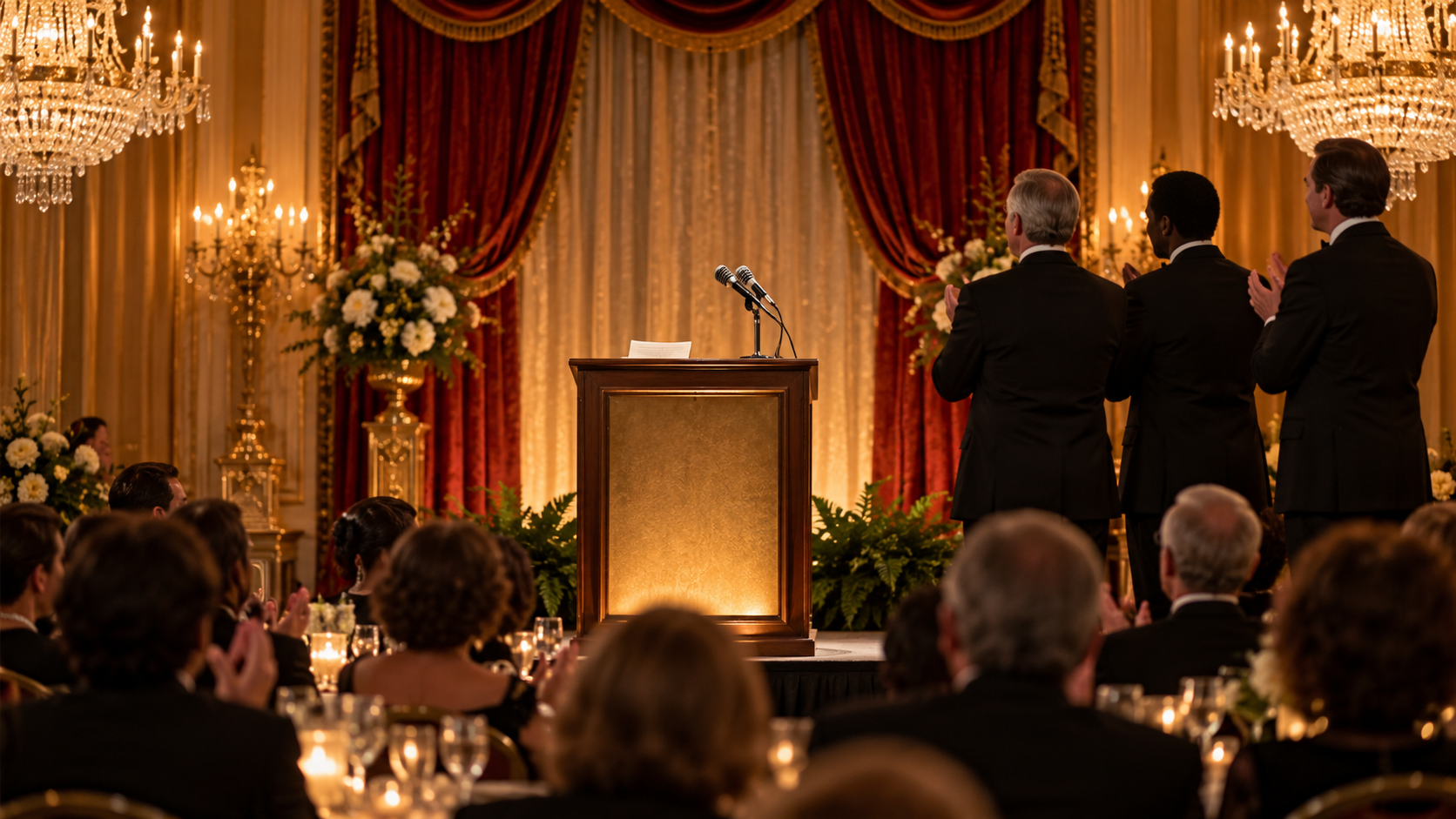
Aretha Franklin became the first woman inducted into the Rock & Roll Hall of Fame on January 21, 1987, during the institution’s second annual ceremony. The honor recognized a career that had already transformed gospel technique, rhythm and blues, soul and popular song. Franklin was not present at the New York ceremony, and her brother, minister Cecil Franklin, accepted on her behalf. Her absence did not lessen the significance of the designation. A hall created to define rock history had admitted many male performers in its first class; placing Franklin in the next group acknowledged that the music’s development could not be understood without women or without the Black church traditions that shaped her voice.
Franklin had recorded as a teenager before moving from Columbia Records to Atlantic in the late 1960s. Working with producer Jerry Wexler and musicians connected to the studios of Muscle Shoals and New York, she joined forceful piano playing with phrasing learned in church. “Respect,” “Chain of Fools,” “Think” and “(You Make Me Feel Like) A Natural Woman” became both major hits and vehicles for an unusually direct artistic identity. Her performances could sound commanding, wounded, playful and devotional within the same song. The title “Queen of Soul” captured her stature but could also obscure her range: she interpreted standards, wrote songs, arranged vocals and brought keyboard authority to records often remembered primarily for singing.
Being first carried both prestige and an uncomfortable implication. Women had been essential to rock and its source traditions long before the Hall existed, including Sister Rosetta Tharpe, Ruth Brown, LaVern Baker and many others who would be honored later. Franklin’s 1987 induction opened a door, but it did not produce immediate equality in the institution’s membership or in the music business. Its lasting value is strongest when treated as a milestone within a longer correction rather than proof that exclusion had ended. Franklin continued to receive major honors, perform for presidents and influence singers across genres until her death in 2018. Every powerful cover of “Respect” or gospel-inflected pop vocal bears some relation to the standard she set. January 21 therefore records an overdue institutional first and a reminder: halls of fame do not create cultural importance, but their choices reveal whose importance the industry is finally prepared to recognize. Her place in that class made the omission of earlier female pioneers harder to ignore and helped establish a benchmark against which future selections would be judged.
Franklin entered the Hall in its second class after decades of foundational recordings and performances.
Her brother Cecil accepted because she did not attend the New York ceremony.
The first-woman distinction was historic, but it also exposed how much women’s work had been overlooked.
Later inductions expanded the record without eliminating debates over representation and genre boundaries.
Franklin’s influence reaches soul, rock, gospel, pop and nearly every tradition built around expressive singing.
The milestone matters most as recognition of existing greatness, not as the beginning of women’s contribution.
Explore more of "On This Day ..."
Discover more events from the same date across news, politics, technology, sports, and other fields. Each link highlights significant moments that shaped history on different fronts.