

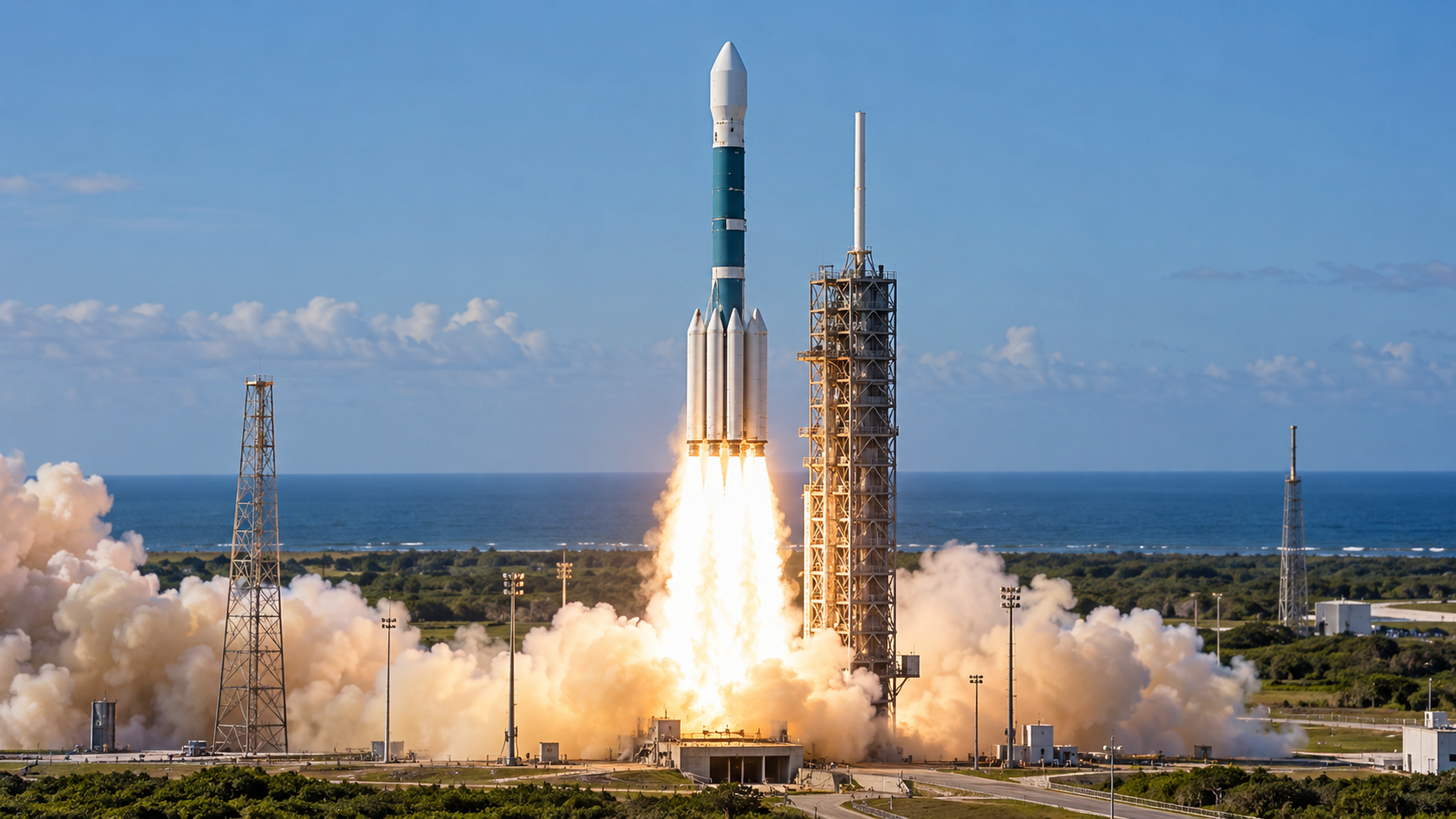
On This Day in Science: June 10, 2003
On June 10, 2003, NASA launched the Mars Exploration Rover Spirit from Cape Canaveral aboard a Delta II rocket. Spirit was one of two nearly identical rovers sent during the same planetary opportunity; Opportunity followed in July. The pair was designed to work for at least ninety Martian days while searching rocks and soils for evidence of past water.
Spirit traveled inside a cruise stage, aeroshell, parachute system, retrorockets, and an airbag-protected lander. It reached Gusev Crater in January 2004, bounced to a stop, unfolded, and drove onto the surface. The six-wheeled rover carried panoramic and microscopic cameras, spectrometers, and a rock-abrasion tool that exposed fresh material beneath weathered surfaces.
The initial plains contained volcanic rocks altered only modestly by water. Spirit later climbed into the Columbia Hills, where it found a more varied geological record. A dragging wheel uncovered nearly pure silica, a material that can form in hot-water or steam environments, strengthening evidence that hydrothermal processes once affected the site.
Spirit operated for more than six years, far beyond its planned life, before becoming stuck in soft soil and losing communication after a winter. Its launch began a mobile field-geology experiment in which route choices, wheel tracks, and instrument placement gradually assembled a history of water and volcanism. Seen across a longer timeline, scientific milestones are junctions rather than isolated beginnings. Earlier experiments, tools, and institutions made the work possible, while later teams tested limits and carried the result into new settings. What survives is a traceable chain of evidence, correction, and application that allows one moment to remain relevant as knowledge and technology continue to change. The anniversary highlights the difference between a first result and a finished understanding. A successful observation can settle one question while opening several harder ones, and even a failed objective can reshape later designs. Preserved data, specimens, photographs, and hardware allow new generations to revisit the work with better tools. Science advances through that continuity rather than stopping on a memorable date. Its calendar date is an entry point, not an endpoint. The people involved worked with the instruments, assumptions, and social conditions of their time, and later research has both extended and corrected their conclusions. Separating what was known that day from what became clear afterward protects the history from myth and shows how cumulative evidence turns an episode into lasting scientific knowledge. For science history, the event also shows how evidence moves from an observation or engineered test into a durable body of knowledge. Instruments supplied measurements, specialists debated interpretation, and later work refined what the first result could mean. Archives preserve the early record while new methods let researchers ask different questions of it. That continuing revision is the process through which a dated milestone remains scientifically useful.
Spirit crossed interplanetary space within a cruise stage and entered Mars in a heat shield.
A parachute, rockets, and inflated airbags slowed and protected the final landing.
Cameras selected targets while spectrometers measured mineral and elemental composition.
A grinding tool removed altered surfaces so instruments could examine fresher rock.
Long-lived hardware let the rover leave the plains and explore the Columbia Hills.
Unexpected silica deposits revealed an ancient water-rich environment.
Explore more of "On This Day ..."
Discover more events from the same date across news, politics, technology, sports, and other fields. Each link highlights significant moments that shaped history on different fronts.