

Pressure Cooker Explainer
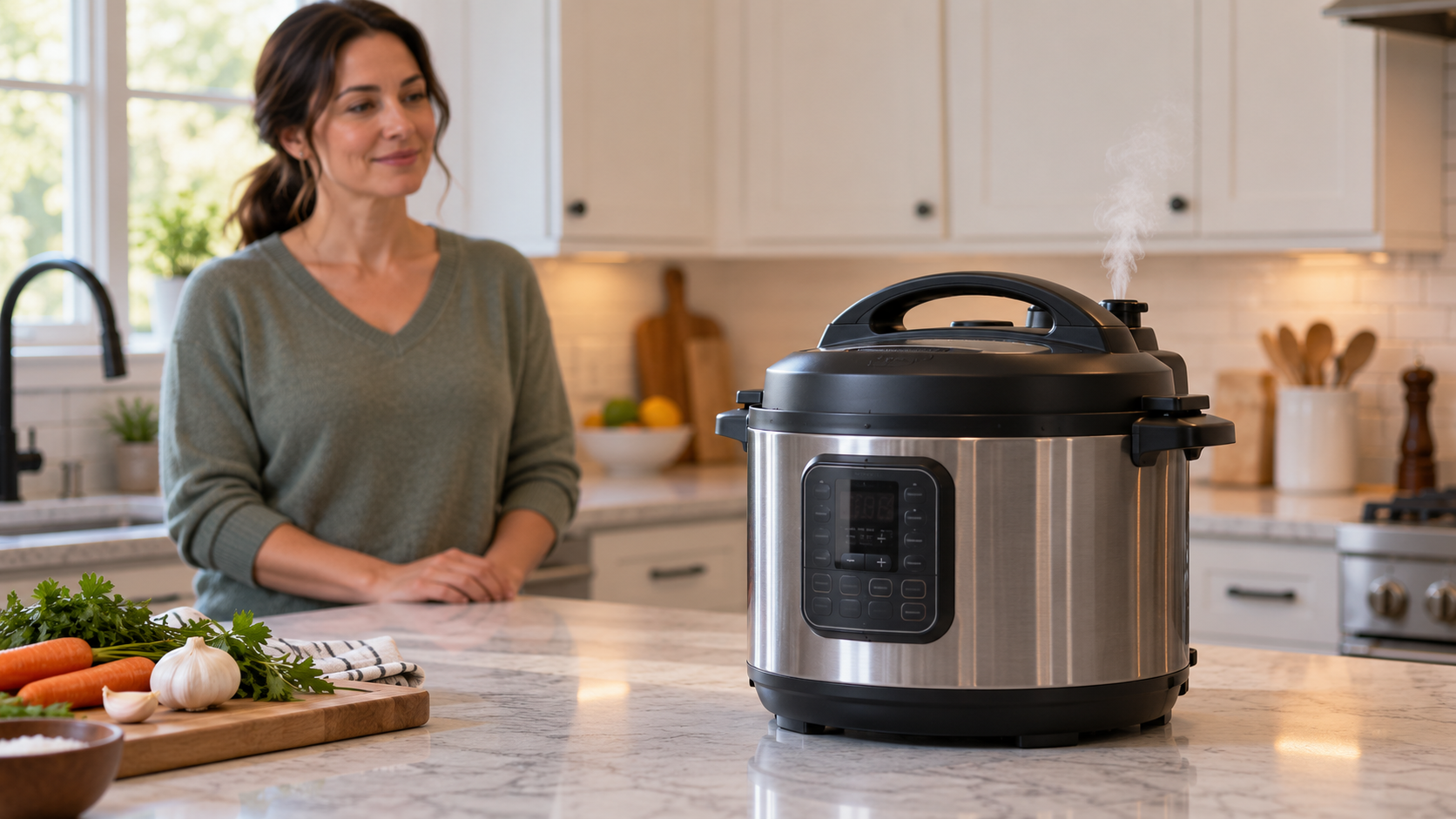
A pressure cooker cooks food faster by holding steam in a sealed vessel so pressure rises above normal atmospheric pressure. At ordinary pressure, water boils near 212 degrees Fahrenheit at sea level, and added heat mostly changes liquid water into steam. In a pressurized cooker, the boiling temperature is higher. The food, liquid, and steam can therefore reach a higher controlled temperature, accelerating many cooking reactions and moving heat through moist foods quickly. The cooker does not force pressure directly into the center of every ingredient; time is still needed for heat to travel through thick pieces.
The pot relies on a tight lid, gasket, locking mechanism, and pressure-regulating valve. Liquid heated at the bottom produces steam, while displaced air and some vapor leave during the initial warm-up. When the regulator reaches its operating condition, it limits pressure by controlling how steam escapes. An electric multicooker uses sensors and electronics to manage the heater, while a stovetop model depends more on burner adjustment and a mechanical regulator. Safety valves or plugs provide backup relief, but they are not normal controls and must remain clean and unobstructed.
Recipes require a minimum amount of thin liquid because steam is the heat-transfer medium and the pot must pressurize. Thick sauces, foaming foods, grains, legumes, pasta, and expanding ingredients can block a valve or exceed safe fill limits if handled incorrectly. Cookers are generally filled no more than the manufacturer’s marked maximum and often less for foods that foam or expand. The rack can hold food above the liquid for steaming, while braises place ingredients partly in liquid. Browning is usually done before sealing because a wet pressurized environment does not produce the same dry surface heat.
Cooking time is counted after operating pressure is reached, not from the instant the start button is pressed. Warm-up and depressurization add time, although the total can still be much shorter for beans, tough meat, stocks, or dense vegetables. Altitude lowers atmospheric pressure and changes boiling behavior, often requiring recipe adjustments. Ingredient size, starting temperature, quantity, and desired tenderness also matter. Doubling a recipe does not always double the pressure time, but it can lengthen heat-up and release significantly.
Pressure must be released before the lid opens. Natural release lets the cooker cool gradually and suits foamy foods or meats that benefit from a gentler finish. A controlled quick release vents steam through the designed valve and is useful for foods that would overcook, but the jet can burn and may carry liquid or foam. Hands, face, cabinets, and cords should be kept clear. Never force the lid, cover a vent, fill past the limit, or immerse an electric base. If pressure remains, the locking system should be treated as a warning rather than an obstacle.
The mechanism saves time but does not make judgment unnecessary. Delicate vegetables can turn soft quickly, dairy and thickeners may scorch, and inadequate liquid can trigger a burn warning. Gaskets wear, valves collect residue, and sealing surfaces need inspection according to the manual. Pressure cookers are distinct from pressure canners; a small cooker is not automatically safe for processing shelf-stable low-acid foods. Used within its tested recipes and limits, the cooker is a controlled high-temperature steam environment that trades visibility and mid-cook access for faster, efficient tenderizing.
A pressure cooker traps steam so pressure and water’s boiling temperature rise, allowing hotter moist-heat cooking. Key terms include gasket, locking lid, regulator, operating pressure, minimum liquid, maximum fill, natural release, and quick release.
Recipe pressure time starts after the cooker reaches operating pressure. Warm-up and release are additional, and both change with food quantity, starting temperature, liquid, and altitude.
Only after pressure is fully released by an approved method and the lock indicates it is safe. Never force the lid or place hands or face over a venting steam jet.
Explore more "Explainers"
Discover additional explainers across politics, science, business, technology, and other fields. Each explainer breaks down a complex idea into clear, everyday language—helping you better understand how major concepts, systems, and debates shape the world around us.