

How Shido Penalties Work in Judo Explainer
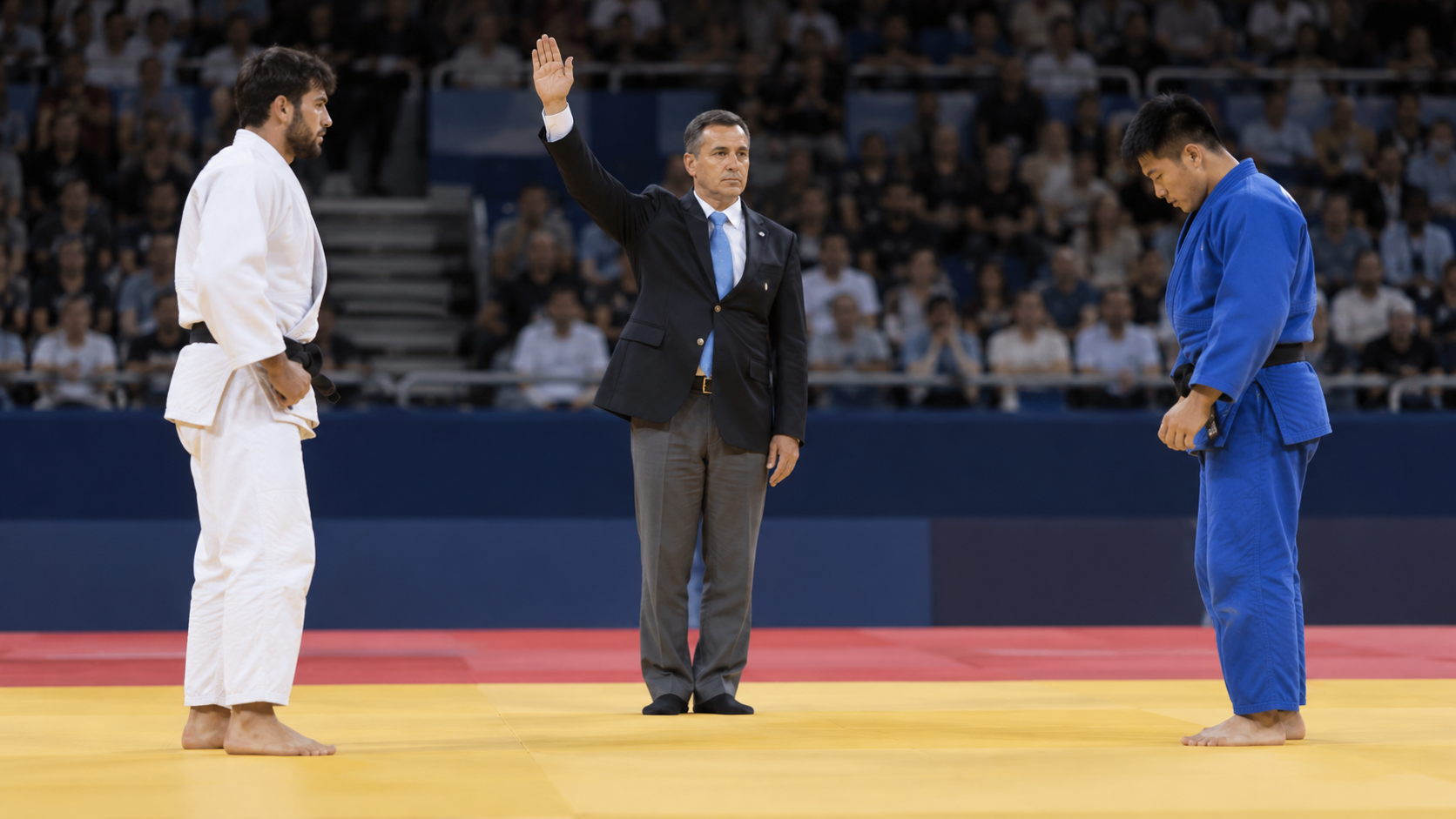
A shido is judo's penalty for prohibited but non-disqualifying conduct. It can be given for passivity, avoiding grips, stepping out to escape, false attacks, defensive posture, or other listed infringements. The referee signals the penalty and the contest continues from the standing restart.
One or two shidos do not give the opponent a positive score. They do, however, accumulate through regulation and golden score. A third shido becomes hansoku-make, ending the contest in favor of the opponent, so earlier cautions meaningfully narrow an athlete's tactical choices.
Direct hansoku-make is reserved for specified grave or dangerous acts and does not require three earlier shidos. Depending on the offence, disqualification may affect only that contest or can carry broader event consequences. The referee team may confer or use video supervision when permitted.
Officials distinguish genuine attack from activity designed only to appear busy. Competitors need time to establish grips and construct a throw, but persistent non-combativity cannot stall the match. Shido therefore manages pace, safety, and fairness without turning every minor violation into immediate defeat.
No. It is recorded as a penalty but does not itself add a positive score.
The athlete receives hansoku-make and loses the contest.
Yes. The accumulated penalties remain in effect.
Explore more "Explainers"
Discover additional explainers across politics, science, business, technology, and other fields. Each explainer breaks down a complex idea into clear, everyday language—helping you better understand how major concepts, systems, and debates shape the world around us.