

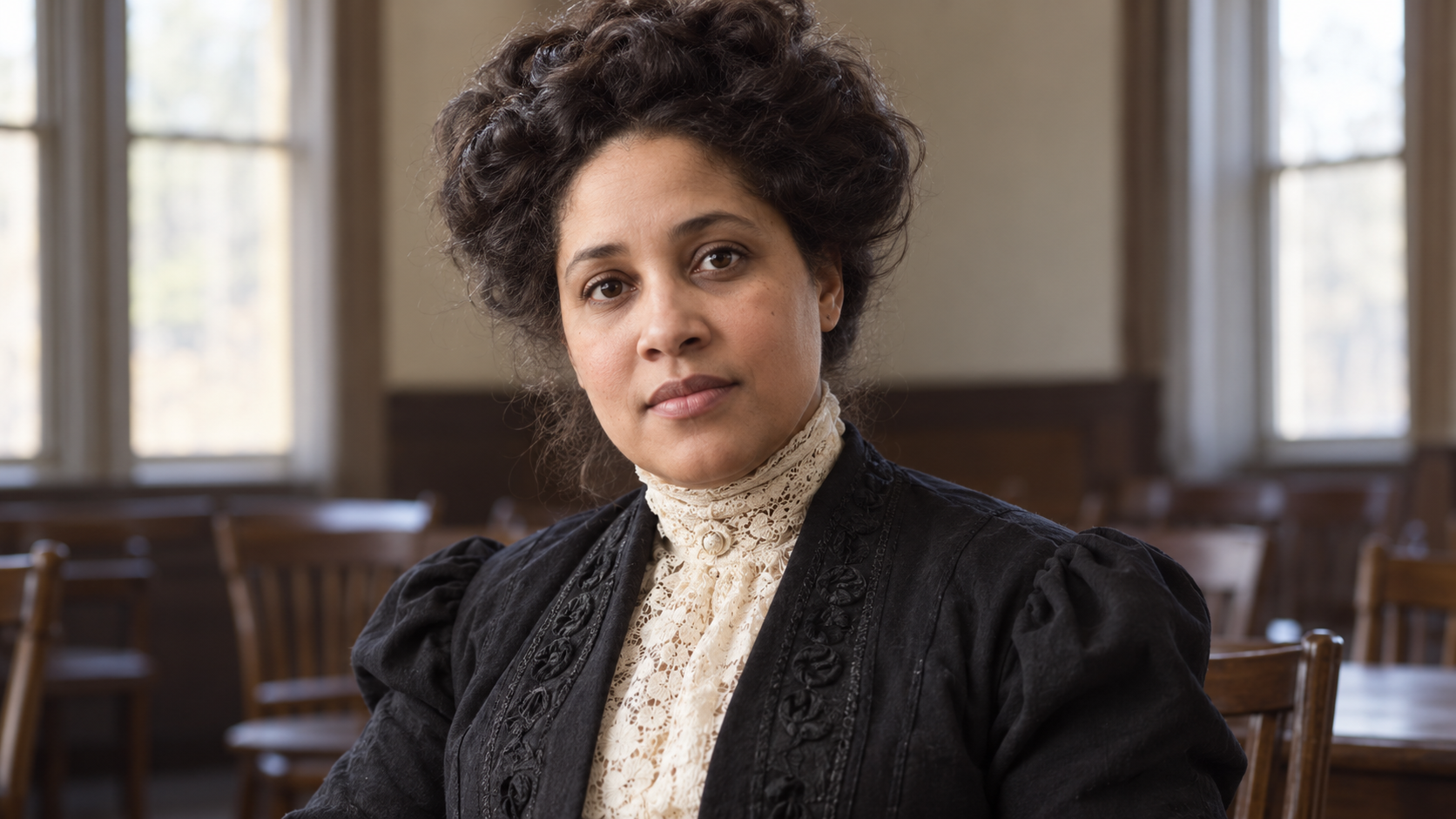
“Seeking no favors because of our color, nor patronage because of our needs, we knock at the bar of justice, asking an equal chance.”
Mary Church Terrell concluded her 1898 speech The Progress of Colored Women with a demand for equal opportunity. Delivered before the National American Woman Suffrage Association, the address described Black women’s achievements and the obstacles confronting them after emancipation. The closing sentence rejected both special favors and a condescending response to need. Terrell instead placed the demand before justice itself. The wording is preserved in the original pamphlet held by the Library of Congress. Its directness matters: the speaker was not asking an audience to admire exceptional individuals while leaving the conditions faced by their communities beyond examination.
The contrast between patronage and an equal chance identifies different relationships to power. Patronage places a recipient’s prospects in the hands of someone who chooses whether to bestow help. Justice asks whether the rules and opportunities are fair in the first place. Terrell’s account of collective work gives that distinction substance. Black women were building institutions, supporting children, and confronting exclusion, rather than waiting passively for permission to participate. The speech nevertheless refused to make their effort an excuse for public indifference. Achievement under adverse conditions did not show that those conditions were acceptable or that discrimination had ceased to matter.
For readers, the sentence offers a way to examine how institutions describe inclusion. A program can celebrate the success of a few participants without considering who never received a comparable opening. An equal chance requires attention to access, treatment, and the criteria used to distribute opportunity. These questions can arise in education, employment, or political participation. This is an application of Terrell’s distinction, not a claim that her address laid out a modern policy for every setting. The historical argument directs us to examine barriers themselves, rather than allowing a story about generosity to replace a discussion of rights and responsibility.
Terrell’s collective voice also guards against reducing progress to individual escape. The speech’s conclusion looked toward a future in which advancement carried obligations to others. A community gains less when one person succeeds and the door closes behind them. Fair opportunity can therefore be assessed by whether it broadens participation and makes later success less dependent on extraordinary endurance. The closing demand remains useful because it identifies the standard by which public promises should be judged. People should be able to take part on terms that recognize their standing, rather than remain dependent on praise, charity, or the changing goodwill of those who control access.
The sentence closes Terrell’s 1898 address The Progress of Colored Women. The Library of Congress preserves its original printed pamphlet.
The speech addressed Black women’s advancement after emancipation and the continuing obstacles to fair participation.
Terrell distinguished a claim to justice from dependence on favors. Her language resists treating equal opportunity as a gift from the powerful.
Her account of organized community work makes the demand collective. Individual achievement did not absolve institutions of responsibility for exclusion.
Readers can ask whether an opportunity is accessible on fair terms or depends on discretionary goodwill.
A further question is whether success opens a path for others. Shared advancement requires attention to the barriers that remain after individual victories.
Explore more "Quotes of The Day"
Discover more notable quotes from influential voices across politics, science, business, technology, sports, and culture. Each quote offers insight into how ideas, beliefs, and decisions shape the world around us.