

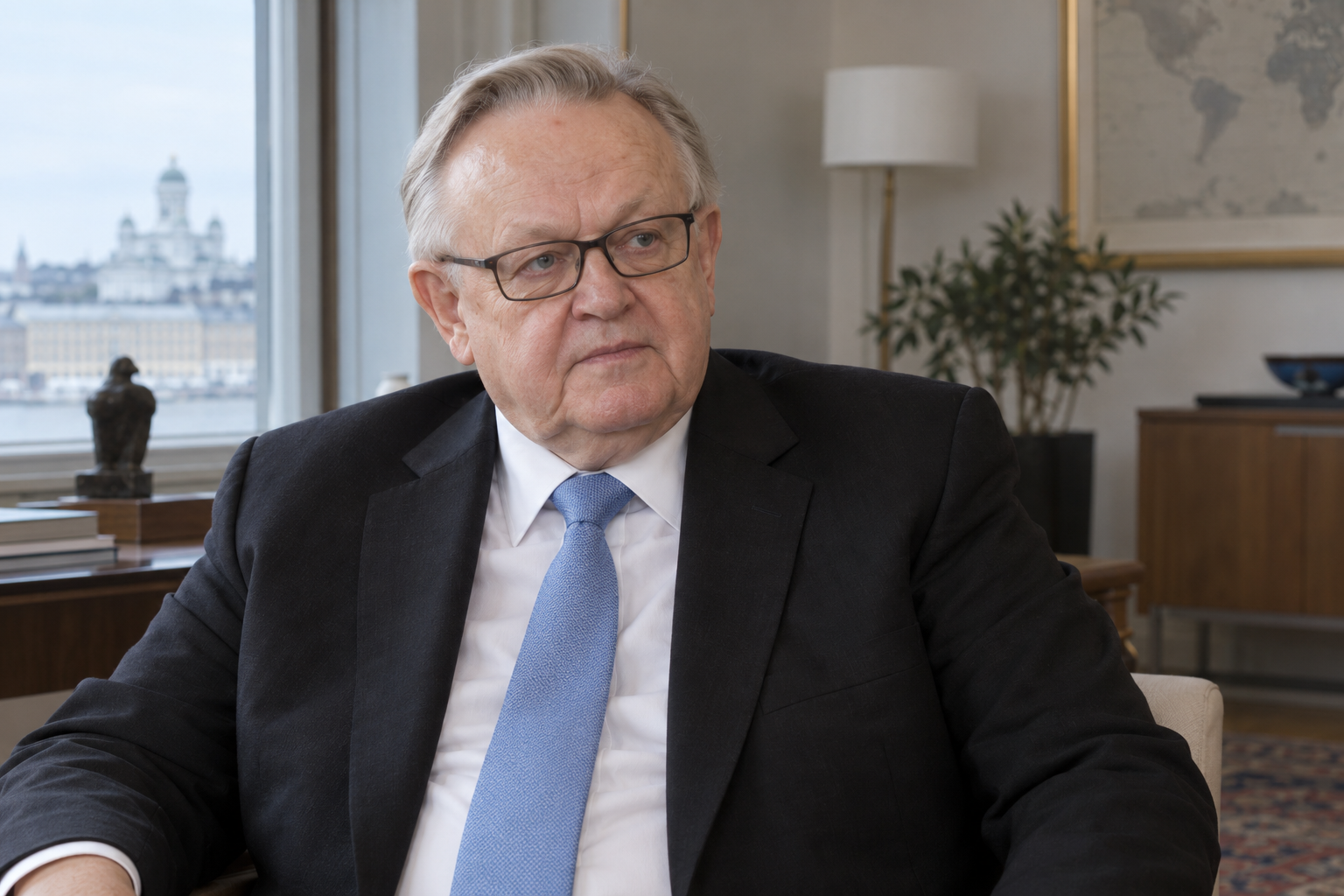
“But the real work only starts after a peace agreement has been concluded.”
Martti Ahtisaari made this observation in his Nobel lecture on December 10, 2008. The Finnish mediator was discussing the responsibilities that follow the settlement of a conflict. An agreement can create an opening that did not exist before, yet signing it does not automatically change the conditions people experience. Promises must become working arrangements, and arrangements must survive difficult choices. The sentence moves attention from the celebrated moment of agreement to the less visible effort that follows. It asks readers to judge a settlement by the work it makes possible and the commitments it requires, rather than by the ceremony alone.
A written agreement can establish obligations, procedures, and a direction for change. Those provisions still depend on people implementing them. If responsibilities remain unclear or promised changes repeatedly fail to appear, confidence can weaken even when the document survives. This is why follow-through belongs at the center of political judgment. The relevant questions concern what has been done, what remains unfinished, and how people can raise concerns without returning to violence. Ahtisaari’s point does not dismiss negotiation as symbolic. It explains why negotiation must create a foundation capable of supporting practical work over time, including work that will receive less attention than the original breakthrough.
The surrounding lecture emphasized the participation of people affected by conflict and the need to give women a meaningful role in peace processes. It also distinguished the mediator’s contribution from the responsibilities of the parties themselves. These details resist the familiar picture of peace as the achievement of one exceptional individual. An outside mediator may help open a path, but communities and political actors have to sustain it. Their participation matters because they understand the problems an agreement must address and will live with the consequences of its implementation. Durable progress requires an opportunity to shape those consequences, rather than simply receive decisions made elsewhere.
The quotation therefore offers a useful discipline for evaluating public promises. An announcement deserves attention, but the next questions should concern responsibilities, resources, participation, and evidence of progress. Patience can be necessary without becoming an excuse for indefinite delay. People need ways to distinguish a difficult process that is moving forward from a promise repeatedly deferred. This standard applies beyond formal peace settlements wherever institutions make commitments that affect people’s lives. Ahtisaari’s sentence directs respect toward the sustained labor of carrying out an agreement. The political achievement becomes more credible when a promise can be tested through everyday practice, when shortcomings can be named, and when those responsible remain answerable for correcting them.
Ahtisaari spoke in his Nobel lecture on December 10, 2008. He was discussing the work required after a conflict settlement.
Signing an agreement can open a path forward. The conditions it promises still have to be created and maintained.
Implementation needs clear responsibilities and ways to address failures. A surviving document alone does not prove that people’s circumstances have improved.
The lecture emphasized participation, including a meaningful role for women. People affected by conflict should help shape the peace they will live with.
Mediators can assist the parties, but they cannot substitute for the parties’ commitments. Peace depends on continuing practical responsibility.
Patience should remain connected to evidence of progress. Sustained work deserves scrutiny as well as recognition.
Explore more "Quotes of The Day"
Discover more notable quotes from influential voices across politics, science, business, technology, sports, and culture. Each quote offers insight into how ideas, beliefs, and decisions shape the world around us.