How Does a Ballpoint Pen Control Ink Flow?
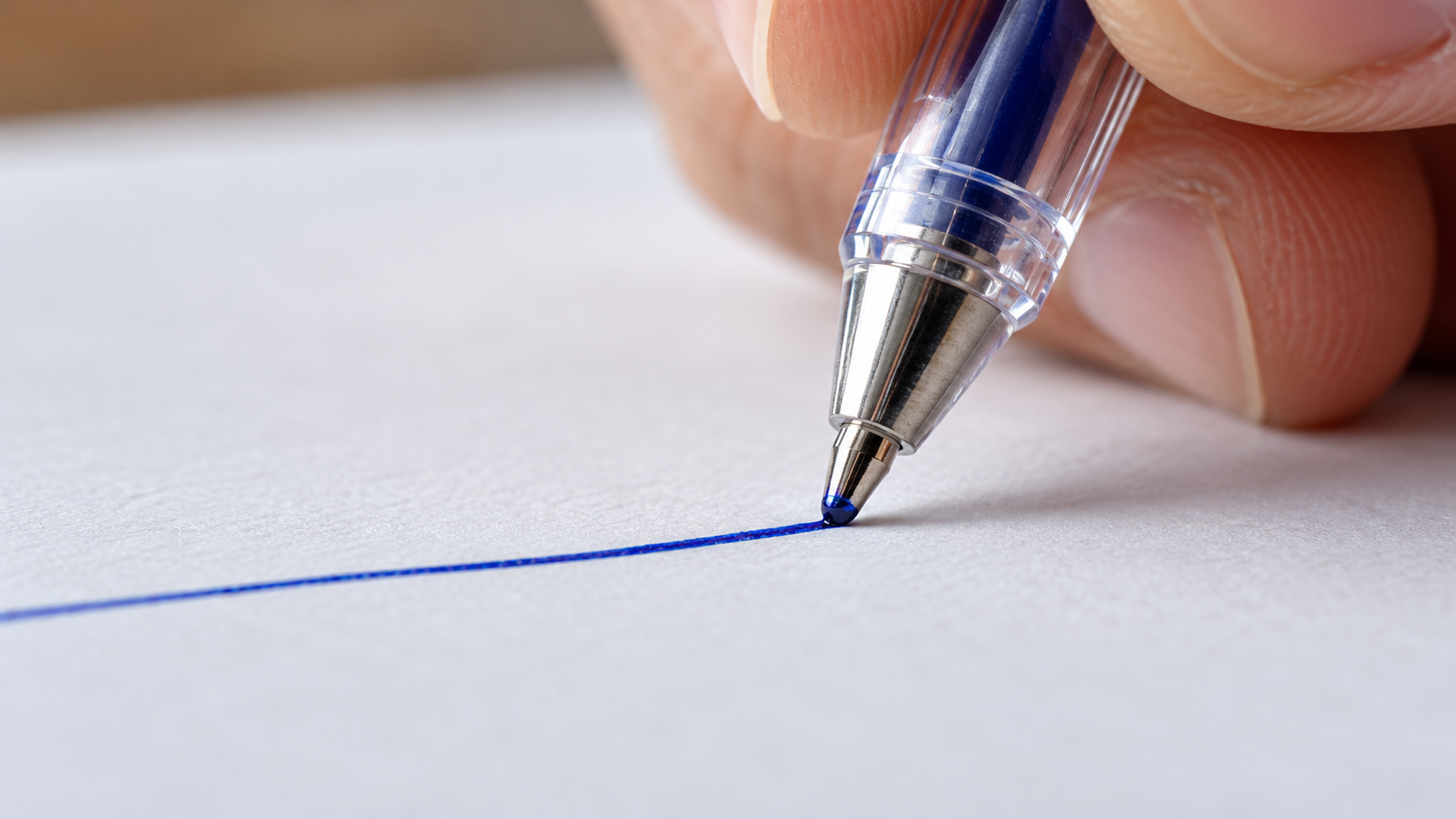
A ballpoint pen traps a tiny rotating ball in a socket, where it picks up viscous ink from the reservoir and transfers a controlled film onto paper.

Don't Just Read it – Explore It
A ballpoint pen traps a tiny rotating ball in a socket, where it picks up viscous ink from the reservoir and transfers a controlled film onto paper.
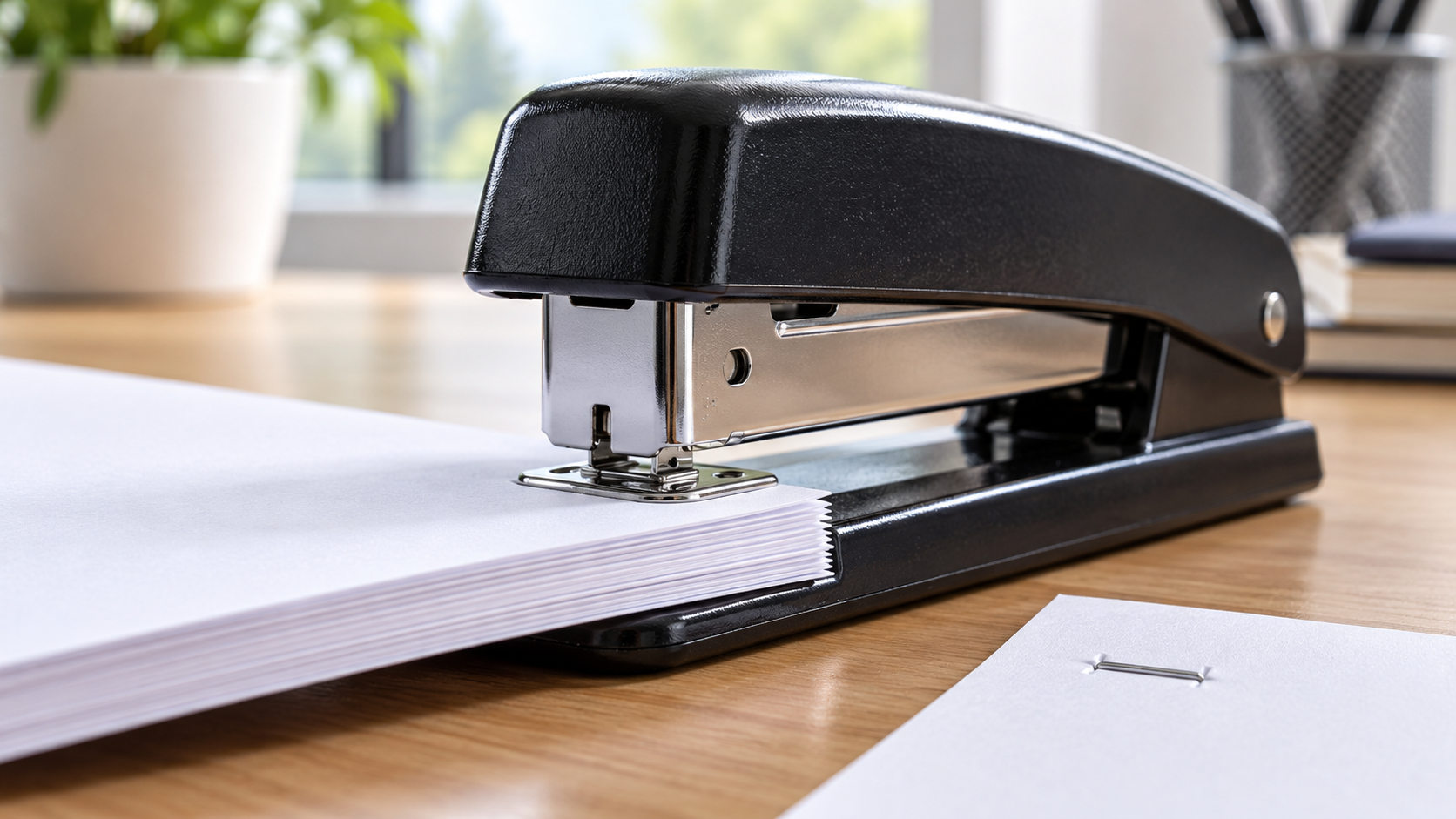
A desktop stapler separates one wire staple from a strip, drives its legs through paper, and uses grooves in an anvil to bend the legs into a clinch.
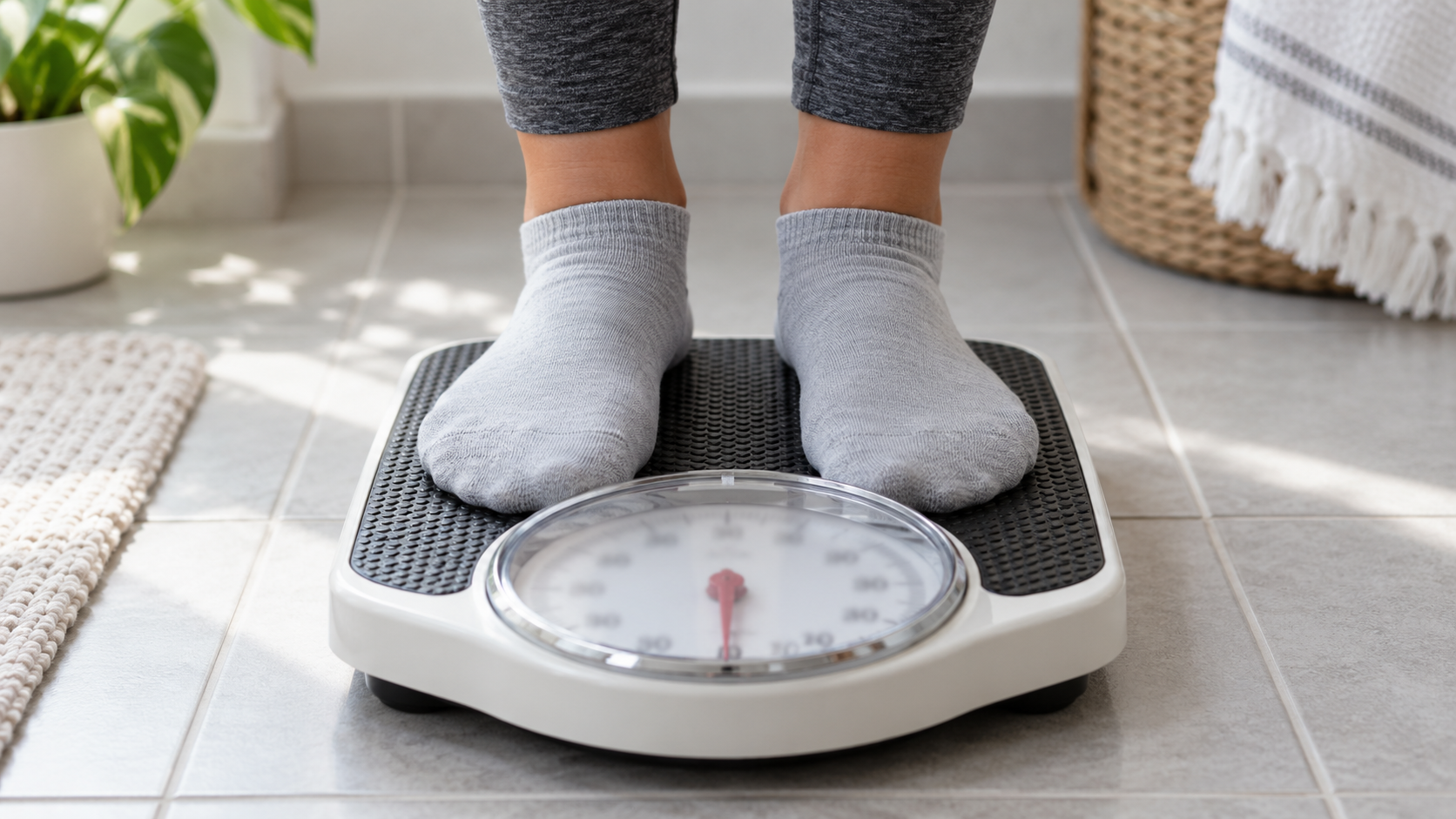
A mechanical bathroom scale combines platform levers to load a calibrated spring, then converts the spring’s movement into rotation of a numbered dial.
A suitcase combination lock uses numbered wheels coupled to notched internal gates, allowing the release bar to move only when every wheel is aligned to its set position.
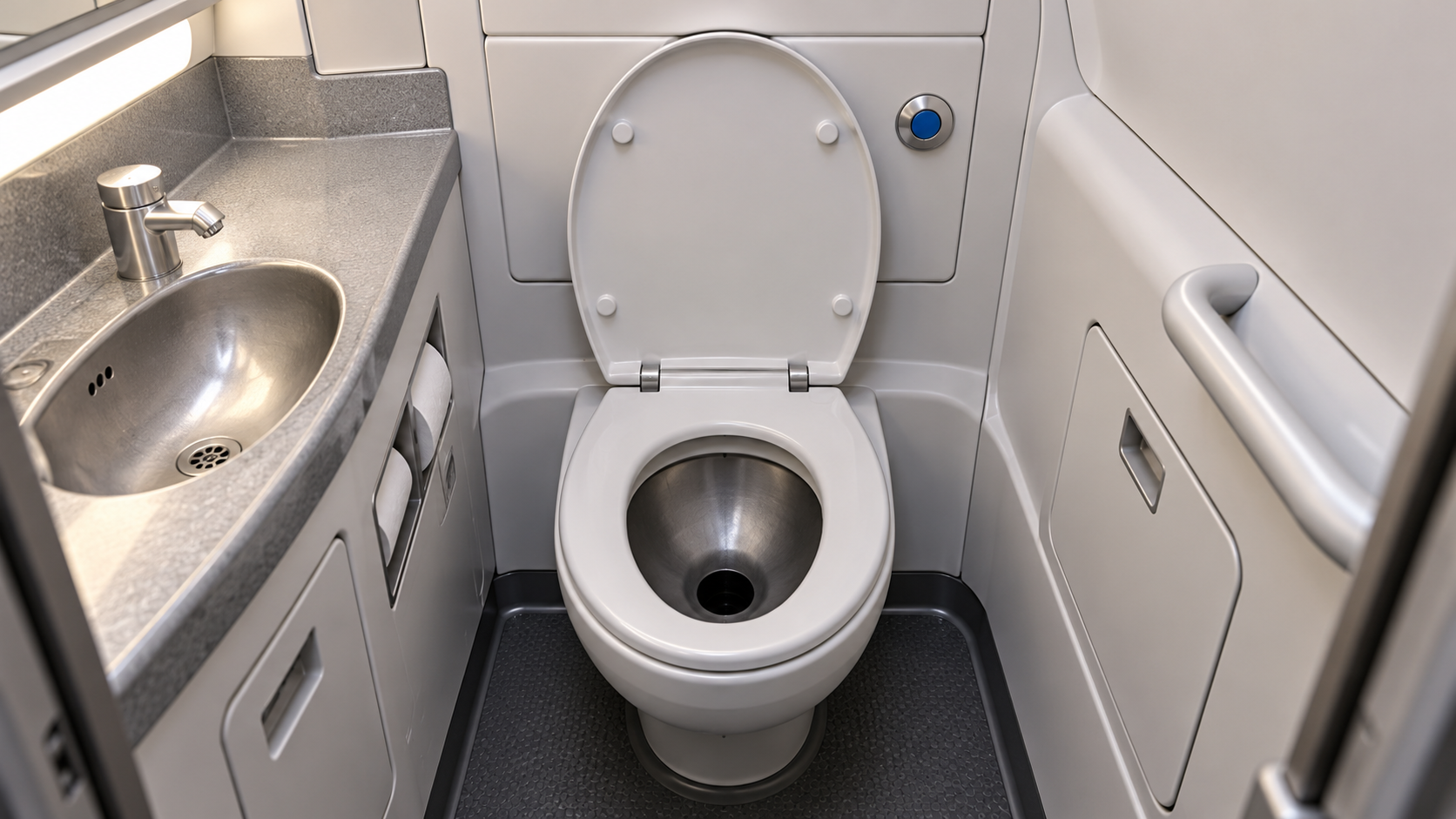
A modern airplane toilet opens a flush valve and uses pressure difference or a vacuum blower to move waste through narrow piping into a sealed holding tank.
On many airliners, pulling a dropped mask starts a chemical oxygen generator that releases oxygen to several connected masks during an emergency descent.
Public libraries license digital books through lending platforms that authenticate patrons, limit simultaneous loans, and make access expire automatically at the due date.
Spaced repetition schedules reviews after increasing delays, forcing memory retrieval at useful intervals instead of concentrating every review in one session.
Active recall strengthens memory by making the learner retrieve an answer before seeing it, then use feedback to correct and refine the remembered information.
A grading rubric separates work into explicit criteria and performance levels, giving different raters a shared structure for evidence, judgment, and feedback.
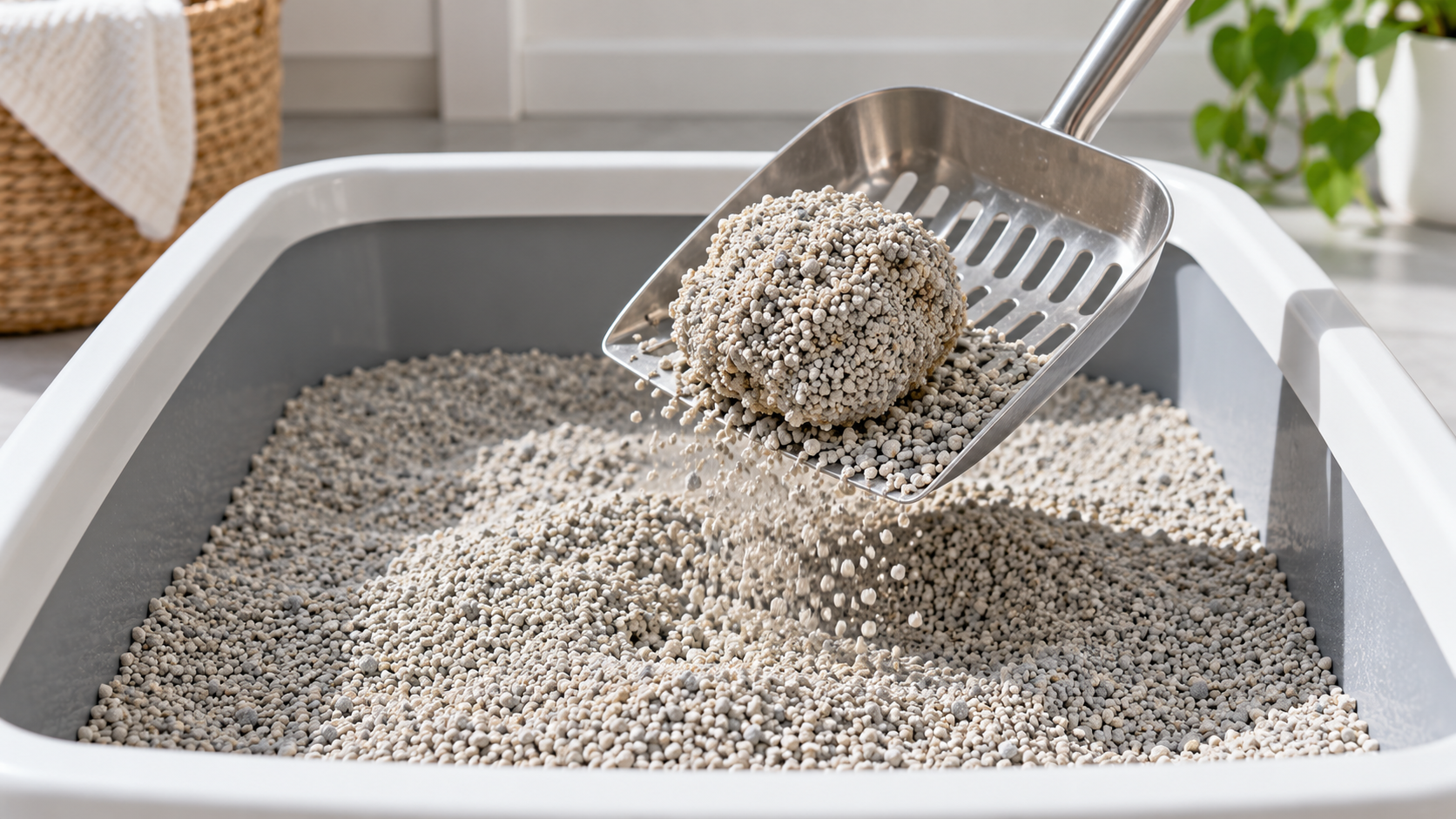
Clumping cat litter uses swelling clay particles that absorb liquid, expand, and bind neighboring granules into a cohesive mass that can be removed.
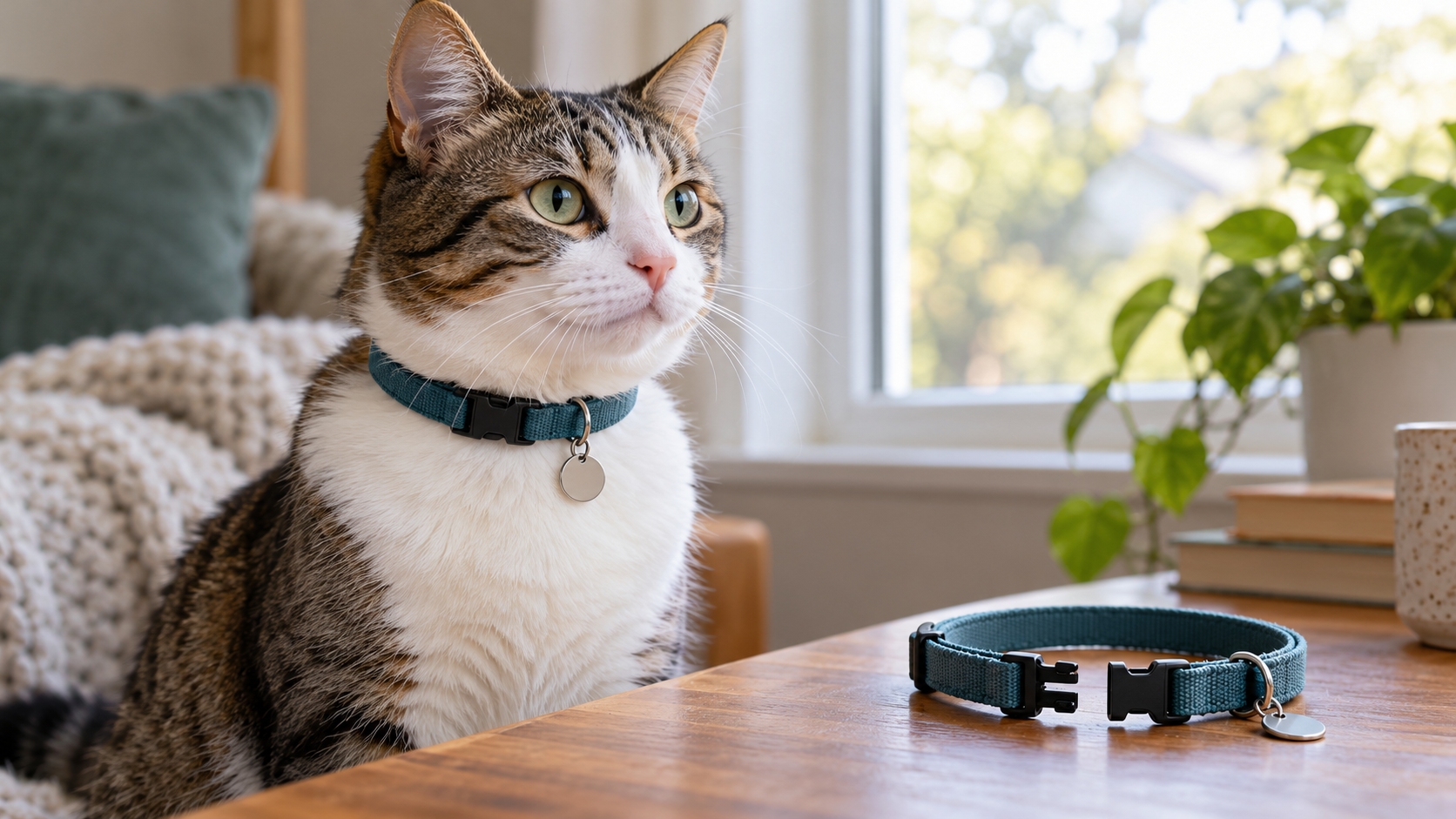
A breakaway cat collar uses a deliberately low-retention buckle that separates when a snag creates enough pulling force, reducing entanglement risk.