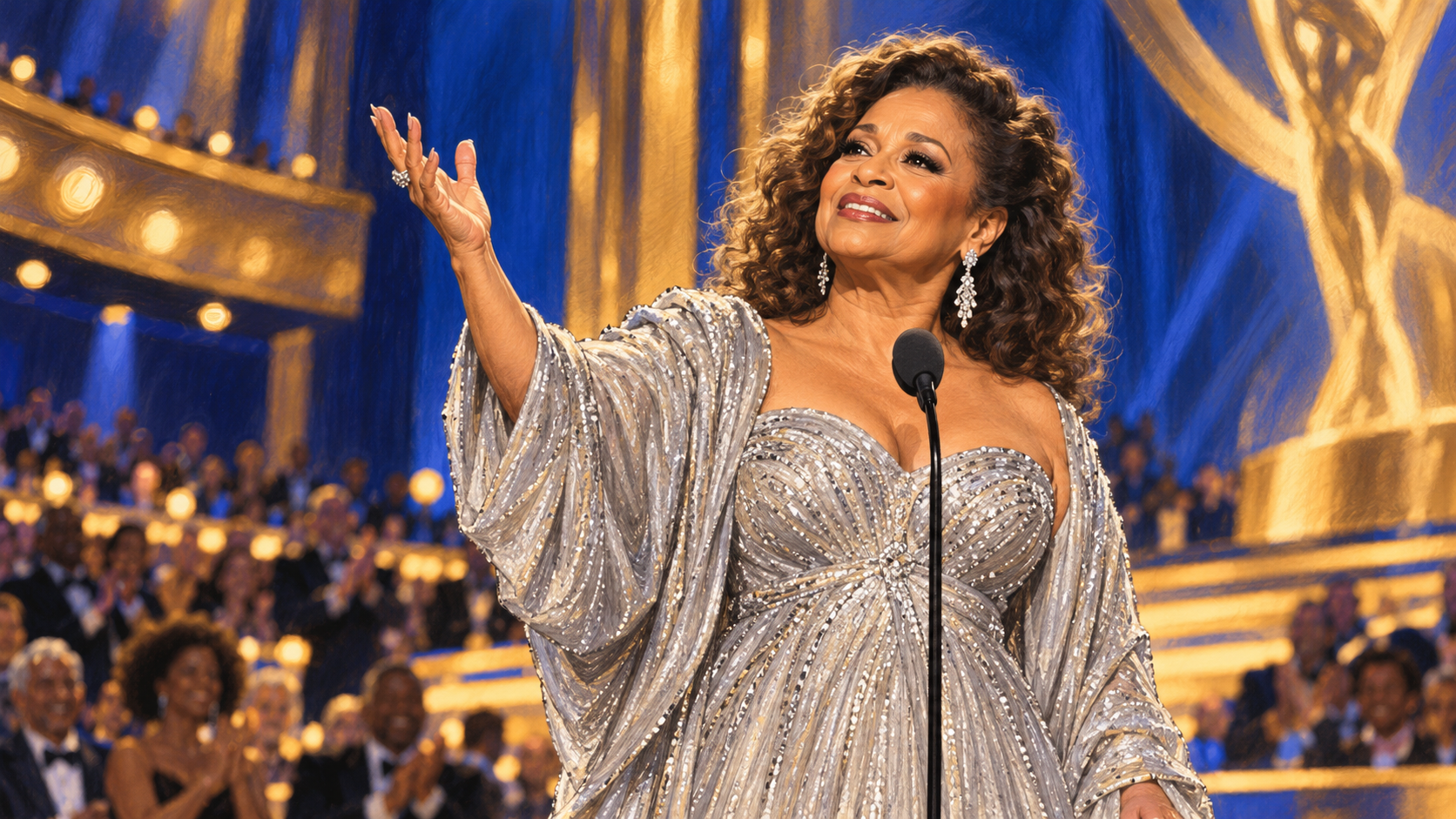
Debbie Allen, 2021
Debbie Allen’s Emmy speech turns artistic recognition into an instruction to use one’s voice and make room for stories still unheard.

Don't Just Read it – Explore It
Debbie Allen’s Emmy speech turns artistic recognition into an instruction to use one’s voice and make room for stories still unheard.
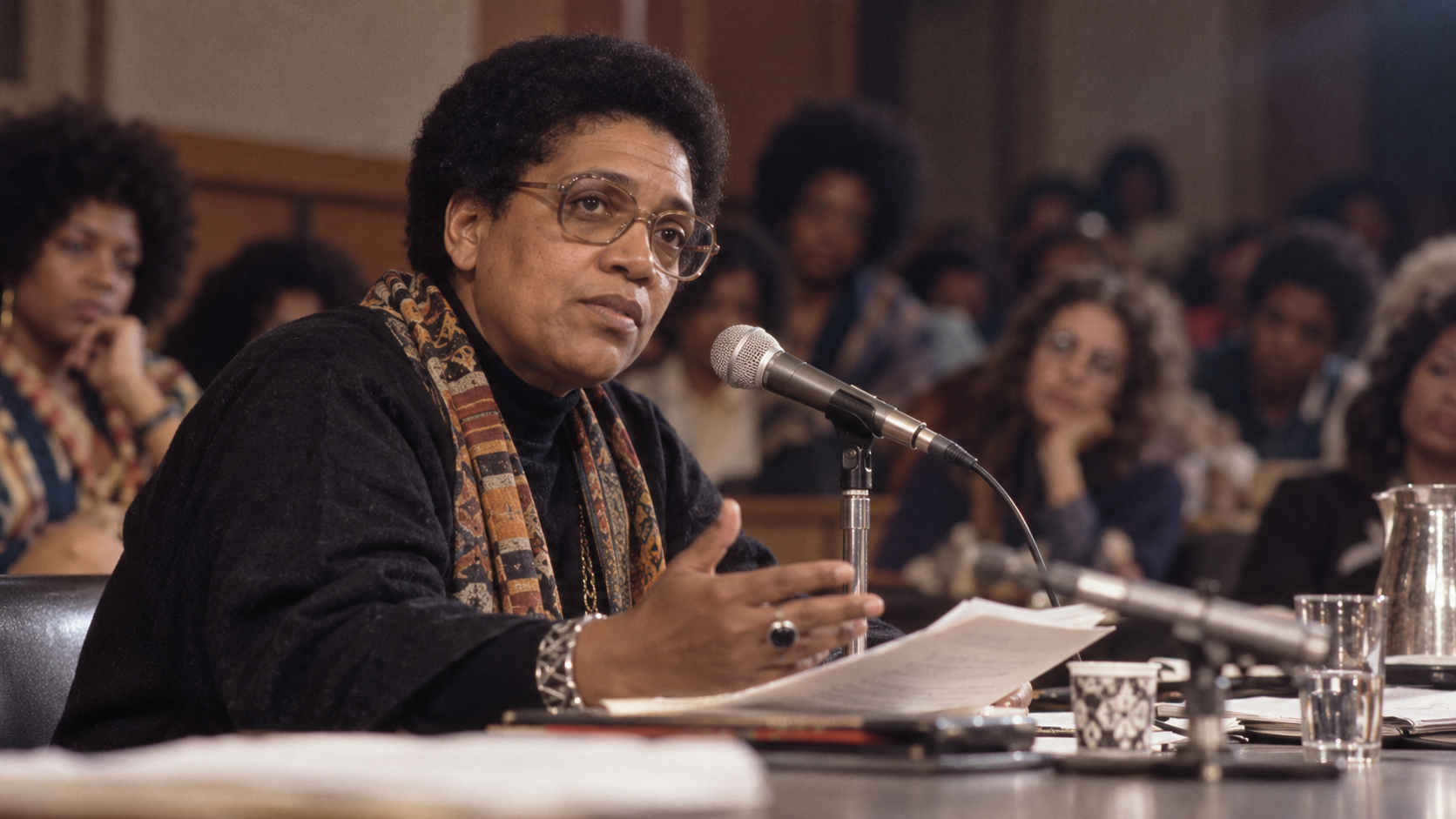
Audre Lorde’s 1977 address rejects silence as a reliable shelter and asks what becomes possible when fear is translated into language and action.
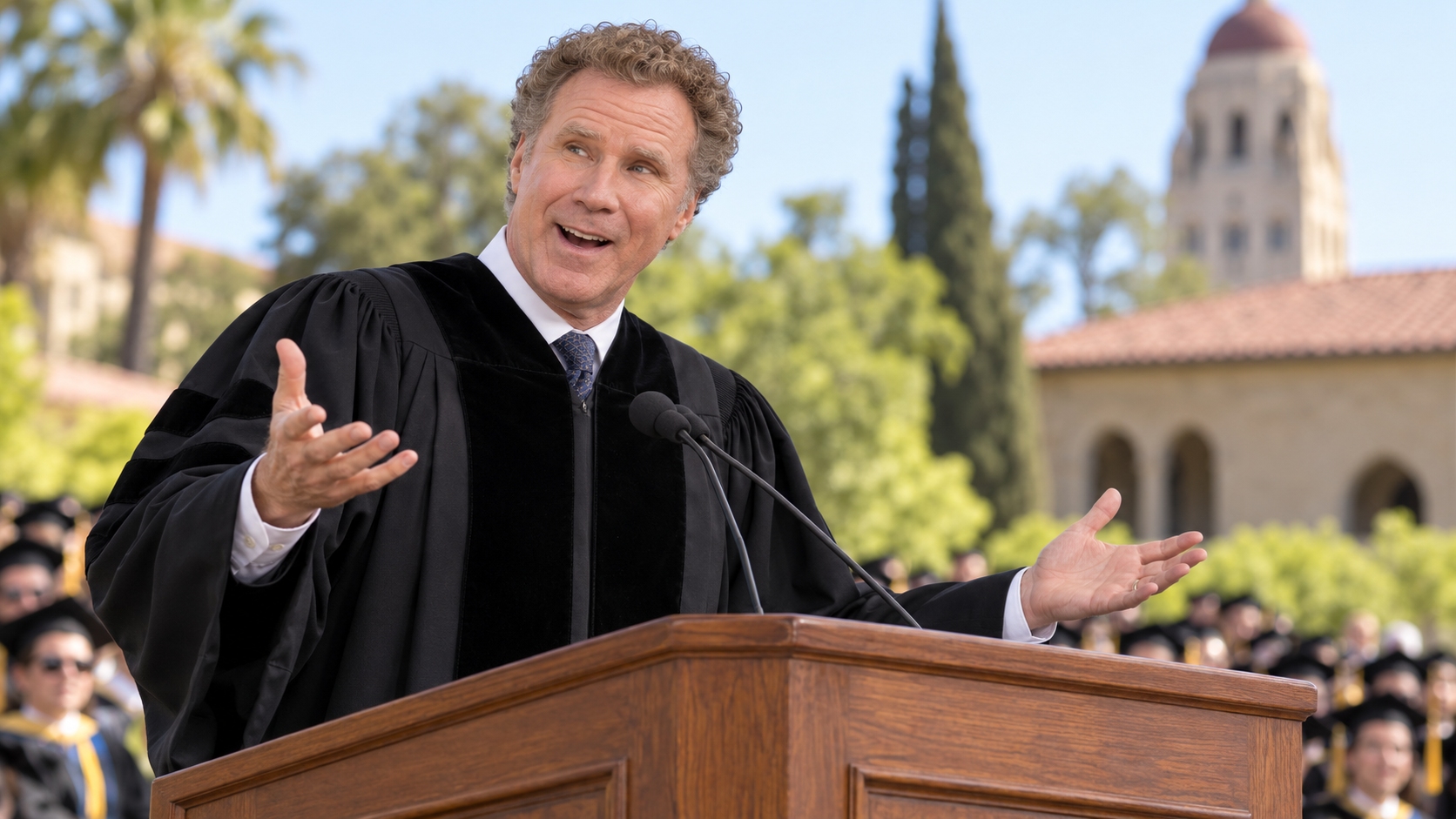
Will Ferrell’s USC commencement advice shifts attention from instant proof of success to the experiments that gradually reveal a direction.
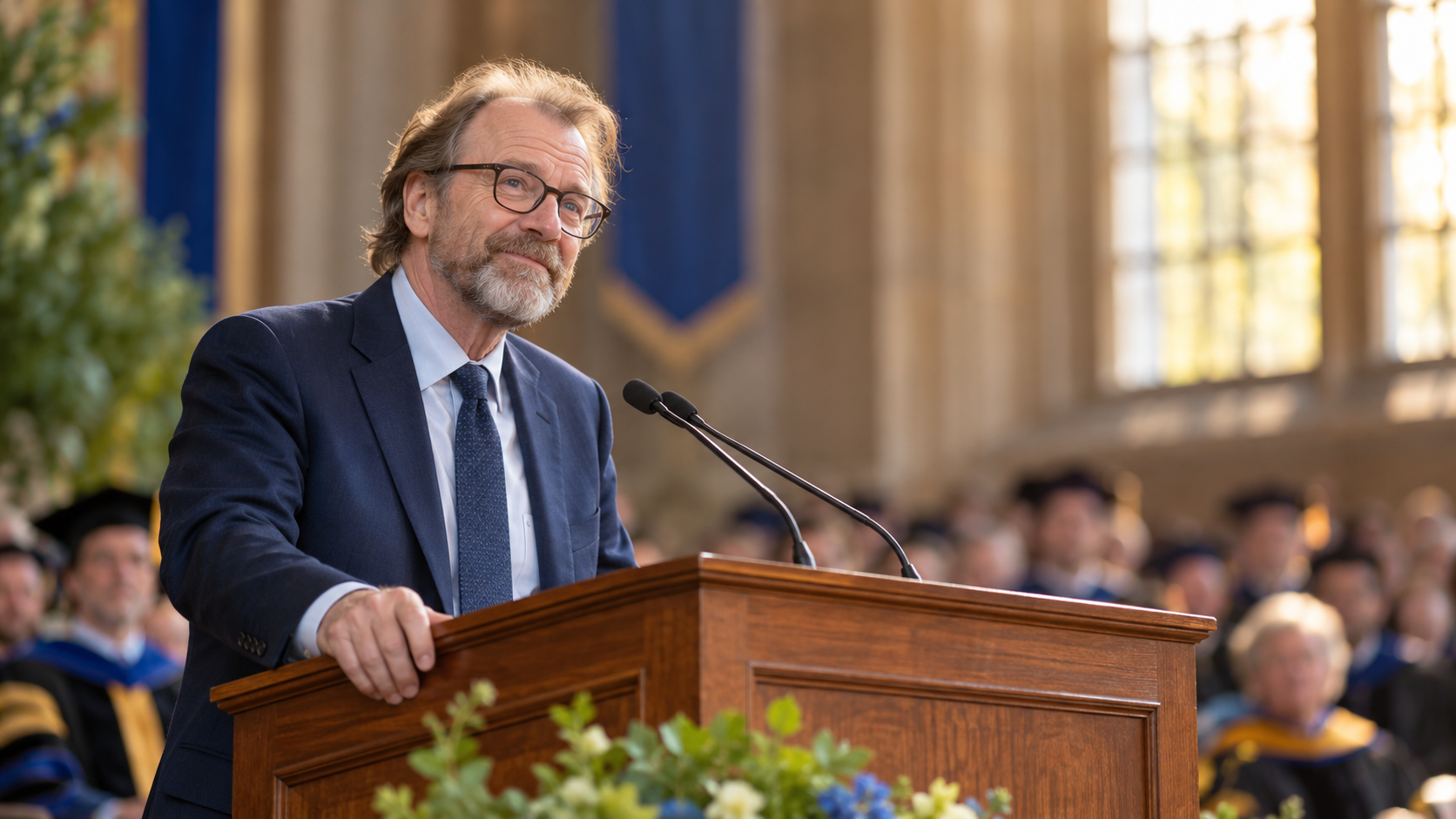
George Saunders’s Syracuse commencement address treats missed chances for kindness as the regrets that remain after ordinary mistakes fade.
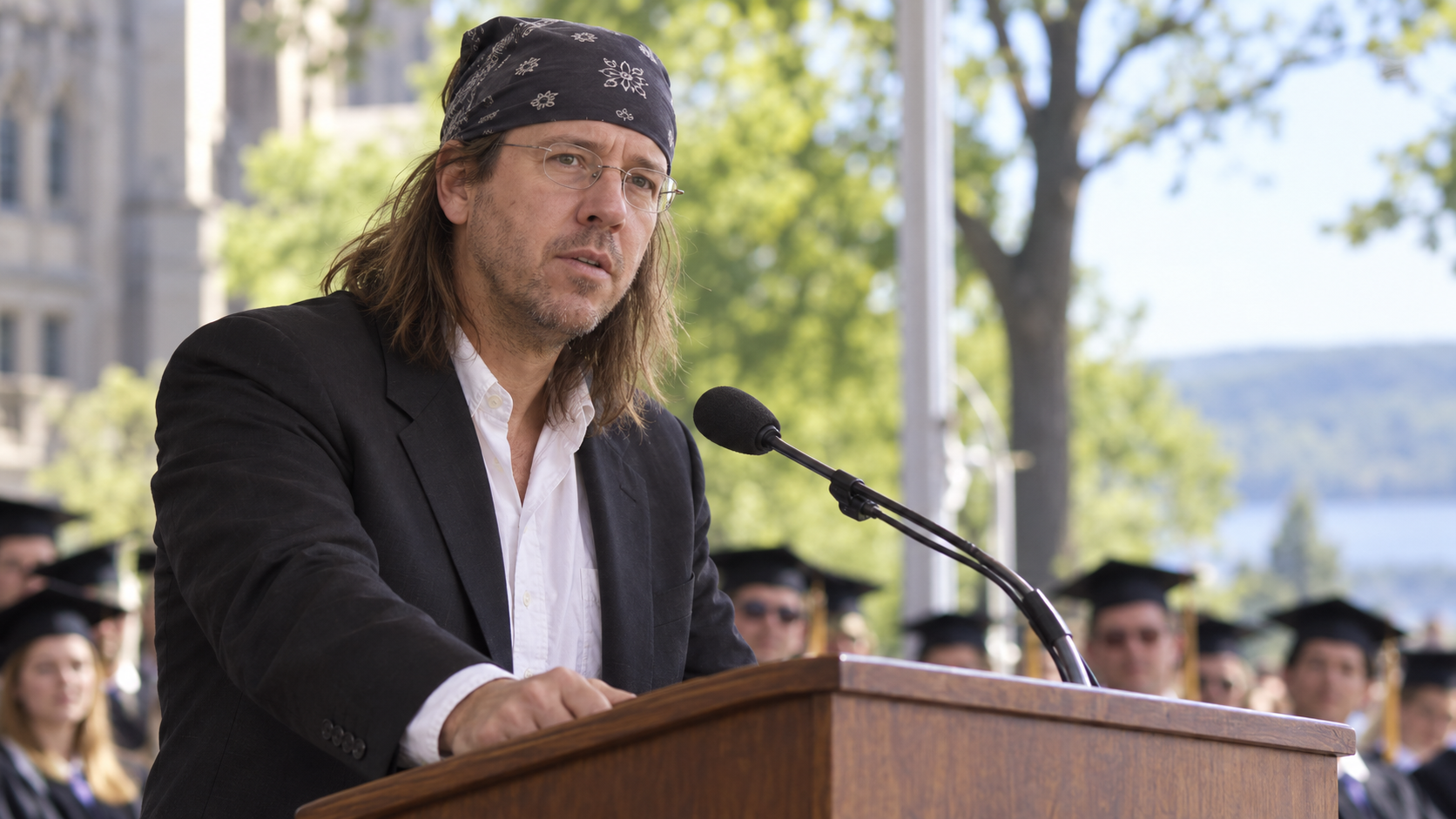
David Foster Wallace’s Kenyon address argues that the realities closest to us can be the ones conscious attention most easily misses.
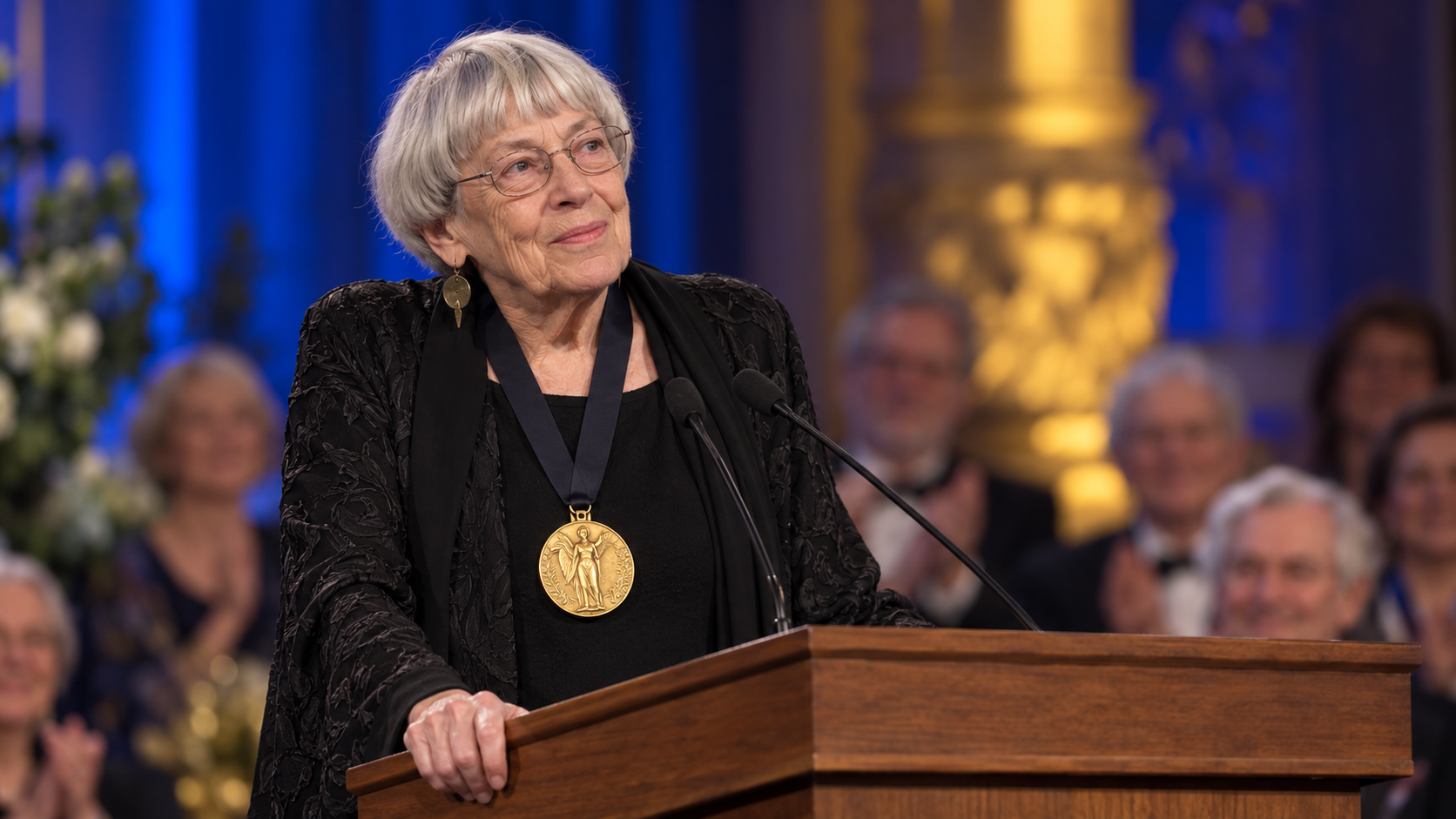
Ursula K. Le Guin’s National Book Awards speech defends imaginative art as a way to see beyond systems that present themselves as permanent.
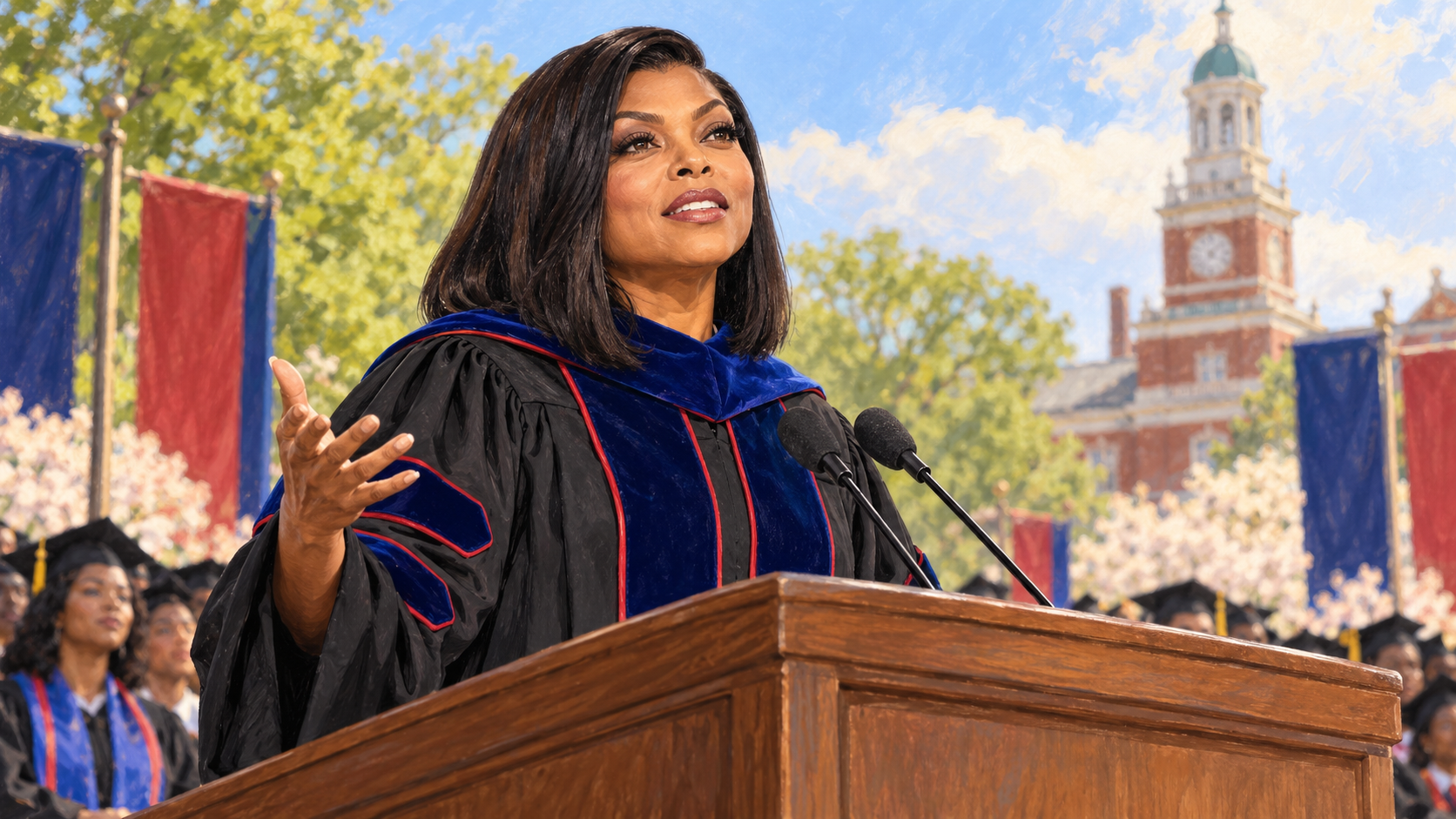
Taraji P. Henson’s 2022 Howard address describes a deliberate choice to let hope shape her work after grief and unequal treatment.
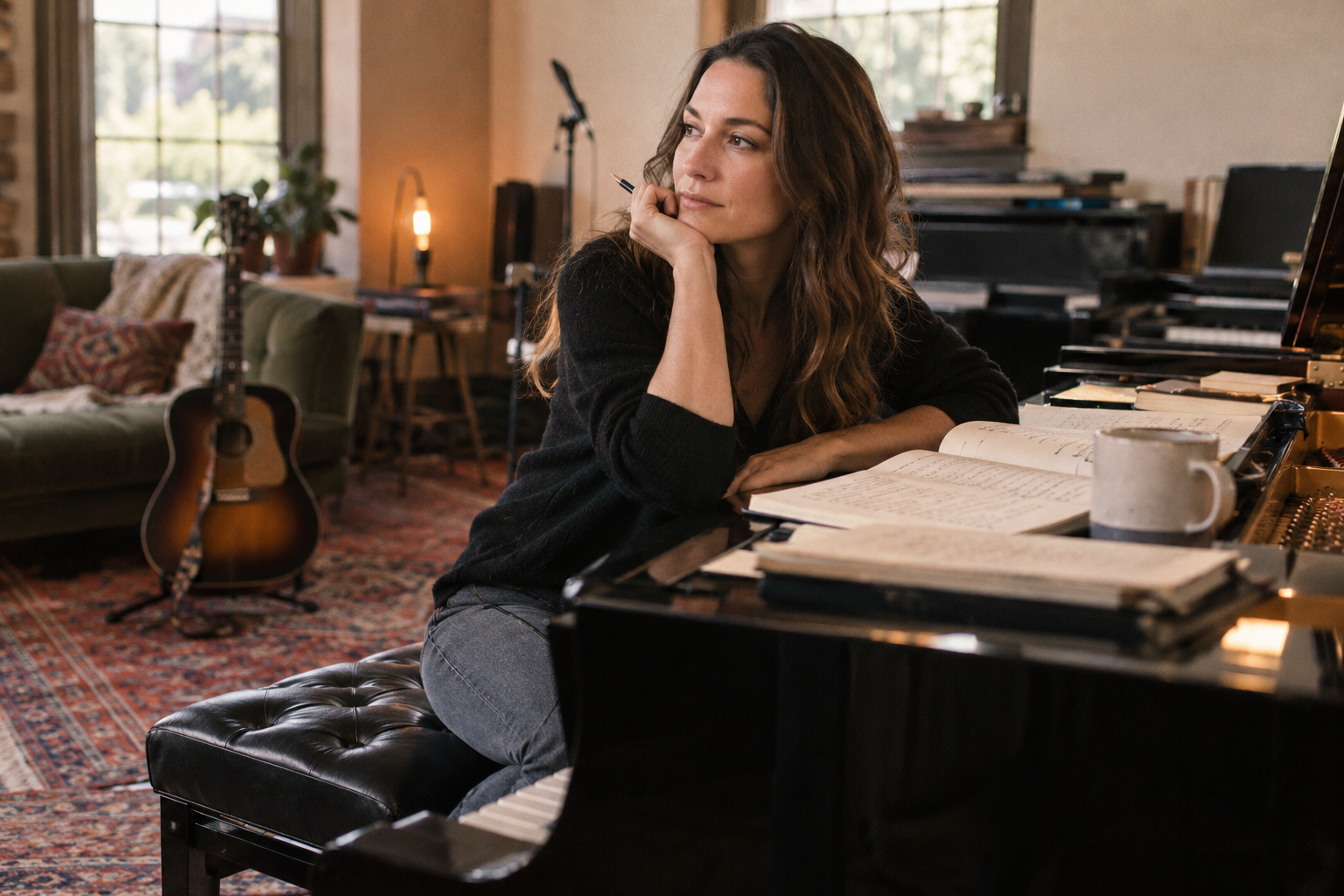
Sara Bareilles on An artist develops a voice by returning to what can be expressed with integrity rather than manufacturing a fashionable identity.
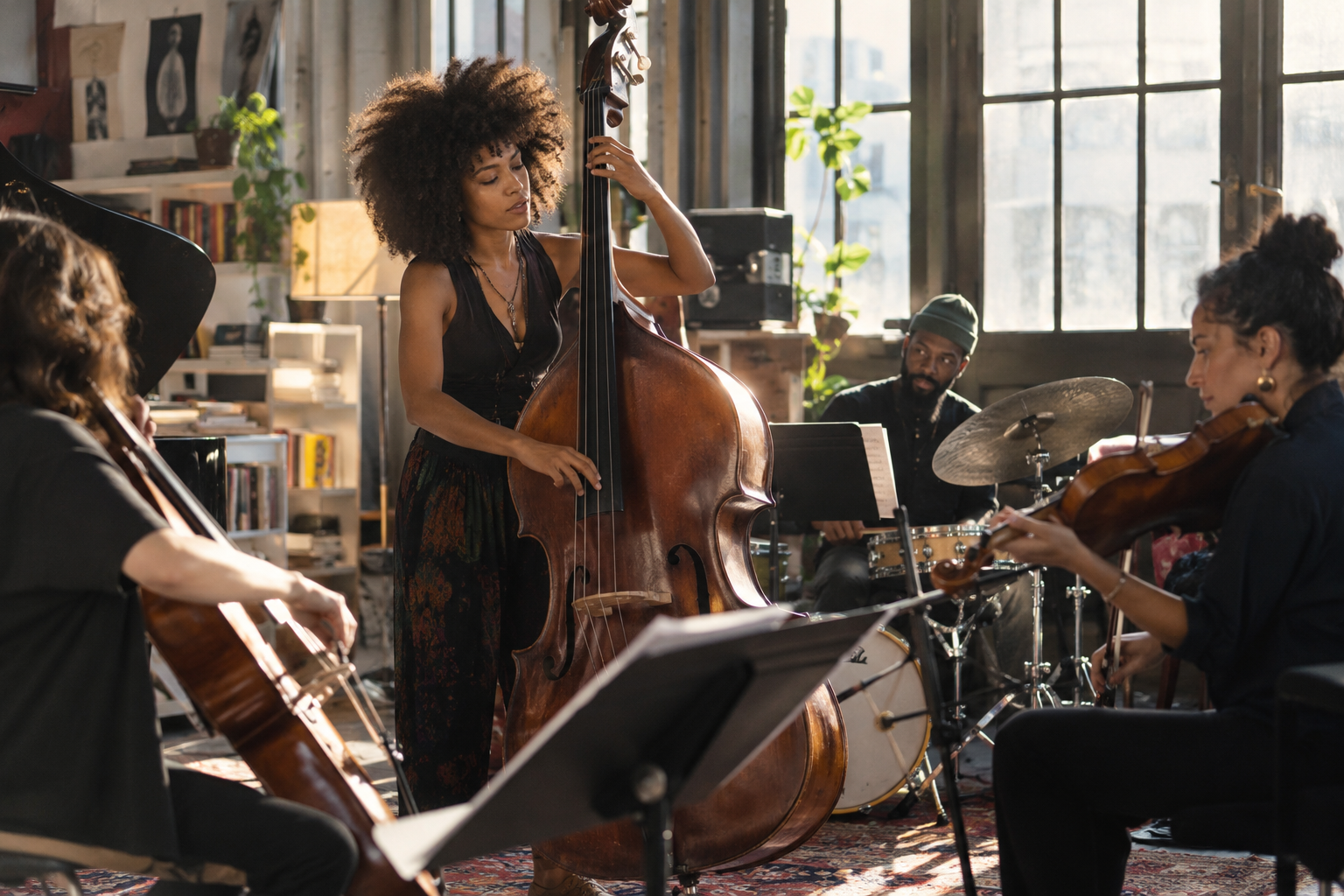
Esperanza Spalding on Artistic truth is not raw confession alone; it is shaped by lived attention, disciplined practice, and study.
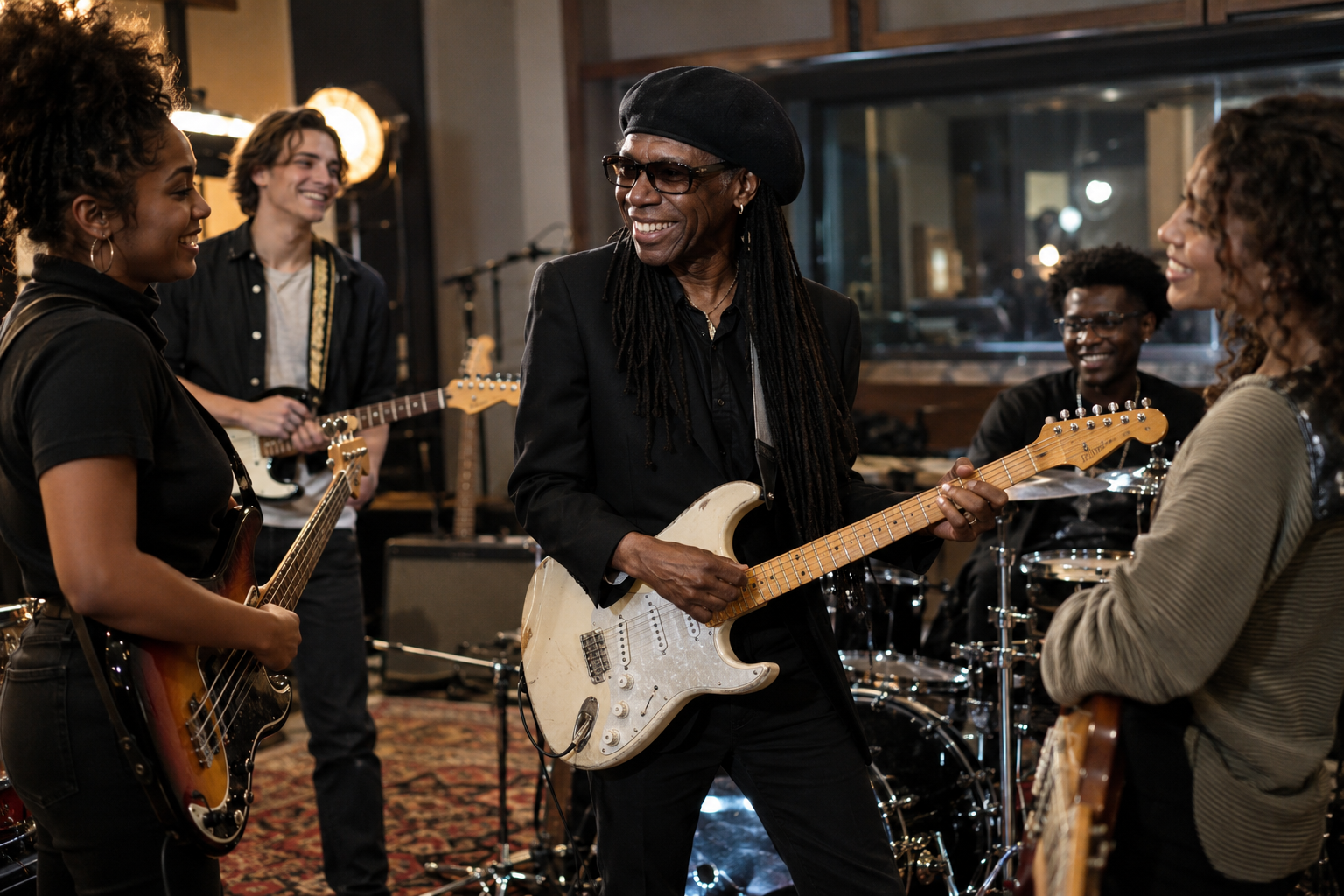
Nile Rodgers on Gratitude can restore a sense of occasion even in a career filled with achievements, keeping recognition connected to people and work.
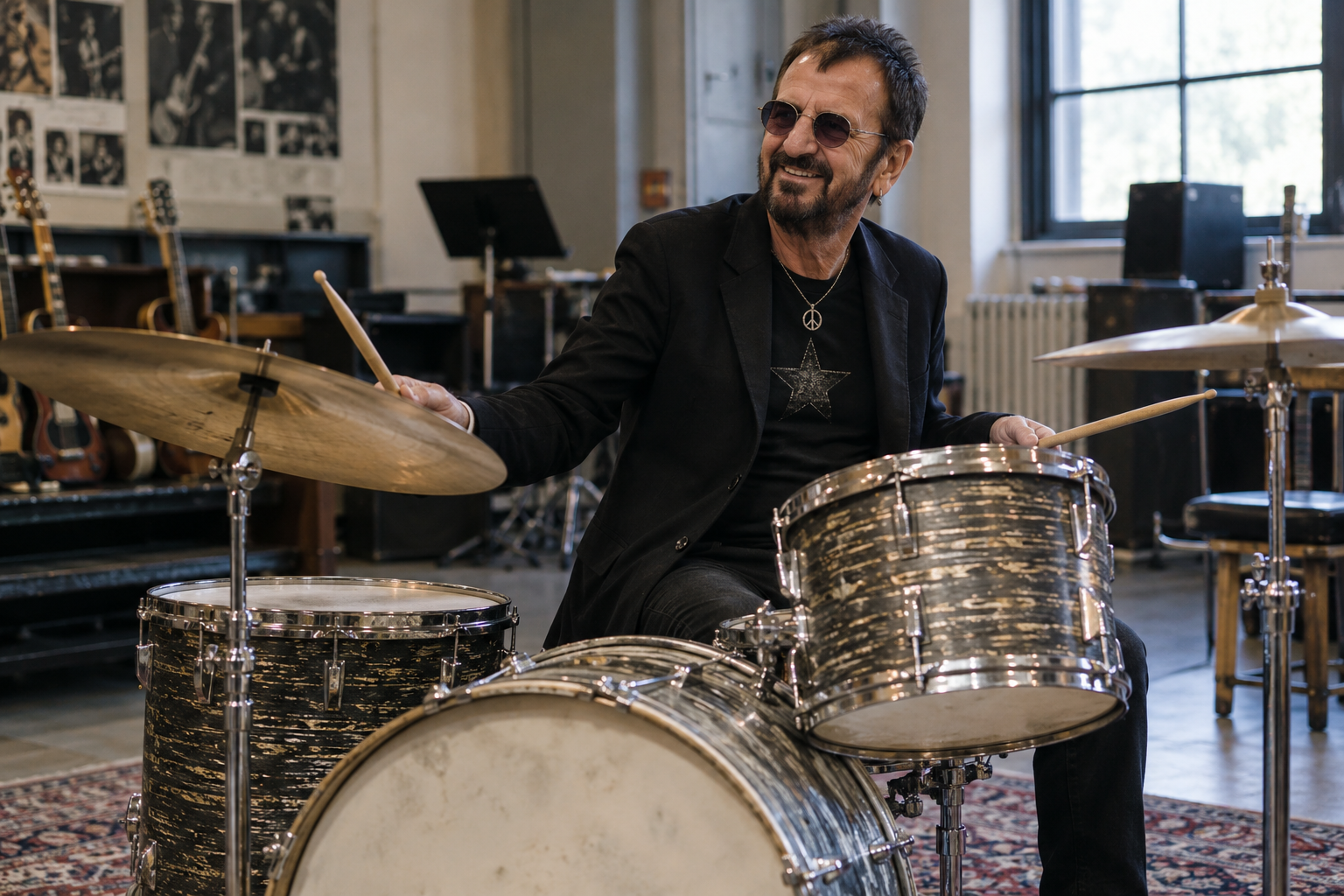
Ringo Starr on A durable dream can keep developing after major success because practice continues to reveal new relationships and forms.
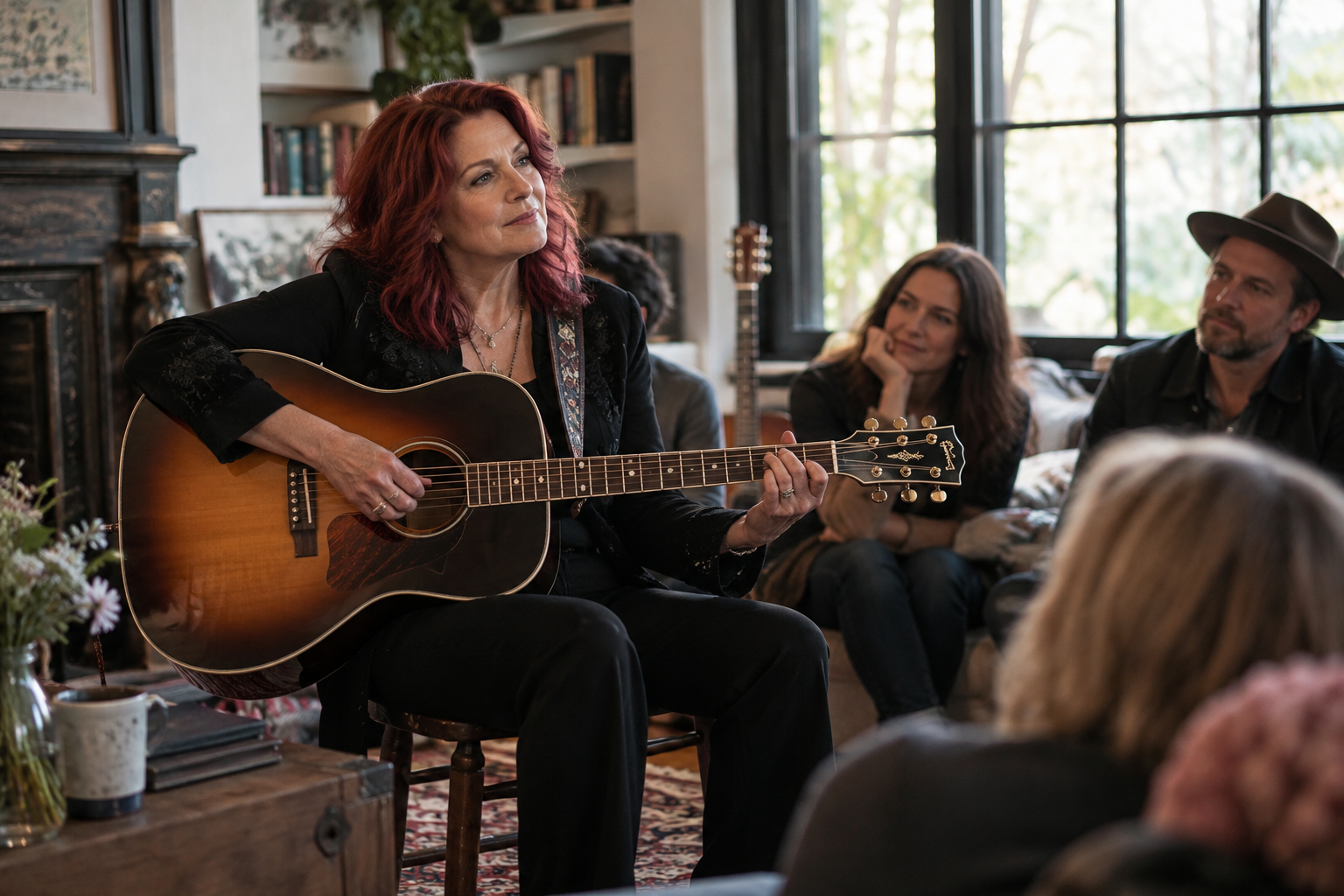
Rosanne Cash on Art earns public importance by giving attention to emotional, historical, and communal needs that are difficult to measure.