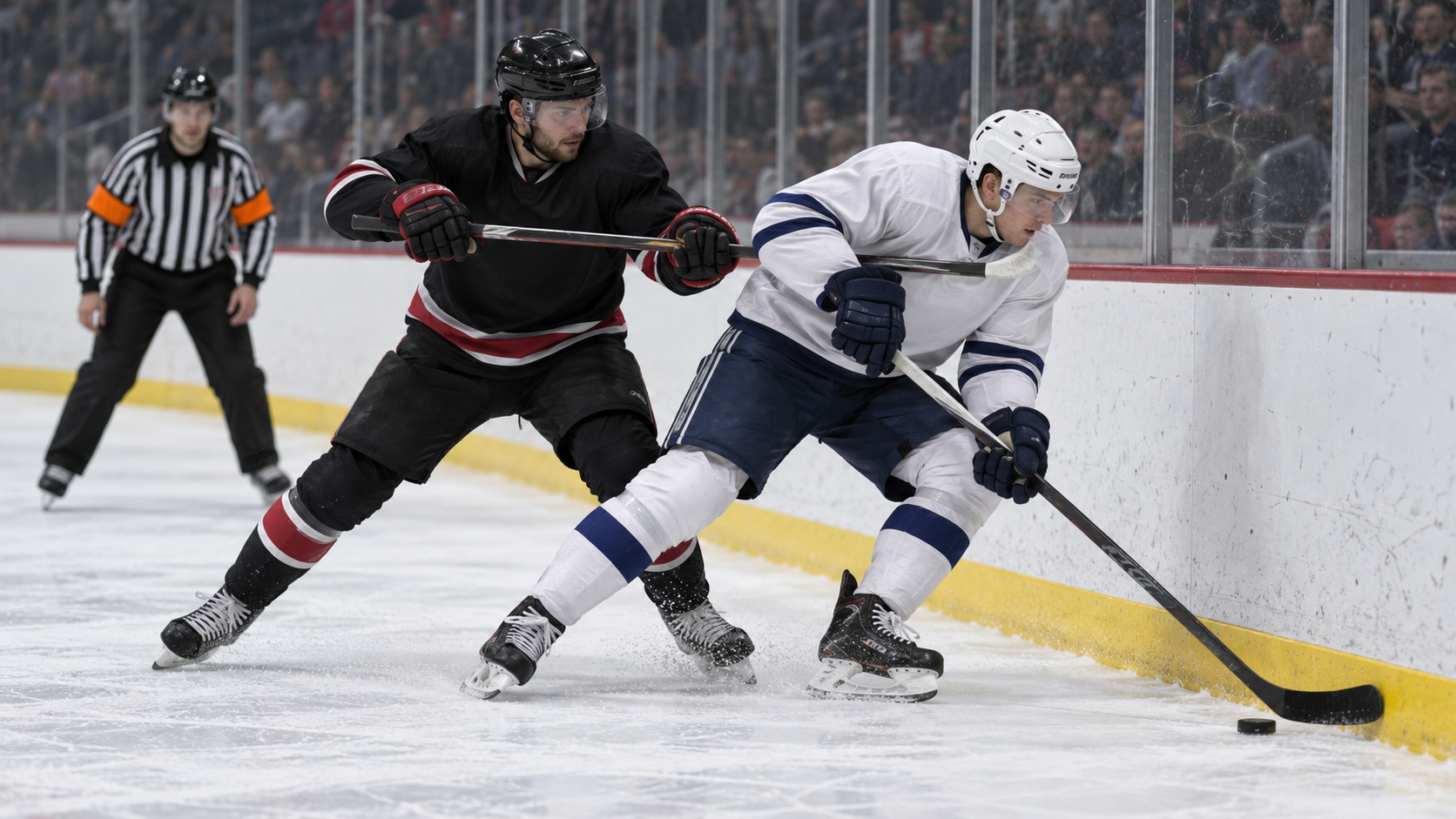
How Hockey Cross-Checking Penalties Work
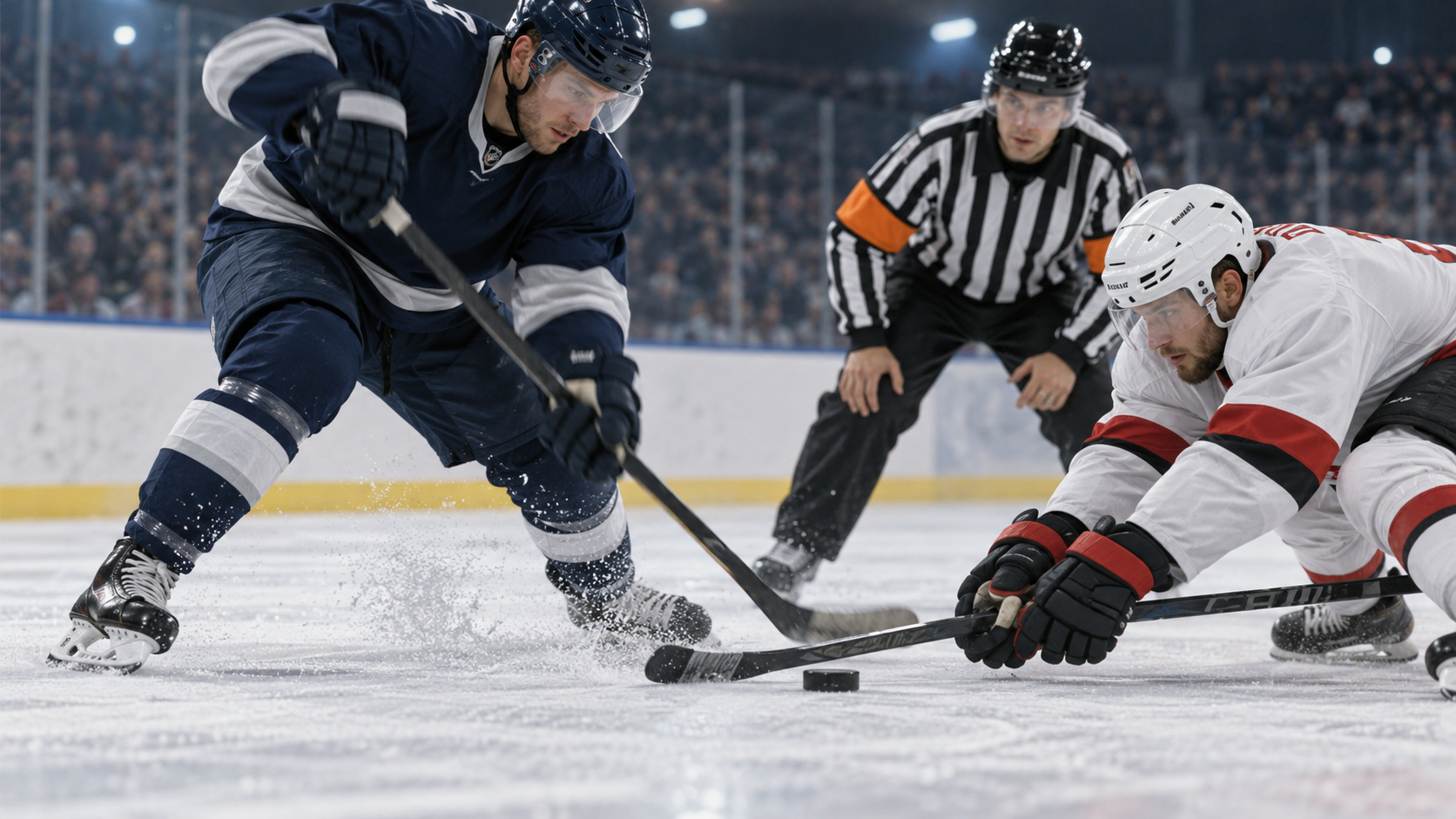
See how the NHL defines cross-checking, why force and location matter, and when the penalty rises from a minor to a major.

Don't Just Read it – Explore It
See how the NHL defines cross-checking, why force and location matter, and when the penalty rises from a minor to a major.
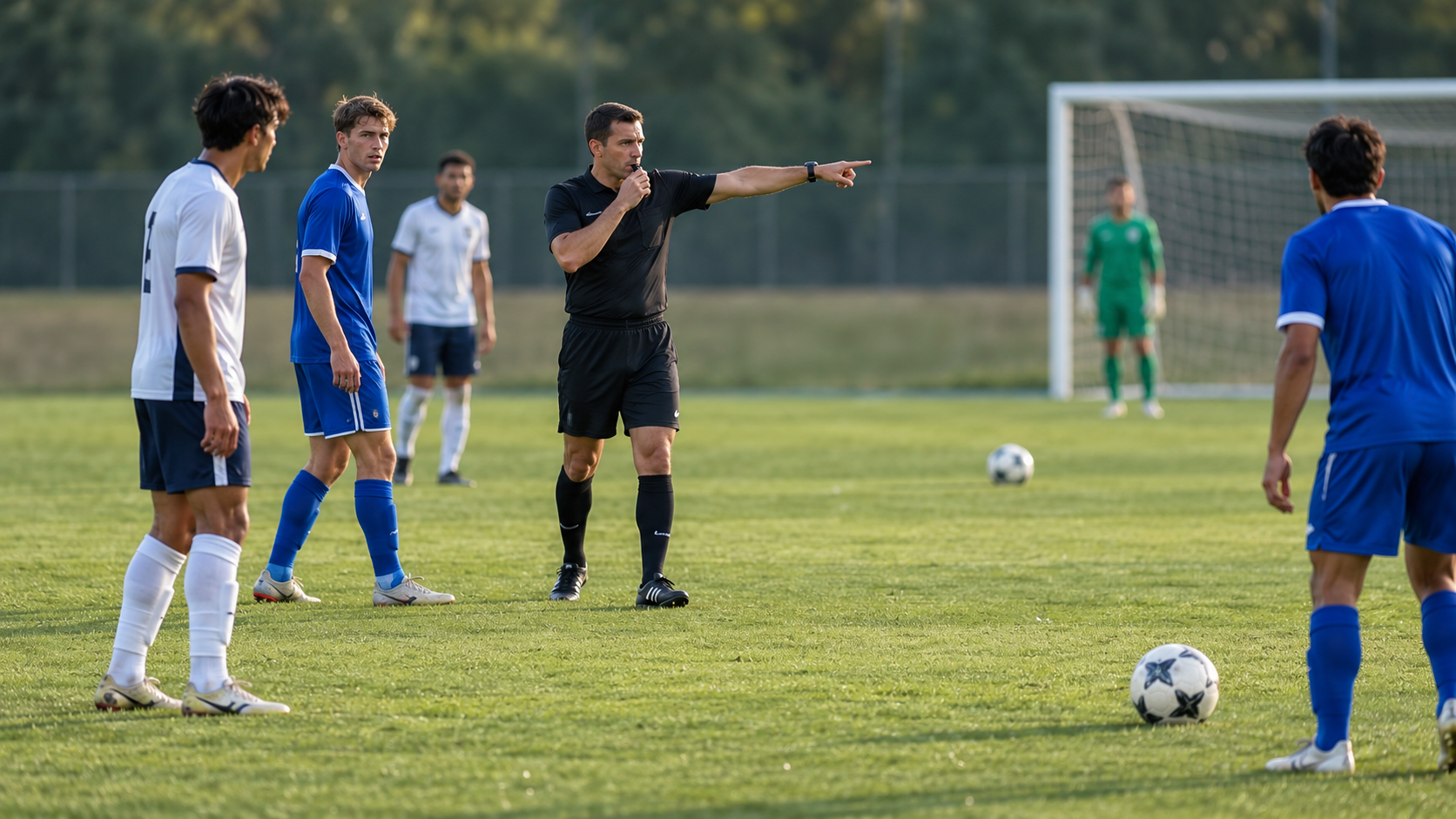
Learn when soccer stops for an outside agent, how the dropped-ball restart is awarded, and when contact does not require a stoppage.
Understand when touching the net costs a tennis point, how long the ball remains in play, and why a ball touching the net can still be legal.
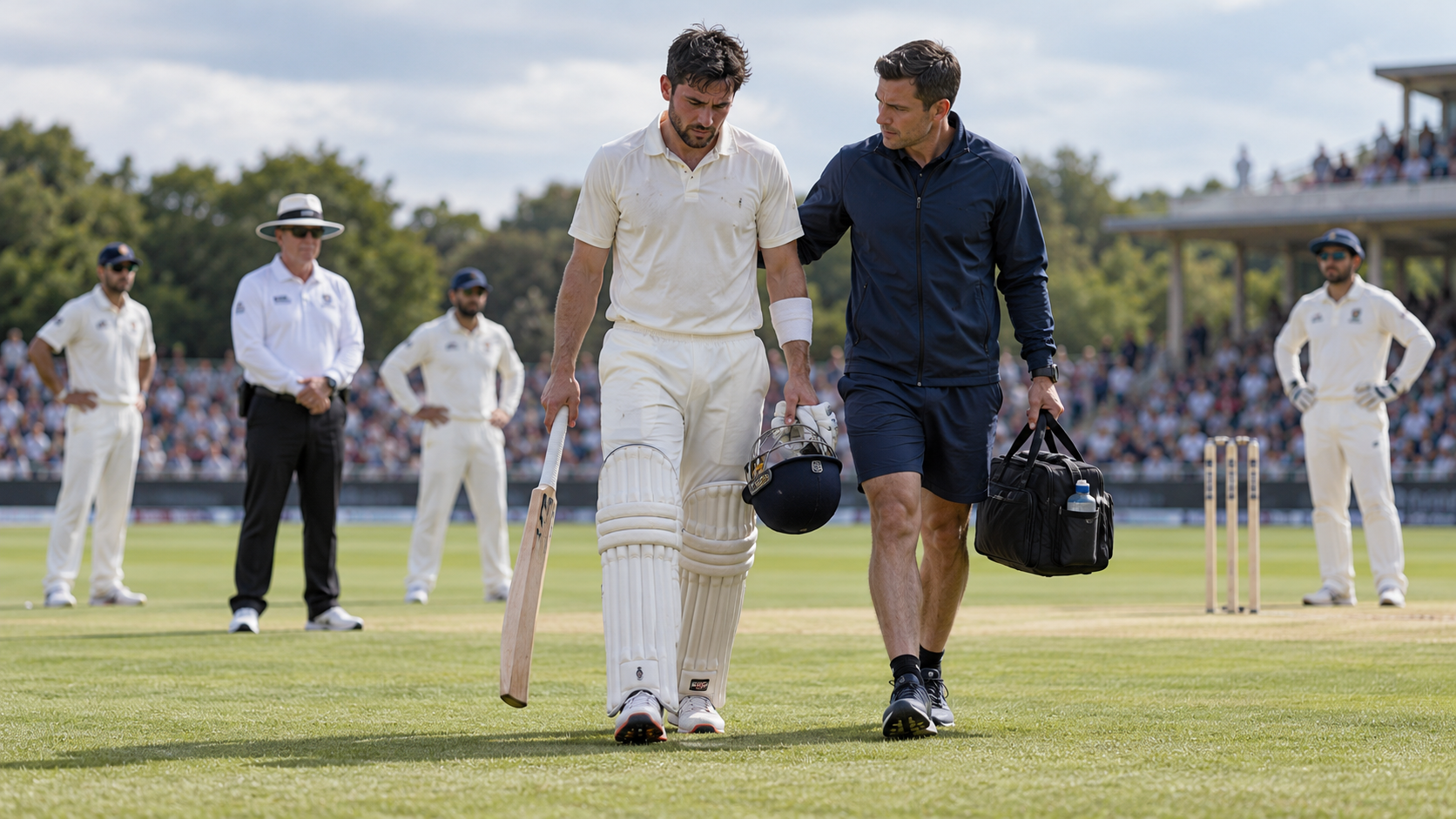
Learn when a cricket batter may resume after retiring hurt, when consent is needed, and how retired out changes the scorecard.
See what happens when wind, water, or gravity moves a golf ball, including the putting-green and post-relief exceptions.
Learn the legal breaststroke pullout after starts and turns, when the butterfly kick may occur, and when the head must surface.
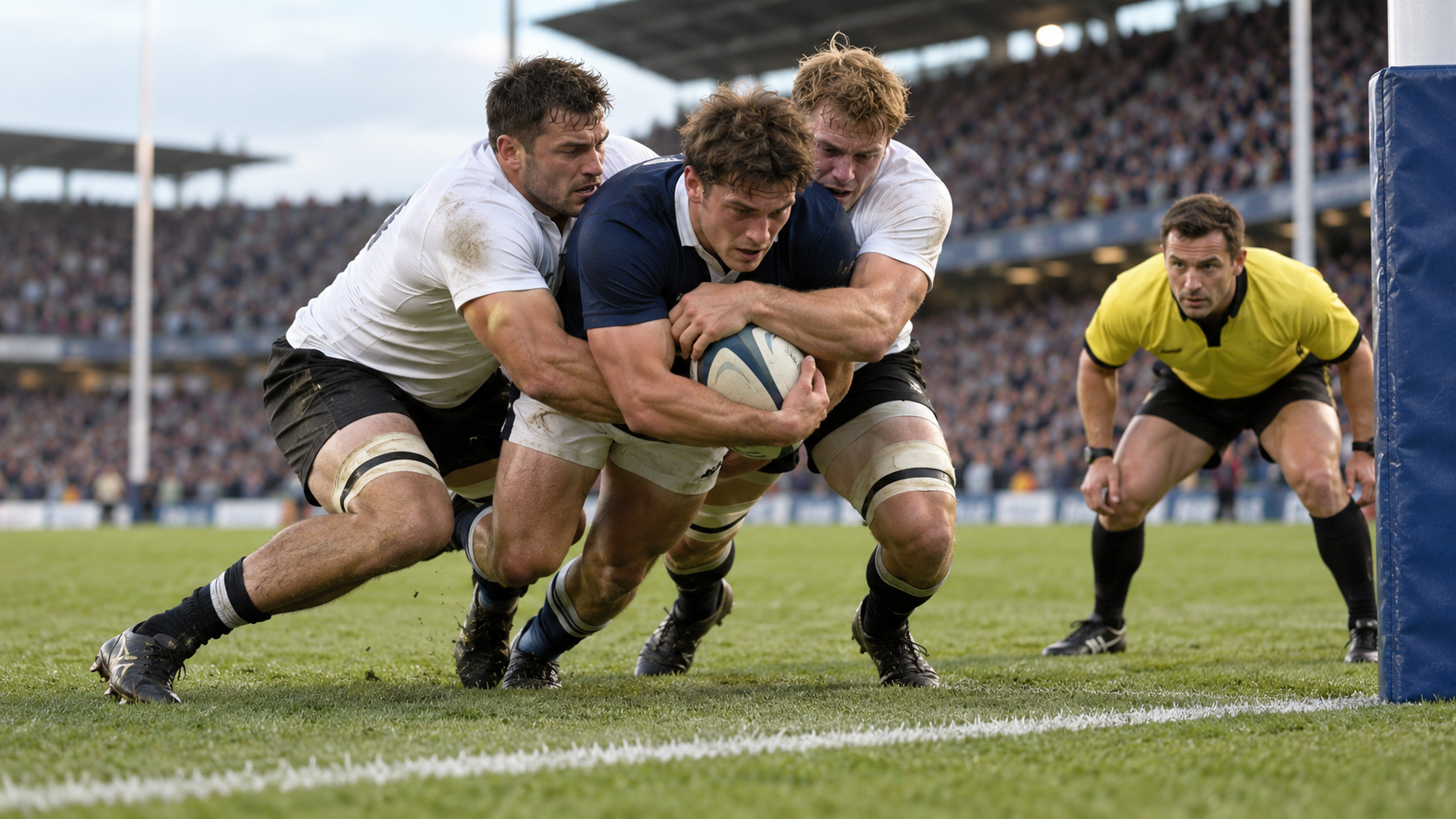
Understand when rugby declares a ball carrier held up in-goal and why the restart may be a try-line drop-out or a five-metre scrum.
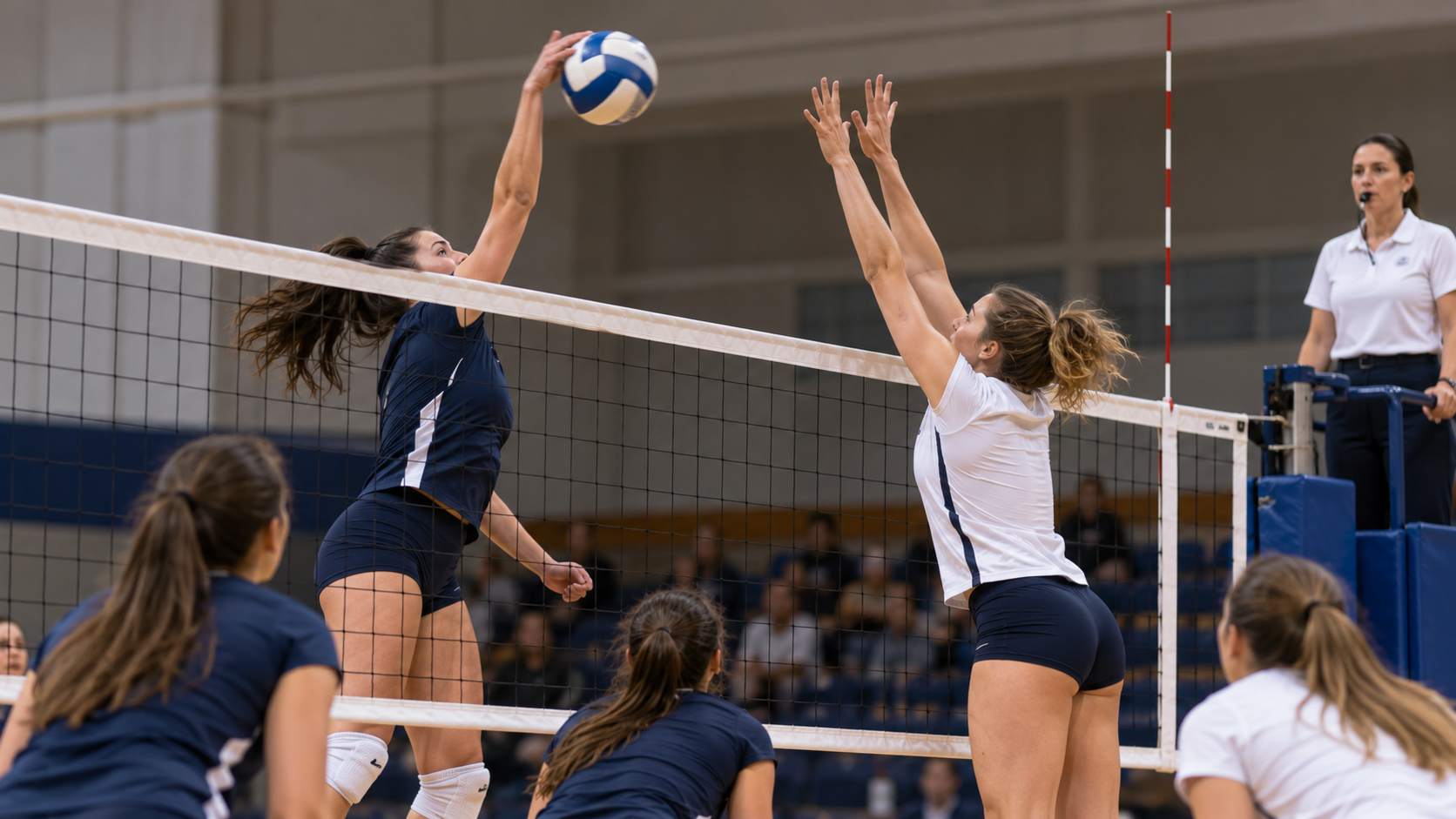
Learn when volleyball players may reach beyond the net to block or follow through and when interference makes the action a fault.
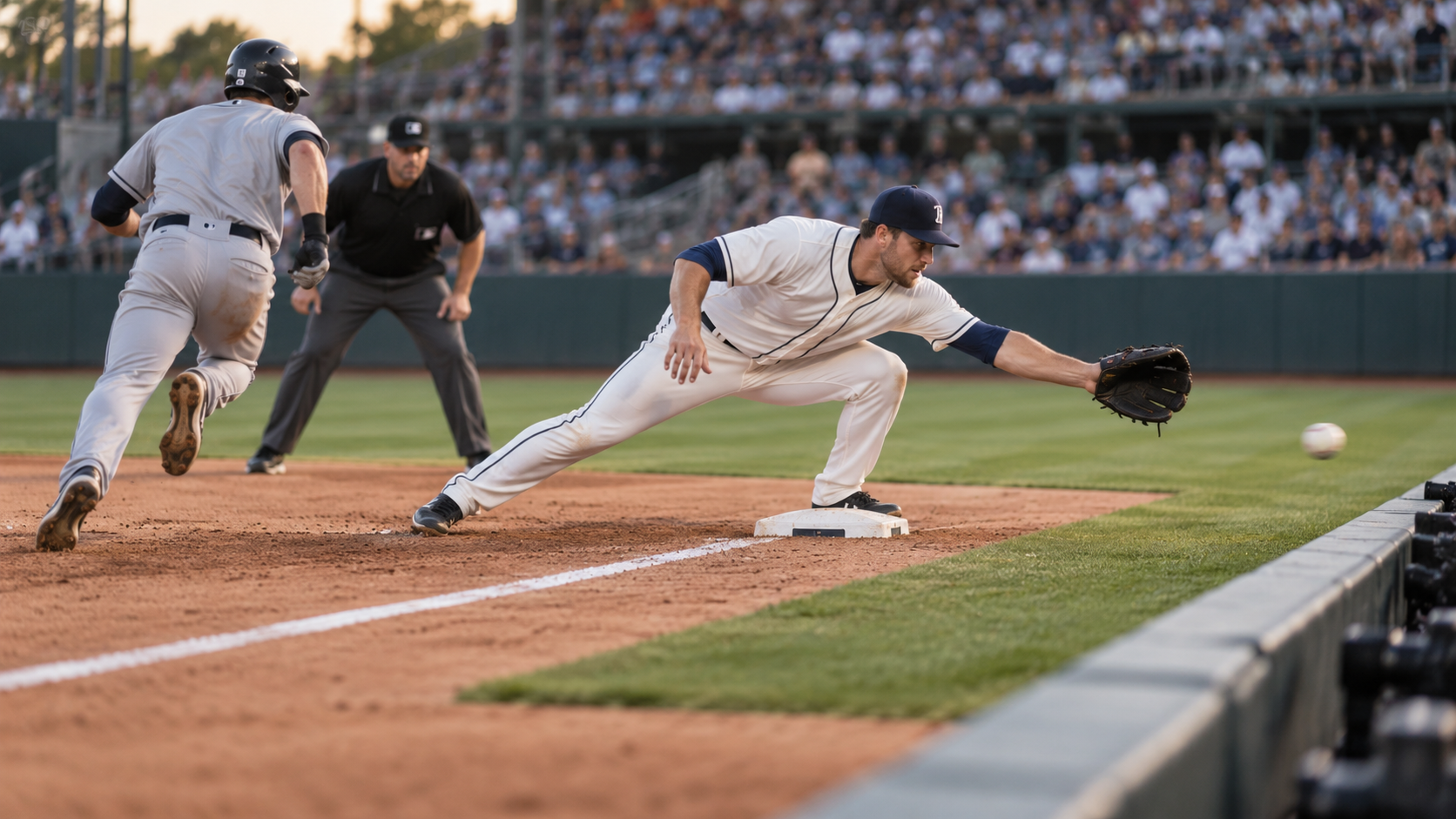
See why many baseball overthrows award two bases, when the award is measured from the pitch or throw, and how runners are placed.
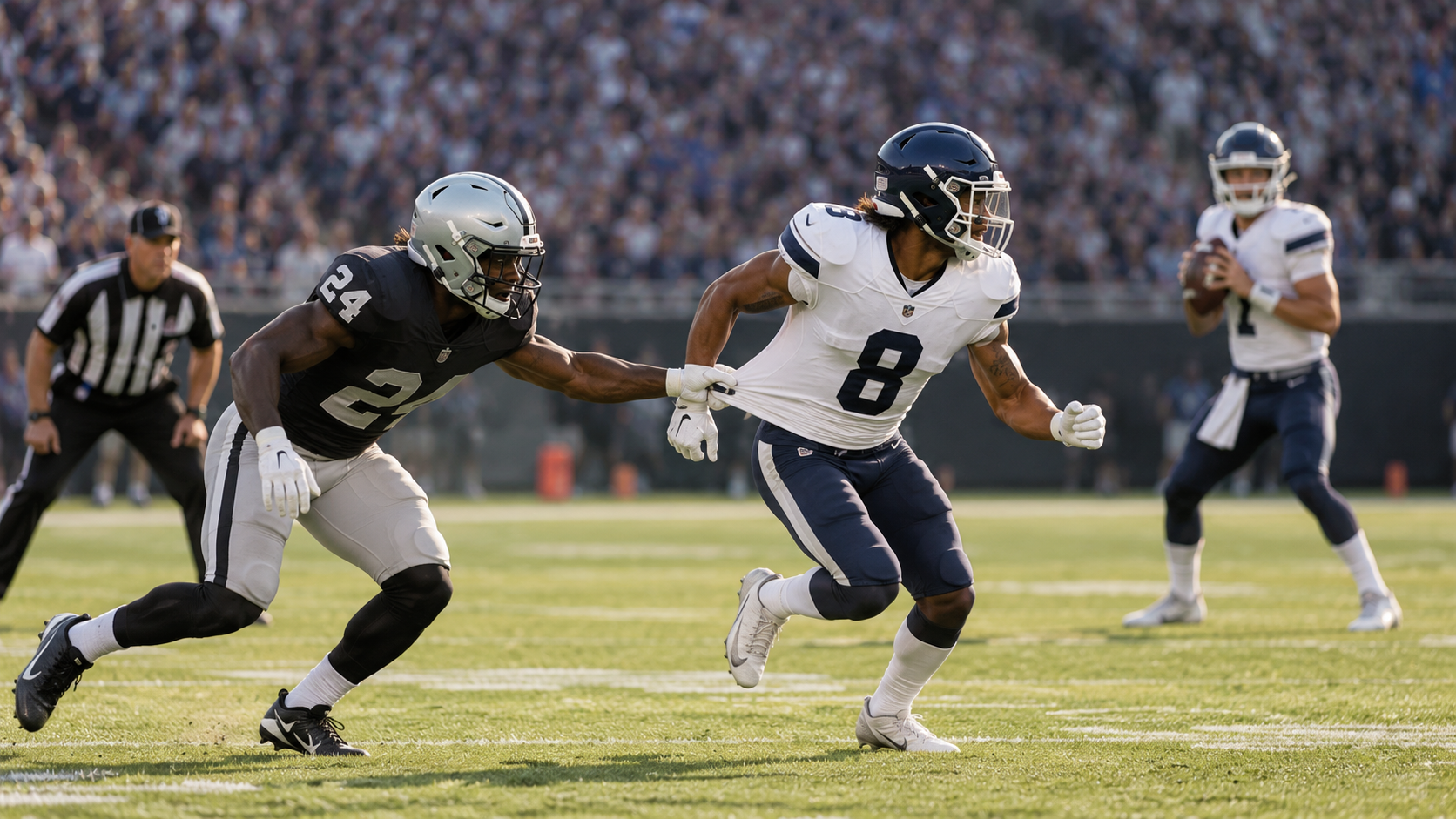
Learn what constitutes NFL defensive holding, how it differs from illegal contact and pass interference, and the five-yard penalty.
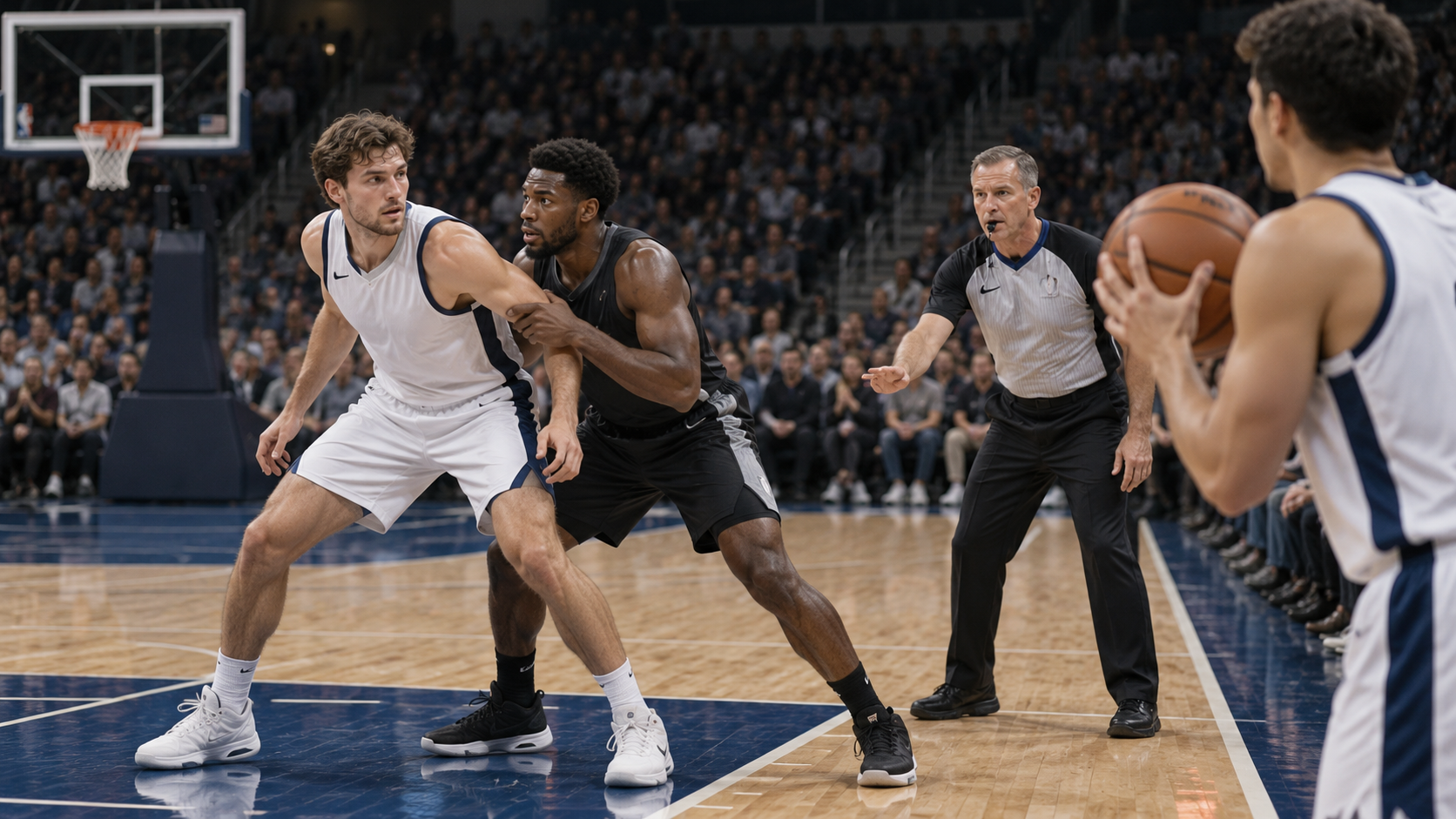
Understand the NBA’s away-from-the-play foul, when its special penalty applies, and how late-game or pre-inbound contact is treated.
Learn how the NHL identifies slashing, why force rather than injury controls the call, and when the infraction can become a major.