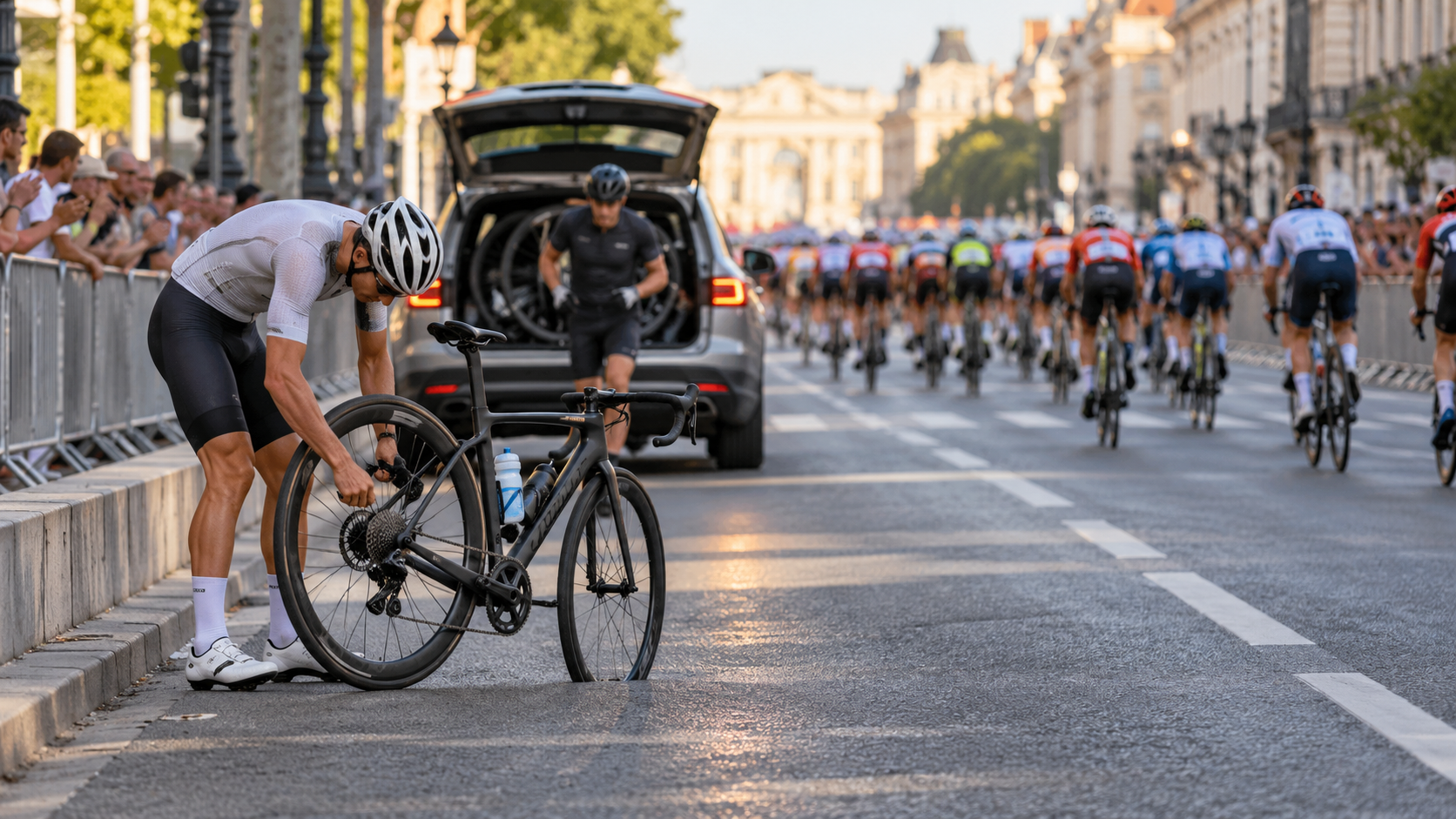
How Road Cycling’s Three-Kilometre Rule Works
See how cycling protects riders delayed by late crashes or mechanicals, why sprint zones may extend to five kilometres, and what stays unchanged.

Don't Just Read it – Explore It
See how cycling protects riders delayed by late crashes or mechanicals, why sprint zones may extend to five kilometres, and what stays unchanged.
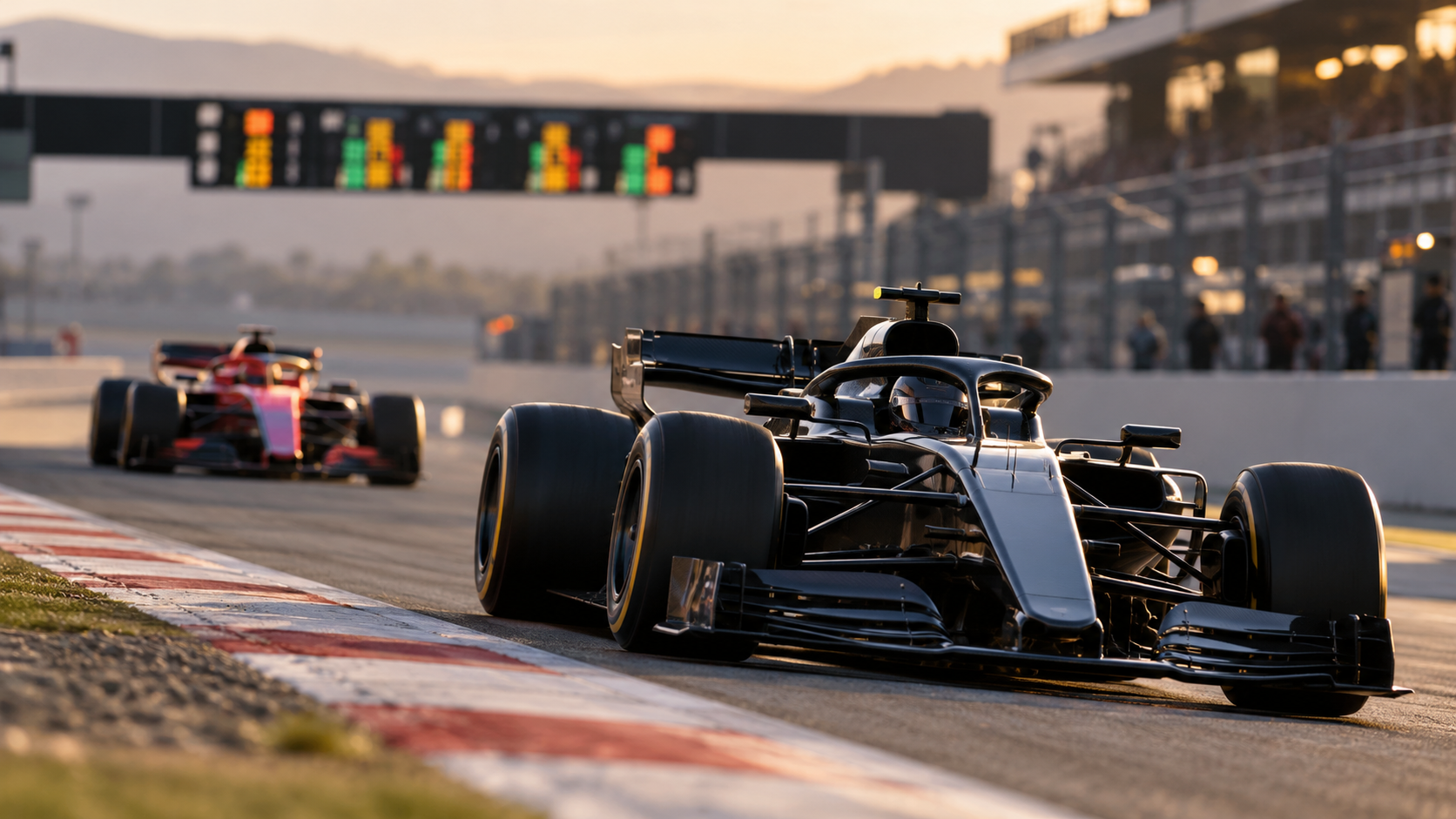
Learn how Formula 1 separates identical qualifying lap times and how drivers without a lap are ordered within a session.
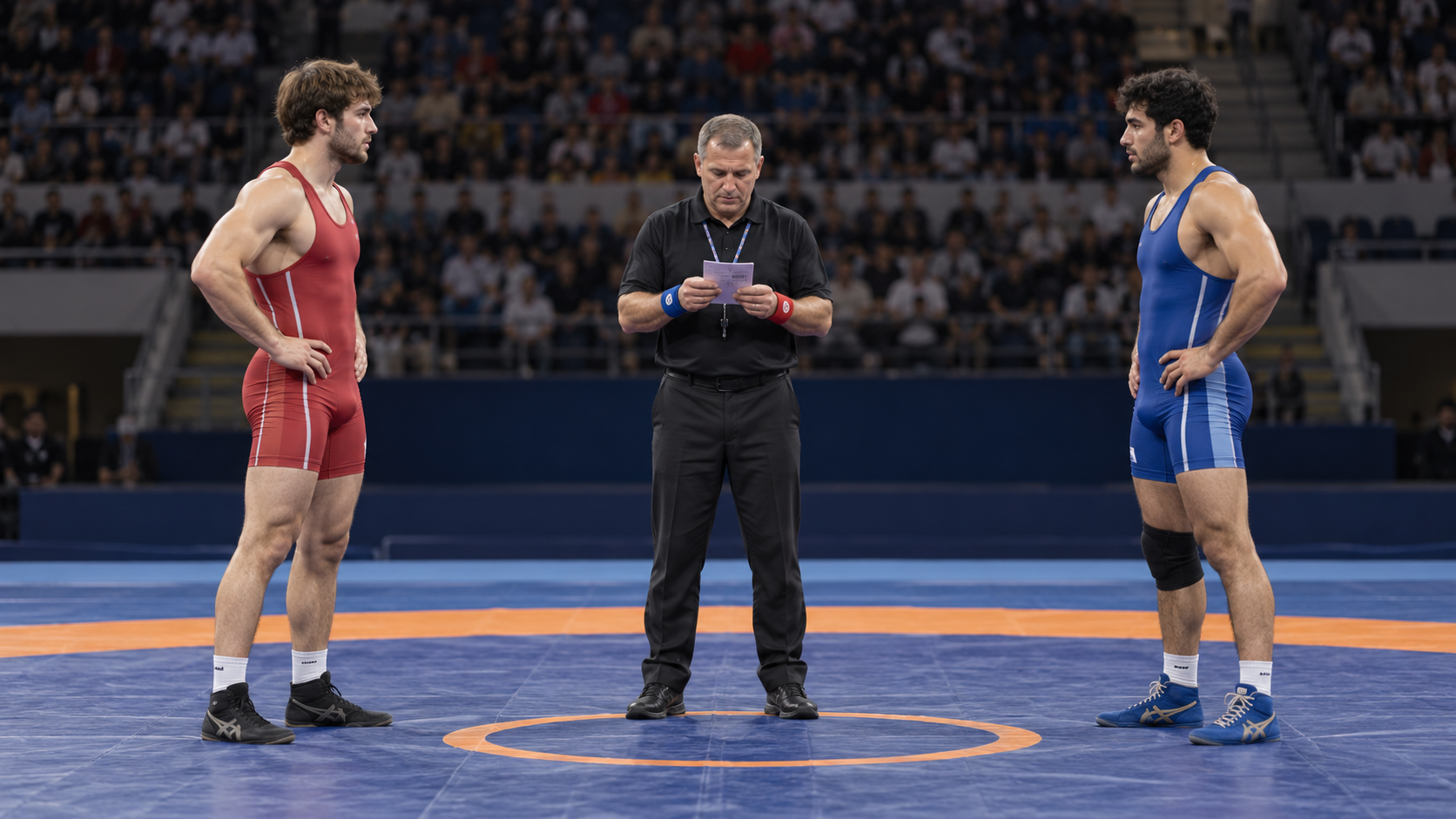
Understand how Olympic-style wrestling resolves equal scores using hold value, cautions, and the last technical point.
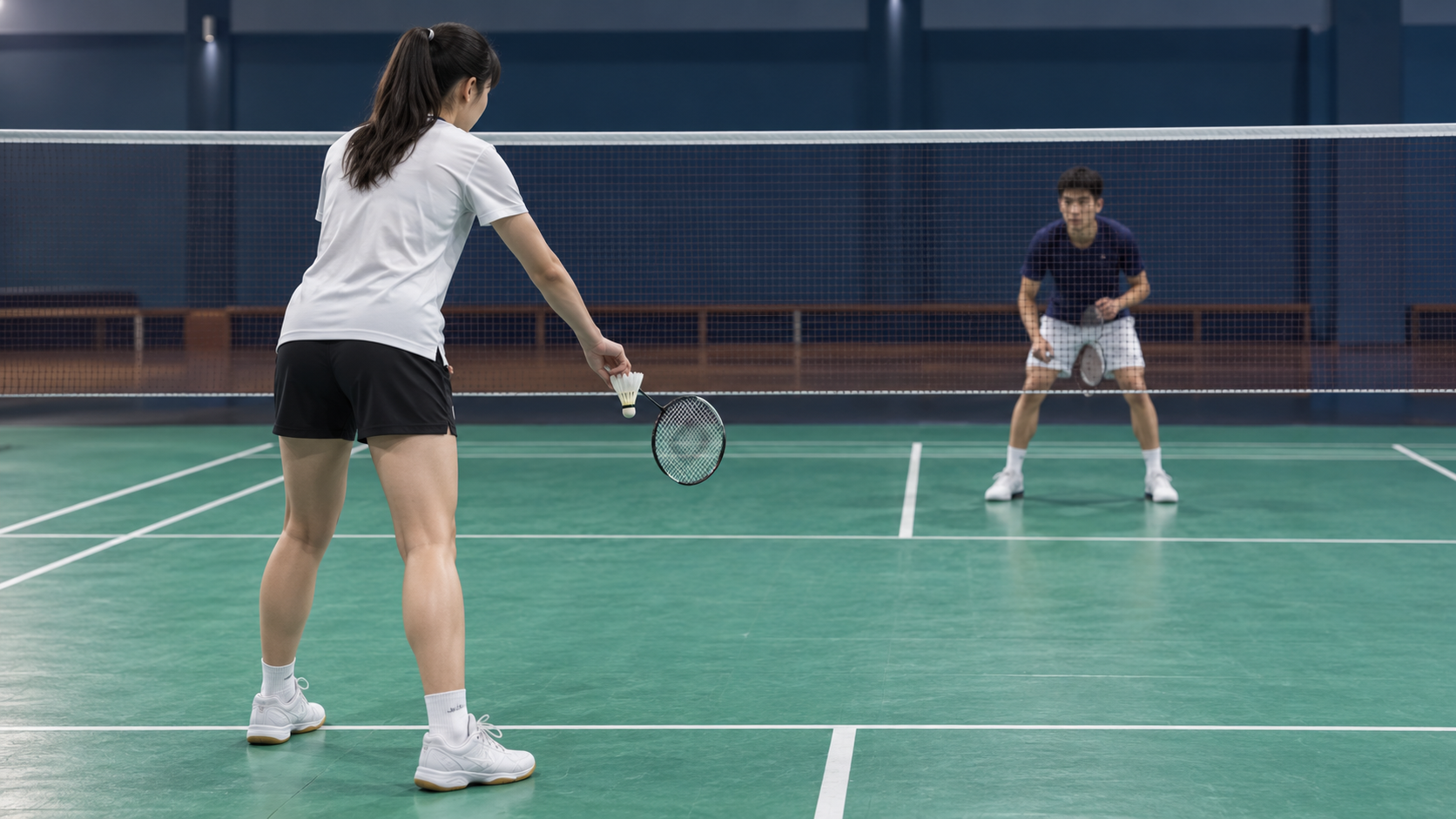
Learn the badminton service requirements for feet, racket motion, shuttle height, and delivery into the correct diagonal court.
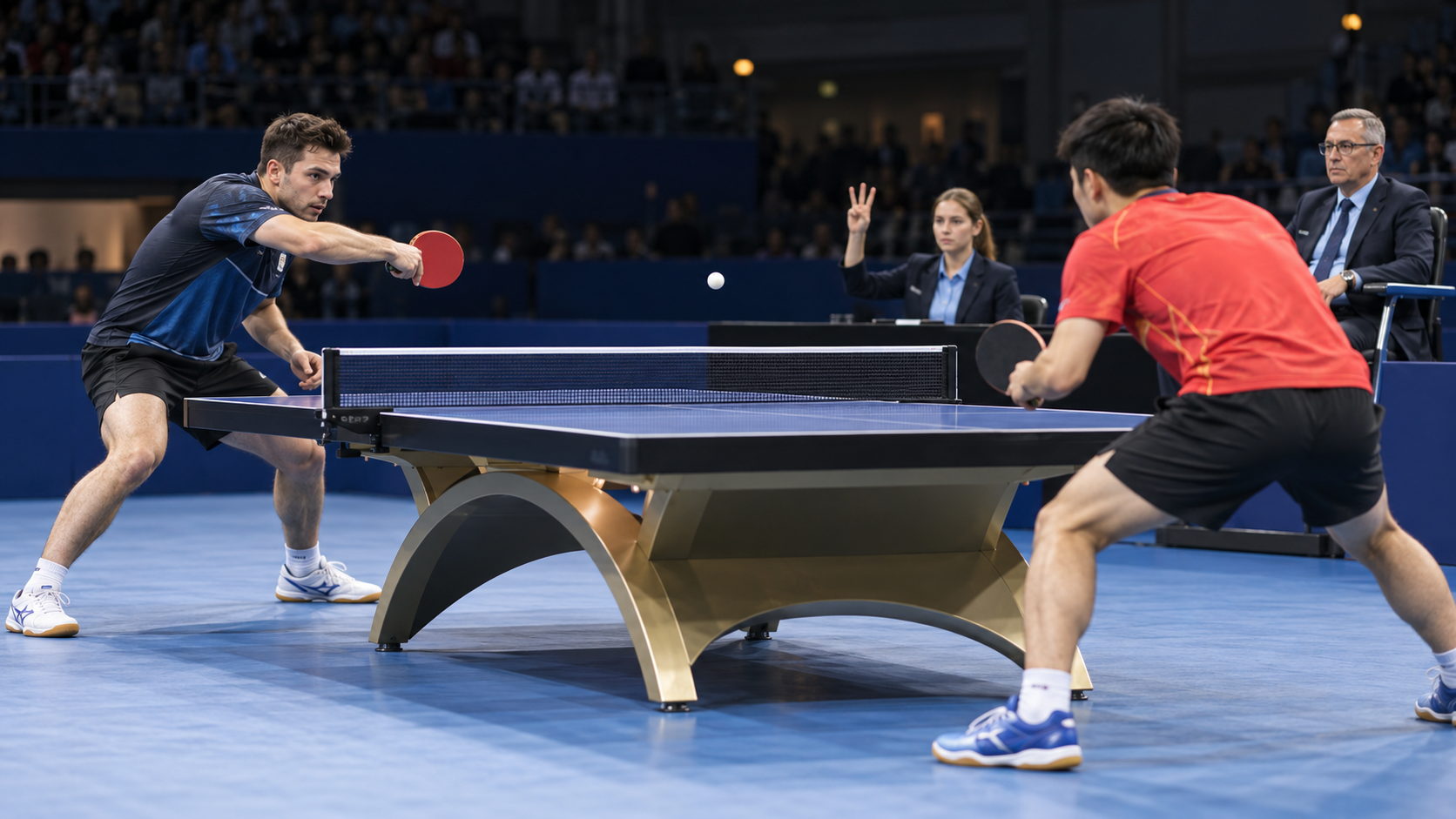
See when table tennis activates the expedite system, how service changes, and why thirteen successful returns win the point for the receiver.
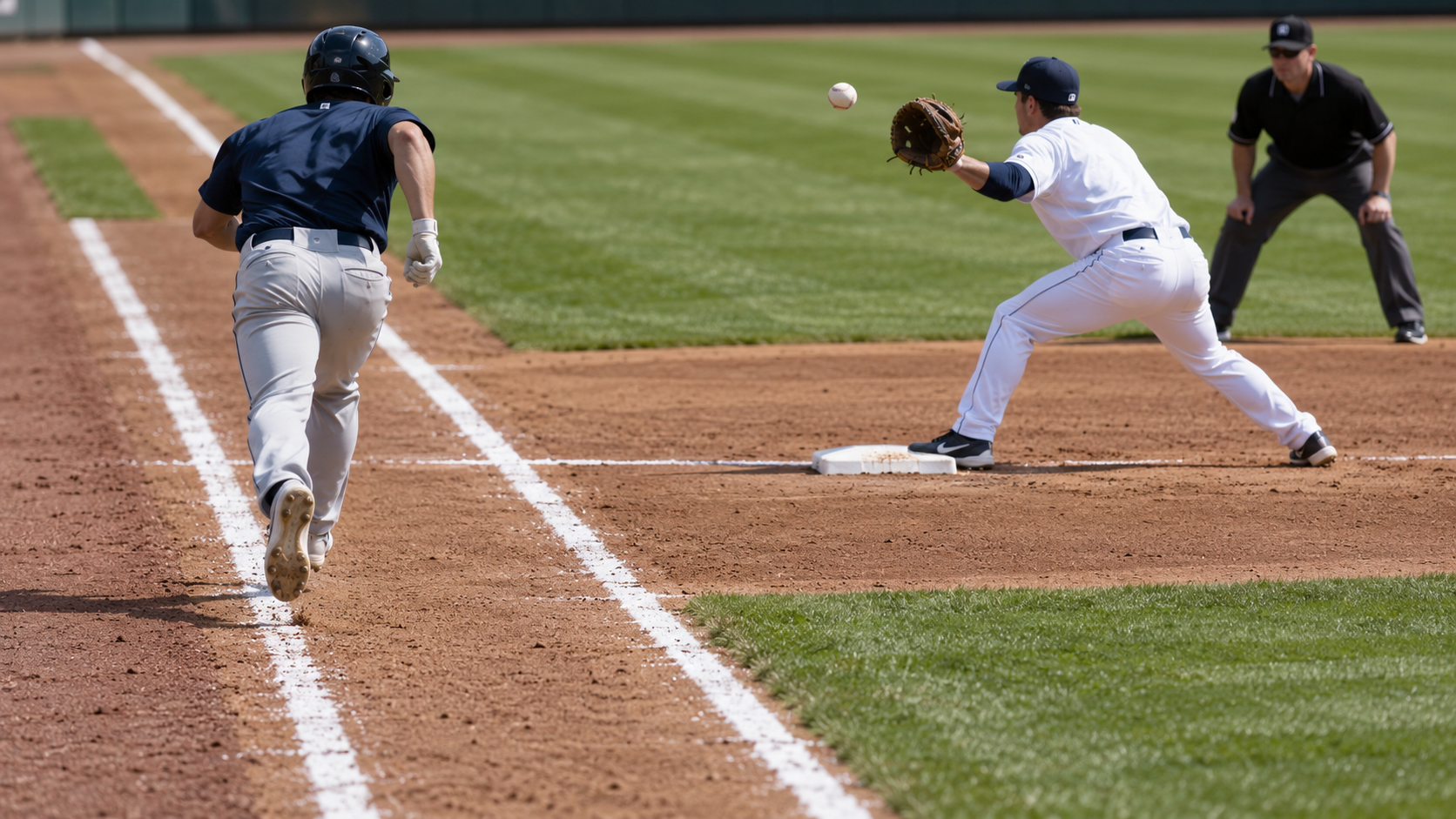
Learn where baseball’s running lane begins, when a batter-runner may leave it, and how interference near first base is judged.
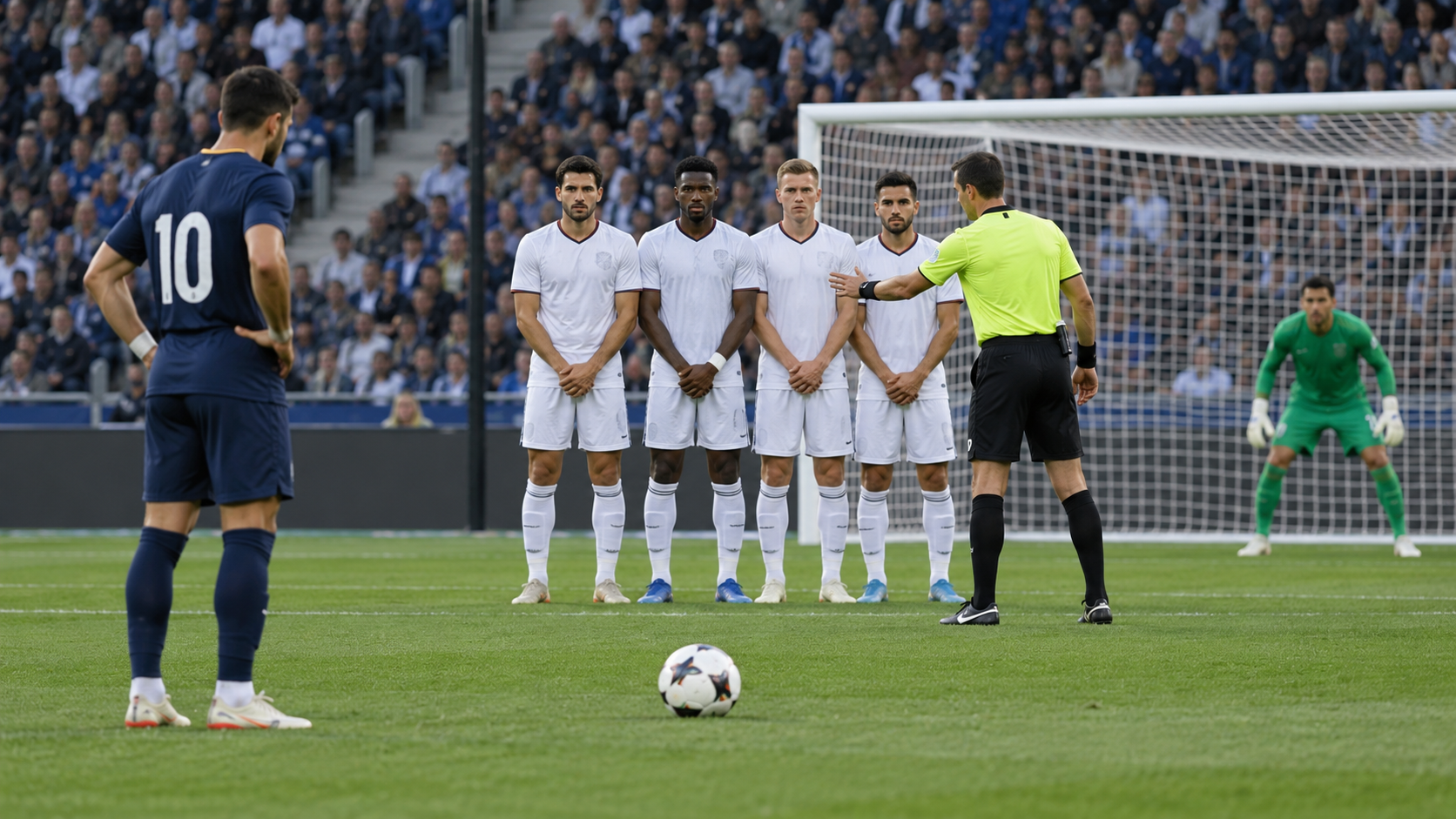
See how soccer sets free-kick distance, when attackers must stay one metre from a wall, and what changes on a quick restart.
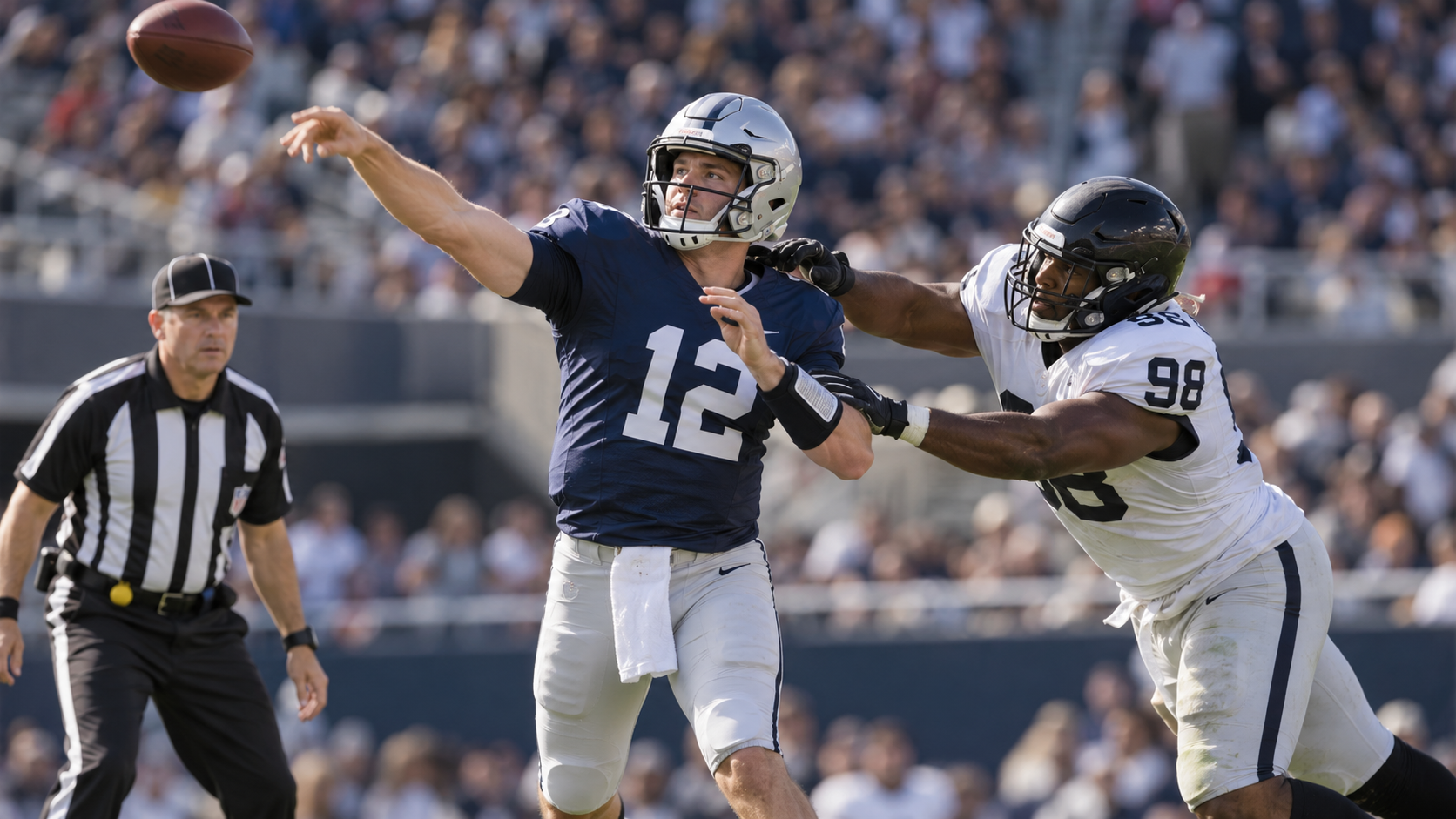
Understand the NFL’s roughing-the-passer protections, legal momentum, prohibited contact, and the 15-yard automatic-first-down penalty.
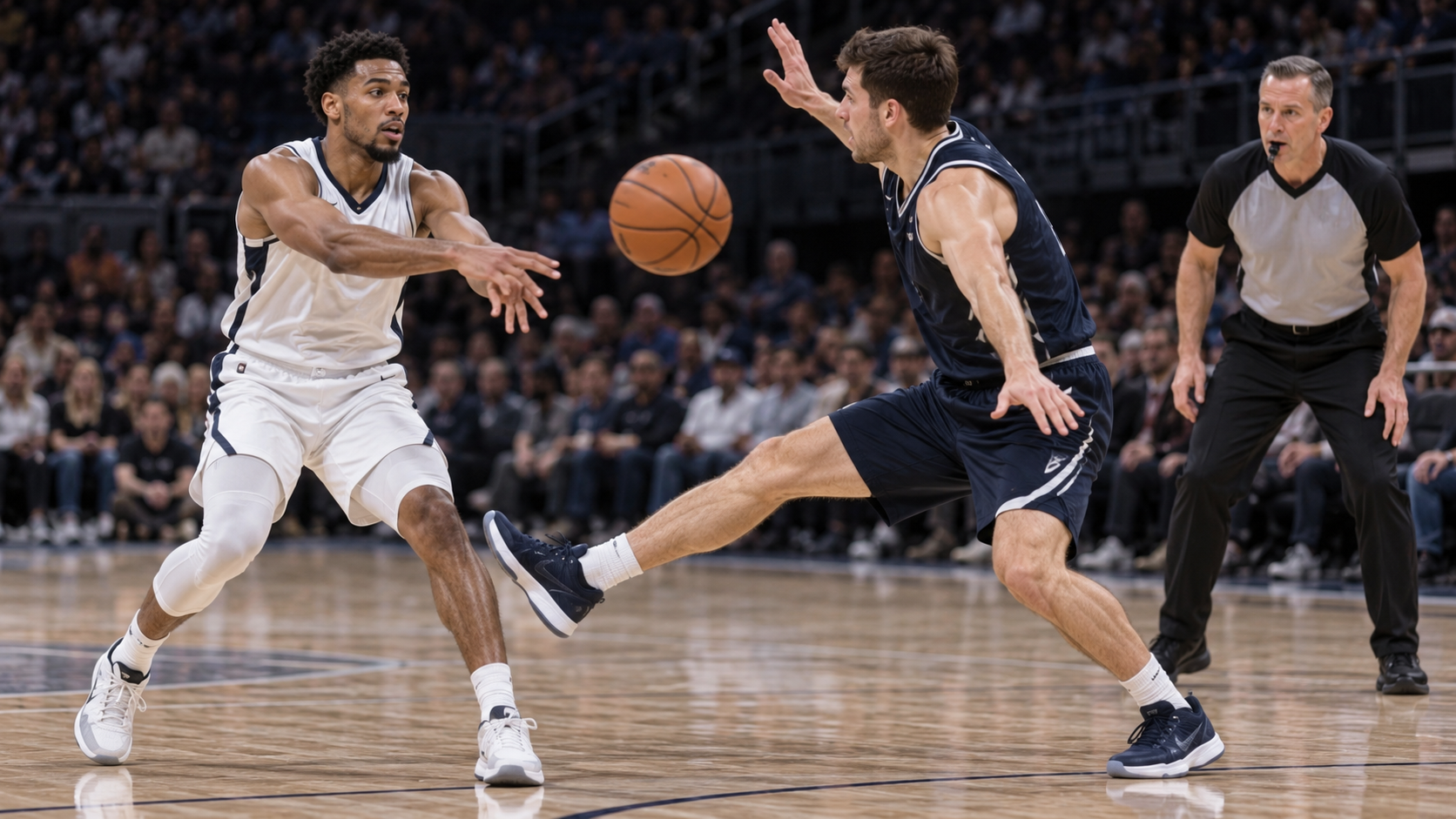
Learn why an intentional foot or leg contact is an NBA kicked-ball violation, how accidental contact differs, and where play resumes.
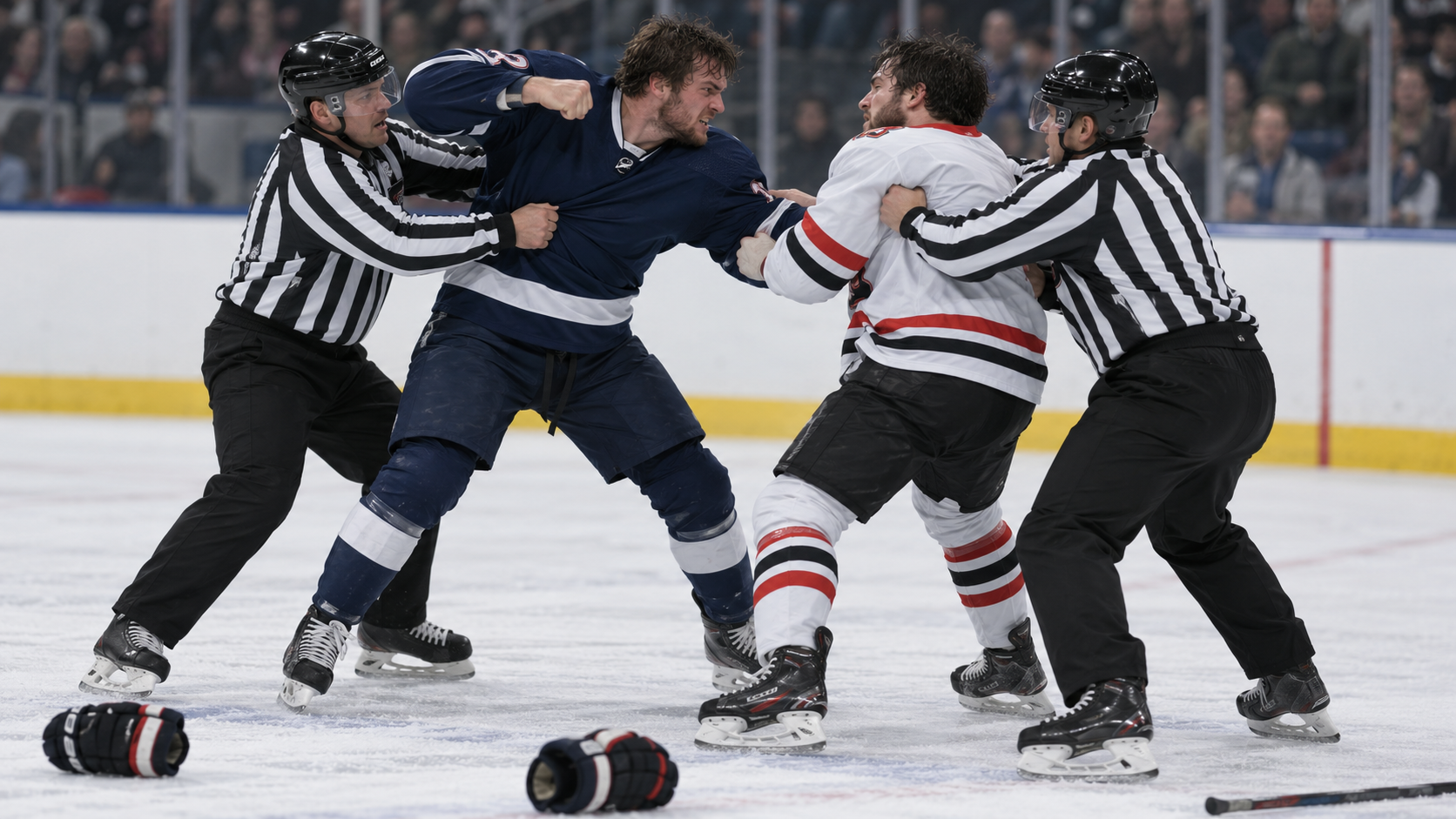
See what makes a player the instigator of an NHL fight, how the penalties stack, and why late-game incidents can bring suspension.
Learn whether a tennis player may continue with broken strings, when equipment can be changed, and why event rules can impose limits.
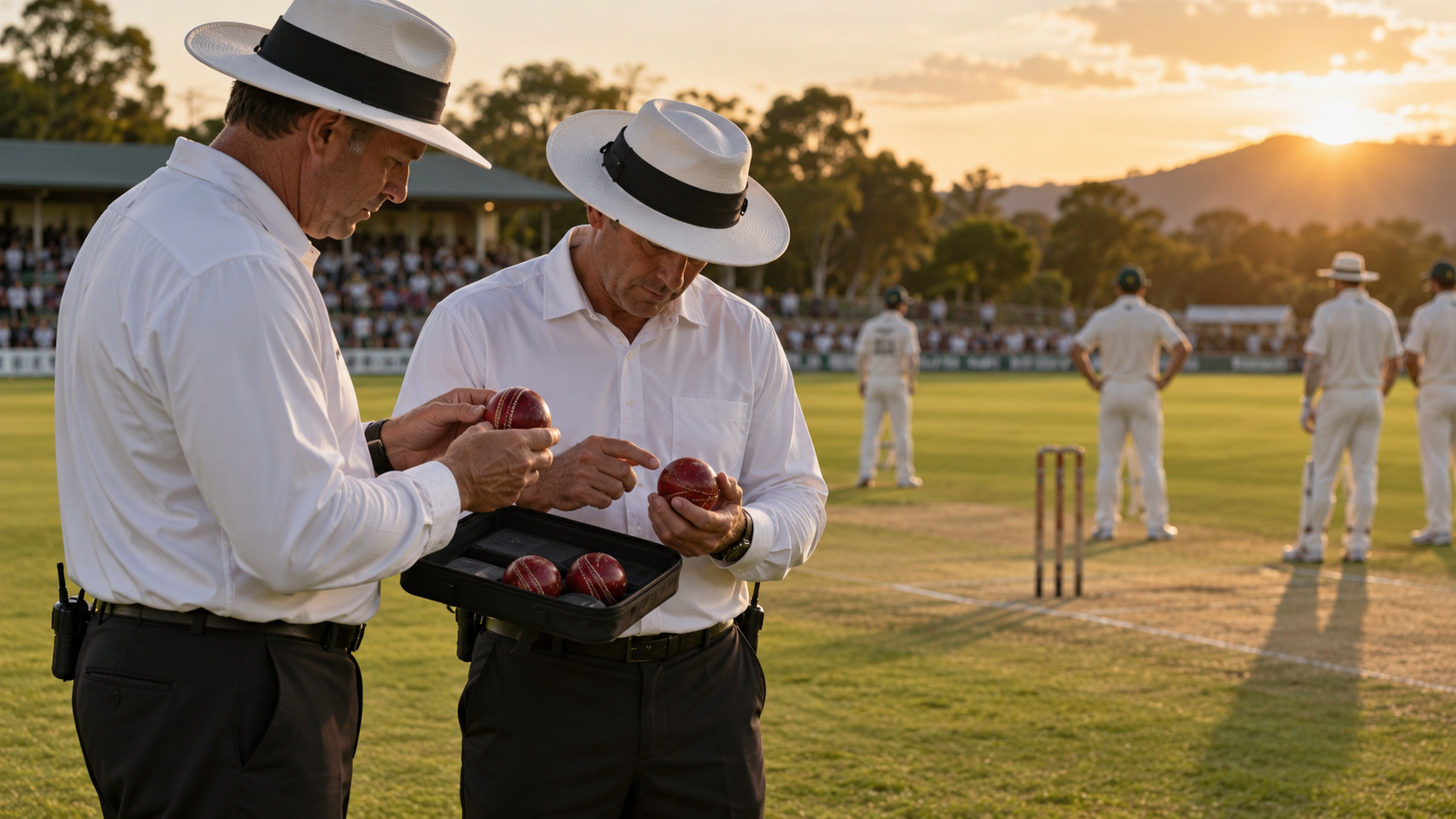
Understand when cricket umpires replace a lost or unfit ball, how they match its wear, and why the batters and captain are informed.