How Cell Division Separates Chromosomes
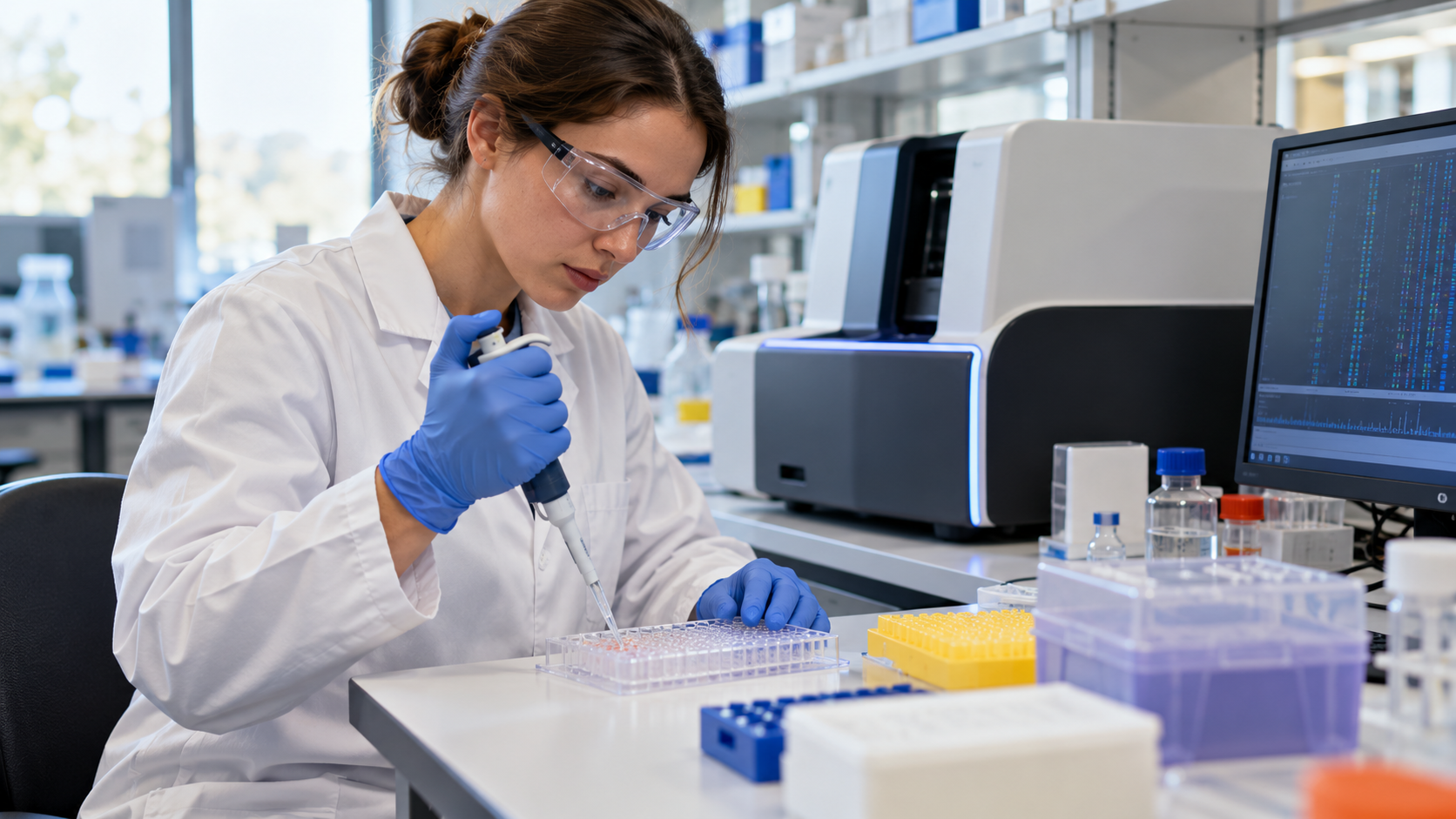
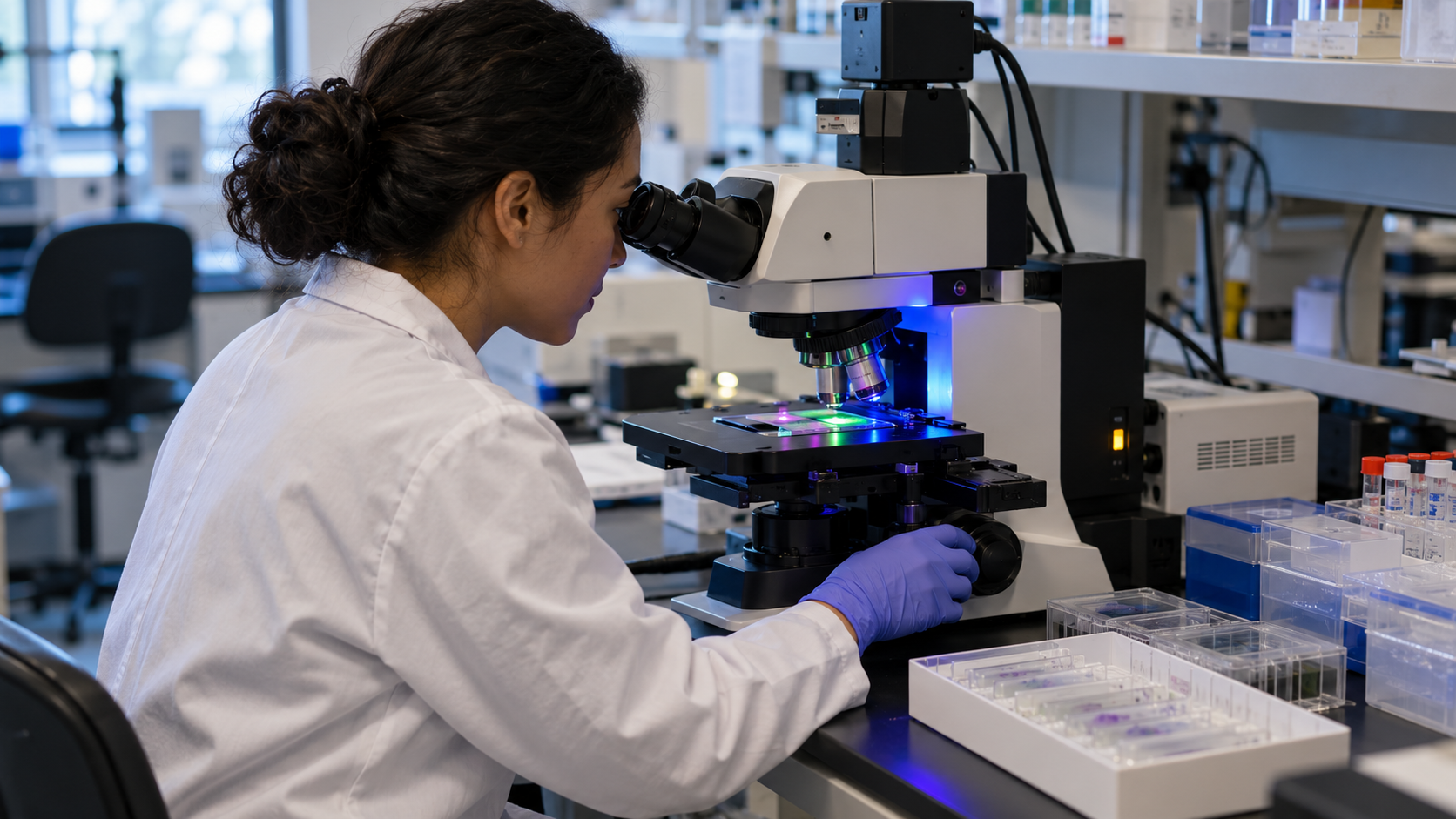
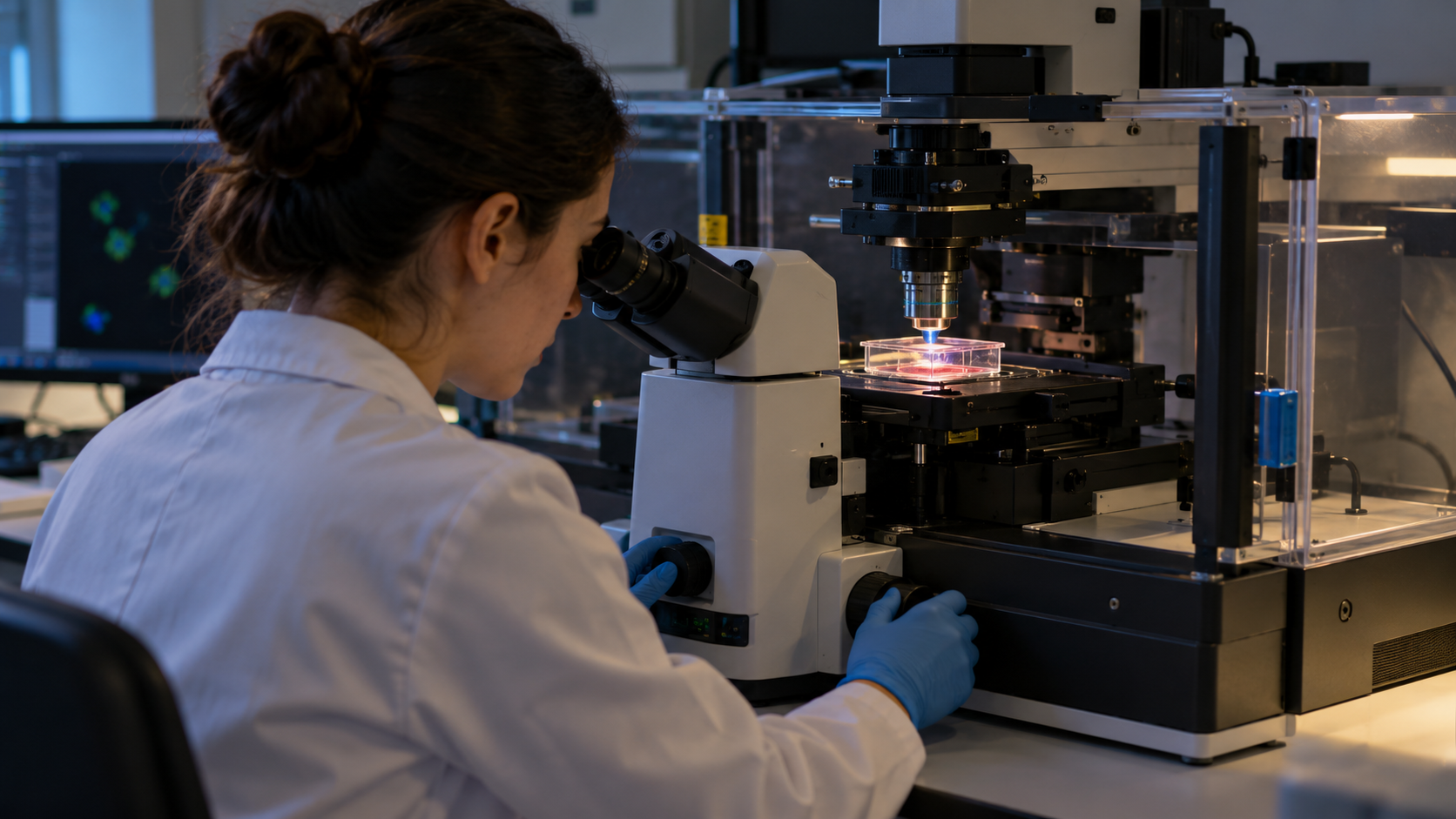
Mitosis uses duplicated chromosomes, microtubules, checkpoints, and a spindle to deliver one genome copy to each daughter cell.

Don't Just Read it – Explore It

Ice-T says his reduced screen time on this season of “Law & Order: SVU” comes down to budgeting and cast…

Breaking Rust is a computer-generated country artist whose song “Walk My Walk” just hit No. 1 on Billboard’s Country Digital…

Loading… Key Takeaways The Top 10 cutest cat breeds blend striking physical features with warm, affectionate personalities that appeal to…

Elon Musk says artificial intelligence and advanced robotics could make traditional work optional within the next 10–20 years. Speaking at…

The founder of Yara AI, a mental-health chatbot, has shut the app down after concluding it posed unacceptable risks to…

Black Friday isn’t the blockbuster shopping event it once was. Retailers have stretched deals across weeks, foot traffic is flat,…

Mick Jagger, now 82, continues to perform with remarkable stamina thanks to a highly disciplined lifestyle centered on daily movement,…
Mitosis uses duplicated chromosomes, microtubules, checkpoints, and a spindle to deliver one genome copy to each daughter cell.
Cells regulate genes by controlling DNA access, transcription, RNA processing, translation, and protein lifetime in response to identity and conditions.
Cells package long DNA molecules around histone proteins, fold the resulting chromatin, and reorganize it as genes are used or chromosomes divide.
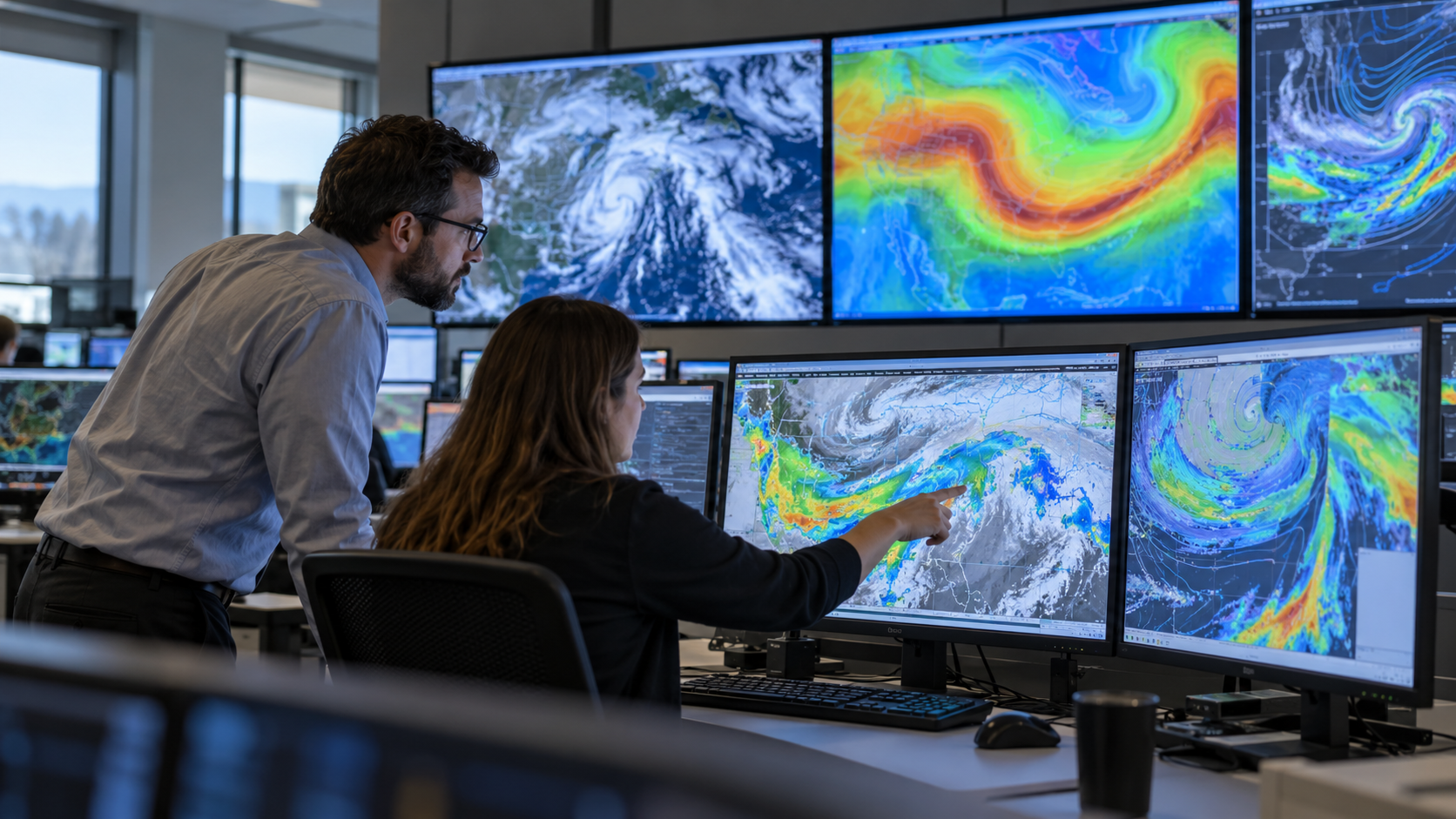
Numerical weather prediction combines observations with physical equations on a three-dimensional grid and advances the atmosphere forward in time.
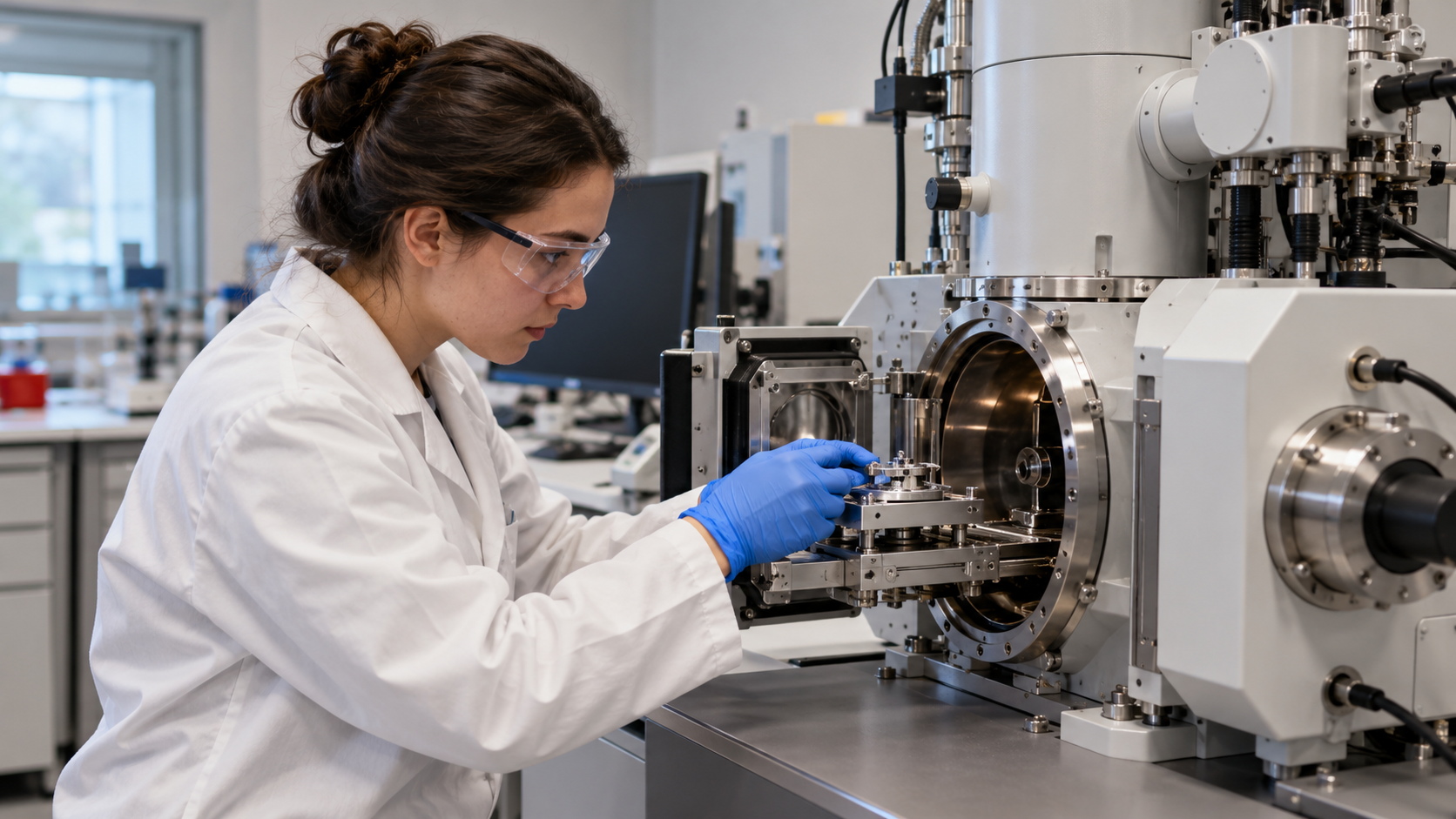
Electron microscopes focus beams of electrons and convert their interactions with a specimen into images with much finer detail than visible-light microscopes.
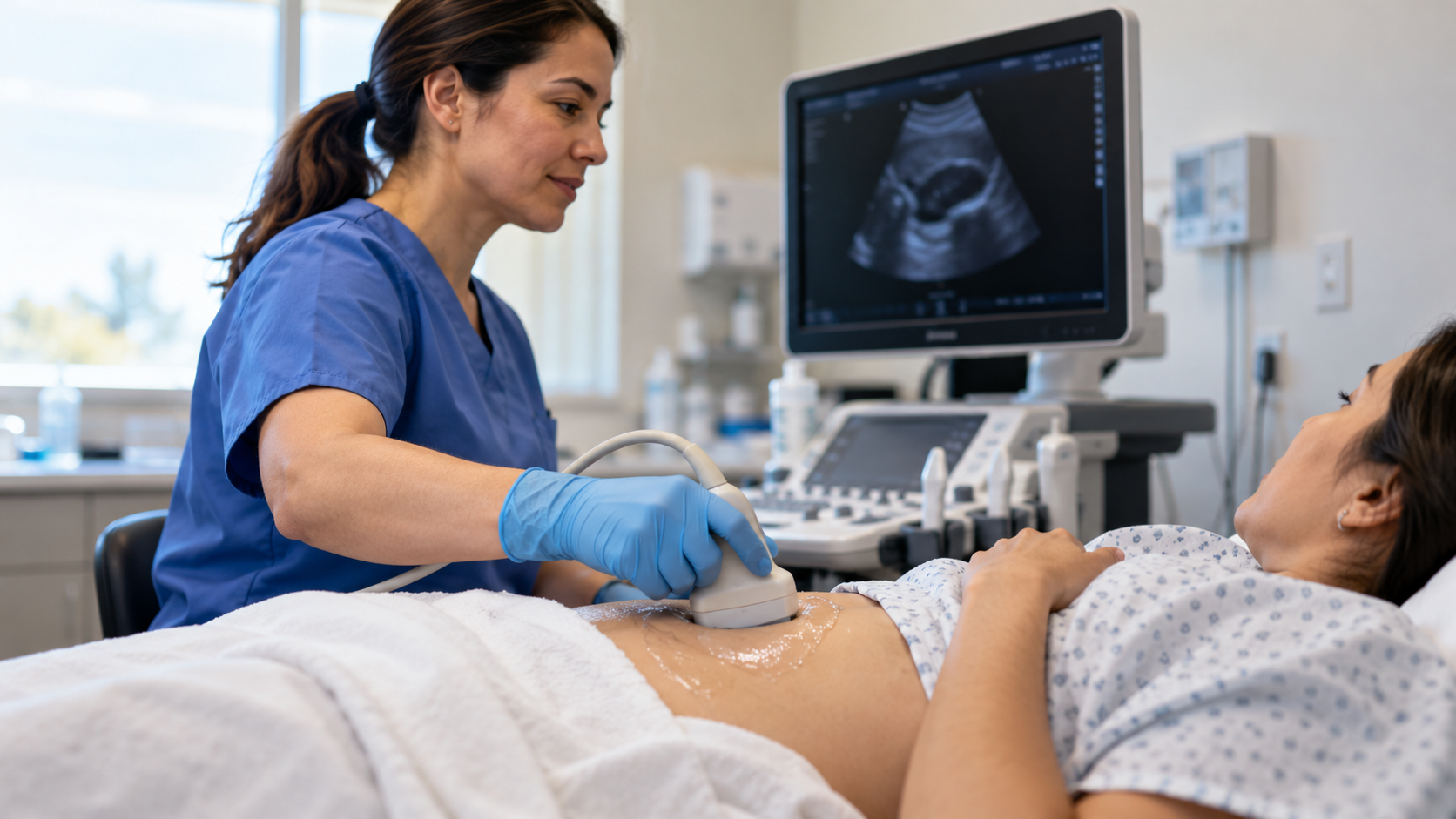
Ultrasound sends high-frequency sound pulses into the body and uses echo timing and strength to map boundaries, motion, and blood flow.
Relativity predicts that elapsed time depends on motion and gravitational potential, so clocks following different paths can accumulate different durations.
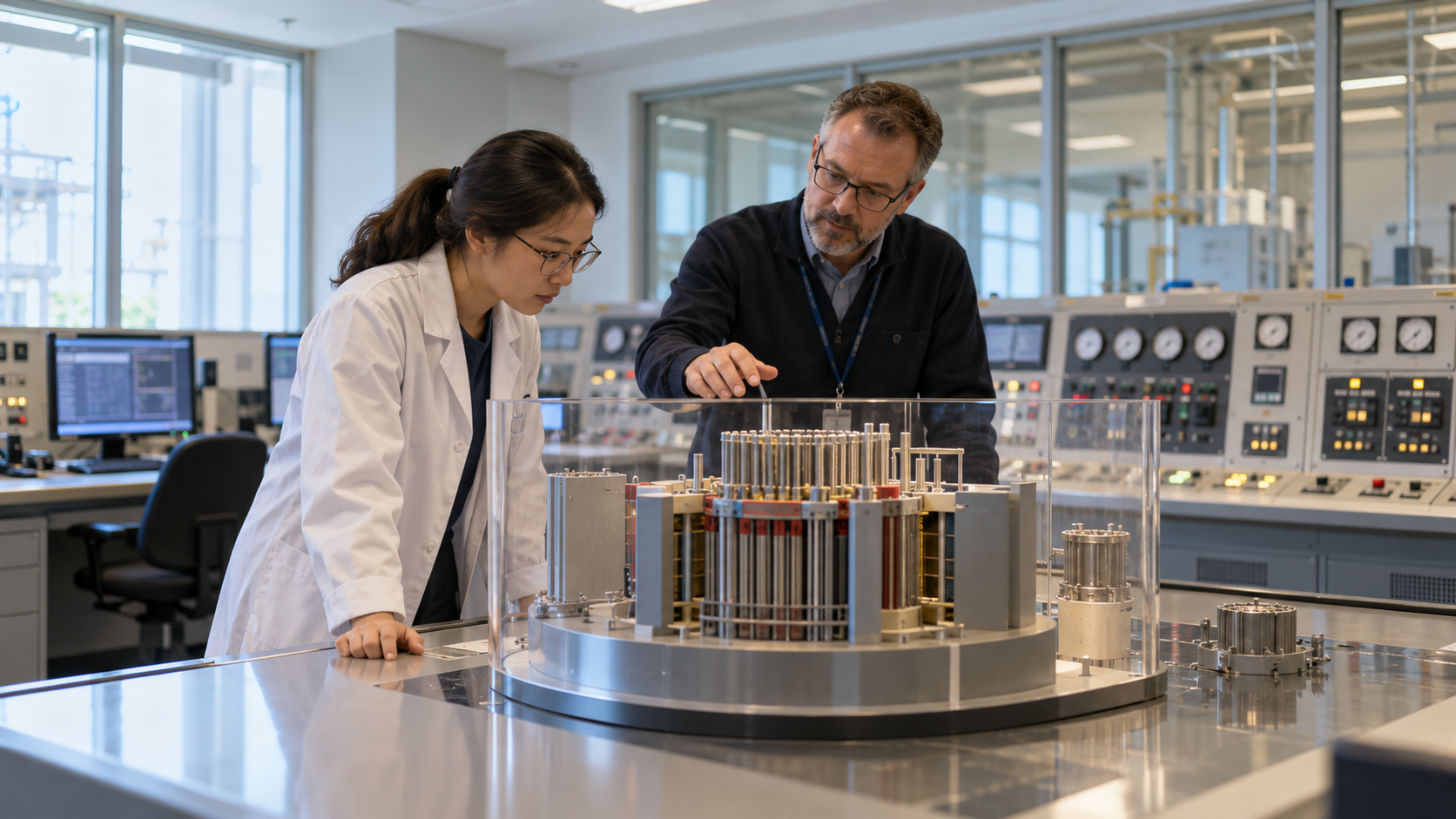
Nuclear fission releases energy when a heavy nucleus splits into lighter fragments whose total binding and mass differ, also emitting neutrons and radiation.
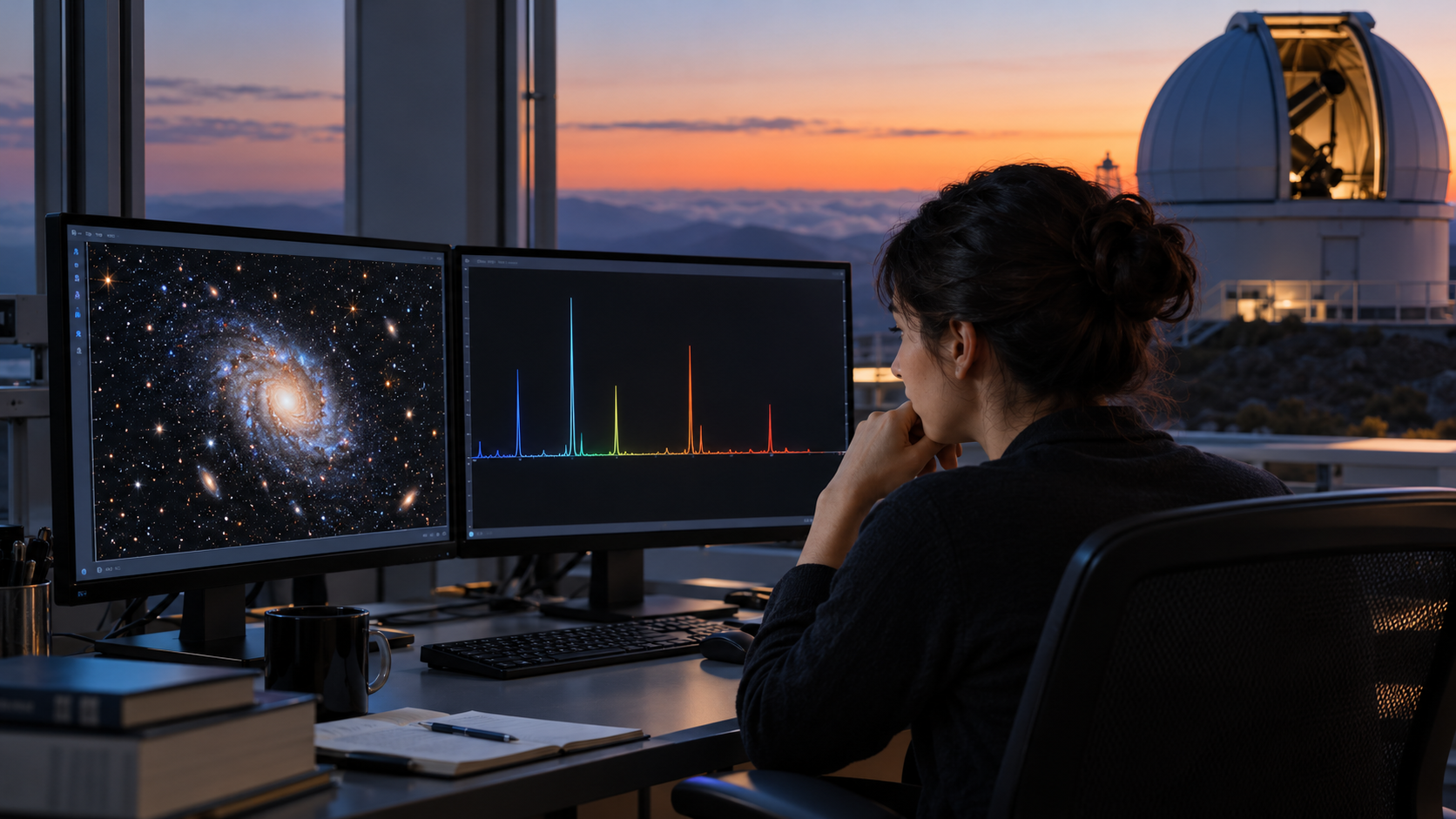
Astronomers measure cosmic expansion by comparing galaxy redshifts with independently calibrated distances across an overlapping distance ladder.
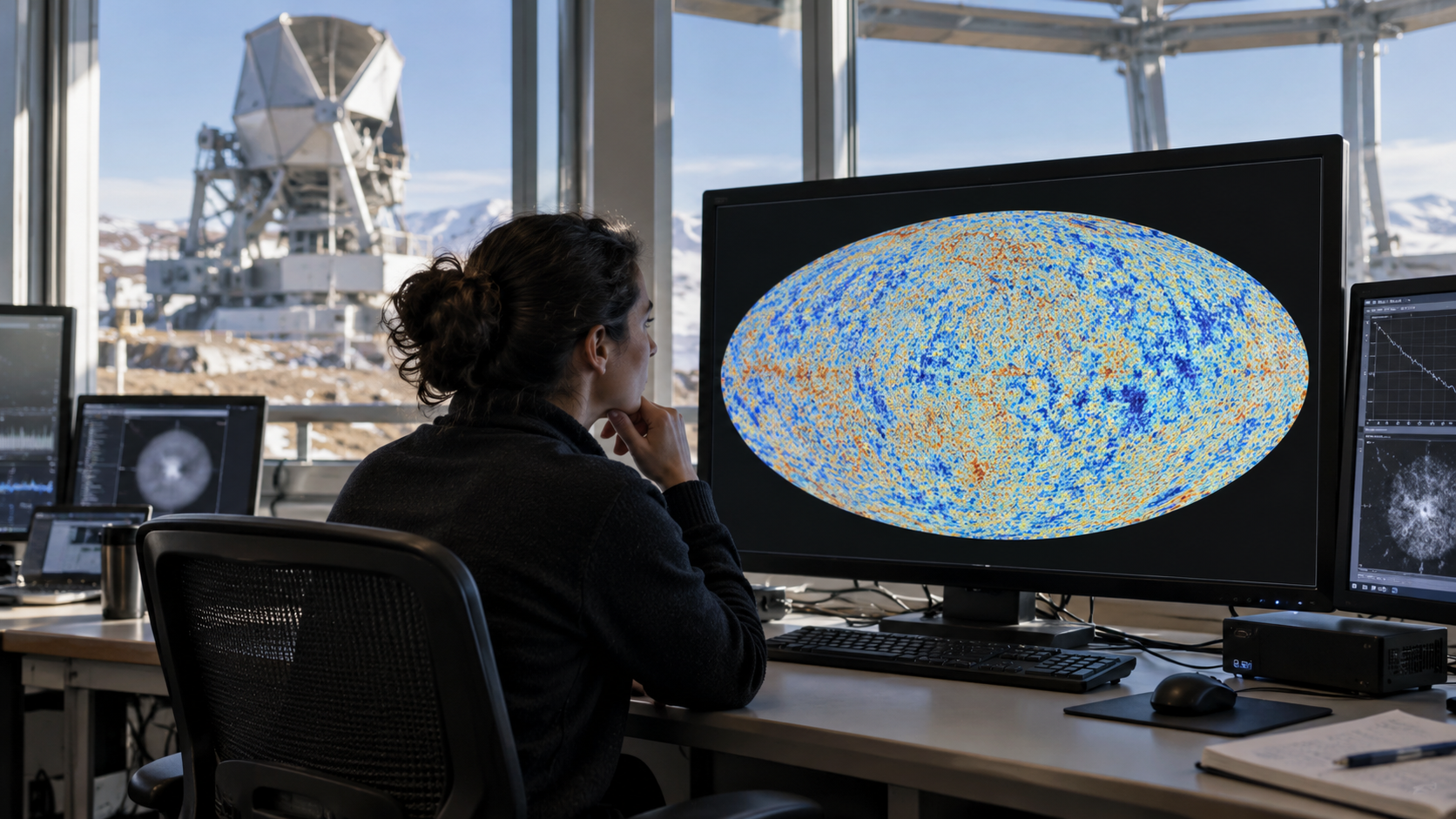
The cosmic microwave background is cooled, redshifted radiation released when the early universe became transparent, preserving a map of tiny primordial variations.
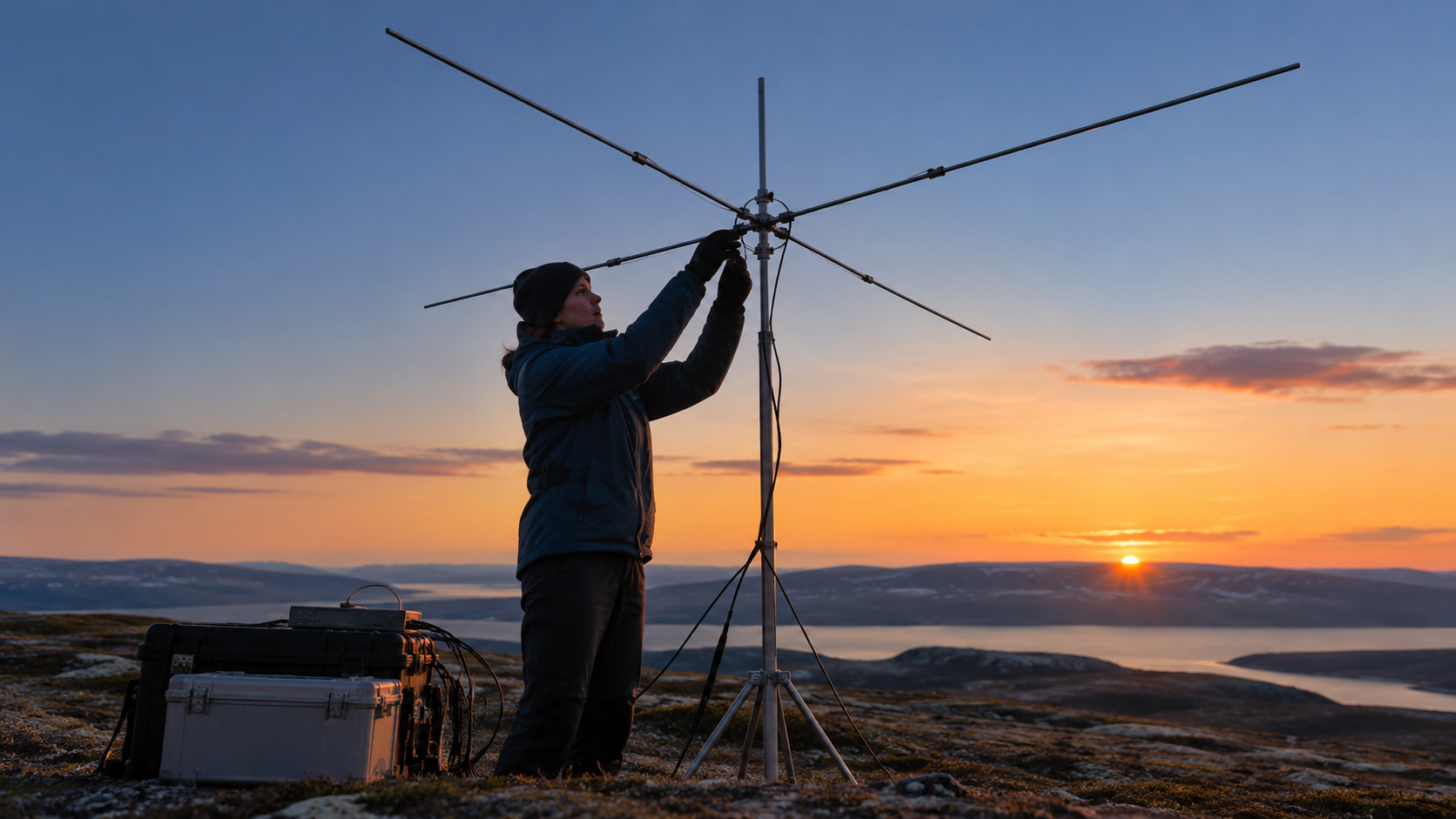
Free electrons in the ionosphere change a radio wave’s speed and direction, allowing some frequencies to refract back toward Earth while others pass through.
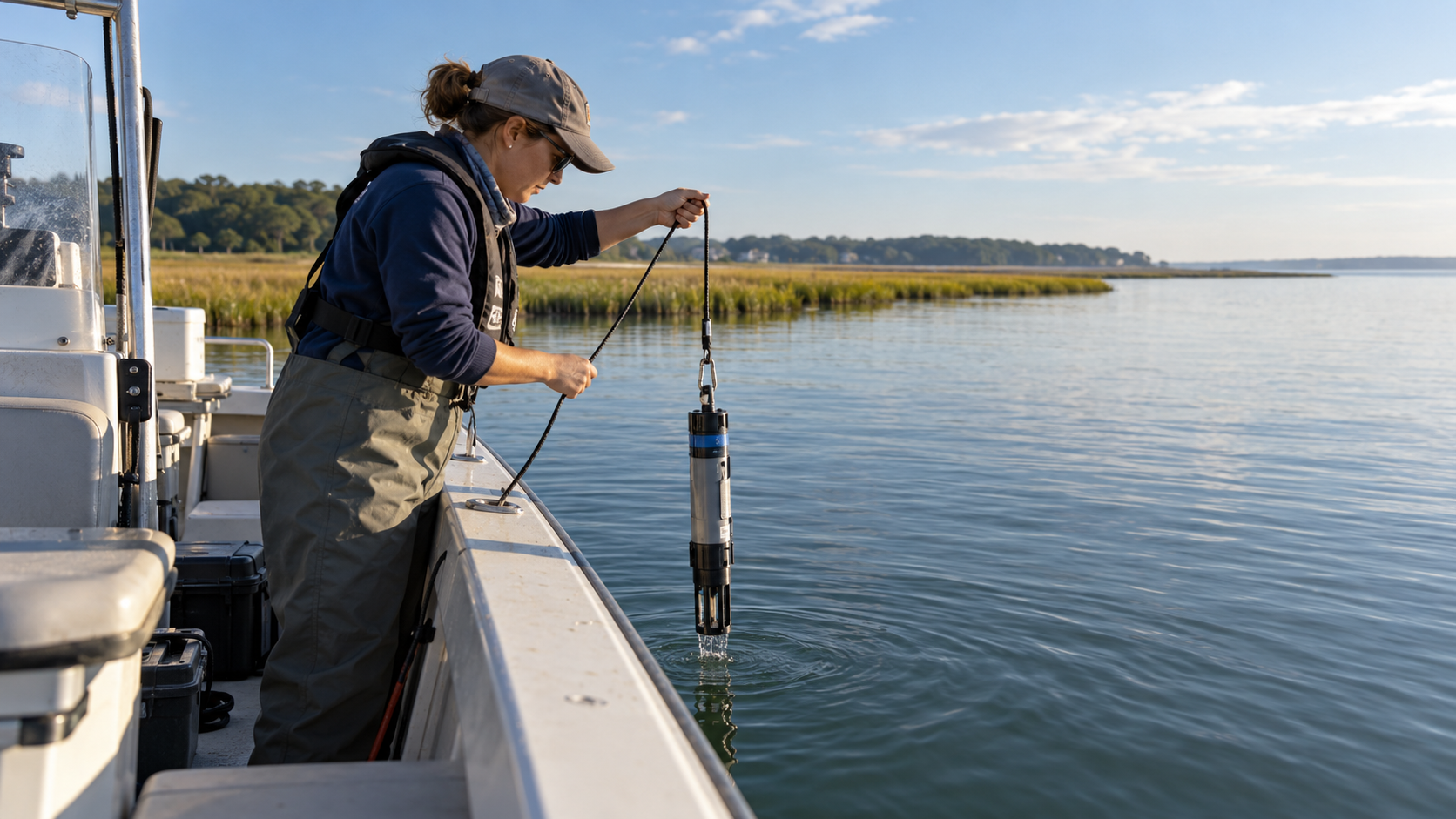
Estuaries mix river water with seawater through tides, wind, turbulence, and density-driven circulation, creating shifting layers and salinity gradients.