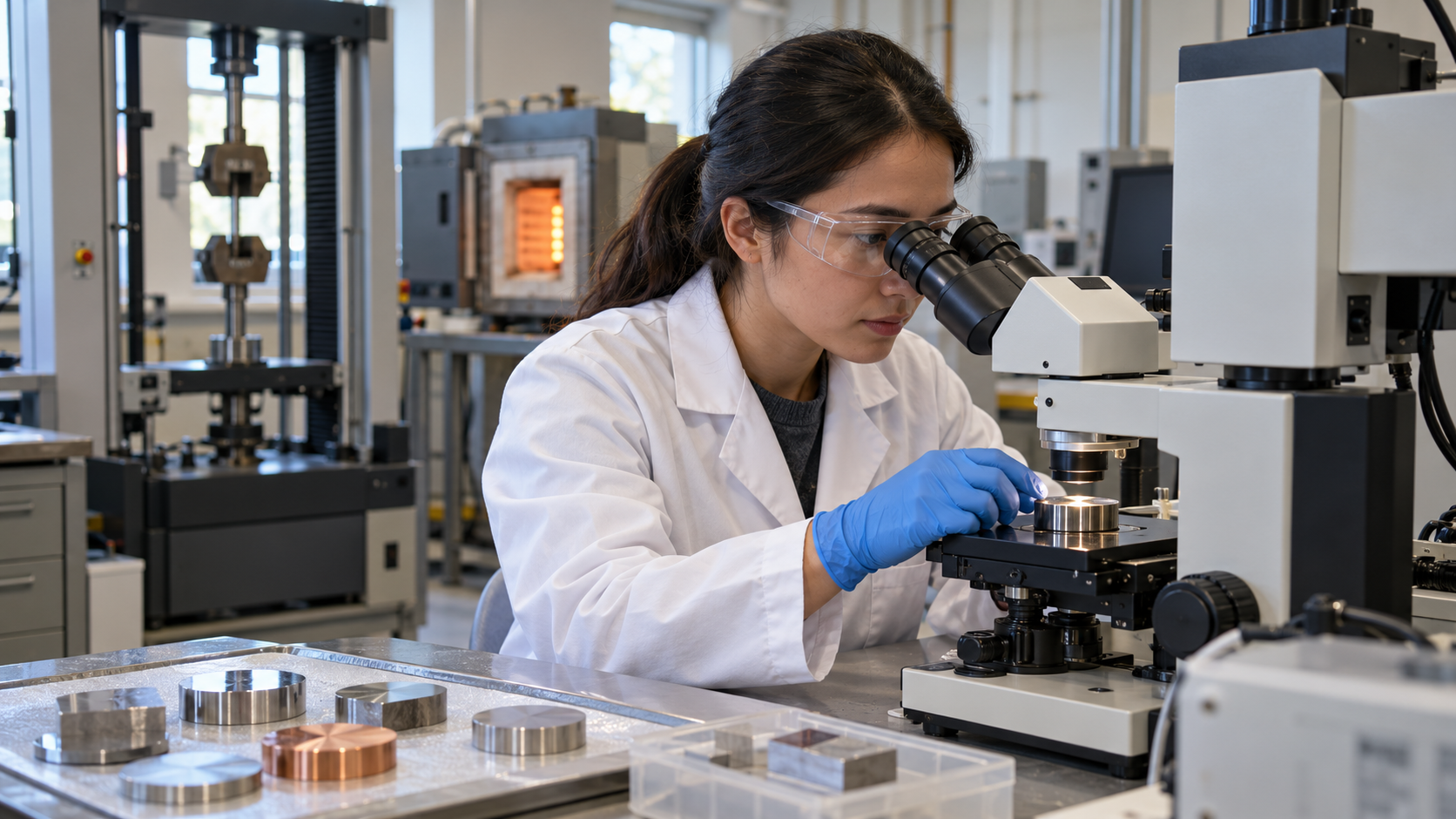
How Alloys Gain New Properties
Alloys gain properties when added elements change crystal phases, defects, grain structure, electron behavior, and how easily atoms or dislocations move.

Don't Just Read it – Explore It

Ice-T says his reduced screen time on this season of “Law & Order: SVU” comes down to budgeting and cast…

Breaking Rust is a computer-generated country artist whose song “Walk My Walk” just hit No. 1 on Billboard’s Country Digital…

Loading… Key Takeaways The Top 10 cutest cat breeds blend striking physical features with warm, affectionate personalities that appeal to…

Elon Musk says artificial intelligence and advanced robotics could make traditional work optional within the next 10–20 years. Speaking at…

The founder of Yara AI, a mental-health chatbot, has shut the app down after concluding it posed unacceptable risks to…

Black Friday isn’t the blockbuster shopping event it once was. Retailers have stretched deals across weeks, foot traffic is flat,…

Mick Jagger, now 82, continues to perform with remarkable stamina thanks to a highly disciplined lifestyle centered on daily movement,…
Alloys gain properties when added elements change crystal phases, defects, grain structure, electron behavior, and how easily atoms or dislocations move.
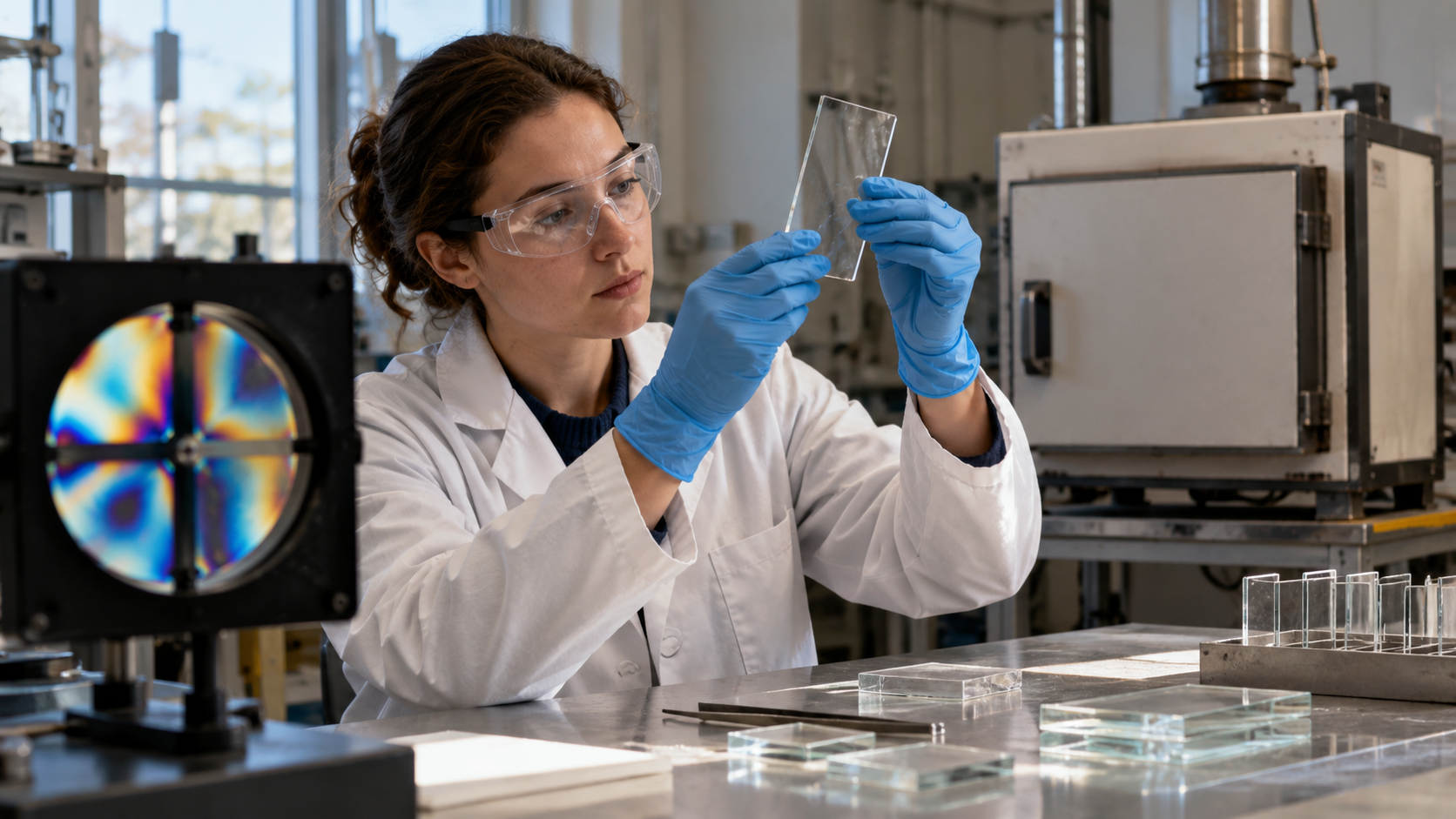
Glass forms when a liquid solidifies without arranging into a repeating crystal lattice, freezing a disordered structure as molecular motion slows.
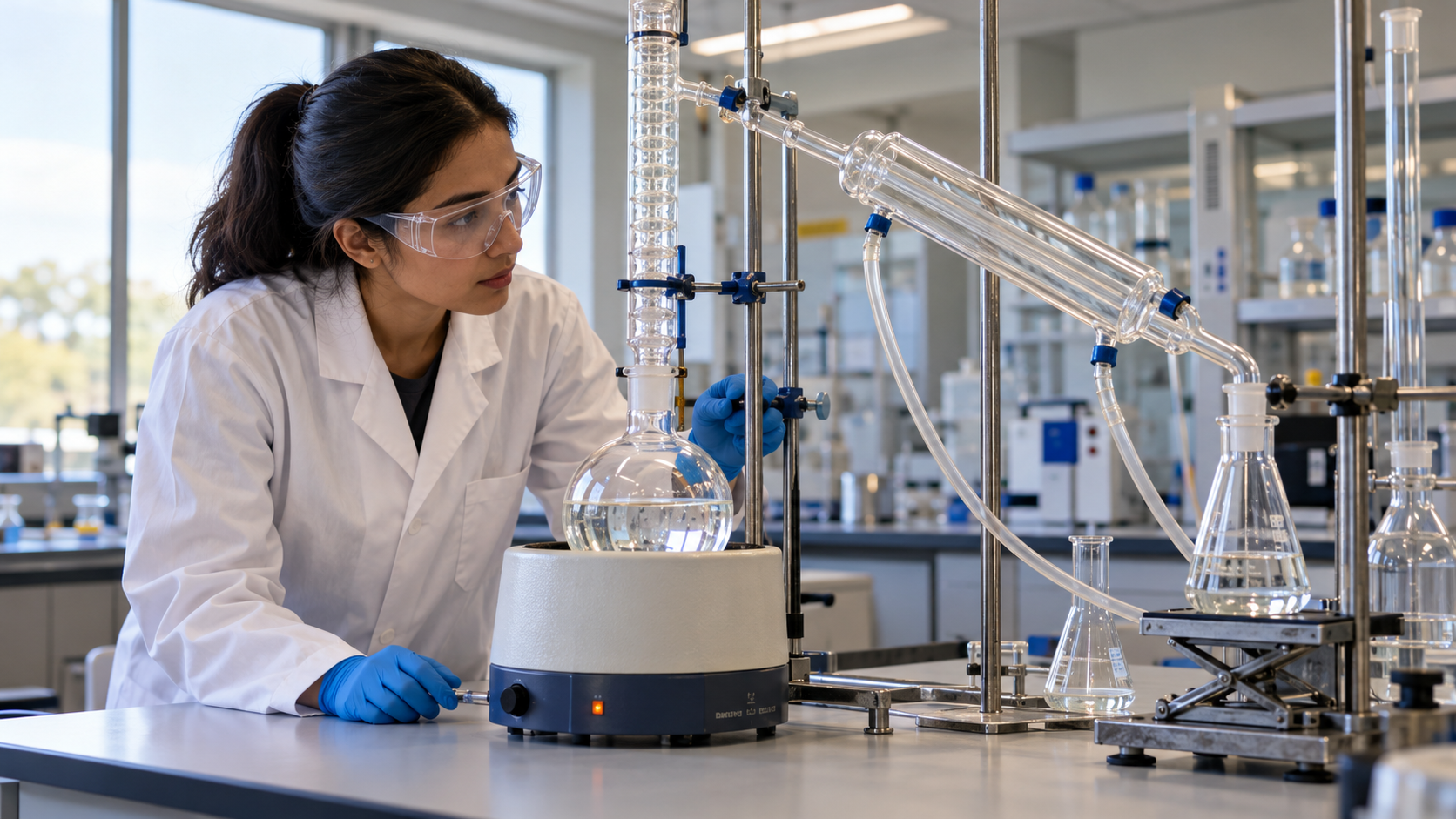
Distillation separates mixture components by repeatedly enriching vapor in the more volatile substances and condensing that vapor elsewhere.
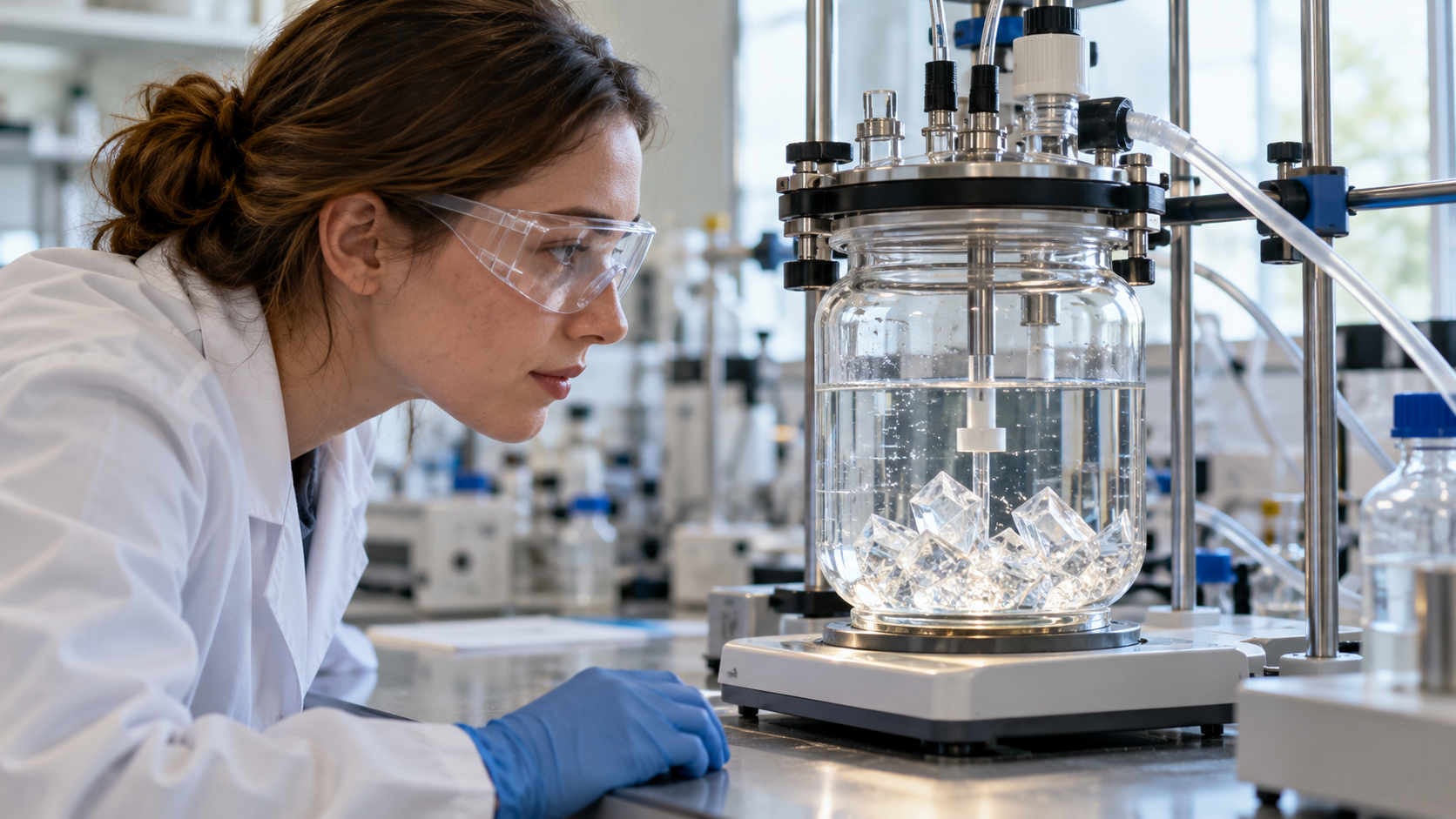
Crystals form when a supersaturated solution nucleates an ordered solid and dissolved building units continue attaching to its growing faces.
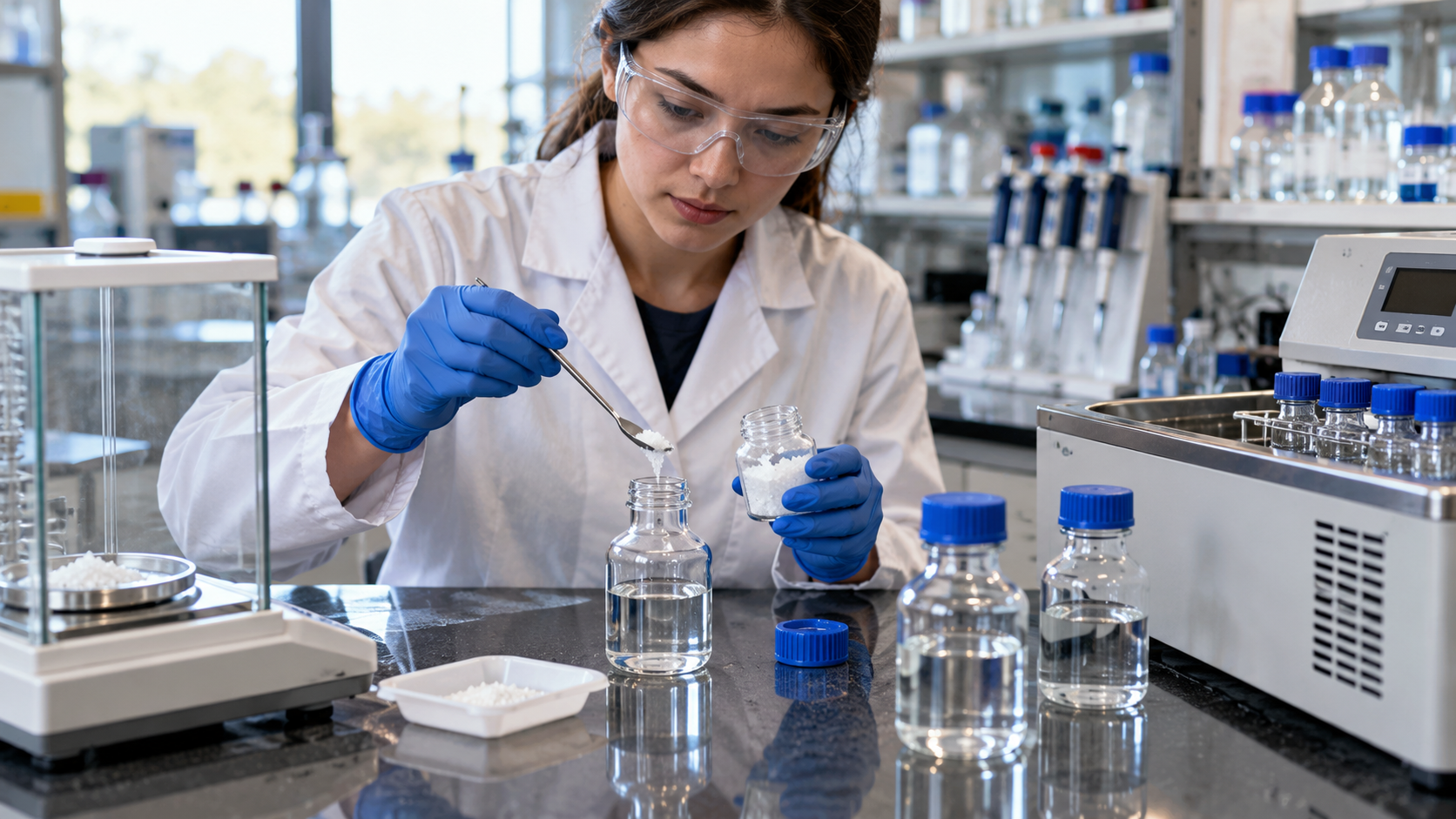
A substance dissolves when interactions formed in the mixture can offset the energetic and organizational costs of separating solute and solvent particles.
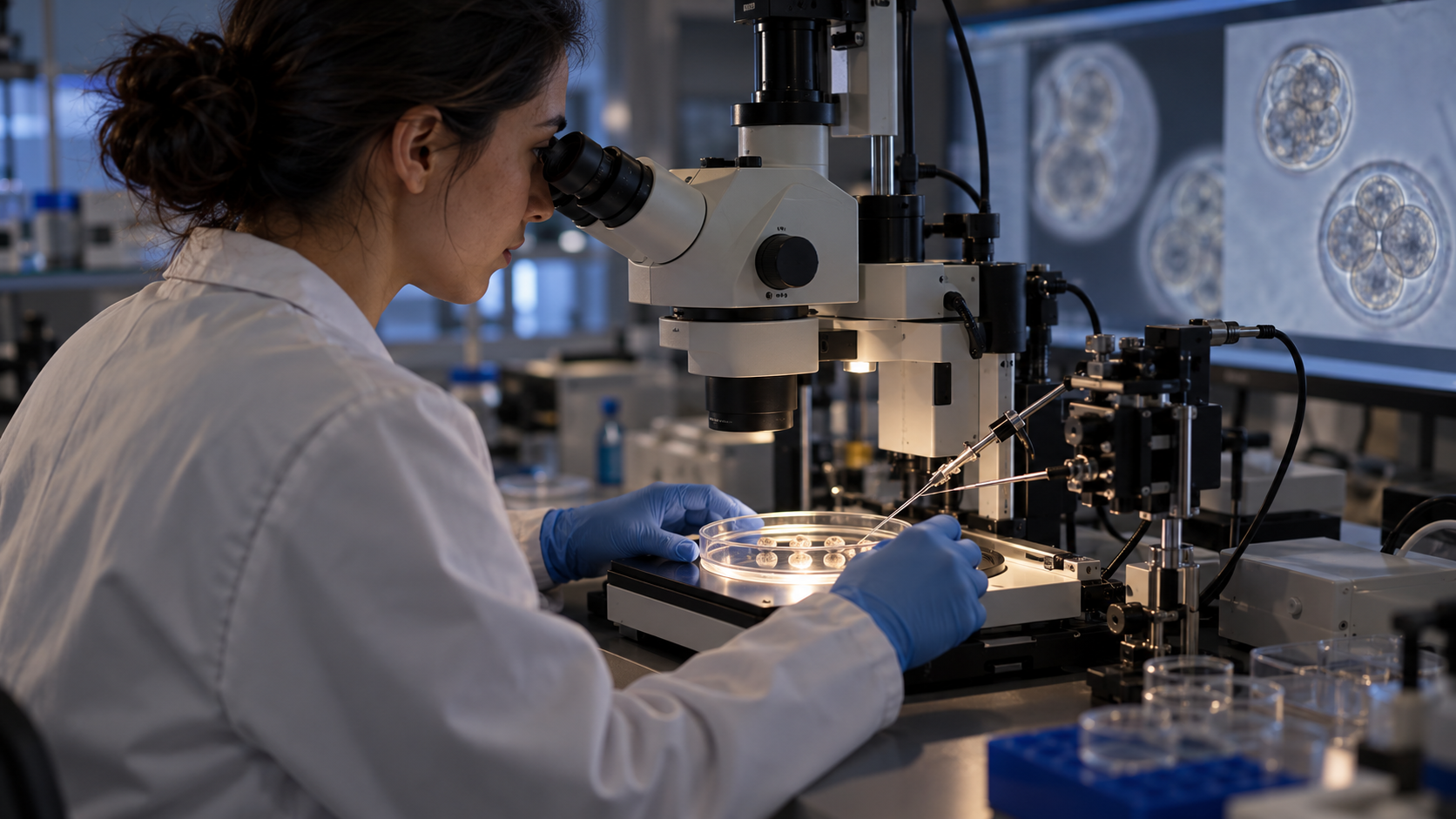
Embryos establish head-to-tail, back-to-belly, and left-right directions through localized signals, gene networks, cell movement, and feedback.
Plant hormones coordinate division, elongation, dormancy, ripening, defense, and environmental responses through interacting signals and tissue sensitivity.
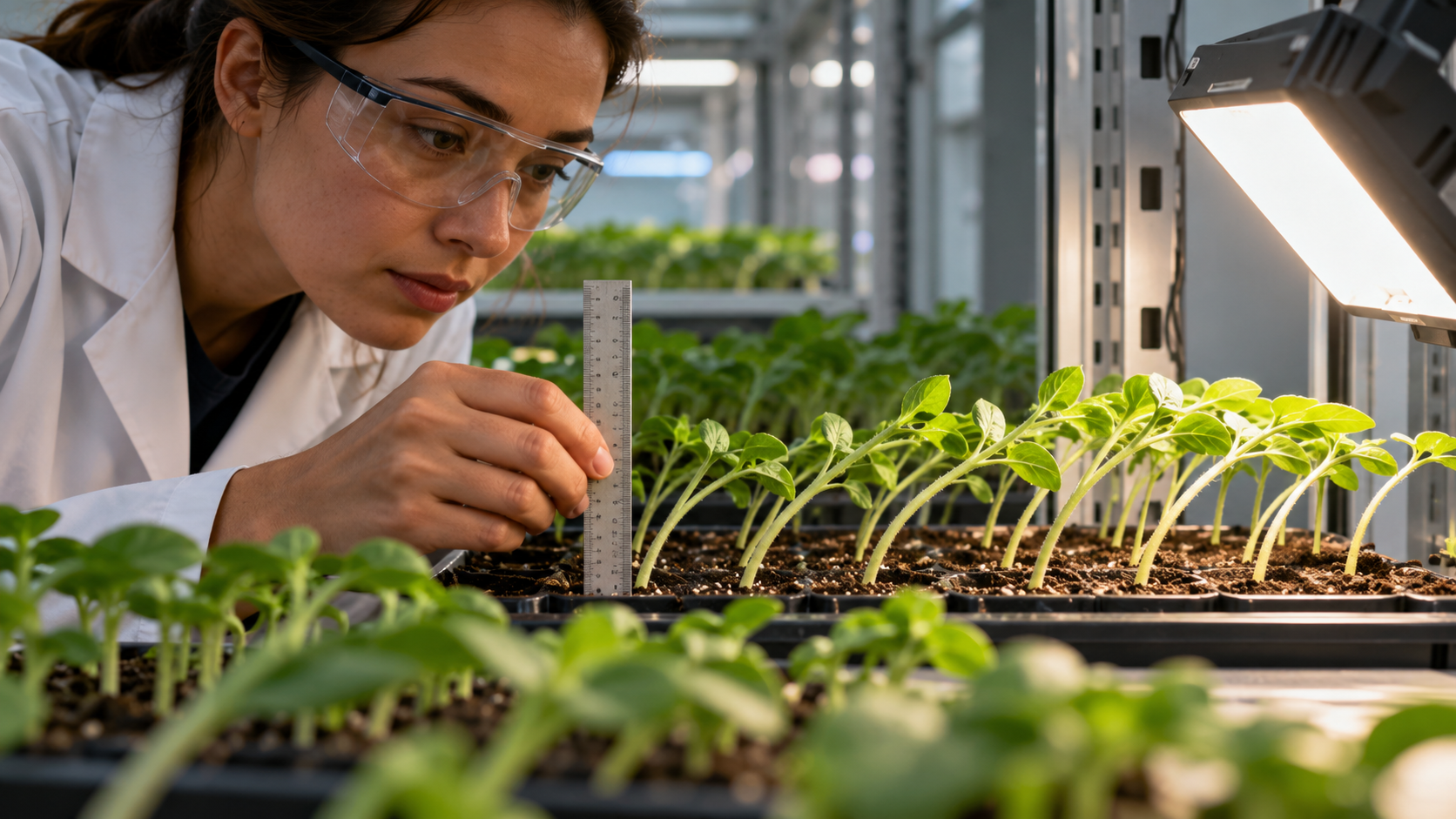
Directional blue light redistributes growth signals in a young shoot, causing cells on the shaded side to elongate more and curve the stem.
T cells inspect short protein fragments displayed by MHC molecules and respond when their receptor recognizes the right peptide-MHC combination.
Bacteria acquire DNA through transformation, phage-mediated transduction, and direct conjugation, then retain changes that function and are selected.
Viruses bind compatible cell receptors, deliver a genome, redirect cellular machinery, assemble new particles, and leave to infect again.
Apoptosis is a regulated cell-death program that activates caspases, dismantles a cell, and packages its remains for quiet removal.