How Rivers Build Deltas
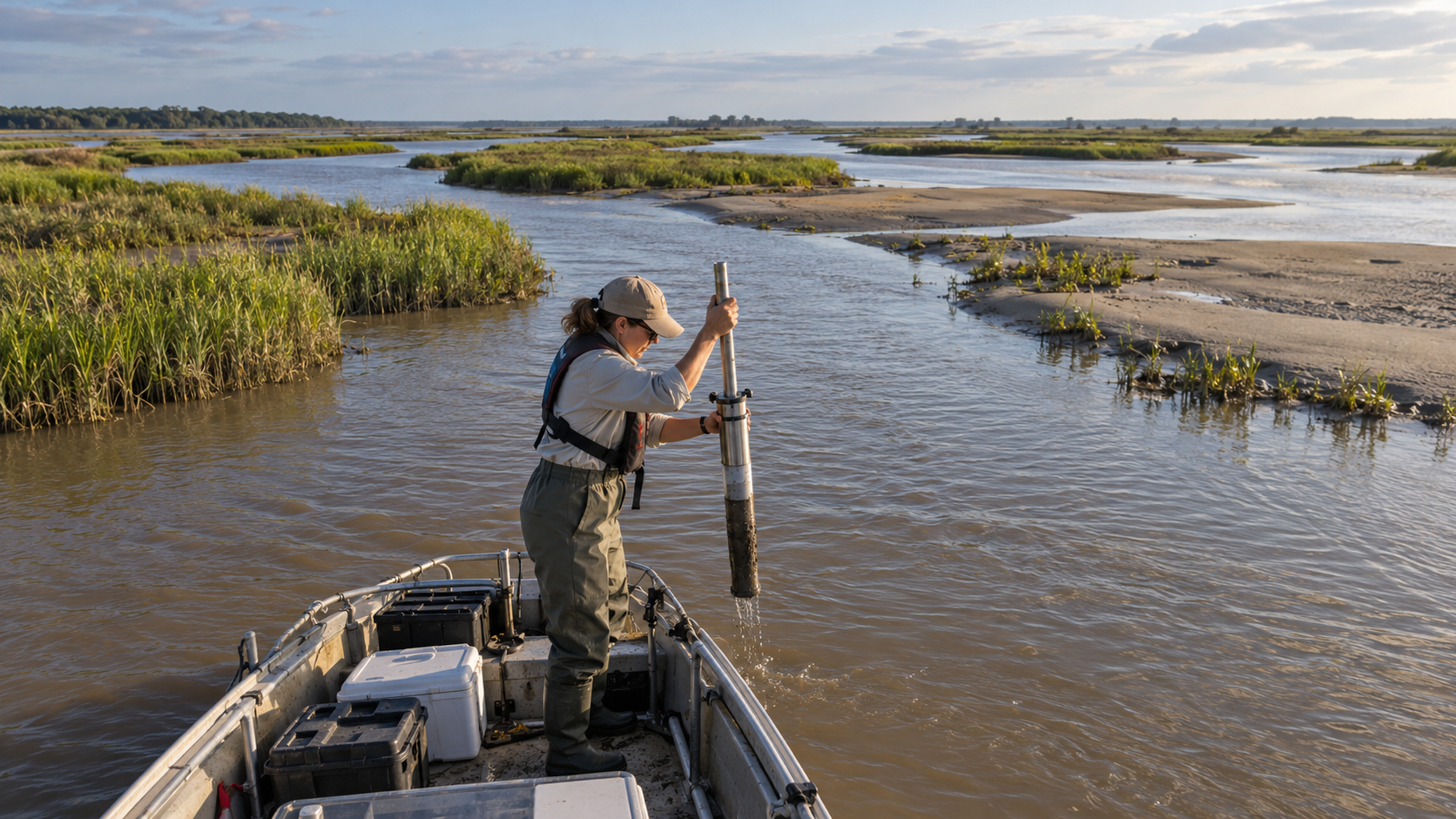
River deltas grow where flowing water loses enough transport capacity at a basin edge for sediment delivery to exceed removal by waves and currents.

Don't Just Read it – Explore It

Ice-T says his reduced screen time on this season of “Law & Order: SVU” comes down to budgeting and cast…

Breaking Rust is a computer-generated country artist whose song “Walk My Walk” just hit No. 1 on Billboard’s Country Digital…

Loading… Key Takeaways The Top 10 cutest cat breeds blend striking physical features with warm, affectionate personalities that appeal to…

Elon Musk says artificial intelligence and advanced robotics could make traditional work optional within the next 10–20 years. Speaking at…

The founder of Yara AI, a mental-health chatbot, has shut the app down after concluding it posed unacceptable risks to…

Black Friday isn’t the blockbuster shopping event it once was. Retailers have stretched deals across weeks, foot traffic is flat,…

Mick Jagger, now 82, continues to perform with remarkable stamina thanks to a highly disciplined lifestyle centered on daily movement,…
River deltas grow where flowing water loses enough transport capacity at a basin edge for sediment delivery to exceed removal by waves and currents.
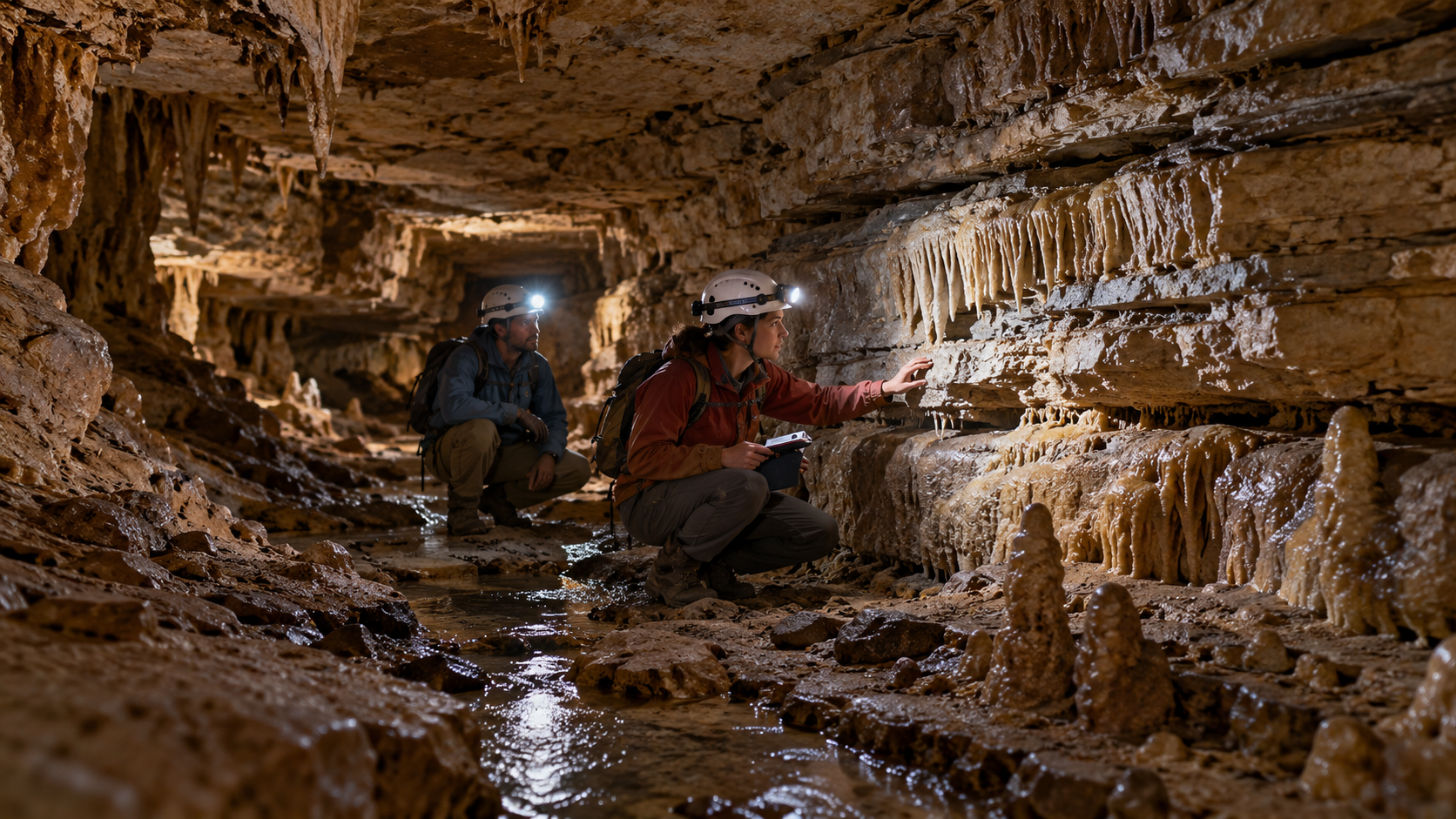
Many limestone caves grow when slightly acidic groundwater dissolves carbonate rock along fractures and bedding planes over long periods.
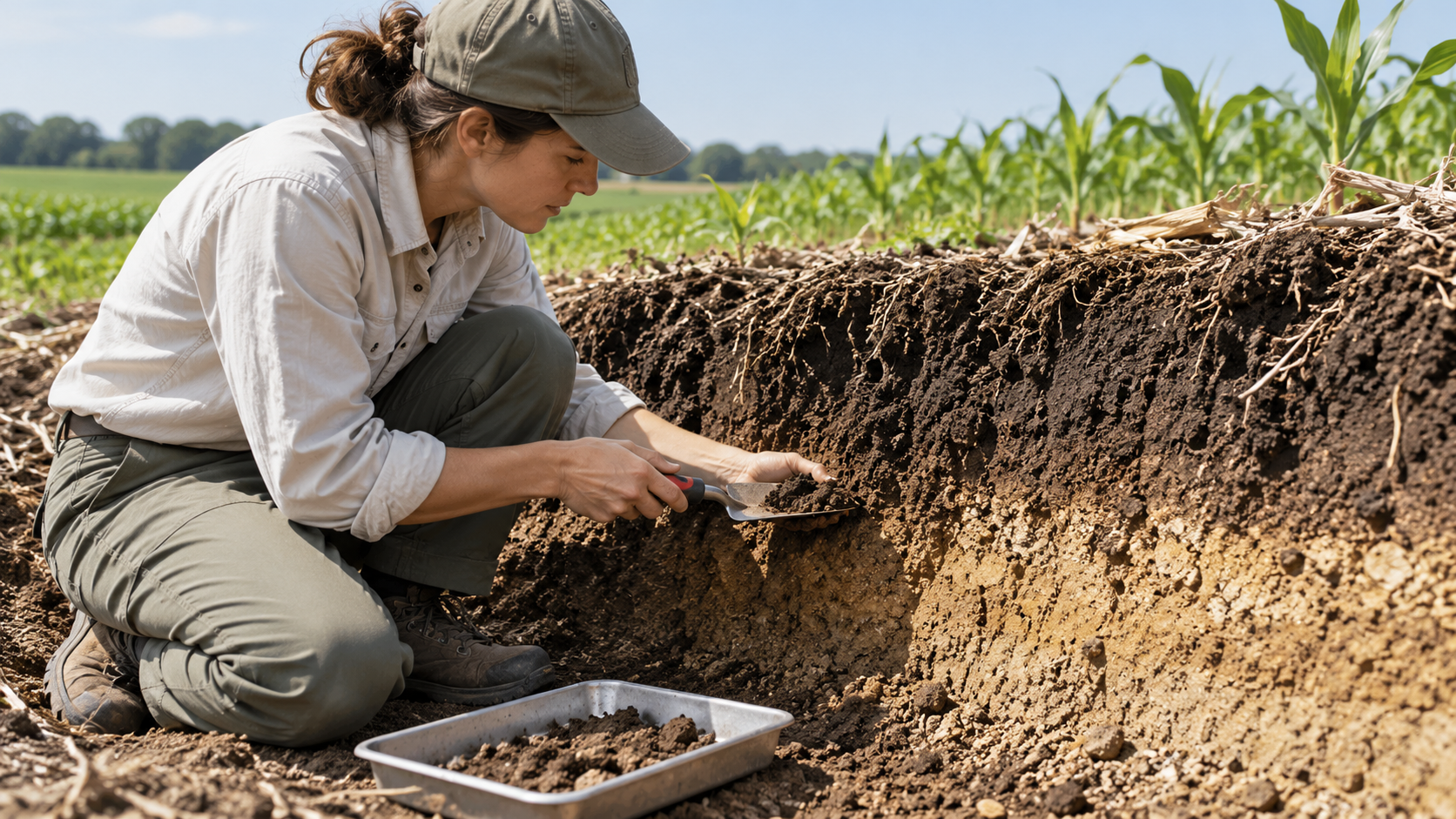
Soil develops as parent material is weathered and transformed by climate, organisms, topography, water, and time into distinct layers.
Monsoons are seasonal circulation shifts driven largely by changing land-ocean heating contrasts, reorganizing winds, moisture transport, and rainfall.
Many strong tornadoes form when a rotating thunderstorm concentrates and stretches low-level rotation, but the decisive steps remain an active research problem.
Dew forms when a surface cools surrounding air to its dew point, causing water vapor to condense into liquid droplets on that surface.
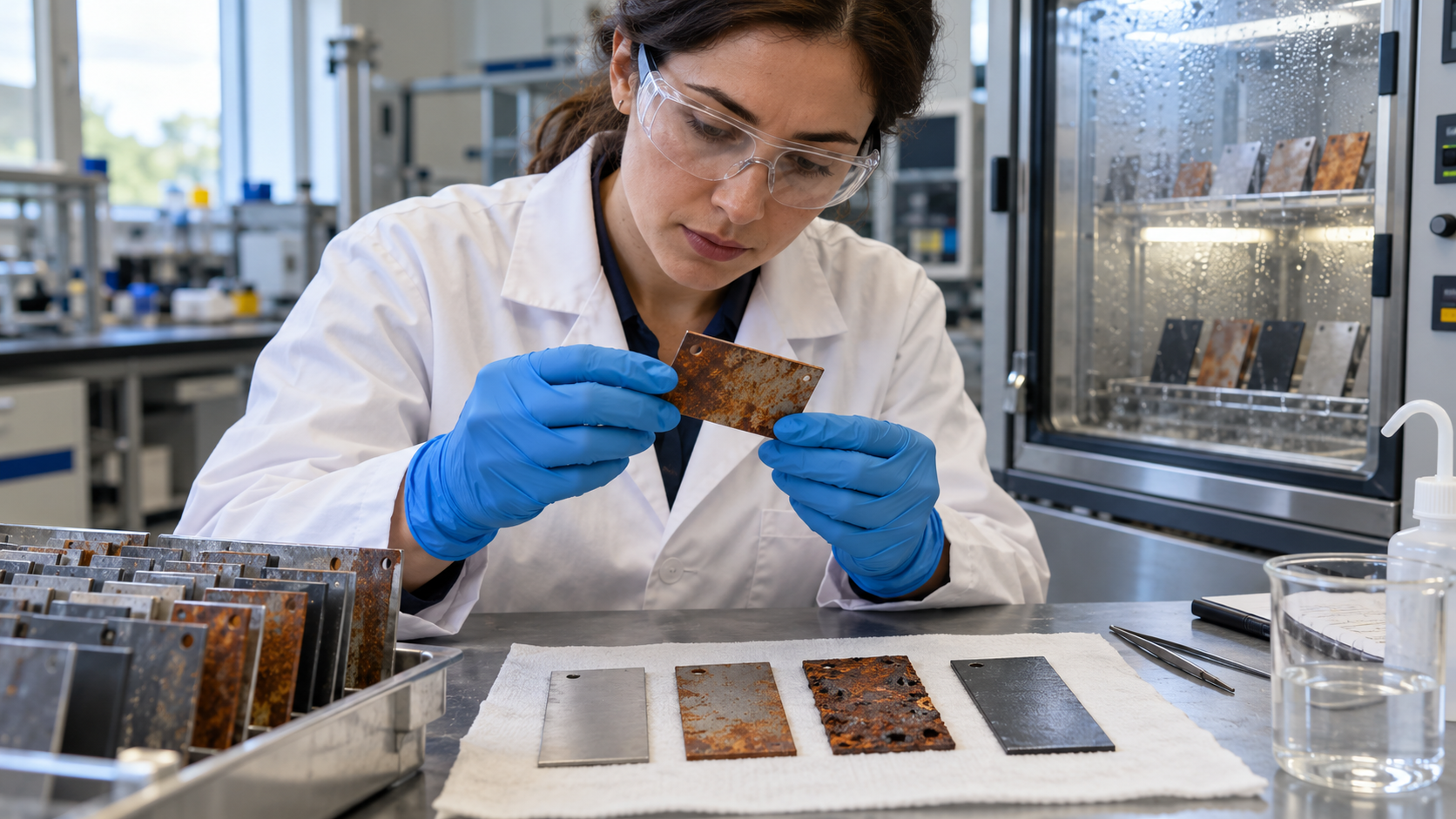
Rust forms through electrochemical reactions in which iron loses electrons while oxygen is reduced in the presence of water.
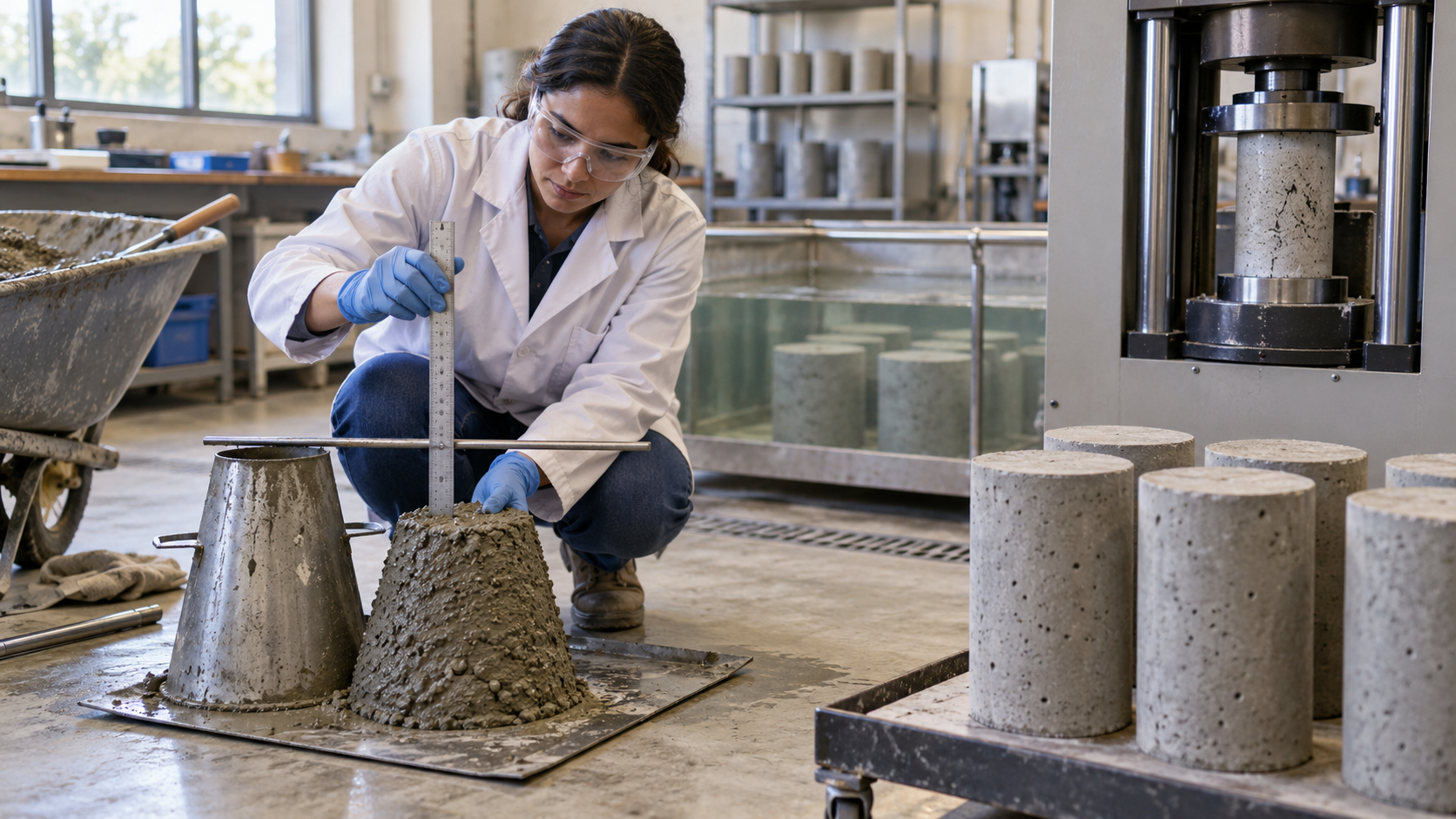
Concrete hardens when cement minerals react with water and form solid hydration products that bind aggregate into a growing, porous matrix.
Polymer properties emerge from the chemistry, length, branching, ordering, crosslinks, and motion of long molecular chains.
Soap molecules have water-attracting heads and oil-attracting tails that wet surfaces, surround greasy material, and let rinsing water carry it away.
Surface tension arises because molecules at a liquid boundary have different attractions than molecules inside, causing the surface to minimize its area.
Skin wound healing overlaps clotting, inflammation, tissue growth, surface closure, and long-term remodeling to restore a protective barrier.