How Inflammation Coordinates the Body’s Early Defense
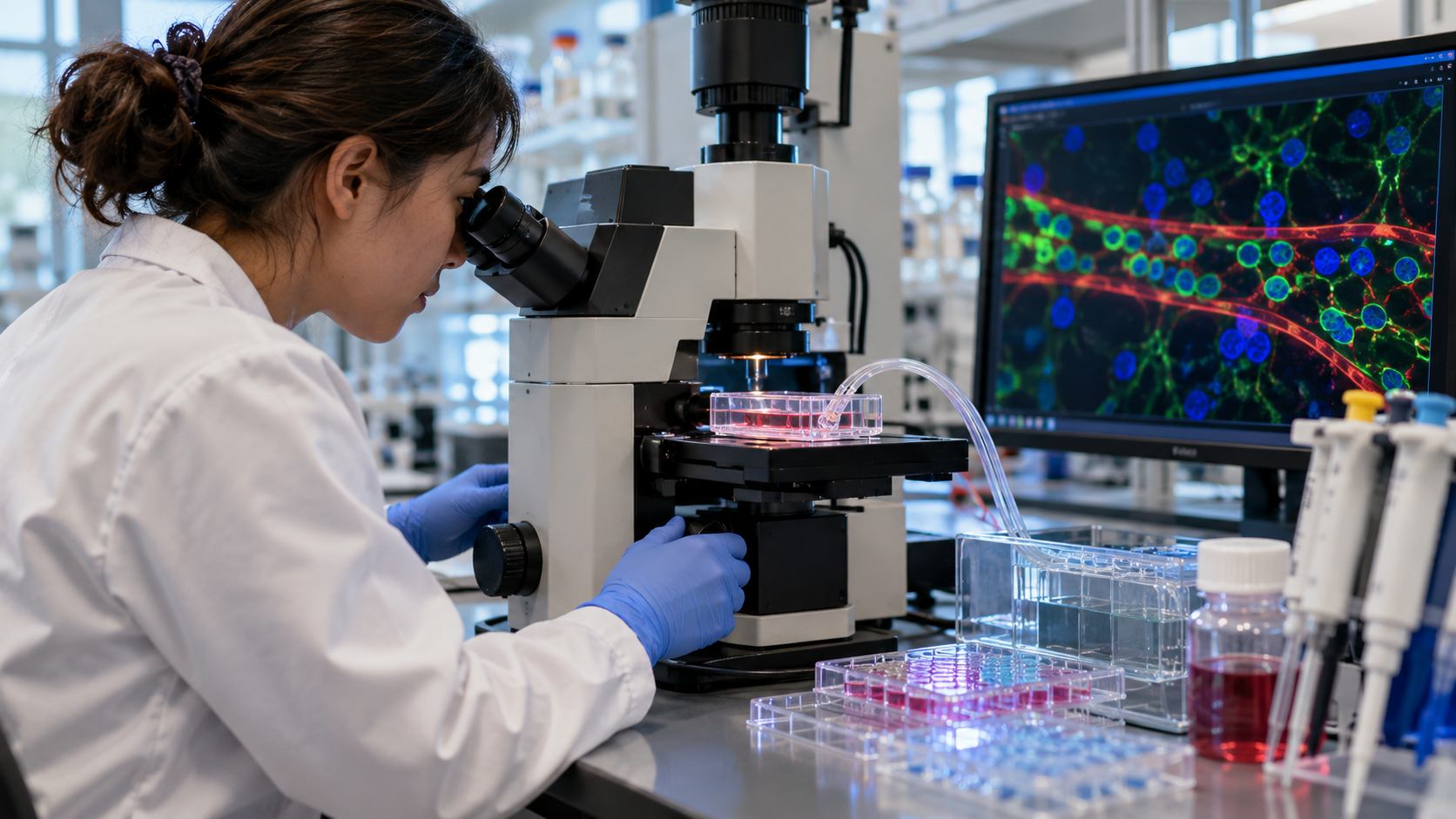
Inflammation uses chemical signals, blood-vessel changes, and recruited immune cells to contain injury, remove threats, and begin tissue repair.

Don't Just Read it – Explore It

Ice-T says his reduced screen time on this season of “Law & Order: SVU” comes down to budgeting and cast…

Breaking Rust is a computer-generated country artist whose song “Walk My Walk” just hit No. 1 on Billboard’s Country Digital…

Loading… Key Takeaways The Top 10 cutest cat breeds blend striking physical features with warm, affectionate personalities that appeal to…

Elon Musk says artificial intelligence and advanced robotics could make traditional work optional within the next 10–20 years. Speaking at…

The founder of Yara AI, a mental-health chatbot, has shut the app down after concluding it posed unacceptable risks to…

Black Friday isn’t the blockbuster shopping event it once was. Retailers have stretched deals across weeks, foot traffic is flat,…

Mick Jagger, now 82, continues to perform with remarkable stamina thanks to a highly disciplined lifestyle centered on daily movement,…
Inflammation uses chemical signals, blood-vessel changes, and recruited immune cells to contain injury, remove threats, and begin tissue repair.
Gut microbes transform food and host compounds, interact with the intestinal barrier and immune system, and form an ecosystem that varies among people.
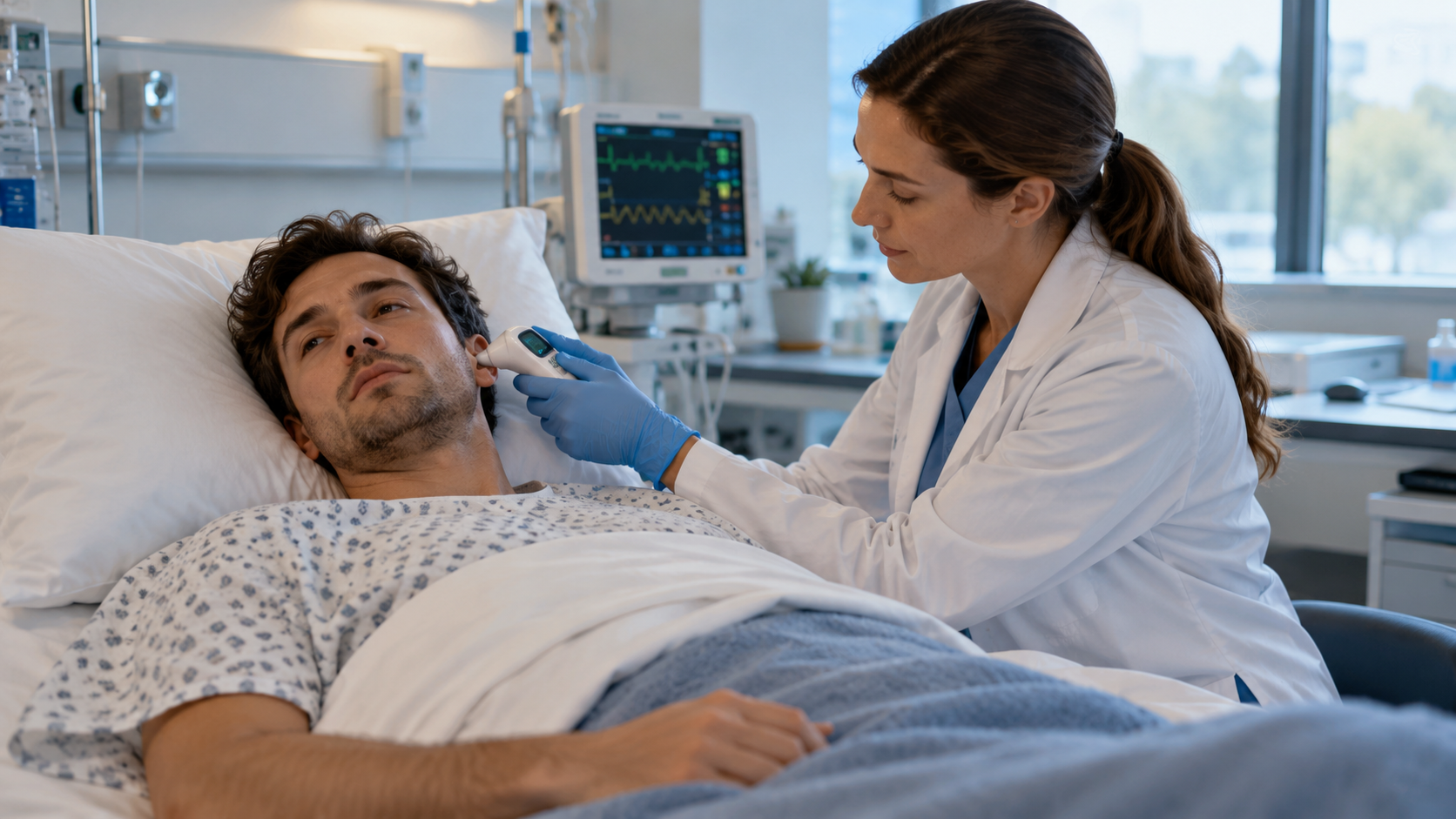
Fever occurs when immune signals raise the hypothalamic temperature target, prompting heat conservation and production until the new target is reached.
At a chemical synapse, an arriving electrical signal releases neurotransmitter, which crosses a tiny gap and changes ion flow or signaling in the next cell.
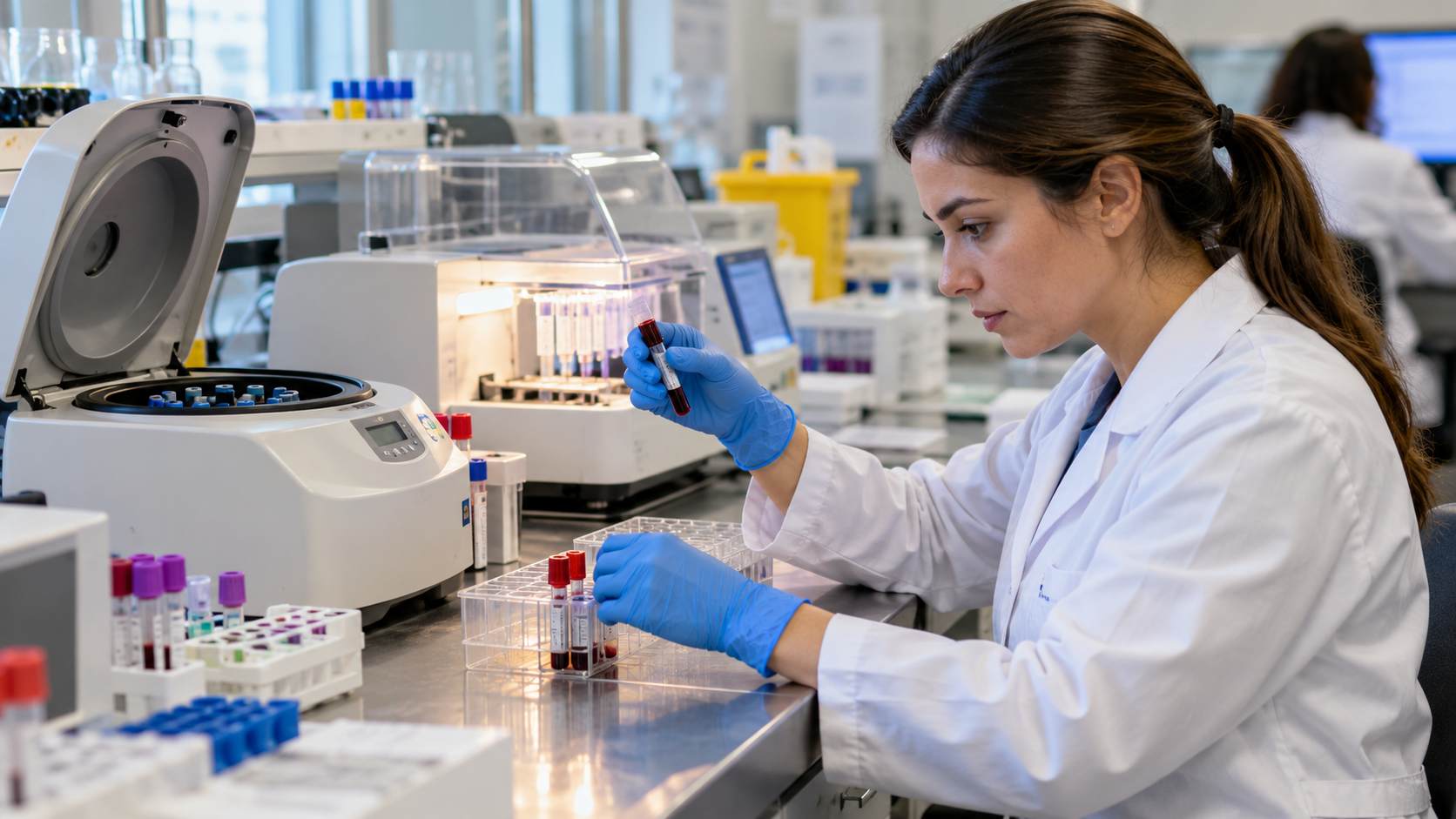
Blood-group antigens on red cells and antibodies in plasma determine whether transfused cells will circulate safely or trigger an immune reaction.
Muscle contraction begins with an electrical signal, releases calcium, and lets myosin motors pull actin filaments past one another using ATP.
Stem cells become specialized when signals change gene activity, stabilize cell identity, and guide descendants toward particular structures and functions.
Mendelian inheritance predicts certain traits by tracking discrete gene variants that segregate into gametes and combine again at fertilization.
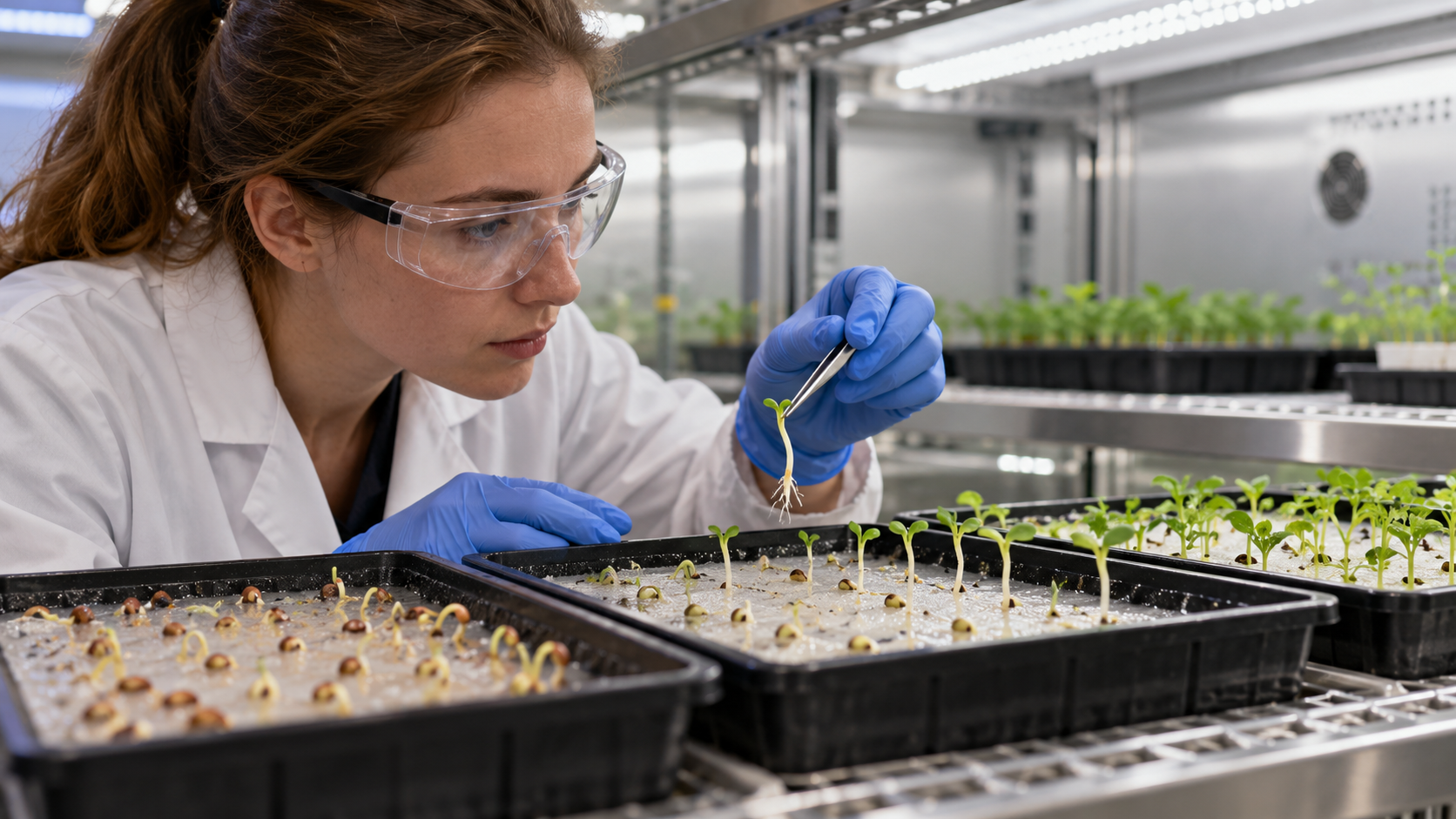
Germination begins when a viable seed absorbs water and restarts metabolism, allowing the embryo to grow beyond the protective seed coat.
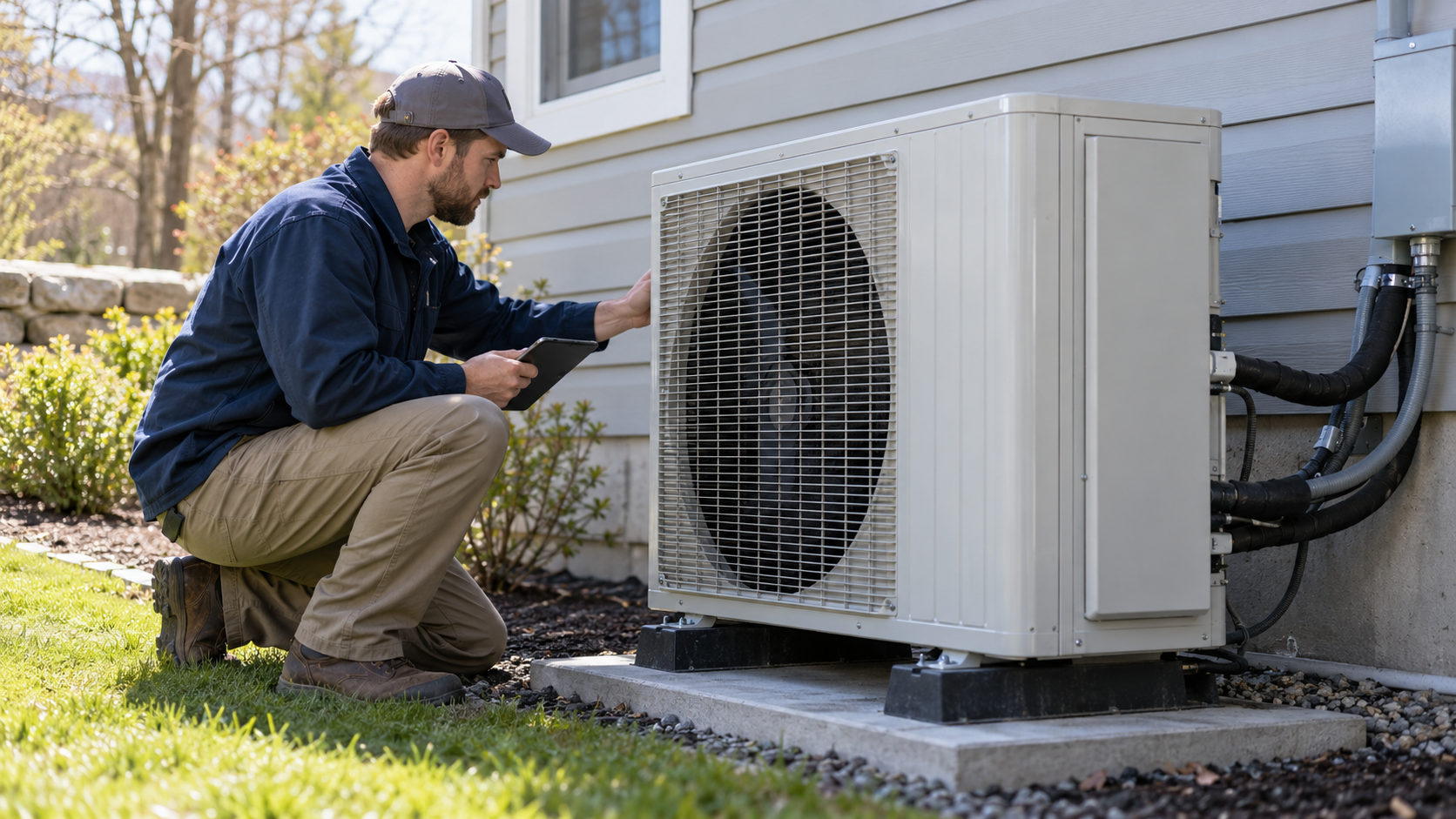
Heat pumps use a refrigerant cycle and compressor to absorb heat at a lower temperature and release it at a higher temperature.
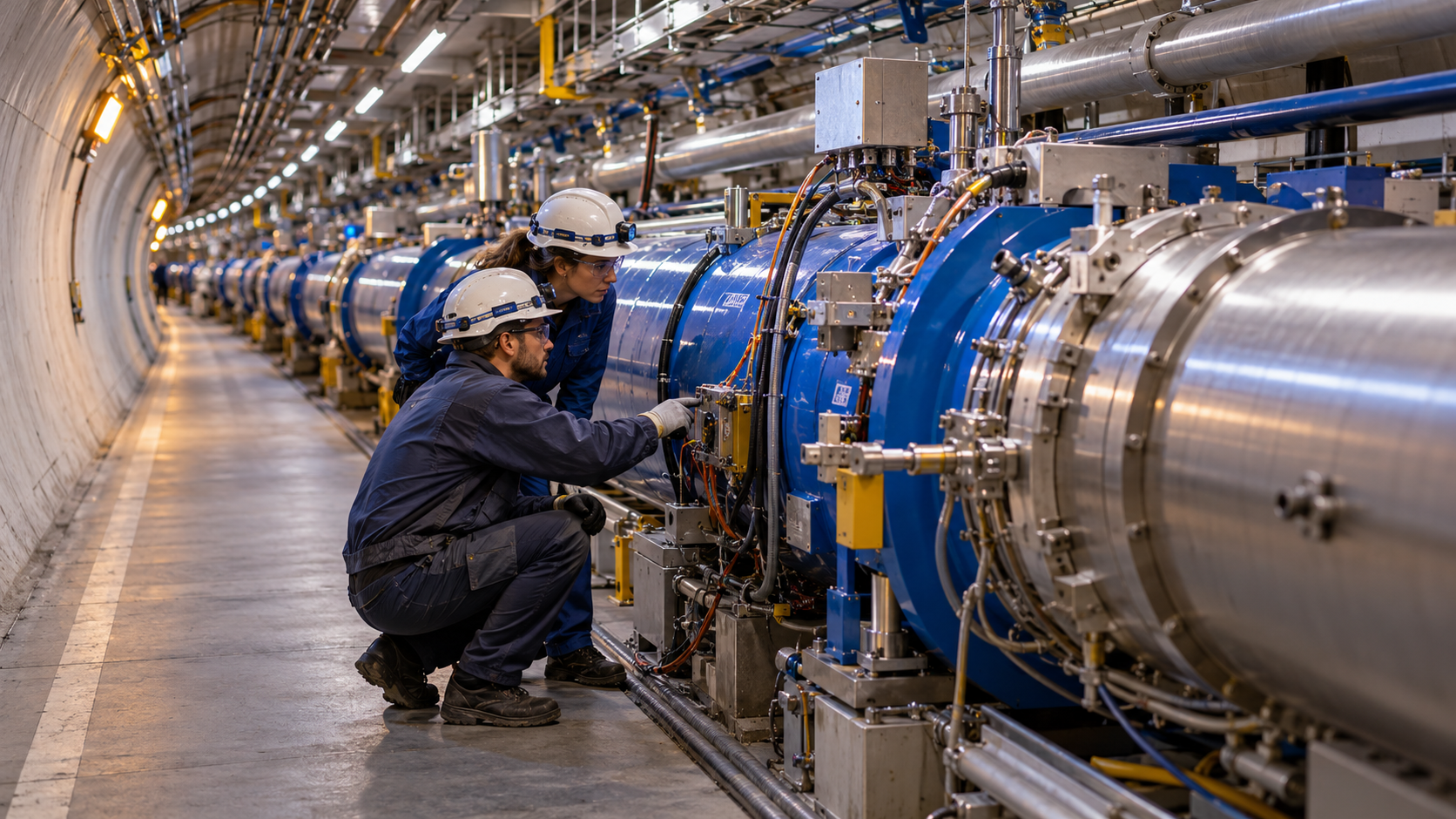
Particle accelerators use oscillating electric fields to add energy and magnets to bend, focus, and align charged-particle bunches for collisions.
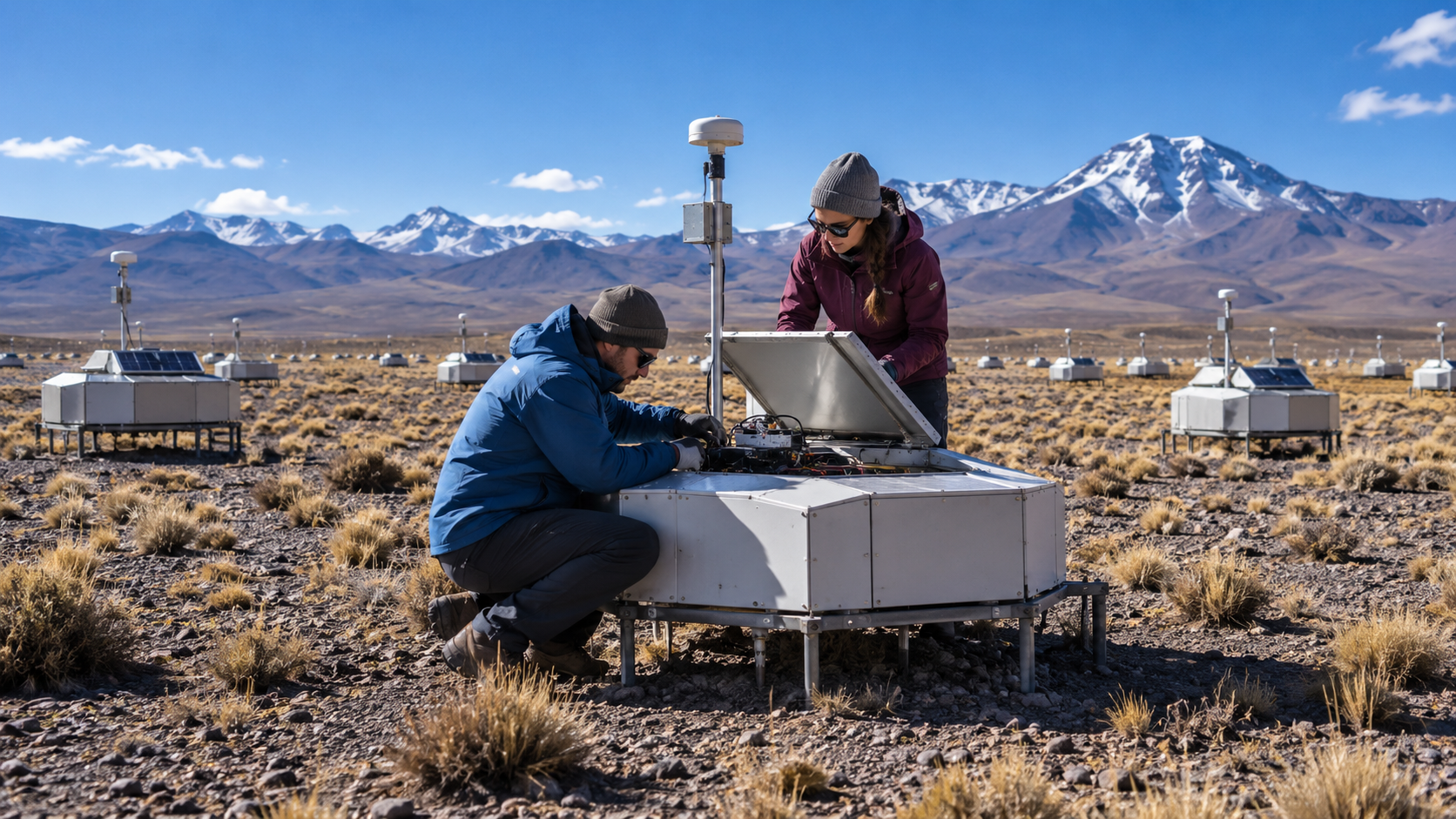
High-energy particles striking atmospheric nuclei create cascades of secondary particles that spread toward the ground as air showers.