Big Data
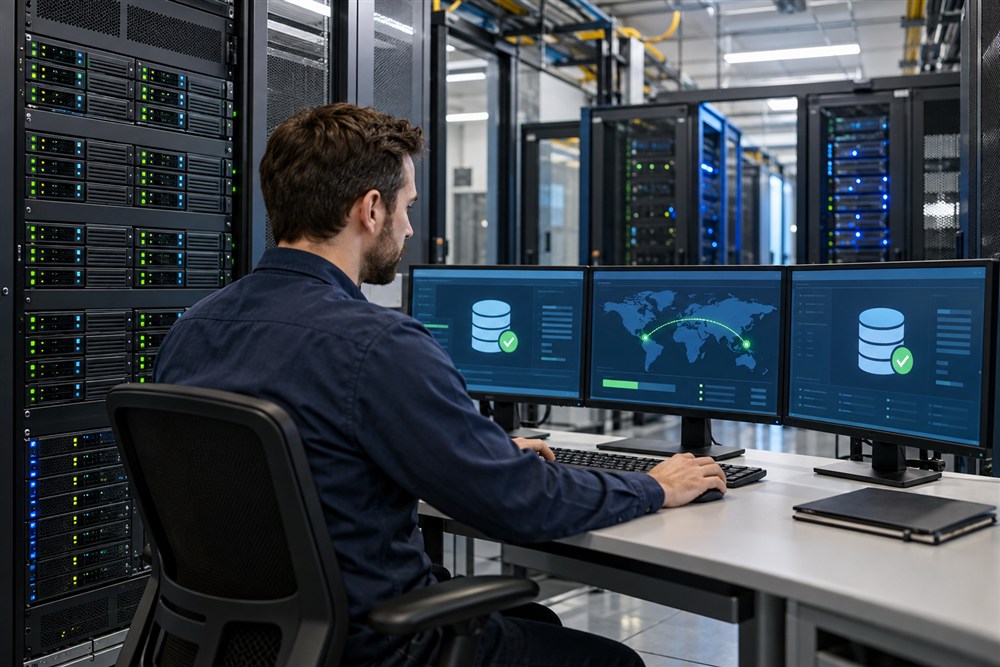
Big Data refers to the enormous volumes of digital information generated every second—and the tools and techniques used to store, process, and analyze it. It shapes modern decision-making in business, government, and daily life.

Don't Just Read it – Explore It

Ice-T says his reduced screen time on this season of “Law & Order: SVU” comes down to budgeting and cast…

Breaking Rust is a computer-generated country artist whose song “Walk My Walk” just hit No. 1 on Billboard’s Country Digital…

Loading… Key Takeaways The Top 10 cutest cat breeds blend striking physical features with warm, affectionate personalities that appeal to…

Elon Musk says artificial intelligence and advanced robotics could make traditional work optional within the next 10–20 years. Speaking at…

The founder of Yara AI, a mental-health chatbot, has shut the app down after concluding it posed unacceptable risks to…

Black Friday isn’t the blockbuster shopping event it once was. Retailers have stretched deals across weeks, foot traffic is flat,…

Mick Jagger, now 82, continues to perform with remarkable stamina thanks to a highly disciplined lifestyle centered on daily movement,…
Big Data refers to the enormous volumes of digital information generated every second—and the tools and techniques used to store, process, and analyze it. It shapes modern decision-making in business, government, and daily life.
From smartphones to electric cars and grid-scale storage, batteries quietly power modern life. Understanding how they work reveals why better, safer, and cheaper batteries are such a critical tech frontier.
Bandwidth is the digital equivalent of lane width on a highway — it determines how much data can move at once, how fast apps feel, and why networks slow down when everyone logs on at the same time.
Backup systems safeguard digital information by duplicating data and storing it securely, ensuring businesses and individuals can recover quickly after loss, corruption, or attacks.
Self-driving cars promise fewer crashes, smoother traffic, and new mobility options—but they also raise tough questions about safety, jobs, and who’s liable when software takes the wheel.
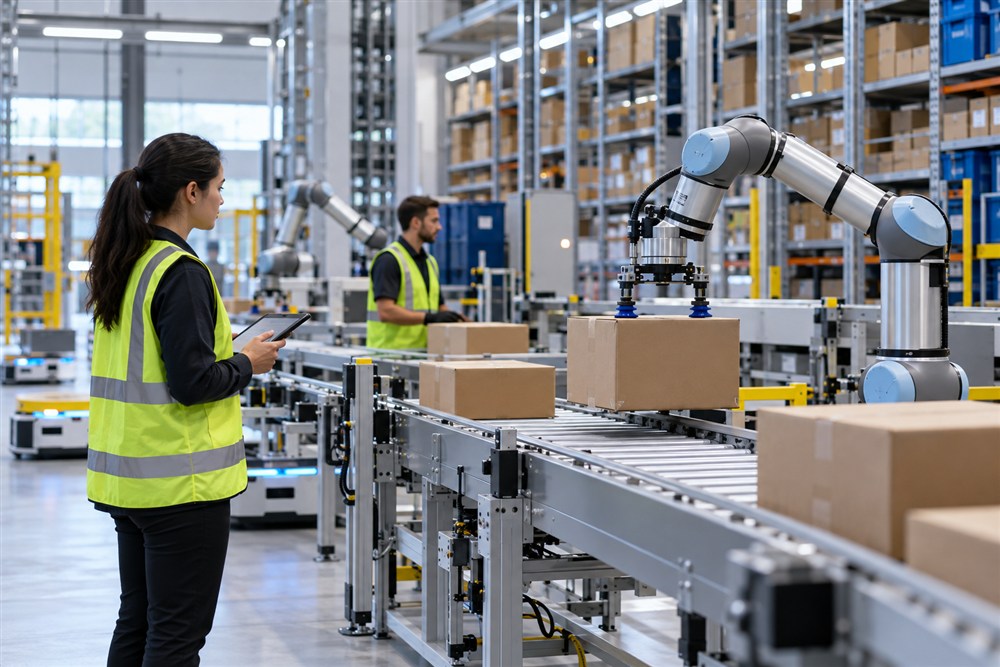
Automation uses machines and software to handle repetitive or complex tasks with minimal human input, reshaping how factories, offices, and homes operate.
Asynchronous processing lets software start work, move on, and finish tasks later. It keeps apps snappy, servers scalable, and users happy even when workloads spike.
Assistive technology helps people with disabilities interact with the world more independently — from screen readers and mobility devices to AI-powered tools that support communication and learning.
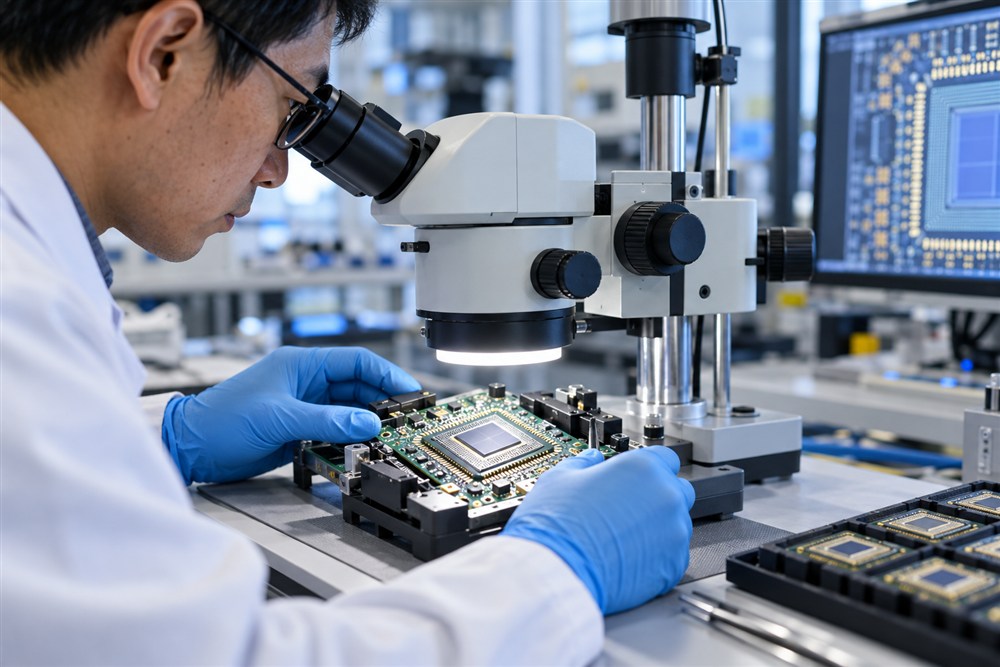
Application-specific integrated circuits (ASICs) quietly power high-speed trading, smartphones, crypto mining, and 5G gear—squeezing maximum performance out of silicon for one job only.
Artificial intelligence lets computers learn from data, spot patterns, and make decisions with less direct human instruction, powering tools from recommendation engines to translation apps and voice assistants.
Digital archiving preserves information so it can survive hardware failures, software changes, and decades of technological evolution. Here’s how archiving works and why it matters.
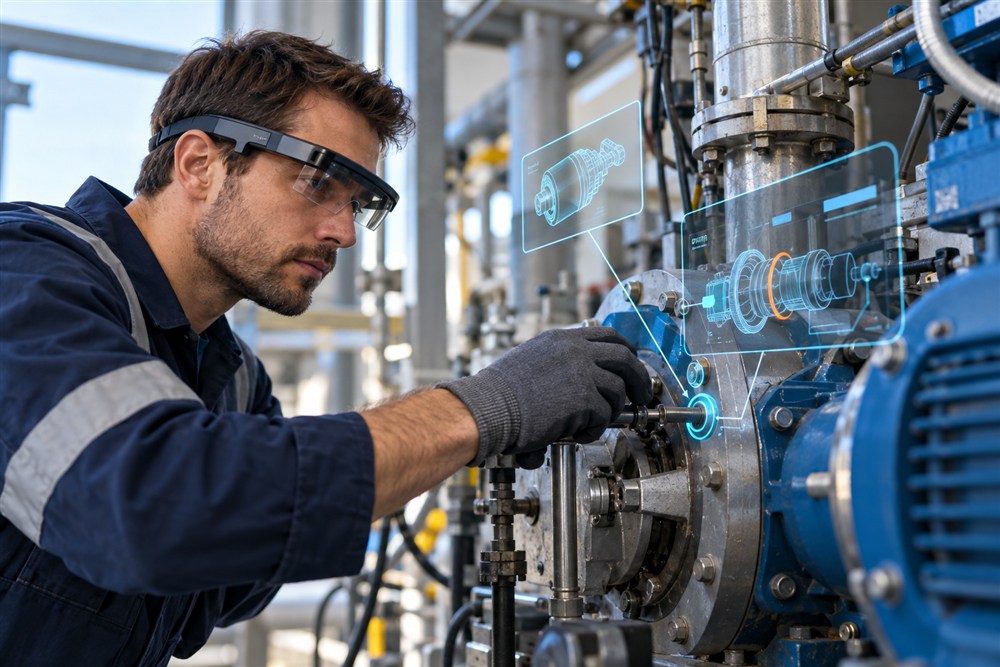
Augmented reality blends digital information with the physical world, reshaping how we interact with data, entertainment, and everyday tools.