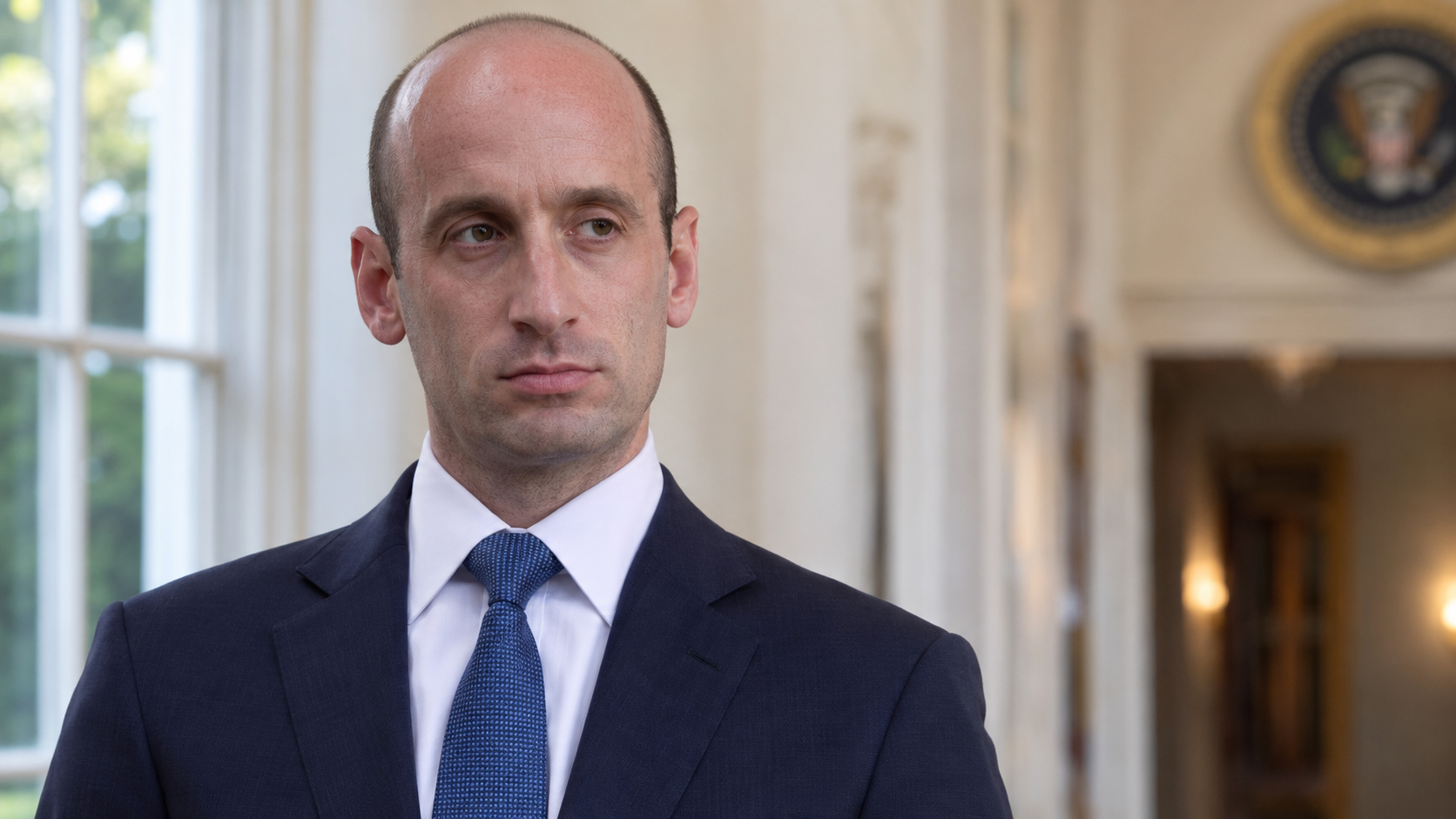
Stephen Miller to Replace Susie Wiles as White House Chief of Staff After Midterm Defeat
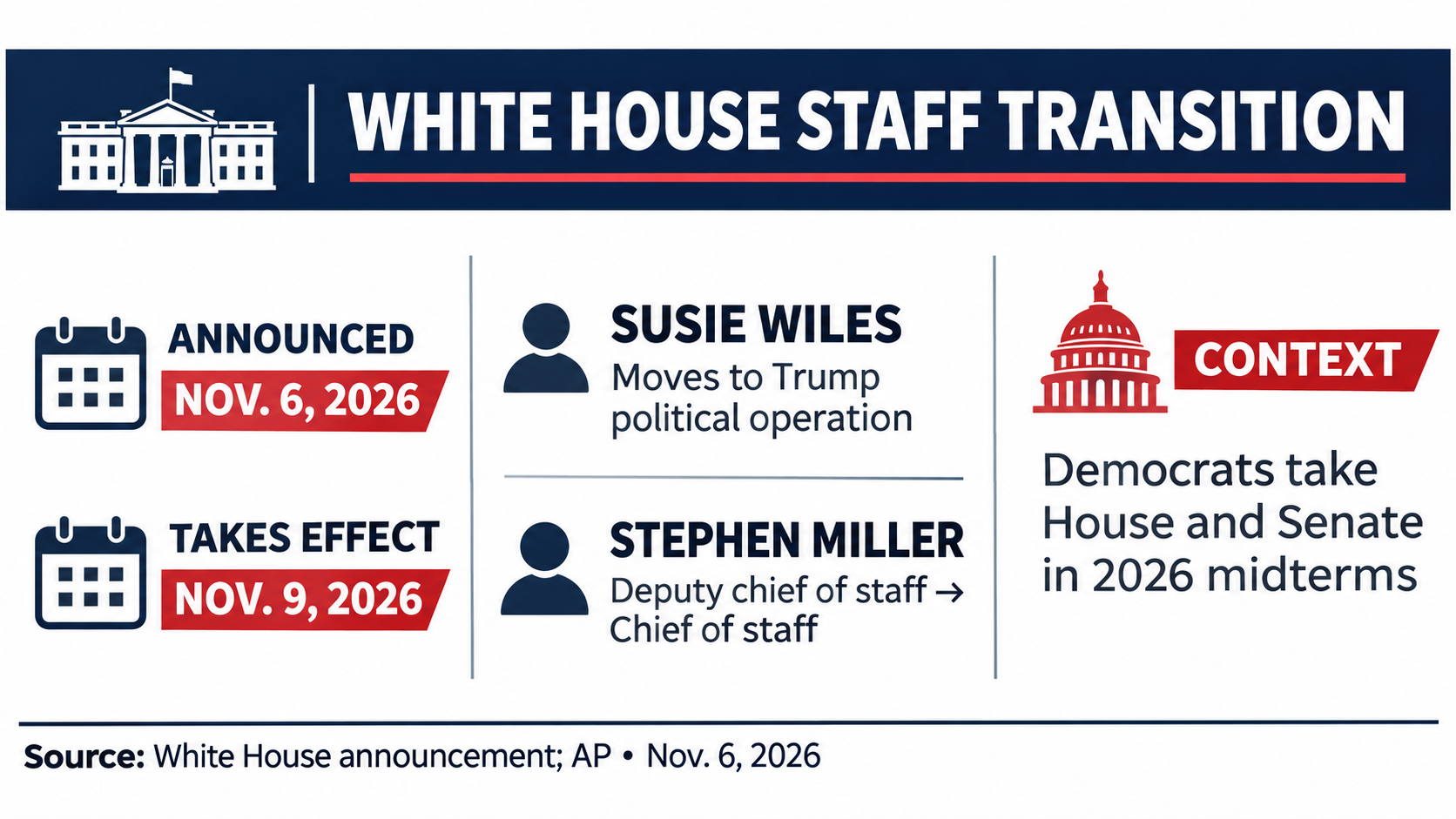
President Donald Trump announced Friday, Nov. 6, that Stephen Miller will become White House chief of staff on Monday, Nov. 9. Miller will replace Susie Wiles, who is moving to Trump’s political operation after serving as chief of staff since the administration began in January 2025.
The change places one of Trump’s longest-serving aides in charge of the White House staff at a pivotal point. Democrats won control of both the House and Senate in the 2026 midterm elections, setting up divided government when the new Congress begins Jan. 3, 2027. The current Congress remains in place until then.
The White House chief of staff manages the president’s schedule, controls access to the Oval Office, coordinates policy and communications, and oversees the Executive Office of the President. The job is a presidential staff appointment and does not require Senate confirmation.
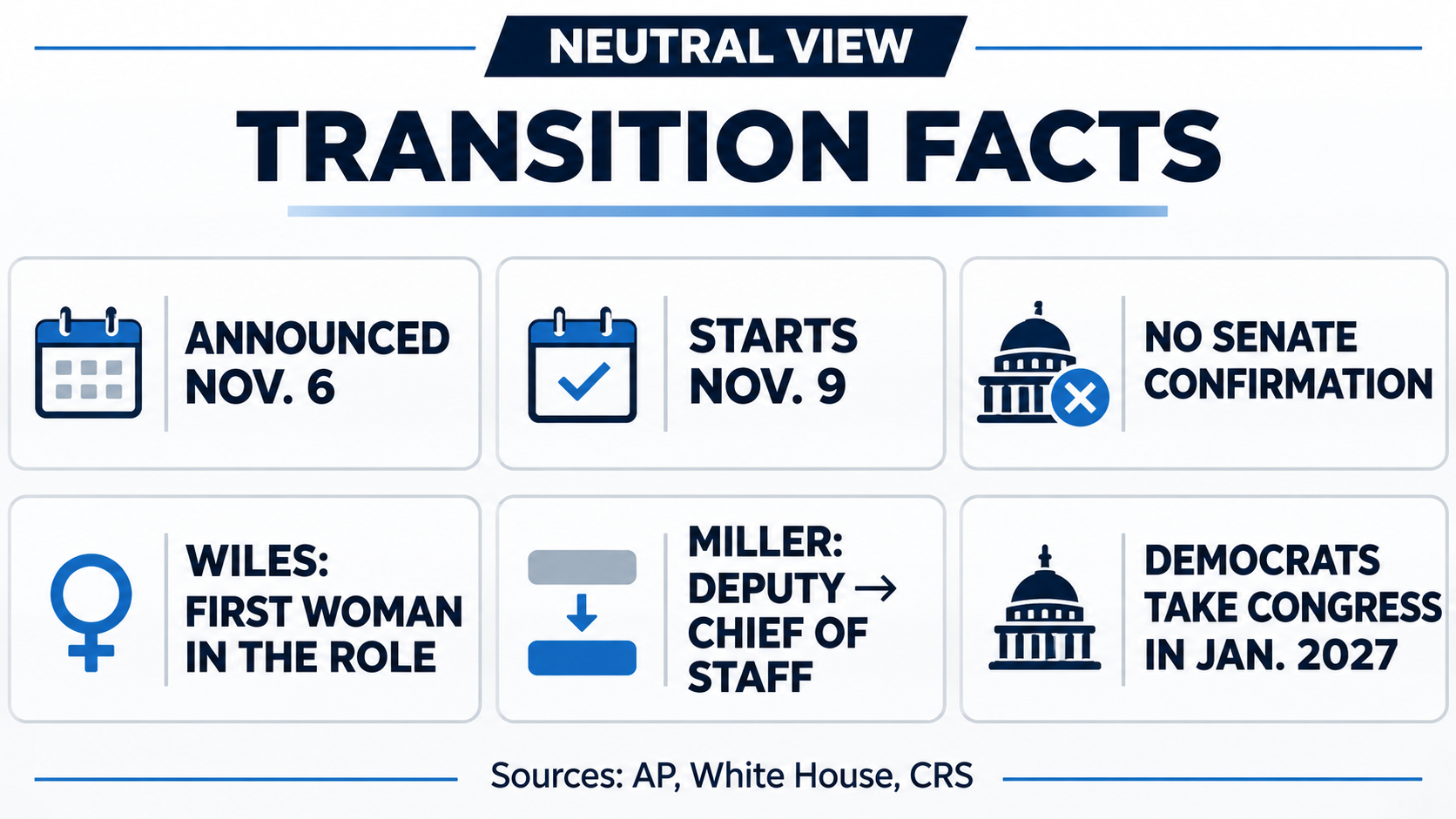
Wiles made history as the first woman to serve as White House chief of staff. A veteran Republican strategist, she co-chaired Trump’s 2024 campaign and helped manage the administration’s early political and operational agenda. Trump said she will remain involved through his political organization rather than leaving his orbit entirely.
Miller joined Trump’s 2016 presidential campaign as a speechwriter, served as a senior adviser during Trump’s first term and returned in 2025 as deputy chief of staff for policy. His portfolio has included immigration, domestic policy and administration-wide initiatives. As chief of staff, his formal responsibility broadens from shaping policy to managing the people and process around the president.
The appointment does not itself rewrite federal law or transfer statutory authority from Cabinet agencies. Changes with legal effect would still need to come through executive orders, agency rules or guidance, budget decisions, legislation, or other official actions subject to applicable review.
Near-term indicators include additional personnel changes, the pace of executive actions, the White House’s strategy for negotiating with Democratic congressional leaders, and how the administration responds to new oversight demands. Committee investigations, appropriations disputes and nomination battles could all test the new arrangement after January.
This is a developing transition. The clearest evidence of what it means will come from documented decisions and formal directives—not from the title change alone.
What the White House Chief-of-Staff Change Could Mean for the Public
A White House staff change can sound distant from daily life, but the chief of staff helps determine which issues reach the president, how quickly agencies receive direction and whether the administration communicates consistently during fast-moving events.
President Trump says Stephen Miller will take the job on Nov. 9, while Susie Wiles shifts to his political operation. The transition follows midterm victories that put Democrats on course to control both chambers of Congress beginning Jan. 3, 2027.
For communities, the practical question is not simply who holds the title. It is whether the new management structure changes priorities for immigration enforcement, disaster response, health and safety programs, grants, benefits, education funding or other services delivered by federal agencies.
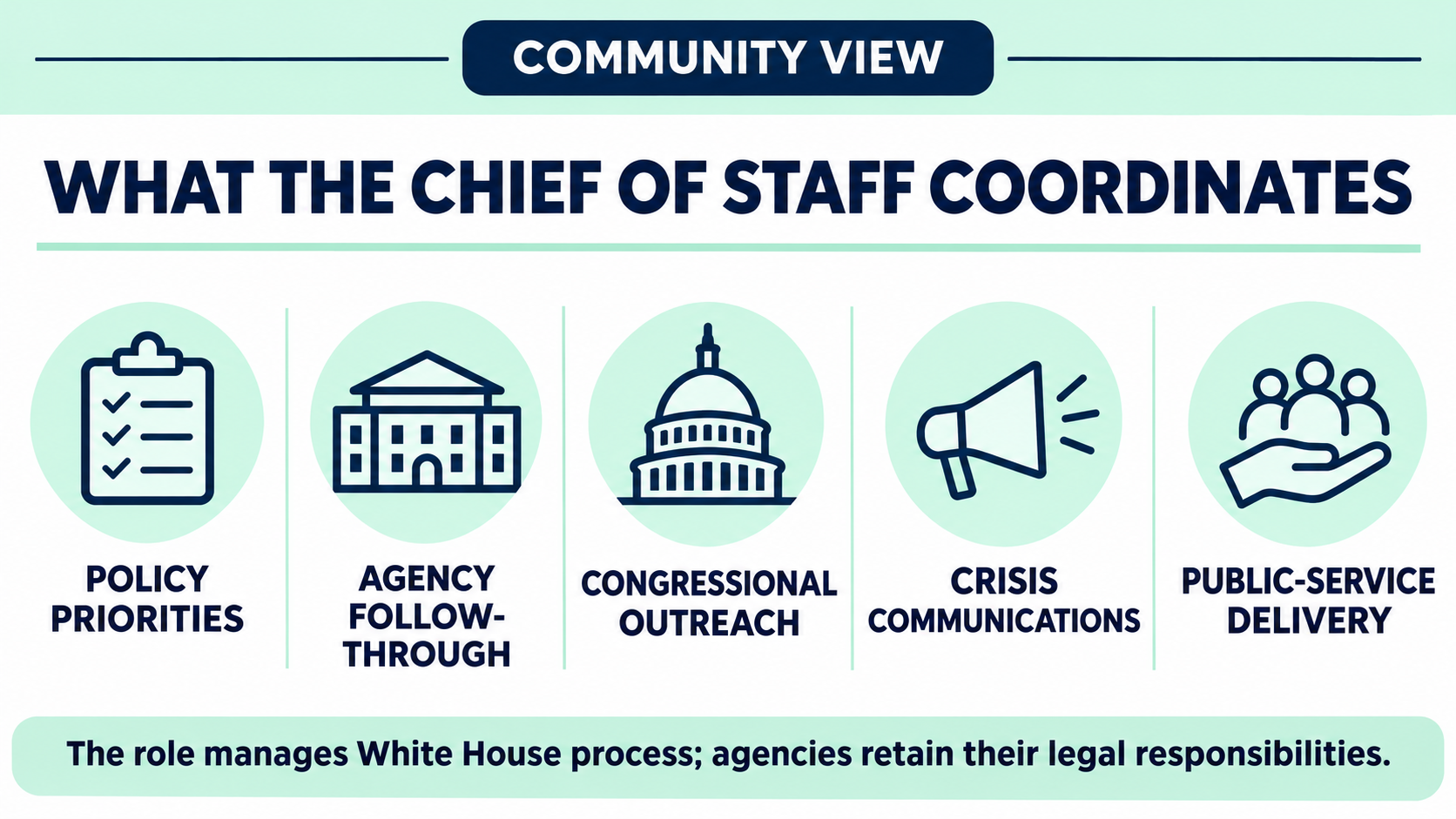
Miller has long been associated with the administration’s immigration agenda, so immigrant families, local governments and advocacy groups are likely to watch enforcement guidance closely. A personnel appointment, however, does not automatically create a new rule. Meaningful changes should appear in official orders, agency memoranda, regulations, funding instructions or enforcement statistics.
The move also changes how the White House may work with Congress. Democratic control could bring more hearings and document requests, while negotiations over spending and government operations may require regular contact between the chief of staff and congressional leaders. Local programs can be affected when those negotiations delay or reshape federal funding.
Wiles’ transfer to the president’s political organization creates another issue to watch: the boundary between government work and campaign activity. Federal records, personnel time and public resources remain governed by law and ethics rules, regardless of who coordinates the political operation.
Residents looking for concrete effects should follow agency websites, Federal Register notices, grant announcements, benefit guidance, budget proposals and congressional hearing schedules. Those records are more reliable than predictions about what any one staff appointment might produce.
Agencies, courts and Congress retain their own legal responsibilities. The chief of staff can accelerate or slow White House decision-making, but cannot by personal instruction replace the authority assigned to those institutions.
White House Transition Raises Continuity, Oversight and Process Questions
Changing a White House chief of staff is an operational transition as well as a political one. The immediate security concern is continuity: ensuring that decision channels, crisis briefings, legal review, records and lines of authority remain clear while a new manager takes control.
Stephen Miller is not new to the administration. He served as deputy chief of staff for policy and has worked with President Trump since the 2016 campaign. That experience may reduce the learning curve, but the chief-of-staff role is wider, requiring coordination across policy, communications, scheduling, personnel and congressional affairs.
The chief of staff does not replace the national security adviser, Cabinet secretaries or military chain of command. The office can still influence how quickly information reaches the president and how competing recommendations are organized, making process discipline important during emergencies.
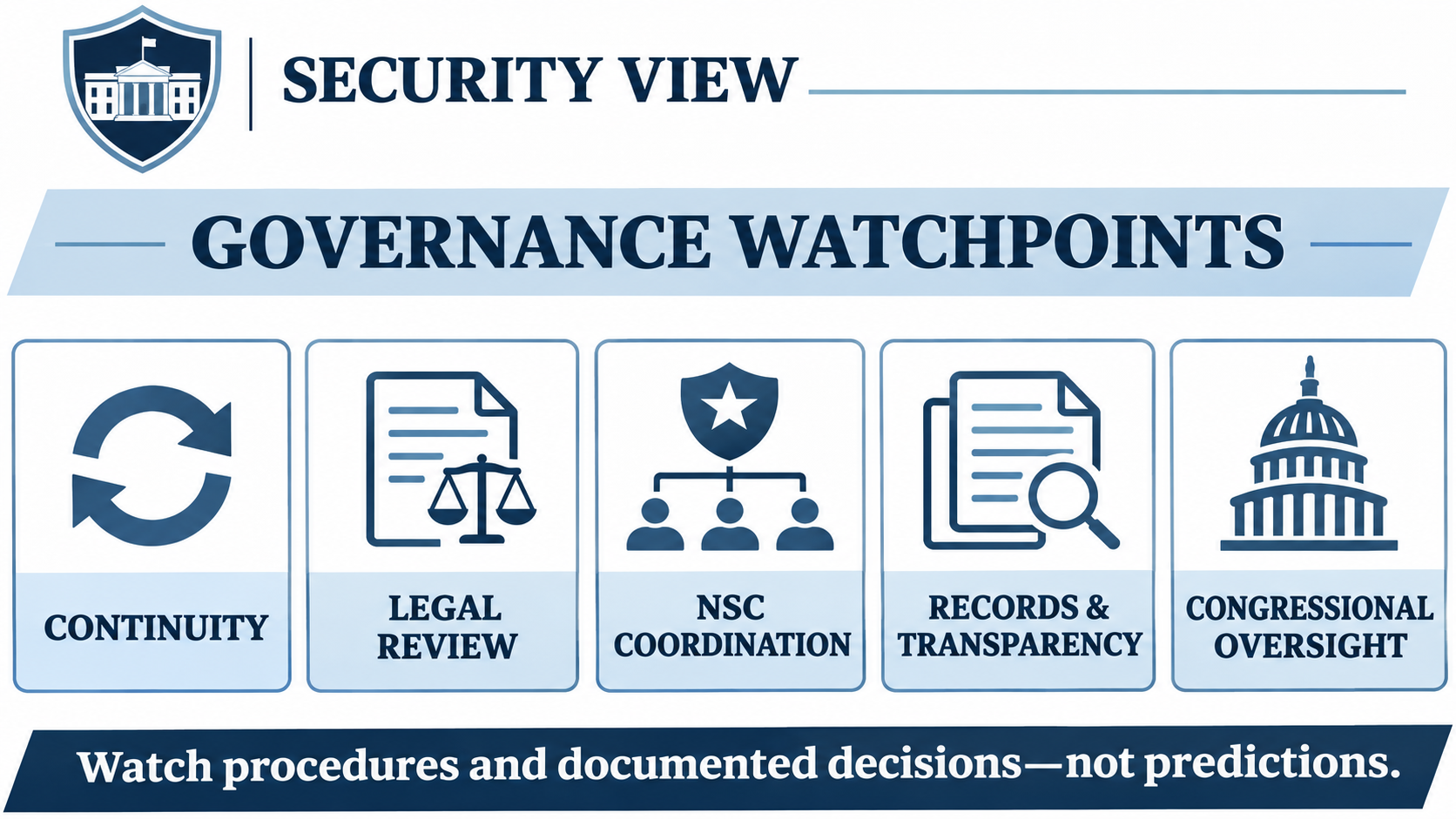
Legal review is another checkpoint. A staff leader may press for faster action, but orders involving immigration, spending, national security or agency powers still require proper documentation and review. Courts and Congress may examine whether the government followed applicable statutes and procedures.
Records and transparency matter because Wiles is moving from an official government role to the president’s political operation. Communications between those spheres must preserve required federal records and maintain lawful separation between public resources and campaign activity.
Congressional oversight is poised to intensify once Democrats take control of the House and Senate in January. Committees can call hearings, request records, question officials and use appropriations to test administration priorities. The White House’s response will reveal whether the new operation favors accommodation, confrontation or a mixture of both.
Other practical watchpoints include staff turnover, delegation of duties, emergency communication protocols and coordination with agencies. None proves a security problem on its own; the question is whether documented procedures remain stable and accountable.
The transition should therefore be judged by observable performance: clear chains of responsibility, timely briefings, complete records, lawful orders and effective cooperation during crises.

Explore Related Streets
Discover interconnected perspectives across the Knowledge Streets —each Street brings its own lens to the news landscape.

Robot Streets
Robot Streets explores AI systems, humanoid machines, automation breakthroughs, and how robotics is reshaping work, industry, daily life, and the global economy.

AI Streets
AI Streets explores artificial intelligence breakthroughs, everyday tools, emerging risks, practical guides, and how AI reshapes business, creativity, work, and society.

AI Home Street
AI Home Street explores how smart tech transforms everyday living—security, cleaning, cooking, automation, voice assistants, and practical tools that make modern homes easier and more connected.

AIMakeMyDay
Your daily boost of AI-powered ideas—fun prompts, creative tools, and smart shortcuts designed to entertain, inspire, and make everyday life easier.

Nova Streets
Nova Streets explores everyday software from a user’s point of view—productivity tools, creative apps, business platforms, and more. We break things down with clear, hands-on insights, no jargon, and practical guidance that helps beginners and pros make smarter software choices..

AI Business Street
AI Business Street reports on automation, productivity tools, AI startups, enterprise adoption, market disruption, regulations, and how artificial intelligence is reshaping the global economy.
More in News





Explore our other News related sites:
AIMakeMyDay
AI Business Street
AI Education Street
AI Health Street
AI Home Street
AI Streets
Politics Street
Government Streets
Constitution Street
Defense Street
News Street Network