

On This Day in News: February 8, 1968
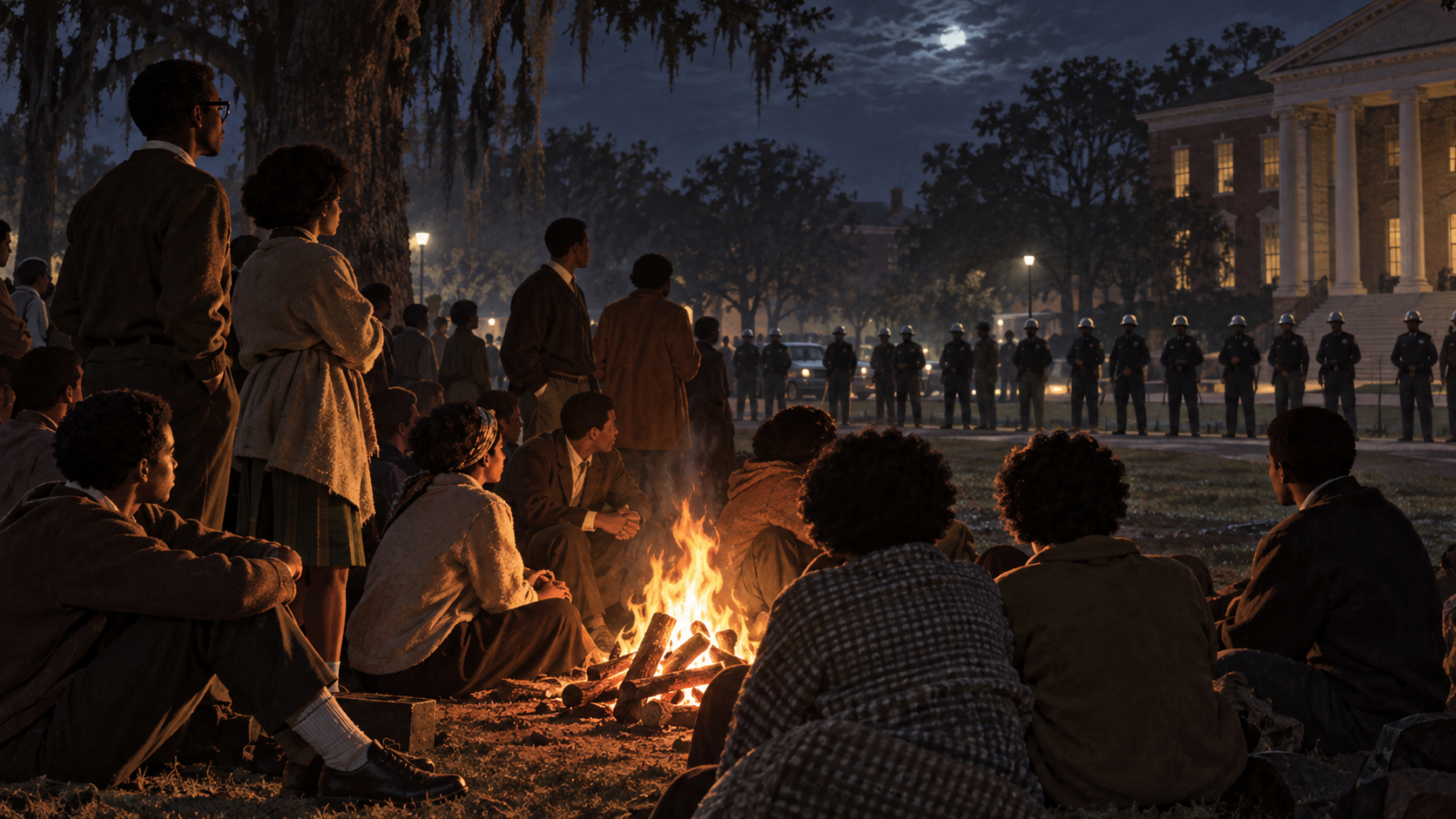
On the night of February 8, 1968, South Carolina Highway Patrol officers opened fire on Black students near the campus of South Carolina State College in Orangeburg. Three young men were killed: Samuel Hammond Jr., Henry Smith, and Delano Middleton, a high school student. More than two dozen people were wounded. Most were struck in the back or side as the crowd scattered, making the event one of the deadliest confrontations of the civil-rights era on an American college campus.
The violence followed several days of protest against racial segregation at the All Star Bowling Lanes. Students from South Carolina State and nearby Claflin College sought equal access to the privately owned business. Tensions rose after earlier clashes with law enforcement. On February 8, students gathered around a bonfire near campus. An officer was struck by a piece of railing, and patrolmen later said they believed they were under attack, although no firearm was recovered from the students at the scene.
Officers fired shotguns loaded with buckshot into the crowd. The wounded received treatment amid confusion and fear. Authorities initially issued misleading accounts suggesting an exchange of gunfire. A federal trial charged nine patrolmen with depriving demonstrators of civil rights, but all were acquitted. Cleveland Sellers, a civil-rights organizer, was convicted on a riot charge and served time before receiving a pardon years later. No officer was criminally held responsible for the deaths.
The Orangeburg Massacre received far less national attention than later campus shootings, in part because it occurred during a crowded news cycle and involved Black students in the segregated South. Public remembrance has grown through memorials, scholarship, and annual ceremonies. The event exposes how unequal policing, inaccurate official narratives, and limited accountability shaped the civil-rights struggle. It also reminds historians that major national change was contested not only in famous marches and courtrooms but in local businesses, campuses, and streets.
The immediate dispute concerned a segregated bowling alley, but students were challenging a broader system of unequal public accommodation.
South Carolina State and Claflin were historically Black colleges whose students played active roles in local civil-rights organizing.
The gunfire lasted only seconds, yet buckshot caused deaths and widespread injuries among people moving away from the officers.
Early official statements framed students as armed aggressors, a claim that shaped initial coverage despite the absence of recovered student firearms.
Legal proceedings produced no convictions of the patrolmen, while organizer Cleveland Sellers carried a riot conviction until his later pardon.
Continuing commemoration seeks to restore the victims' names and place Orangeburg within the national history of protest and state violence.
Explore more of "On This Day ..."
Discover more events from the same date across news, politics, technology, sports, and other fields. Each link highlights significant moments that shaped history on different fronts.