

On This Day in News: February 24, 2022
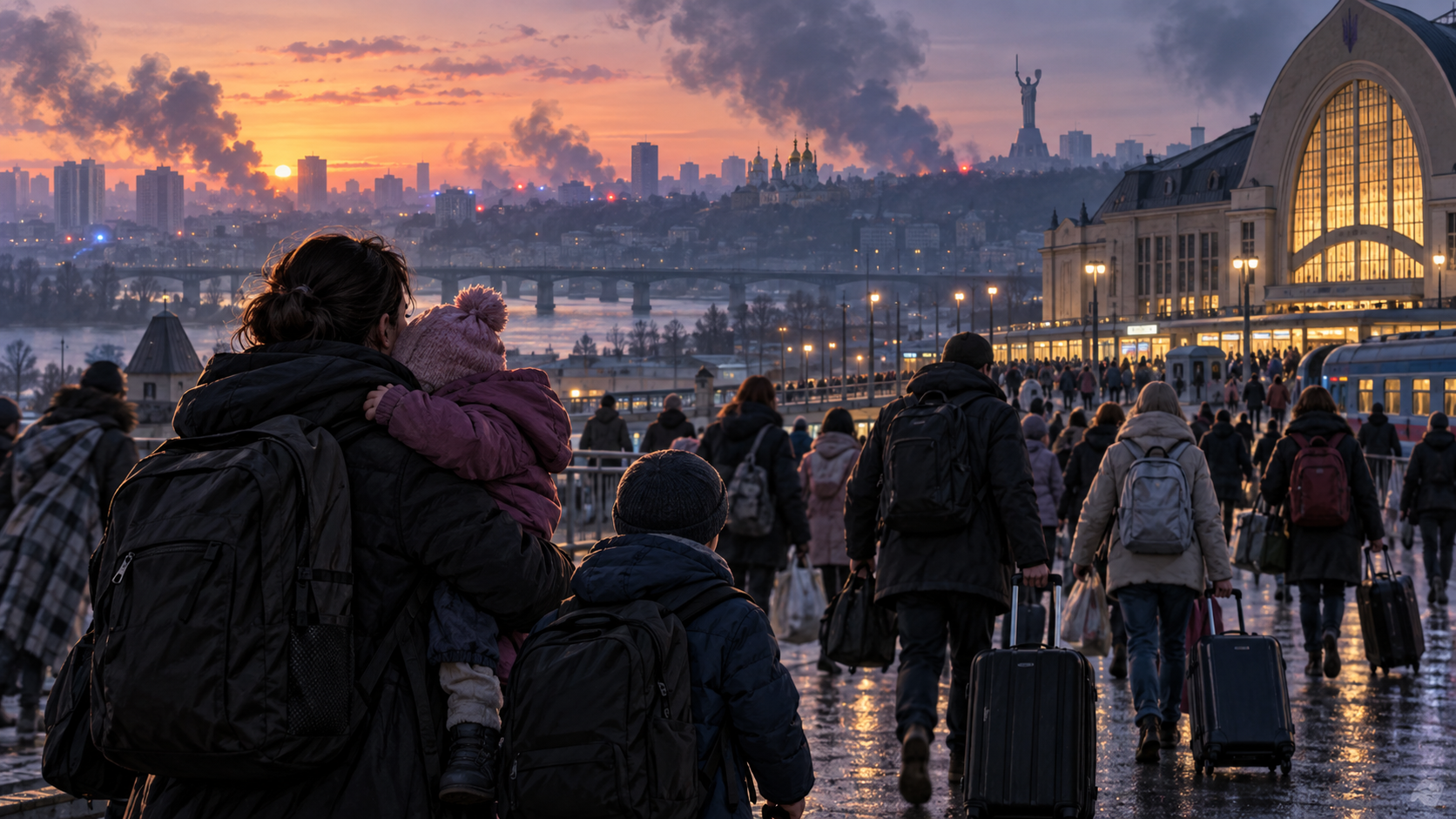
On February 24, 2022, Russia launched a full-scale invasion of Ukraine. President Vladimir Putin announced what he called a special military operation, and missiles struck targets across the country as forces entered from Russia, occupied Crimea, and Belarus. Columns advanced toward Kyiv while attacks opened fronts in the east and south. Millions of Ukrainians woke to explosions, emergency messages, and the immediate choice to shelter, fight, or flee.
The invasion followed Russia's 2014 seizure of Crimea and support for separatist forces in the Donbas. Months of military buildup around Ukraine preceded the attack, despite diplomatic efforts and Russian denials that an invasion was planned. Putin challenged Ukraine's sovereignty and cited security claims rejected by Ukraine and most governments. The United Nations General Assembly later condemned the invasion by a large majority.
Russian plans for a rapid seizure of Kyiv failed amid Ukrainian resistance, logistical problems, and international support for Ukraine. Russia withdrew from northern areas but expanded operations in the east and south. Investigators documented atrocities in occupied communities, while strikes damaged homes, energy systems, hospitals, and cultural sites. The war displaced millions and disrupted food, energy, and commodity markets far beyond the region.
The invasion transformed European security. NATO members increased defense spending, Finland and Sweden moved toward membership, and governments imposed broad sanctions on Russia while supplying Ukraine with weapons and financial aid. The war's course and diplomacy continue to change, but February 24 remains the defining date when a regional conflict became a full-scale interstate war. Its legacy is measured in lives lost, communities destroyed, and a long struggle over sovereignty and international order.
The invasion did not begin a conflict from nothing; it expanded a war rooted in Russia's 2014 actions in Crimea and the Donbas.
Warnings based on satellite imagery and intelligence increased before the attack, while diplomatic talks failed to reverse the military buildup.
Ukraine's government remained in Kyiv and organized resistance, undermining expectations of a rapid Russian political victory.
Civilian harm, displacement, occupation, and infrastructure attacks created consequences far beyond changes on military maps.
The war reordered European alliances, sanctions policy, energy planning, defense production, and debates over deterrence.
Any account of the conflict must distinguish verified events from propaganda and recognize that later developments do not change who initiated the invasion.
Explore more of "On This Day ..."
Discover more events from the same date across news, politics, technology, sports, and other fields. Each link highlights significant moments that shaped history on different fronts.