

On This Day in Tech: December 20, 1951
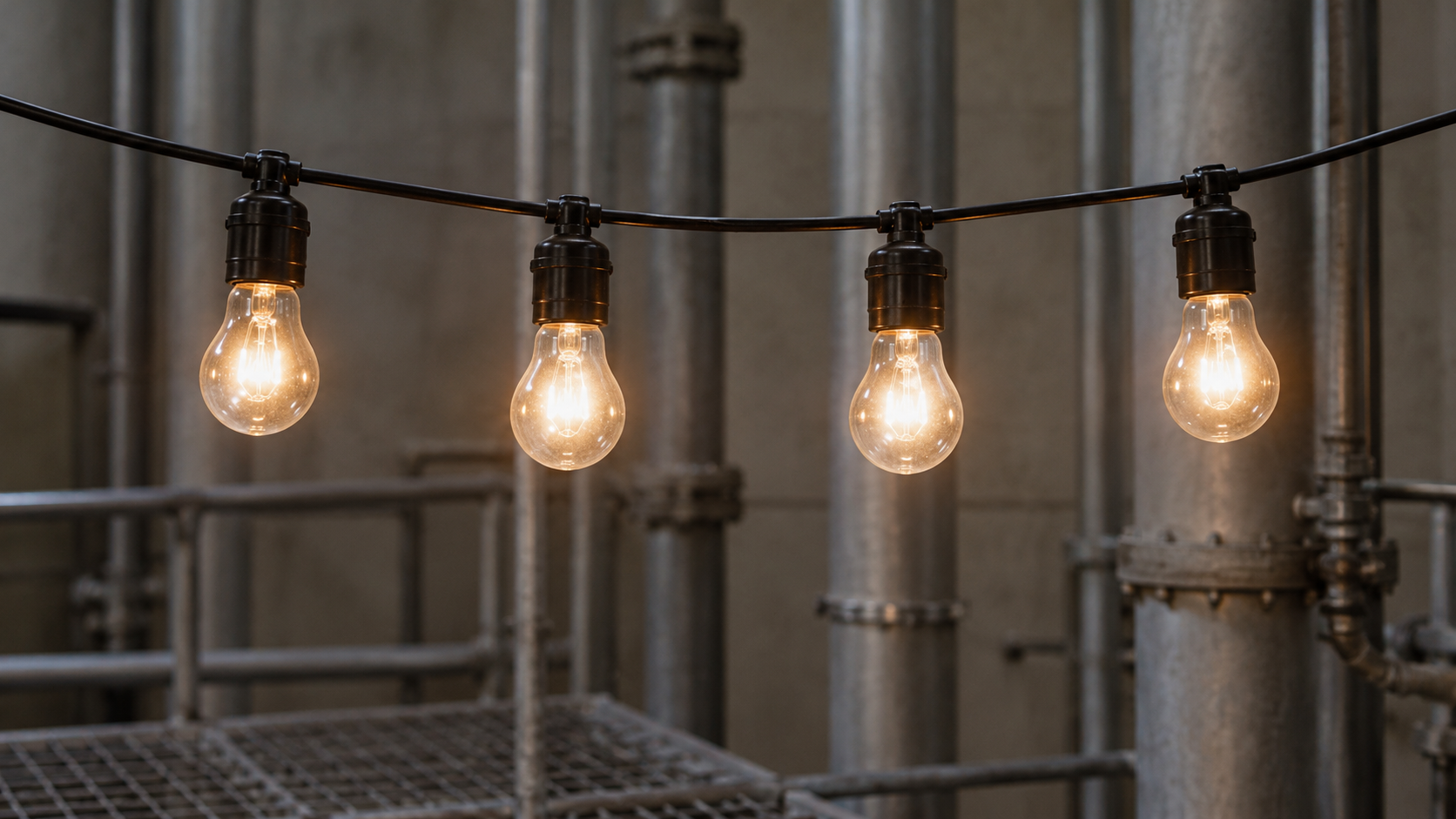
On December 20, 1951, Experimental Breeder Reactor I in southeastern Idaho generated electricity that illuminated four lightbulbs. Designed, built, and operated by Argonne National Laboratory at the National Reactor Testing Station, EBR-I connected a nuclear reactor with equipment that converted heat into usable electrical power. Walter Zinn led the reactor’s development. The modest load made a major technical achievement visible through a familiar object: an electric lamp. This was not the first controlled nuclear chain reaction, which had occurred in Chicago in 1942, and it was not the beginning of electricity service for a nearby town.
The reactor was part of an experimental program investigating a different approach to using nuclear fuel. It was a fast reactor cooled by liquid metal, rather than a commercial power station delivering a large output to a public grid. Its broader purpose included testing the breeder concept, in which reactor operation could create additional usable fuel. That fuel-development objective and the electricity demonstration were connected parts of the program but not identical achievements on one afternoon. Later announcements about breeding results should not be projected backward into a claim that the four illuminated bulbs proved every intended feature at once.
Producing electricity required an engineered conversion chain. Nuclear fission supplied heat, the cooling and heat-transfer systems moved that energy, and a turbine-generator arrangement produced electrical output. The bulbs provided a small and immediately recognizable load. A sustained chain reaction by itself would not establish that all these systems could operate together, which is why the electrical demonstration mattered. Output increased the following day sufficiently to power the building’s own equipment. The December 20 event should therefore be described at its actual scale, without turning a test load into a claim of full commercial generation or a town-wide supply.
EBR-I continued as an experimental facility, with later work examining fuel, reactor behavior, and operating characteristics. Its history also included technical difficulties, illustrating that an early successful demonstration did not eliminate the need for safety analysis, maintenance, and further testing. The preserved facility eventually became a historic landmark and museum. The anniversary is useful because it separates a powerful scientific principle from the practical machinery needed to make it useful. December 20 marks a working link between nuclear heat and electricity, while the subsequent development of nuclear power involved much larger questions of materials, reliability, cost, waste management, and safe operation. Four lamps could demonstrate a capability; they could not settle all the engineering and public decisions that followed.
The four bulbs were a demonstration load in an experimental building. They did not represent electricity delivered to Arco or the first operation of a commercial power grid.
Argonne developed and operated EBR-I in Idaho. The laboratory's institutional name should not be mistaken for a claim that this reactor stood at the Illinois campus.
Electricity generation required heat transfer and a generator as well as the reactor itself. The visible lamps were the final part of a longer energy-conversion chain.
Authoritative retrospectives disagree about the bulbs' individual wattage, so this article avoids assigning a precise rating. Their number and the December 20 date are consistently documented.
The breeder research program had milestones beyond the first electrical output. The later demonstration of breeding should be kept chronologically distinct from lighting the lamps.
Preserving the facility helps explain the difference between a proof of capability and a mature power system. The site documents both pioneering equipment and the experimental work that followed.
Explore more of "On This Day ..."
Discover more events from the same date across news, politics, technology, sports, and other fields. Each link highlights significant moments that shaped history on different fronts.