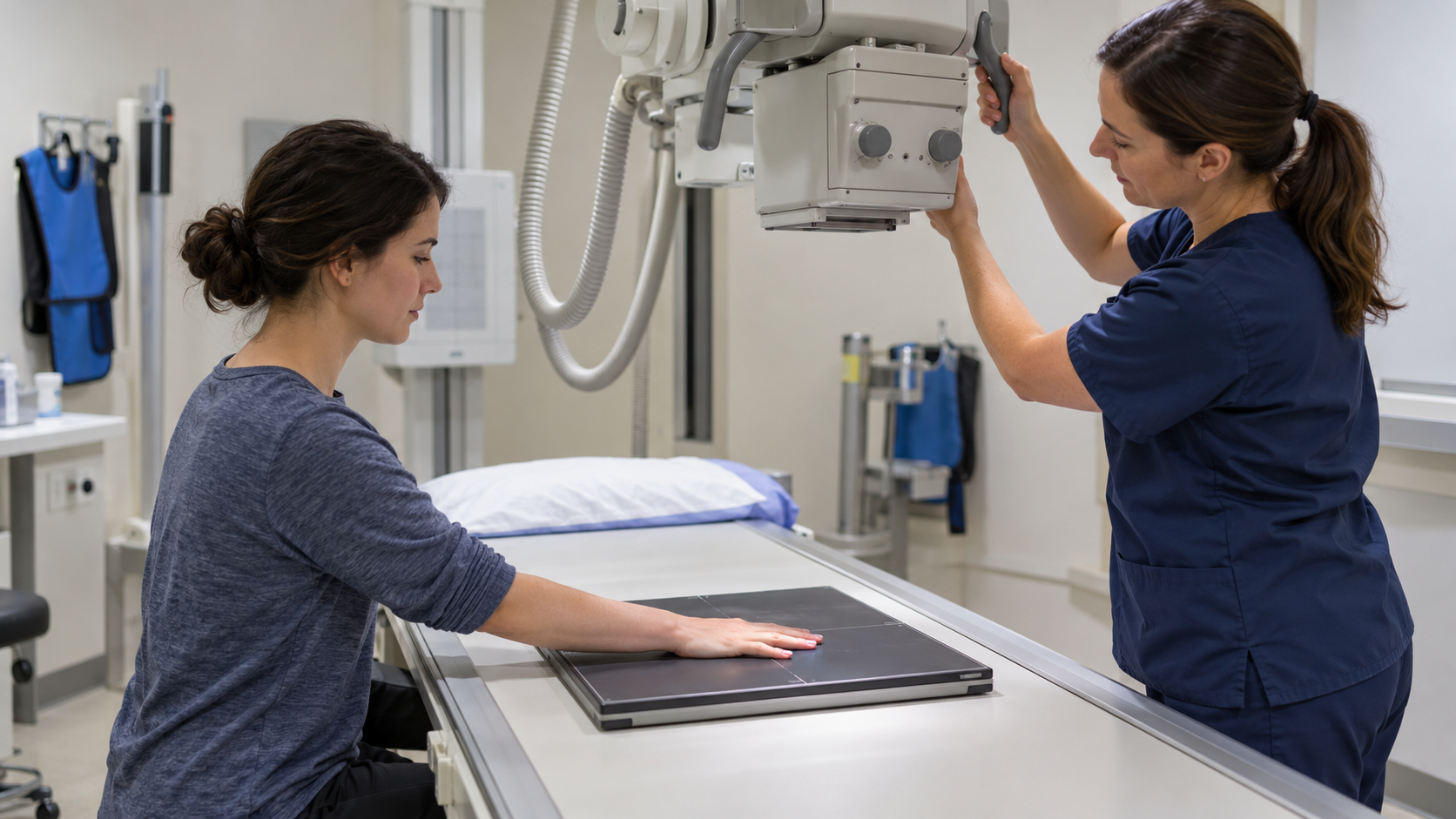
X-rays
X-rays use radiation to create images inside the body. Learn what they show, how an examination works and how benefits and risks are balanced.

Don't Just Read it – Explore It
X-rays use radiation to create images inside the body. Learn what they show, how an examination works and how benefits and risks are balanced.
Vitamin B12 deficiency can affect blood cells and nerves. Learn why it happens, how it is assessed and why treatment depends on the cause.
Zinc supports growth, wound healing and immune function. Learn about food sources, deficiency assessment and why excess supplements can be harmful.
Dental fillings repair teeth damaged by decay. Learn how materials are chosen, why fillings need follow-up and what helps prevent further cavities.
Appendicitis needs urgent medical assessment. Learn about warning symptoms, diagnostic tests, treatment options and why delay can be dangerous.
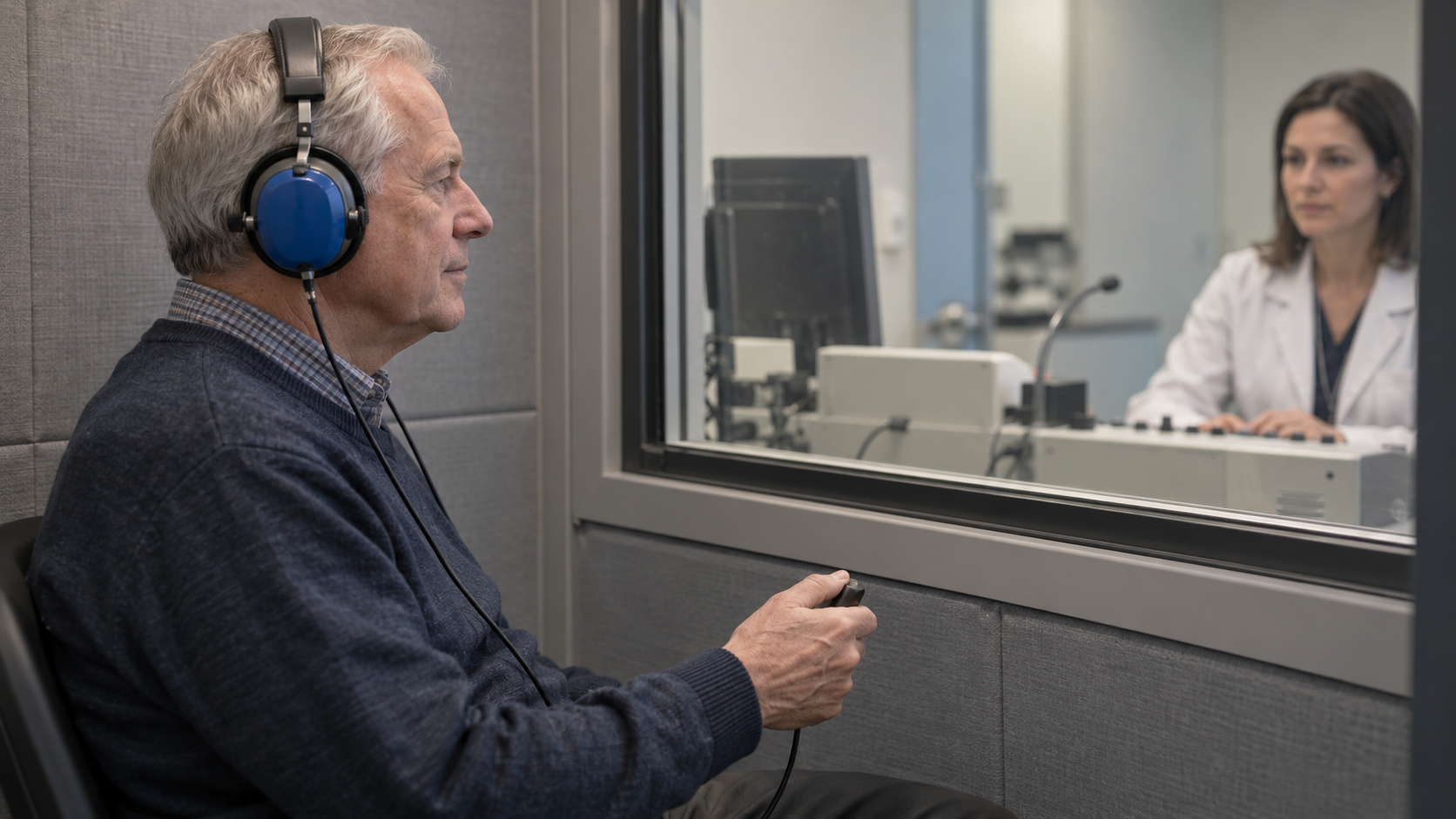
Audiometry measures hearing at different pitches and volumes. Learn how hearing tests work, what results mean and when hearing loss is urgent.
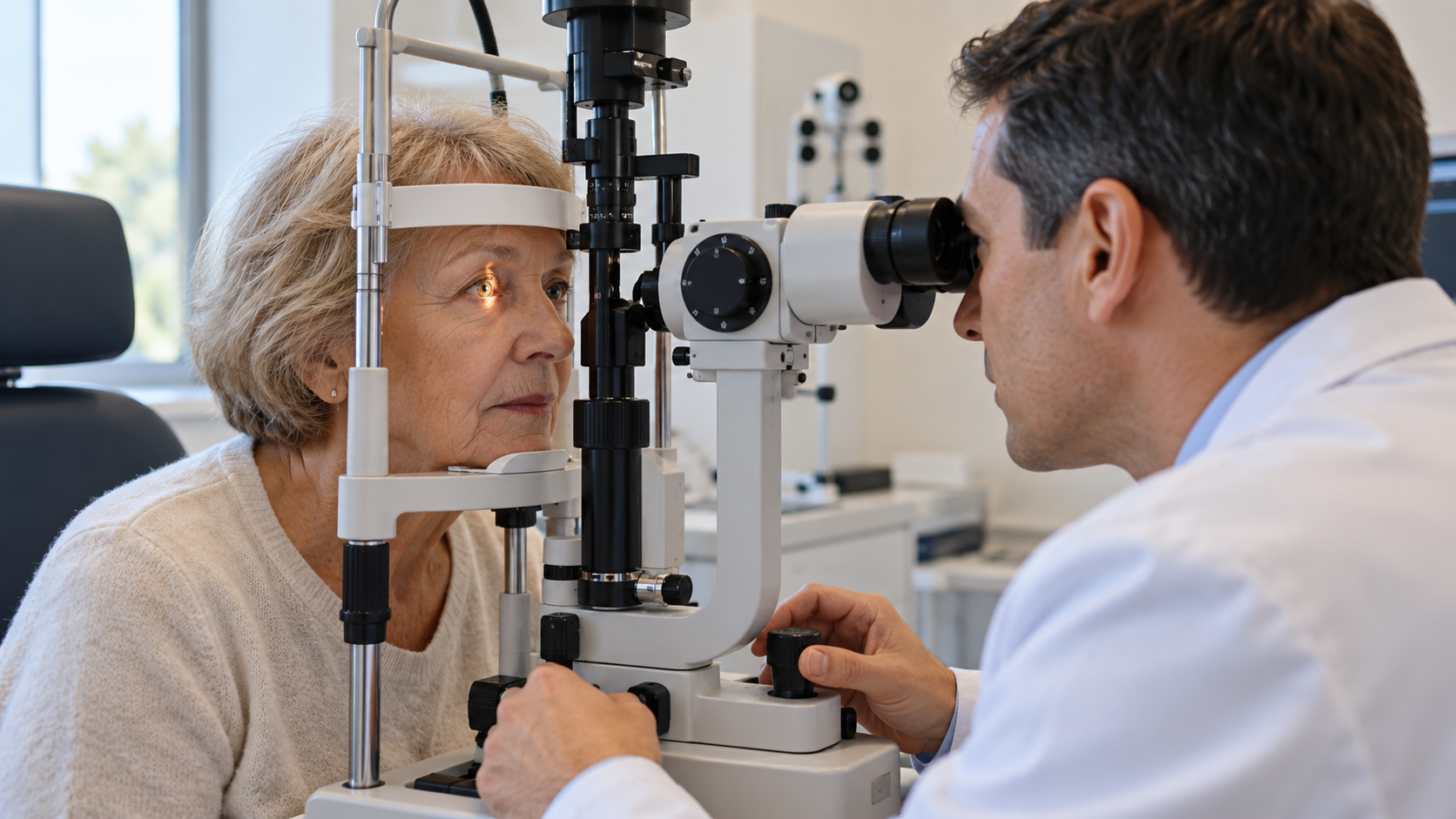
Cataracts cloud the eye’s lens and can affect reading, glare and night vision. Learn about assessment, surgery decisions and follow-up care.
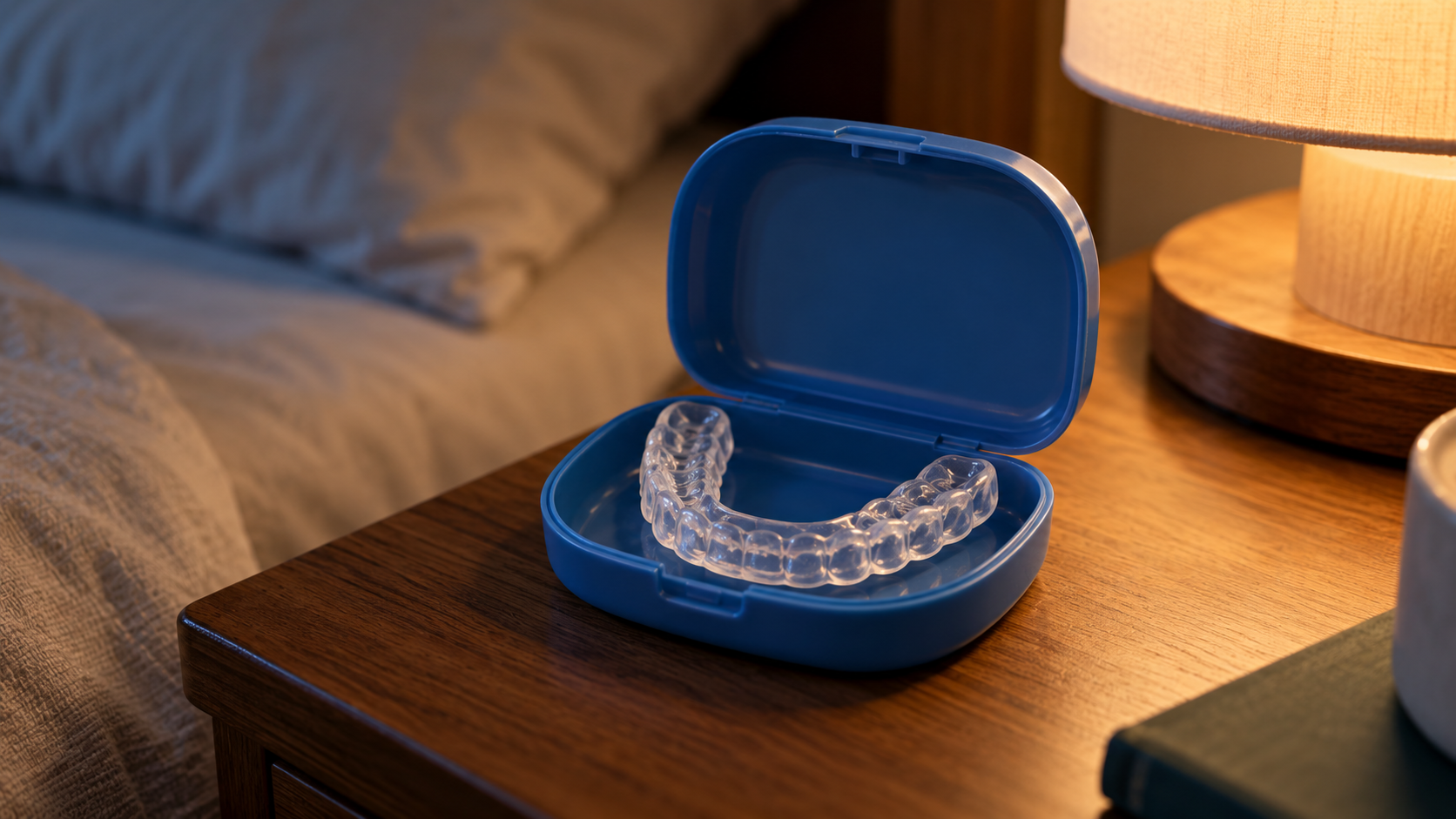
Bruxism is teeth grinding or jaw clenching during sleep or waking hours. Learn its signs, how dentists assess it and what a nightguard can do.
Atrial fibrillation causes an irregular heart rhythm and can raise stroke risk. Learn how it is diagnosed and why treatment has several goals.
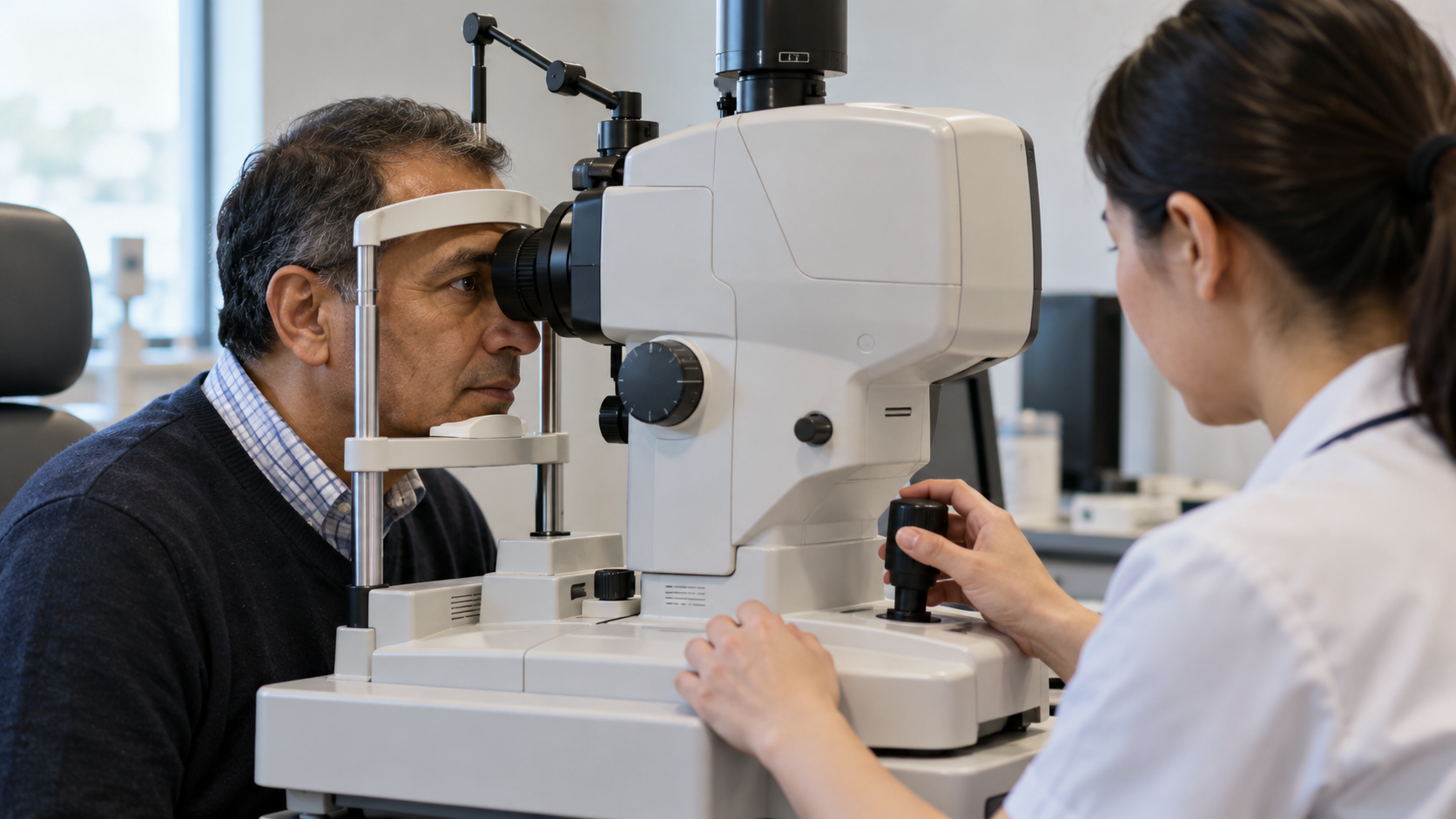
Diabetic retinopathy damages blood vessels in the retina and may begin without symptoms. Learn about eye exams, risk reduction and treatment.
Diverticular disease can cause bowel symptoms, inflammation or bleeding. Learn how diverticulosis differs from diverticulitis and how care varies.
Dysphagia means difficulty swallowing. Learn the warning signs, how swallowing is assessed and why food, drink and treatment plans must be individual.