How Do Journalists Report on Hostage Situations?
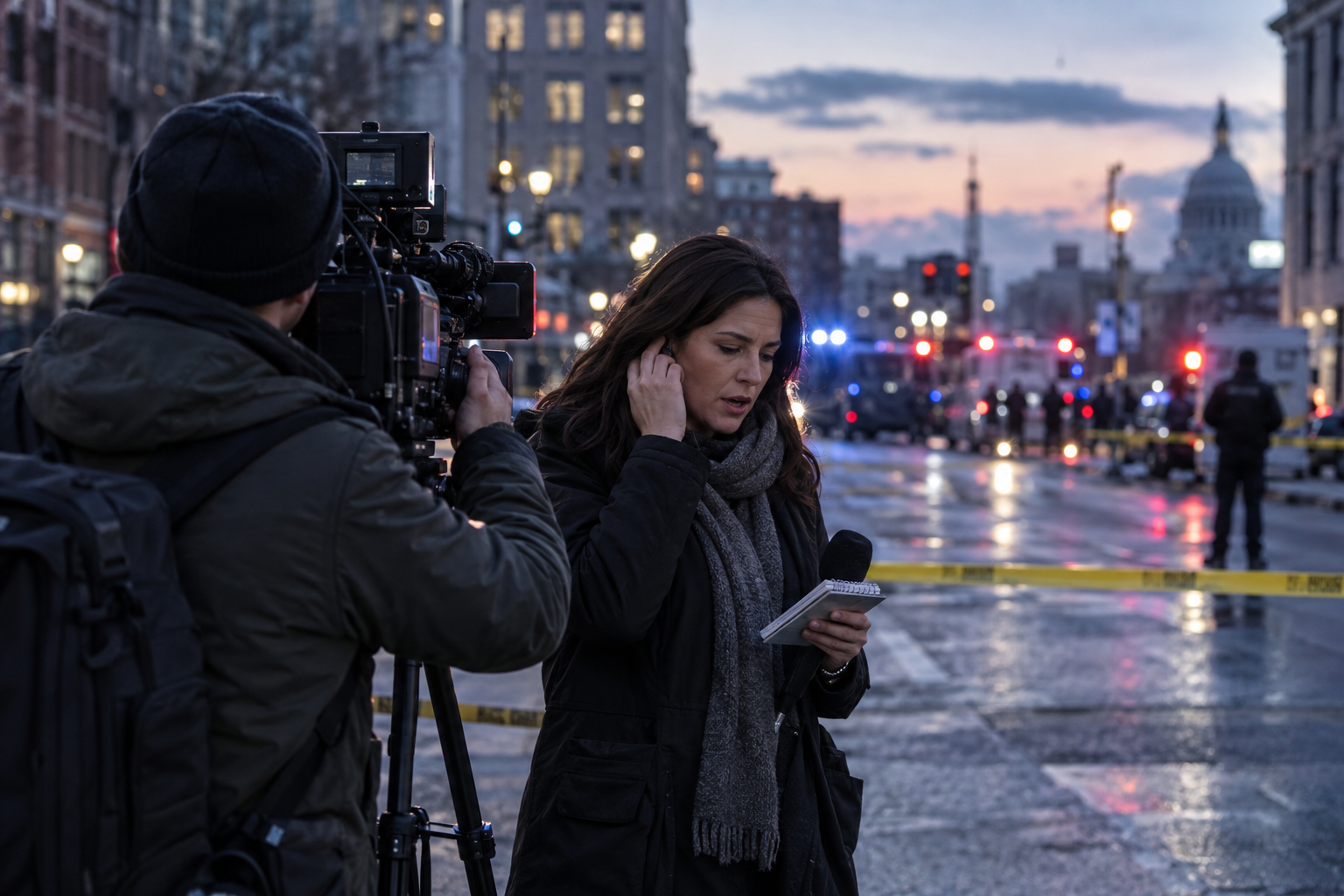
Hostage coverage requires speed and restraint because tactical details, unverified claims, or contact with people inside can affect lives and negotiations.

Don't Just Read it – Explore It
Hostage coverage requires speed and restraint because tactical details, unverified claims, or contact with people inside can affect lives and negotiations.
The right of reply is the opportunity given to a person or organization to respond to significant claims about them before publication.
Authenticating a social account means confirming who controls it and whether its history and activity support the identity it claims.
Journalists verify leaked databases by establishing provenance, testing records, checking structure and completeness, and corroborating findings independently.
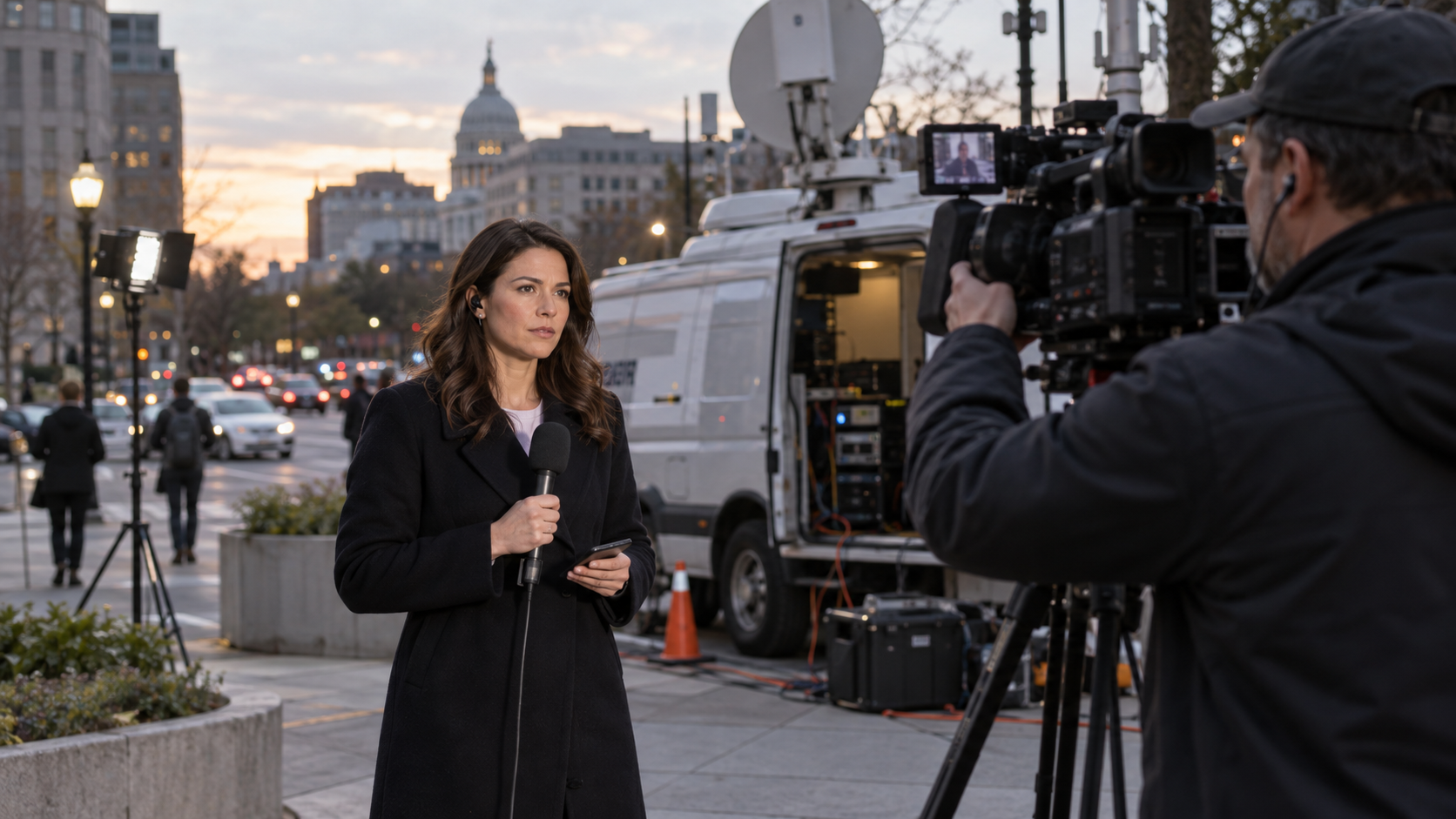
A live shot is an on-location television report transmitted in real time, allowing a journalist to deliver verified updates from the scene.
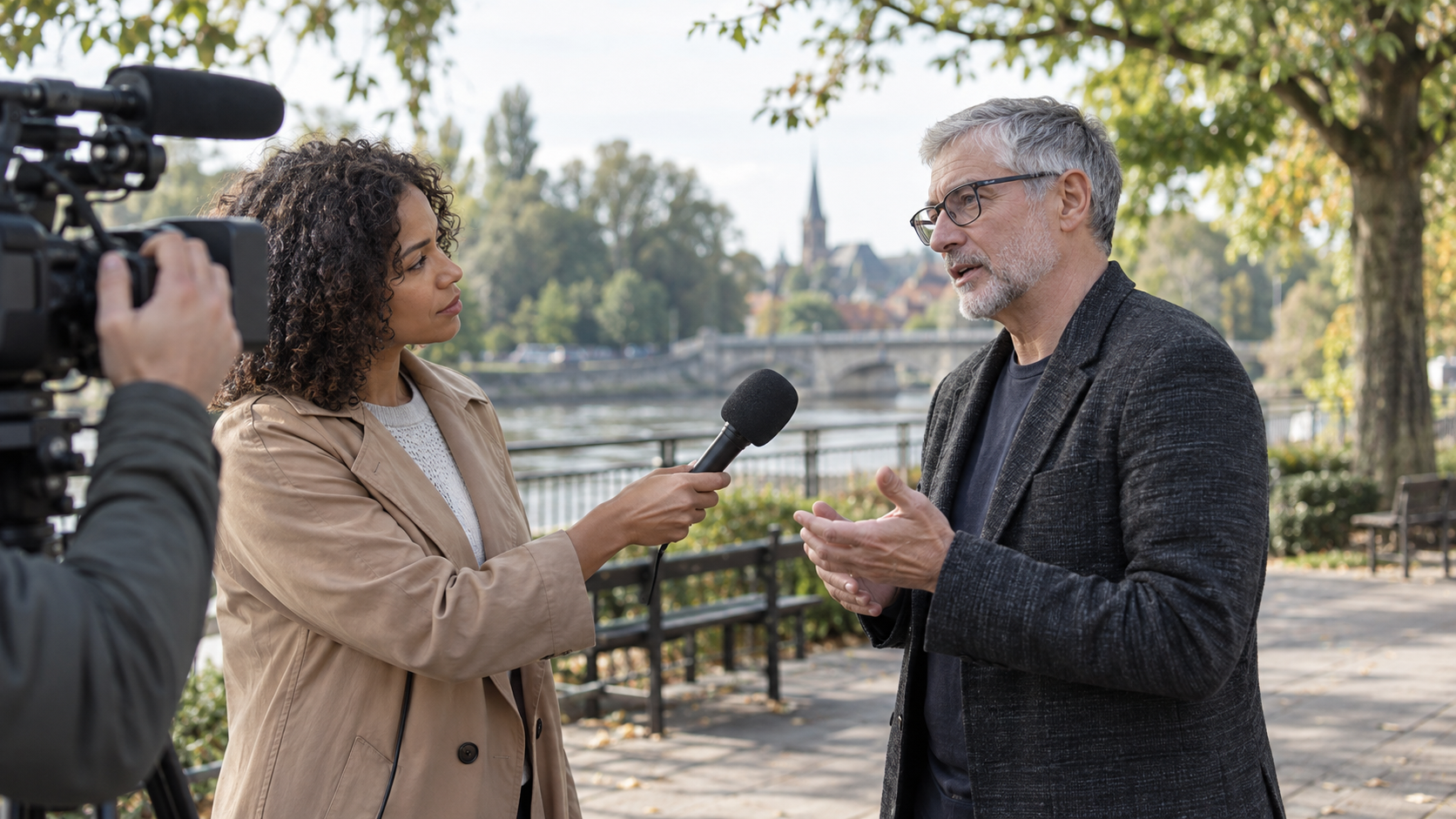
A sound bite is a short excerpt from an interview or speech selected to let audiences hear a source’s own words within a news report.
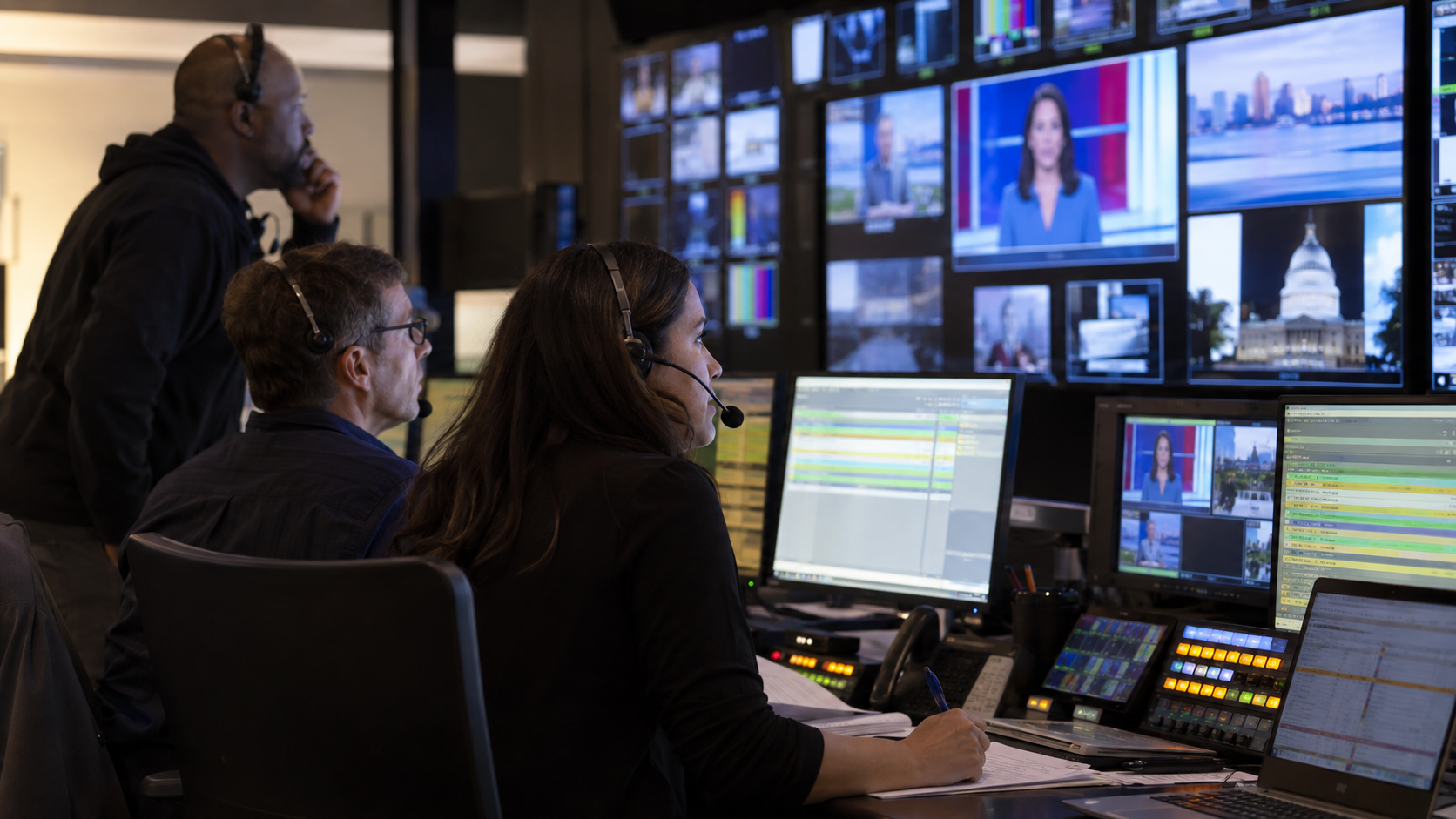
A broadcast rundown is the continuously updated plan that lists a newscast’s stories, scripts, video, graphics, timing, and commercial breaks in order.
A television news package is a self-contained prerecorded report combining narration, interviews, video, natural sound, graphics, and a reporter’s sign-off.
A broadcast tease previews a story coming later in a newscast. Learn where teases appear, how they are written, and what keeps them accurate.
An outcue is the last few words of a broadcast package. See how anchors, directors, and control rooms use it to time clean transitions.
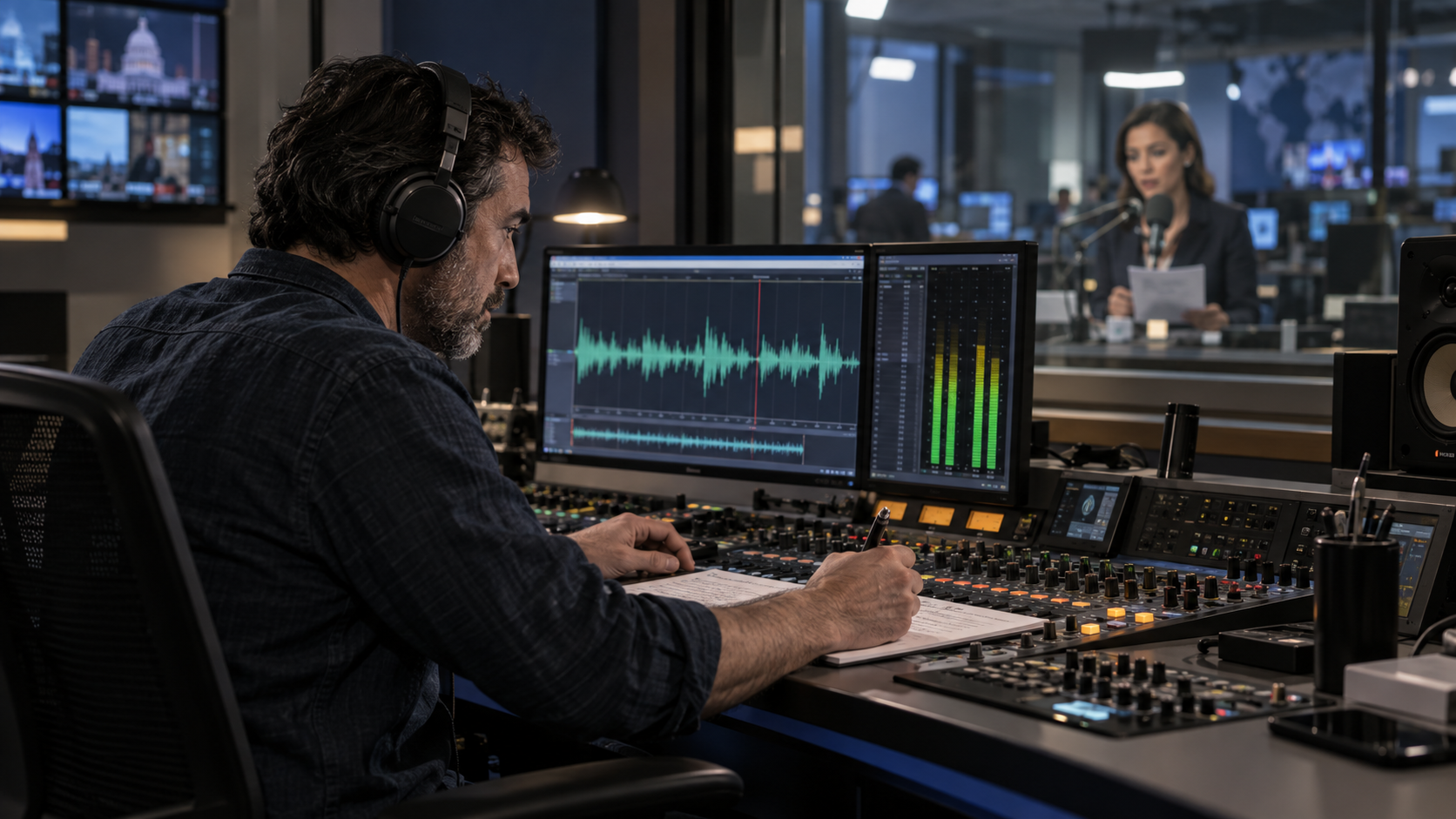
Natural sound brings the real audio of a scene into journalism. Learn how reporters record, edit, and use ambient sound accurately.
A vox pop collects brief public interviews around one question. Learn how it differs from a poll and how journalists use it responsibly.