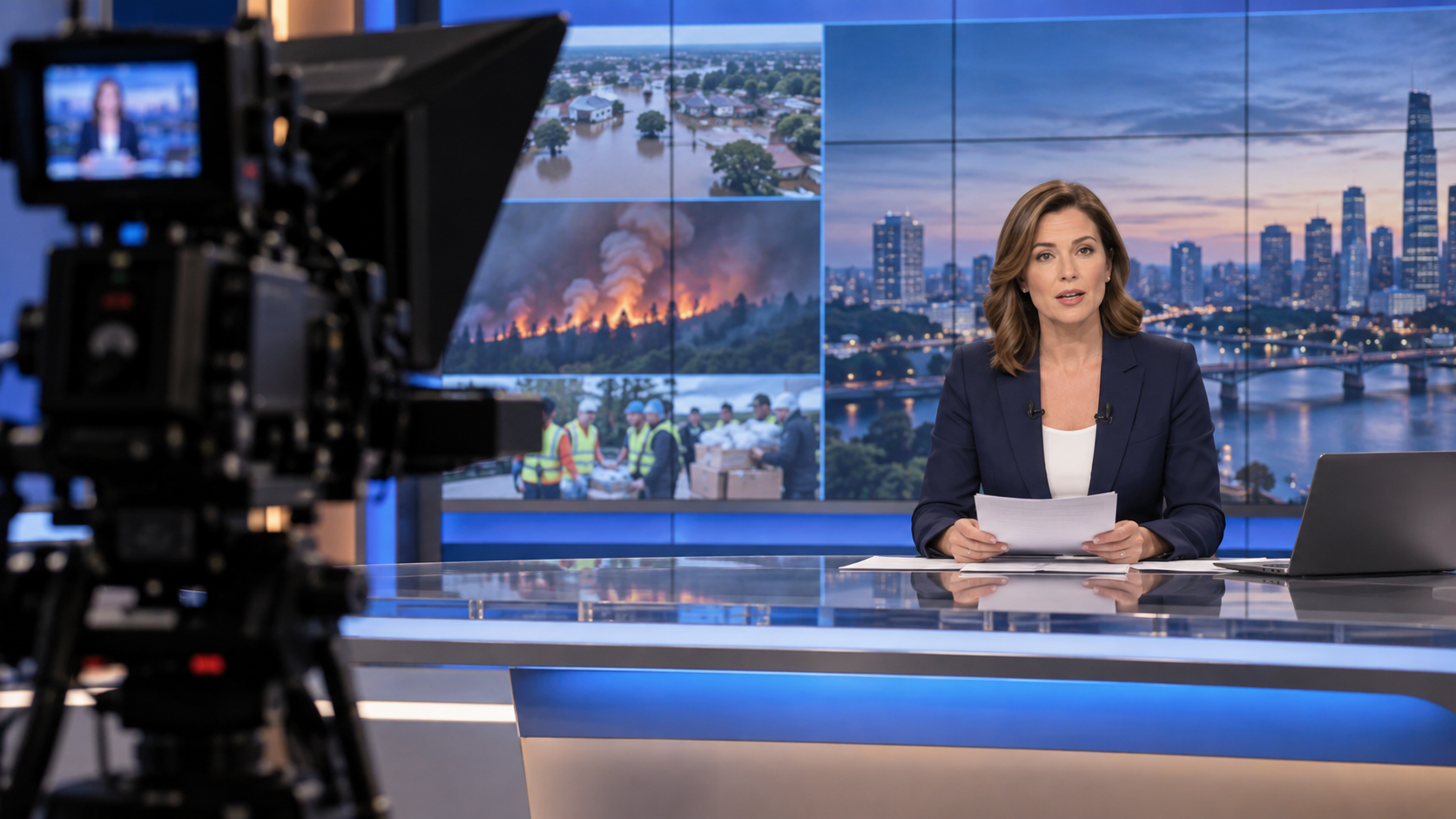
What Is a Voice-Over in TV News?
A broadcast slate identifies a prerecorded package for newsroom staff. Learn what it contains and why it matters for timing and accuracy.

Don't Just Read it – Explore It
A broadcast slate identifies a prerecorded package for newsroom staff. Learn what it contains and why it matters for timing and accuracy.
A broadcast slate identifies a prerecorded package for newsroom staff. Learn what it contains and why it matters for timing and accuracy.
A news cold open begins immediately with content before the usual titles. Learn why programs use it and how teams manage the first cues.
A news cold open begins immediately with content before the usual titles. Learn why programs use it and how teams manage the first cues.
A stringout organizes selected footage and interview clips before a finished news edit. Learn how it bridges raw material and a rough cut.
A stringout organizes selected footage and interview clips before a finished news edit. Learn how it bridges raw material and a rough cut.
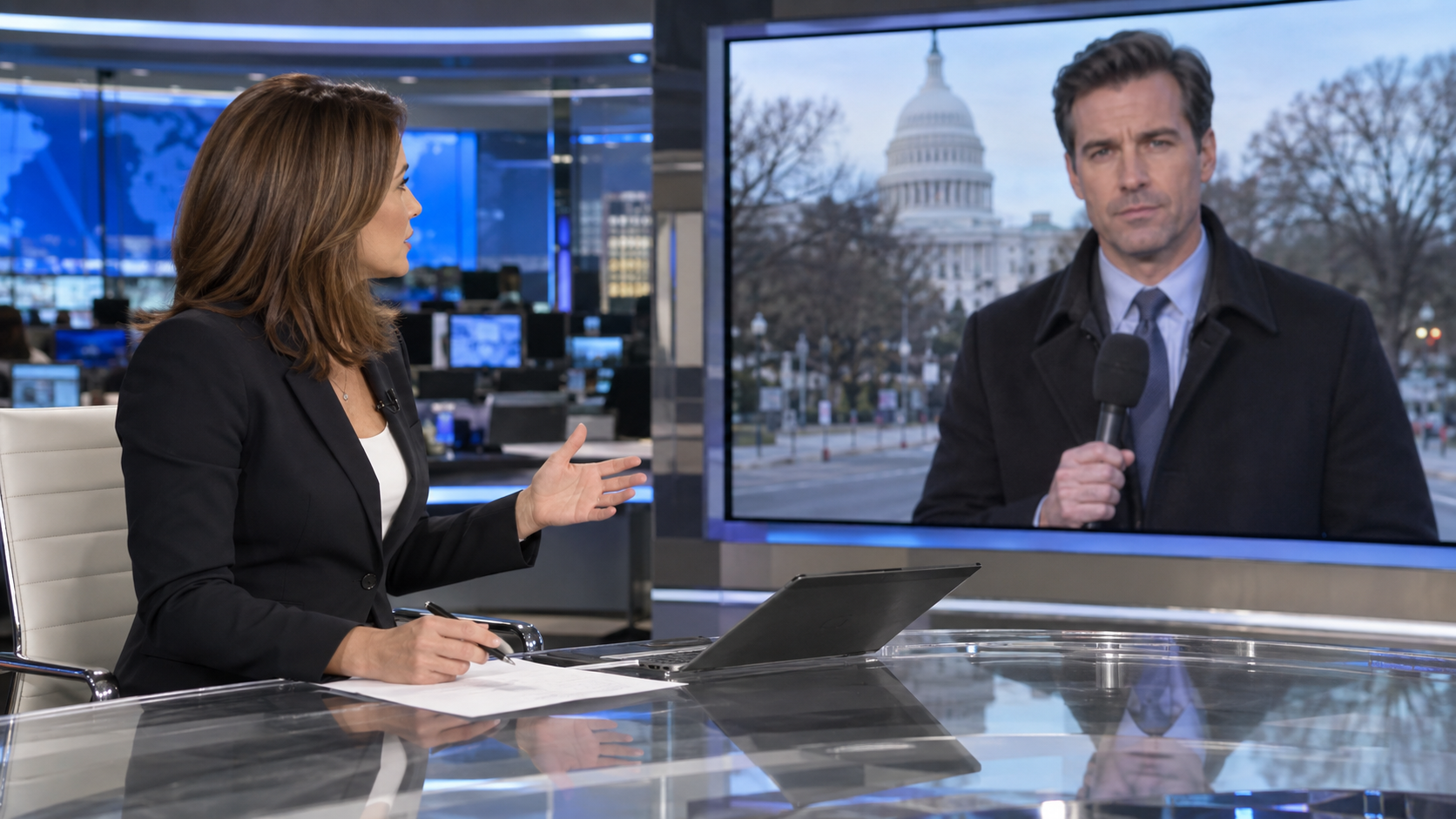
A two-shot frames two people in one television image. Learn how news crews use it to show relationships, reactions, and interview context.
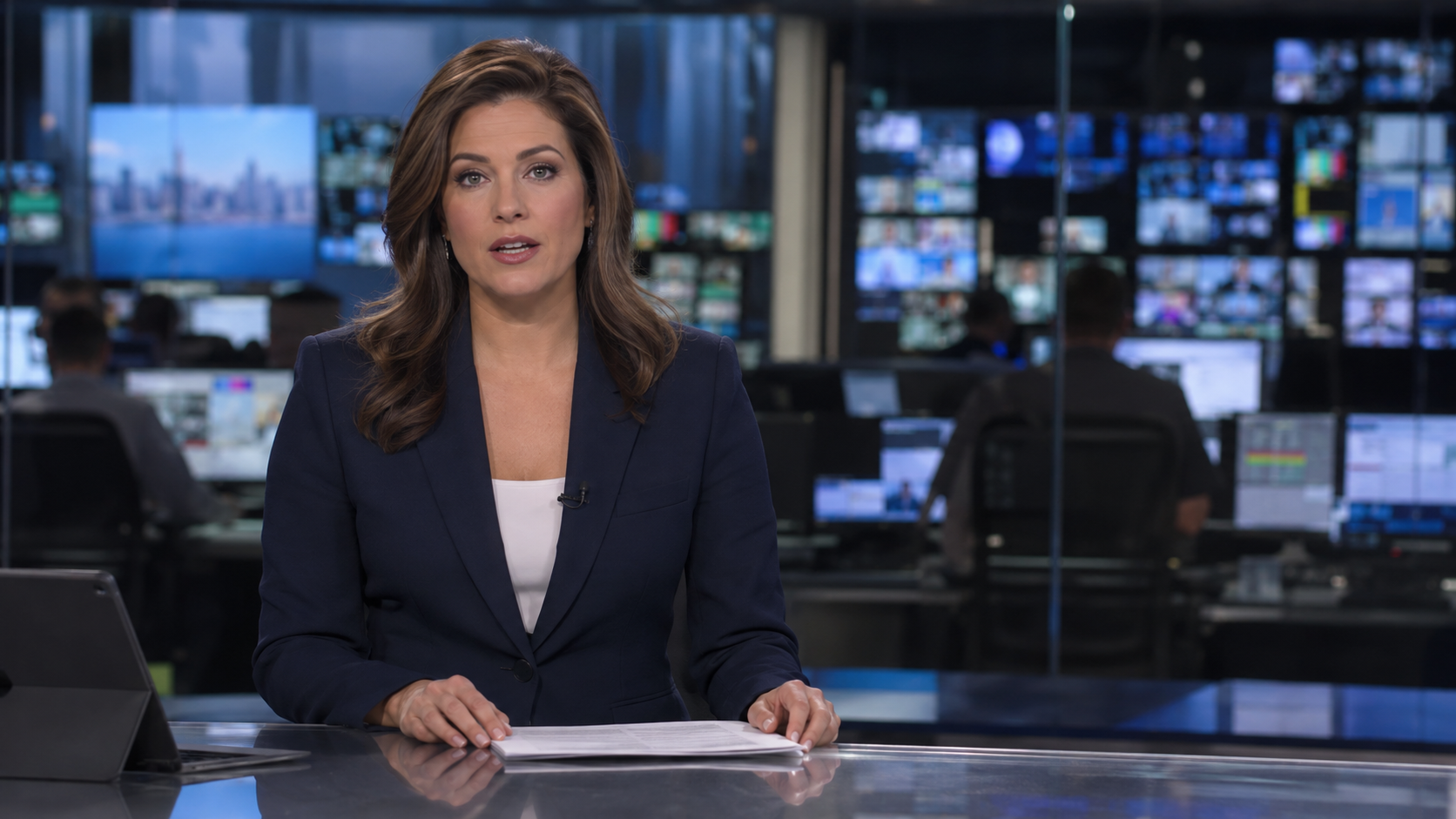
An anchor tag is the brief live copy read after a television news package. Learn how it adds context, updates details, and returns viewers to the studio.
A broadcast lead-in introduces the next report and tells viewers why it matters. Learn how anchors and producers write clear, accurate transitions.
Reporter track is the recorded narration that guides viewers through a television news package. Learn how journalists write, record, and edit it.
A VO-SOT combines anchor narration over video with a recorded sound bite. Learn how television newsrooms script, time, and verify this compact format.
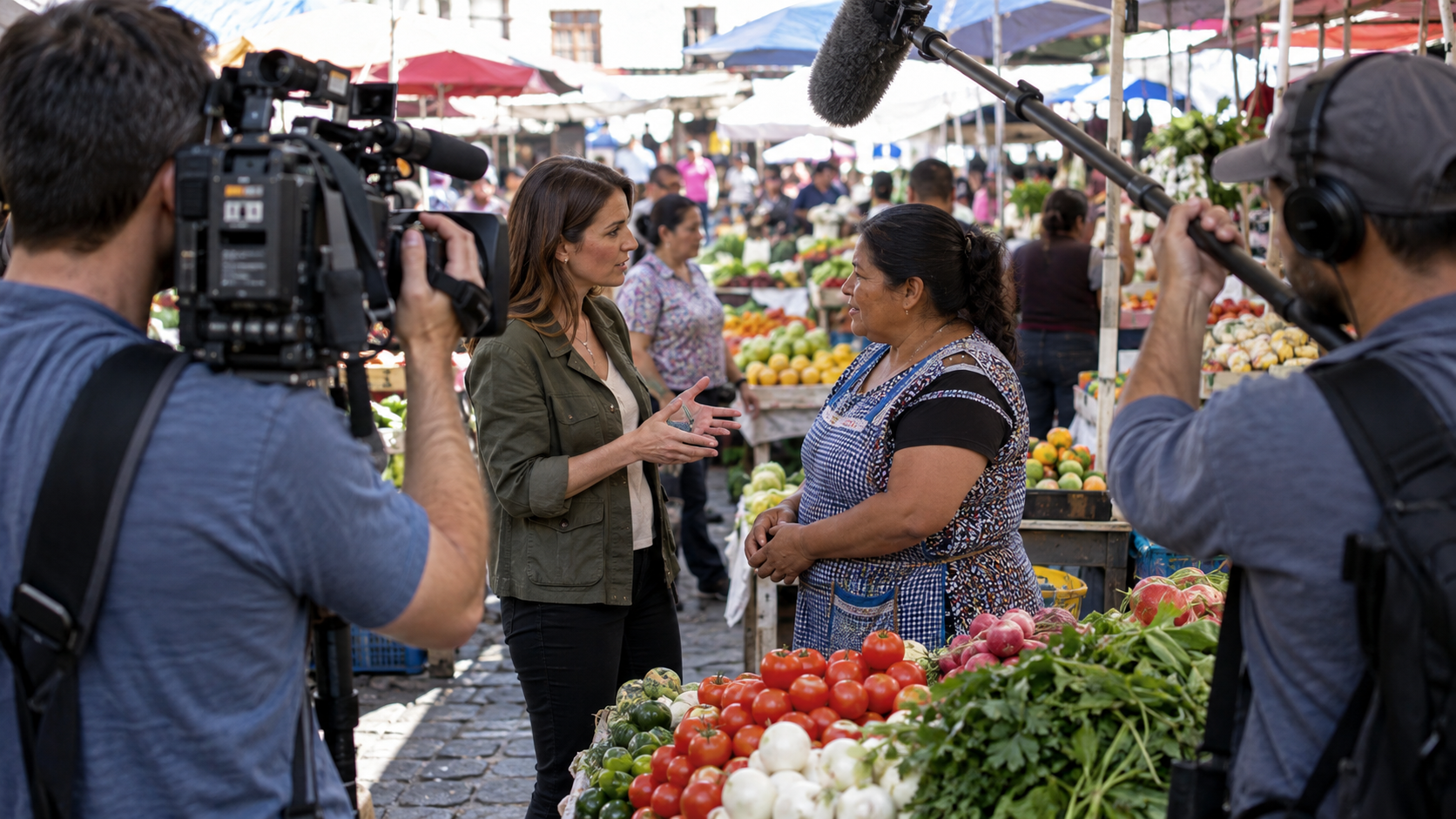
A natural sound break lets viewers briefly hear a scene without narration. Learn how television journalists use ambient audio for clarity and presence.